Istanbul Residency, Part 2
Life in Istanbul is in many ways “magical,” as so many before me have described it. It is the mixture of the roaming cats, praying voices, strolling boats with the history and landscape of the city that creates this feeling of magic.


As the renowned Turkish author, Orhan Pamuk, states from his memoir on Istanbul:
“It was in Cihangir that I first learned Istanbul was not an anonymous multitude of walled-in lives – a jungle of apartments where no one knew who was dead or who was celebrating what – but an archipelago of neighborhoods in which everyone knew each other.”

There is a strong sense of community here, it seems in every corner. Turkish people are more than welcoming to foreigners and love when we express interest in their culture. So far we have been to a few galleries, the Blue Mosque, the Asian side of Istanbul and this is only from a week living here.

The studios at our Mimar Sinan residency are awesome! I have a second floor balcony studio to myself and have already began a few drawings I hope to exhibit at the end of the residency. I am deeply inspired by Istanbul and Turkish calligraphy, so to say participating in this residency and living in Istanbul is a dream come true is an absolute understatement. This city is art and life itself to me and I am thrilled to see how I can reflect that feeling during my residency here.


Carrara Residency, Part 2
Hey everyone! I’m not too keen on blogging in general, but Italy was awesome, and I’d like to share the carving process with you.

A common first step in sculpture is the creation of a model to work from.

In this case I shaped the clay from memory. This is a skill I learned from the amazing instructors at NYAA, a technique I’m still battling to become fluent with.

Once the clay has been modeled satisfactorily I drape wet fabric over it, the way you would if you wanted to keep the clay wet. Only instead I let it dry out to harden the fabric.


Once the initial cuts have been made the basic shape is visible. I continue roughing the stone out by finding major landmarks with the pointing machine.


At this point I move between taking points and carving from direct observation, making edits and corrections until I feel that it conveys my original intention.

I’m so grateful for another wonderful time spent in Carrara.
Art Southamption 2015

The Academy will present an exhibition of alumni works for sale curated by artist April Gornik.
The collection includes pieces by some of the most accomplished artists to have graduated from the Academy.
Featured artists include James Adelman (MFA 2014), Tamalin Baumgarten (MFA 2015), Nicholas Borelli (MFA 2012), Dina Brodsky (MFA 2006), Garrett Cook (MFA 2014), Joshua Henderson (MFA 2015), Alexis Hilliard (MFA 2014), William C. Logan (MFA 2014), Elisabeth McBrien (MFA 2014), Gary Murphy (MFA 2012), Nicolas V. Sanchez (MFA 2013, Fellow 2014), Buket Savci (MFA 2012), Sarah Schlesinger (MFA 2015, Fellow 2016), Stephen Shaheen (MFA 2005), Chie Shimizu (MFA 2001), Krista Smith (MFA 2014), Moses Tuki (MFA 2015)
-
- James Adelman (MFA 2014)

-
- James Adelman (MFA 2014)
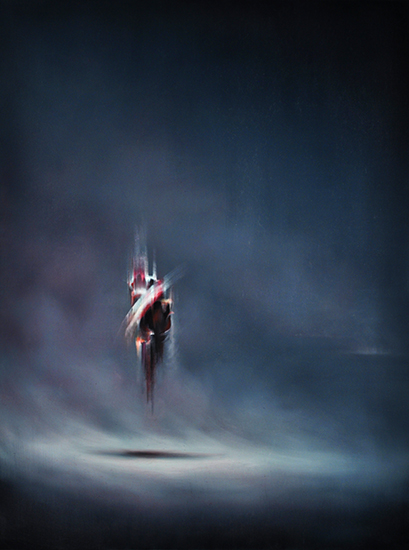
-
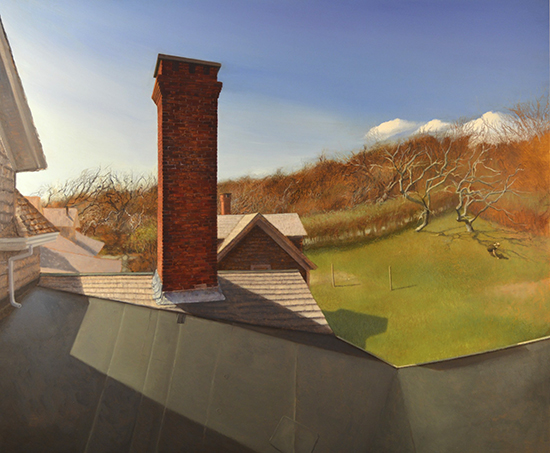
- Tamalin Baumgarten (MFA 2015)
-
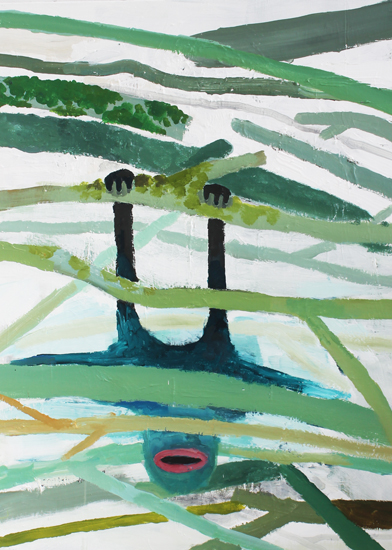
- Nicholas Borelli (MFA 2012)
-
- Dina Brodsky (MFA 2006)
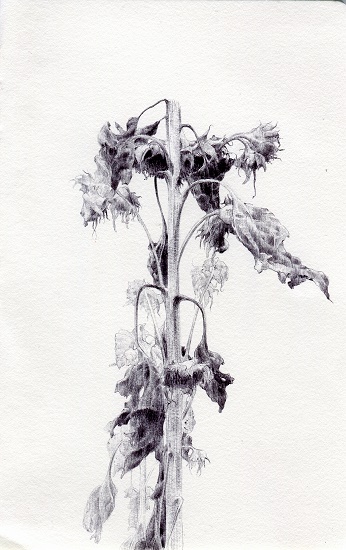
-
- Dina Brodsky (MFA 2006)
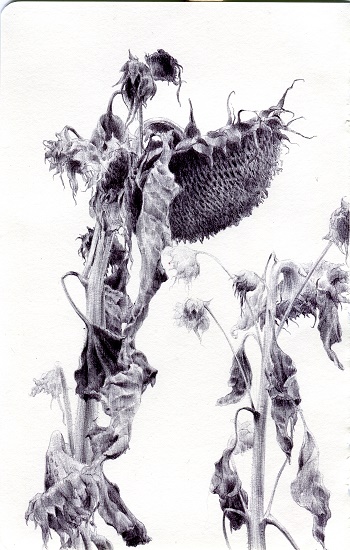
-
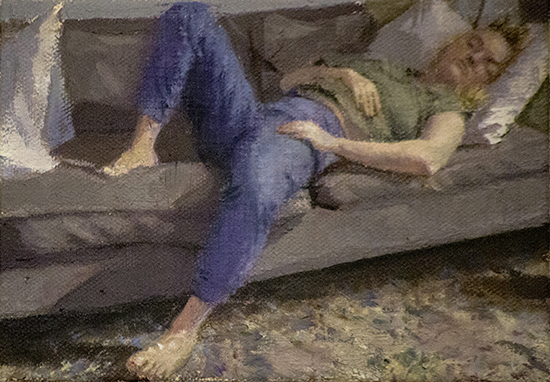
- Garrett Cook (MFA 2014)
-
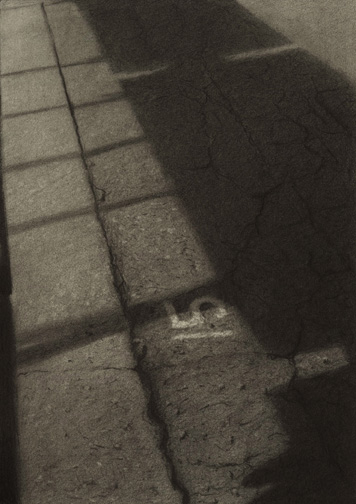
- Joshua Henderson (MFA 2015)
-
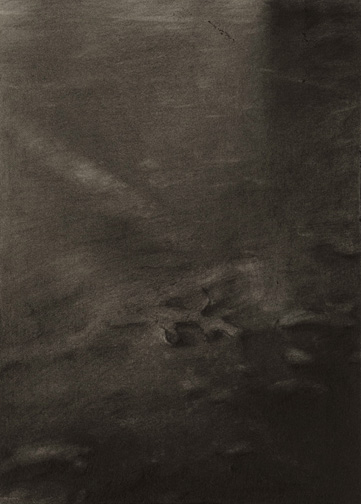
- Joshua Henderson (MFA 2015)
-
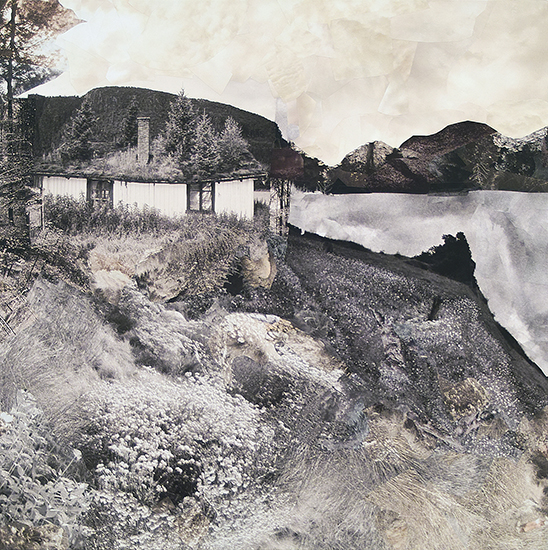
- Alexis Hilliard (MFA 2014)
-
- William C. Logan (MFA 2014)
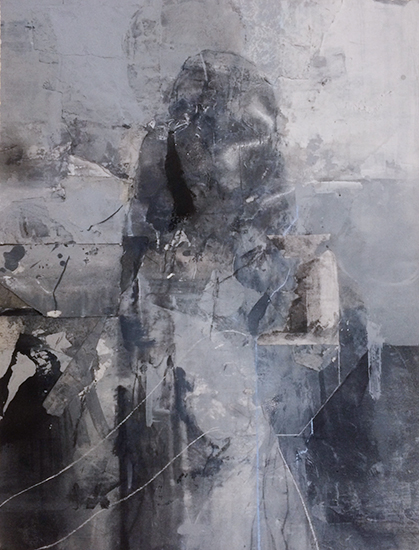
-
- William C. Logan (MFA 2014)

-
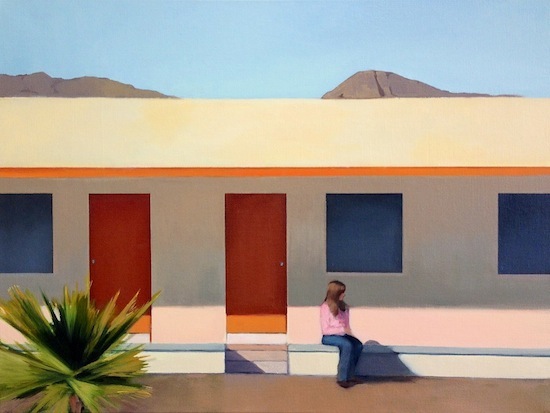
- Elisabeth McBrien (MFA 2014)
-
- Elisabeth McBrien (MFA 2014)

-
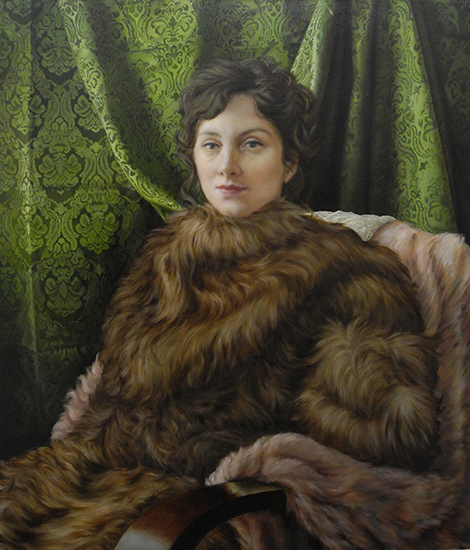
- Gary Murphy (MFA 2012)
-
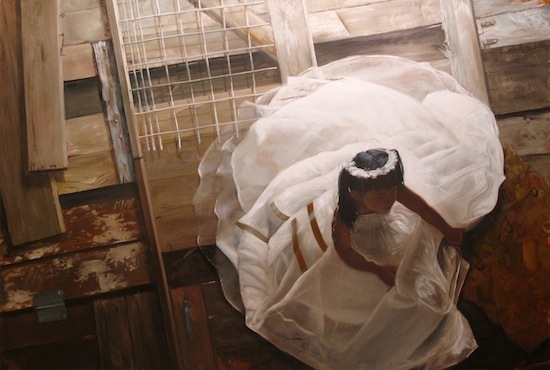
- Nicolas V. Sanchez (MFA 2013, Fellow 2014)
-
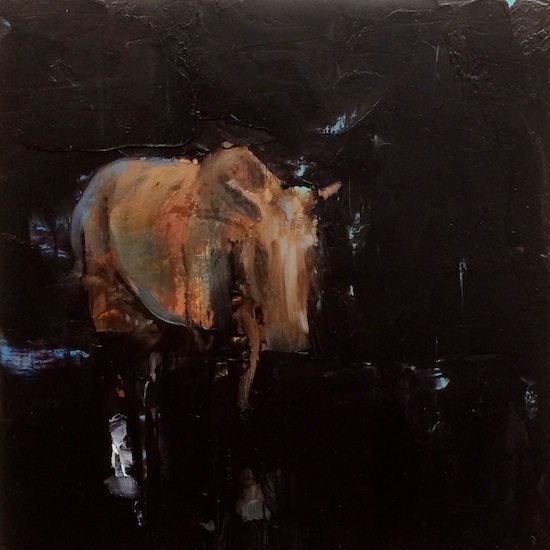
- Nicolas V. Sanchez (MFA 2013, Fellow 2014)
-
- Buket Savci (MFA 2012)
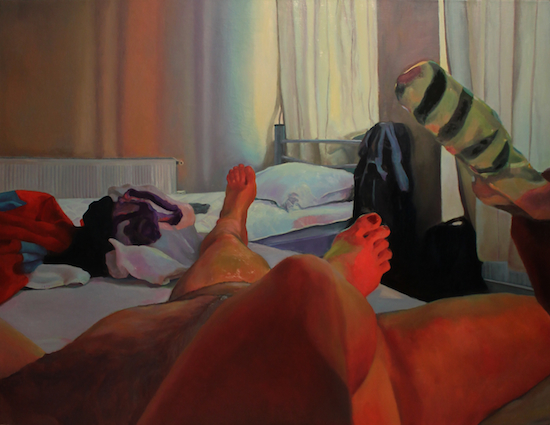
-
- Sarah Schlesinger (MFA 2015)
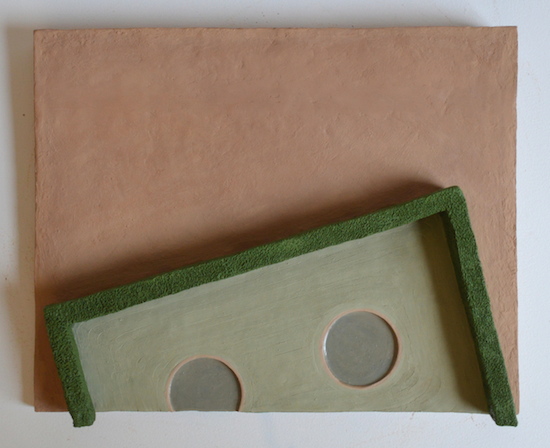
-
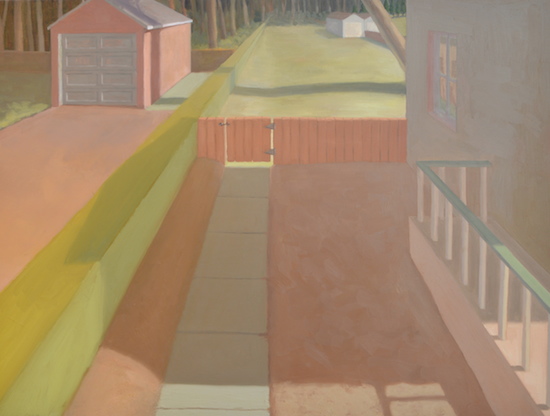
- Sarah Schlesinger (MFA 2015)
-
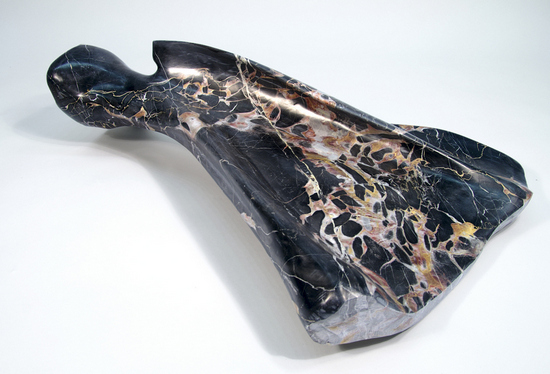
- Stephen Shaheen (MFA 2005
-
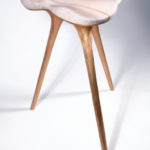
- Stephen Shaheen (MFA 2005

-
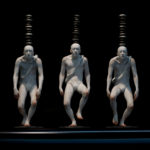
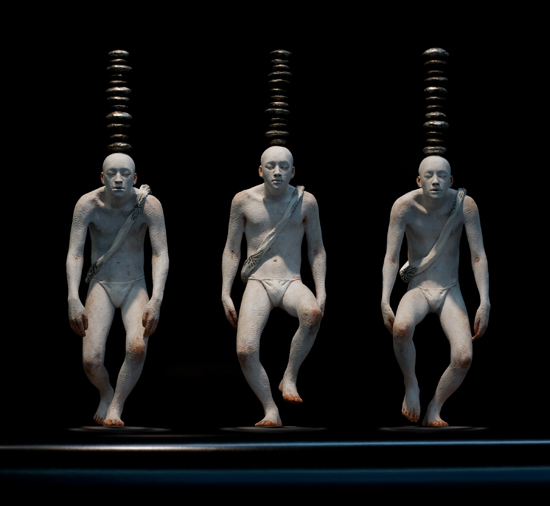
- Chie Shimizu (MFA 2001)
-
- Chie Shimizu (MFA 2001)
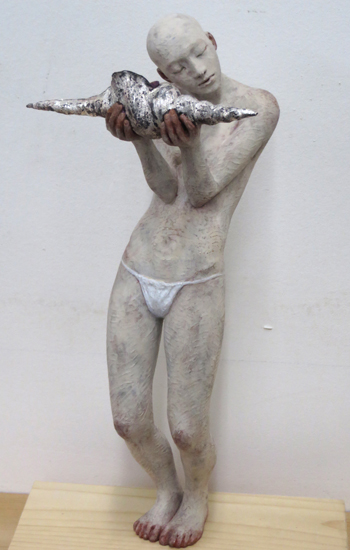
-
- Krista Smith (MFA 2014)
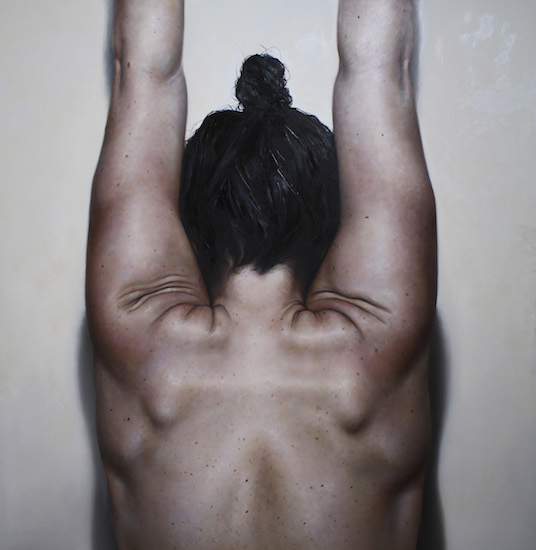
-
- Moses Tuki (MFA 2015)

-
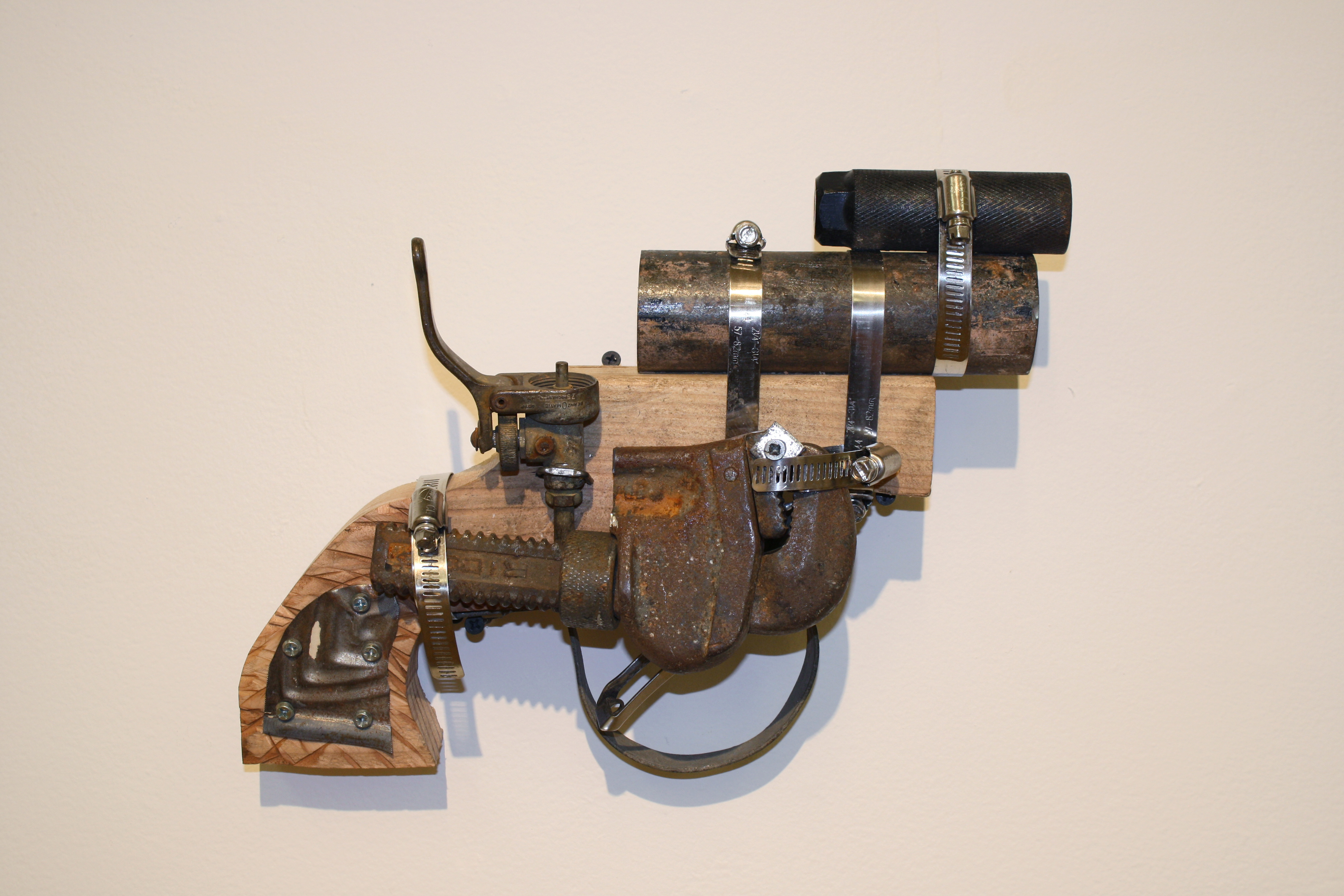
- Moses Tuki (MFA 2015)
Altos de Chavon Residency, Part 1
Is this real life?
Trying to describe this residency is like trying to describe a dream that was so amazing you can’t find the words. Since I arrived in the Dominican Republic I have been painting, exploring, and just trying to find ways to hold on to this experience forever. Andres and I are staying in a village called Altos de Chavon, located on top of the Chavon River in La Romana.
 |
| A painting in progress of the Chavon River |
Conceived by Roberto Copa a former Paramount Pictures set designer in 1976, it is the most popular attraction in the city. So far our time here has mainly been spent meeting all the great people here and taking in all the history of the town.
 |
| A picture I took of The Church of St Stanislaus on my first night in town |
 |
| Narrow cobblestone alleyway with the moon up above. |
 |
| On the river, looking up at the town. |
 |
| Exploring with some of our students. |
 |
| Getting ready for one of our amazing lunches! |
The students here are amazing people and artists! They have so much interest in art, showing us their favorite places to find inspiration.
One of my favorite things about this place is how time just seems to come to a halt. Nothing is a rush here, people like to stay relaxed and just take it slow. After living in New York for two years I have almost forgotten how to do this. I cant wait to see what the rest of this residency brings and hope it never ends.
Art Miami 2015
 The New York Academy of Art is pleased to present an exhibition of alumni work selected exclusively from the Academy’s prestigious Fellows program and curated by New York-based artist Natalie Frank. Frank has had multiple solo exhibitions, including her most recent show of drawings that reconstruct fairytales from the Brothers Grimm at The Drawing Center.
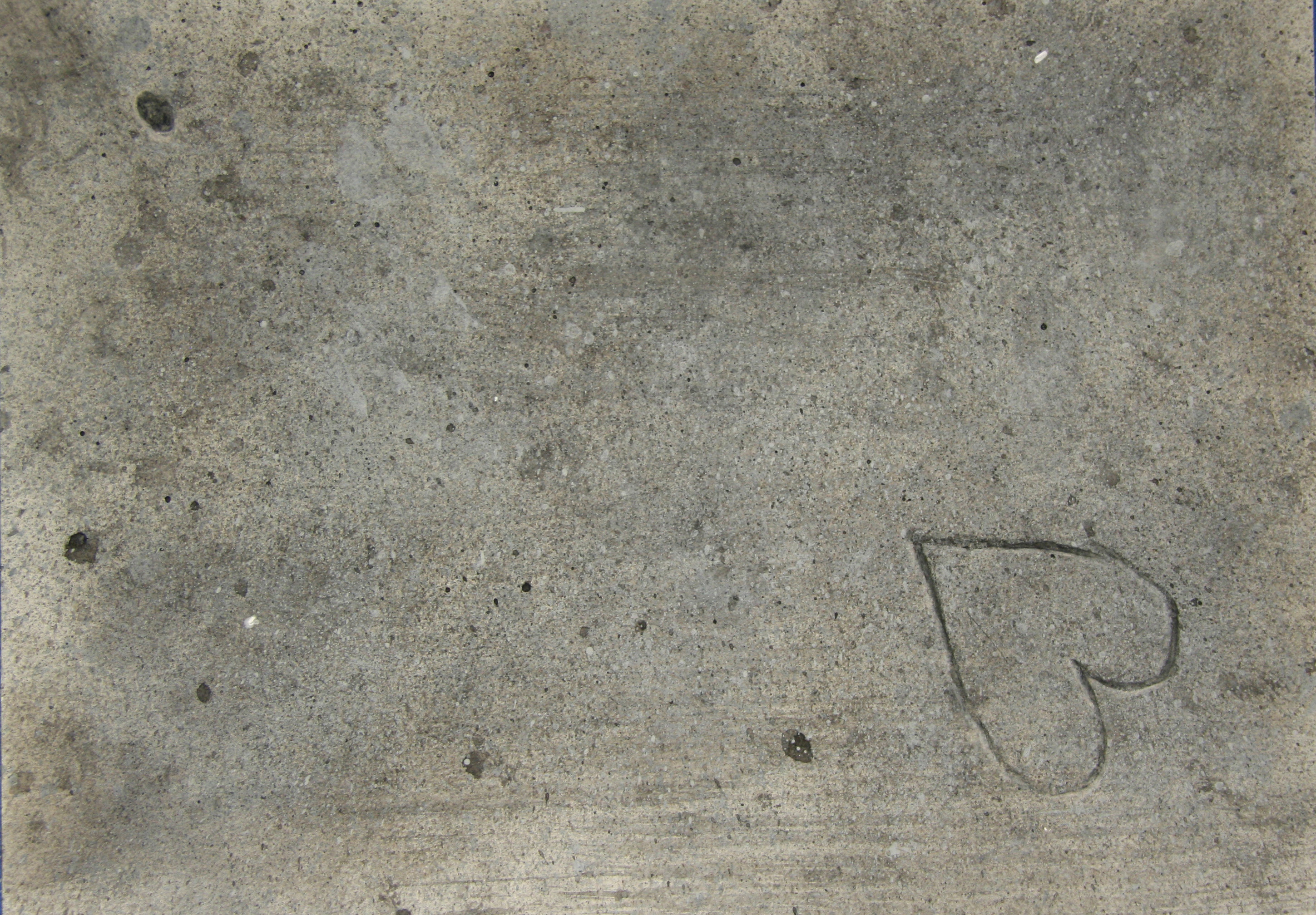
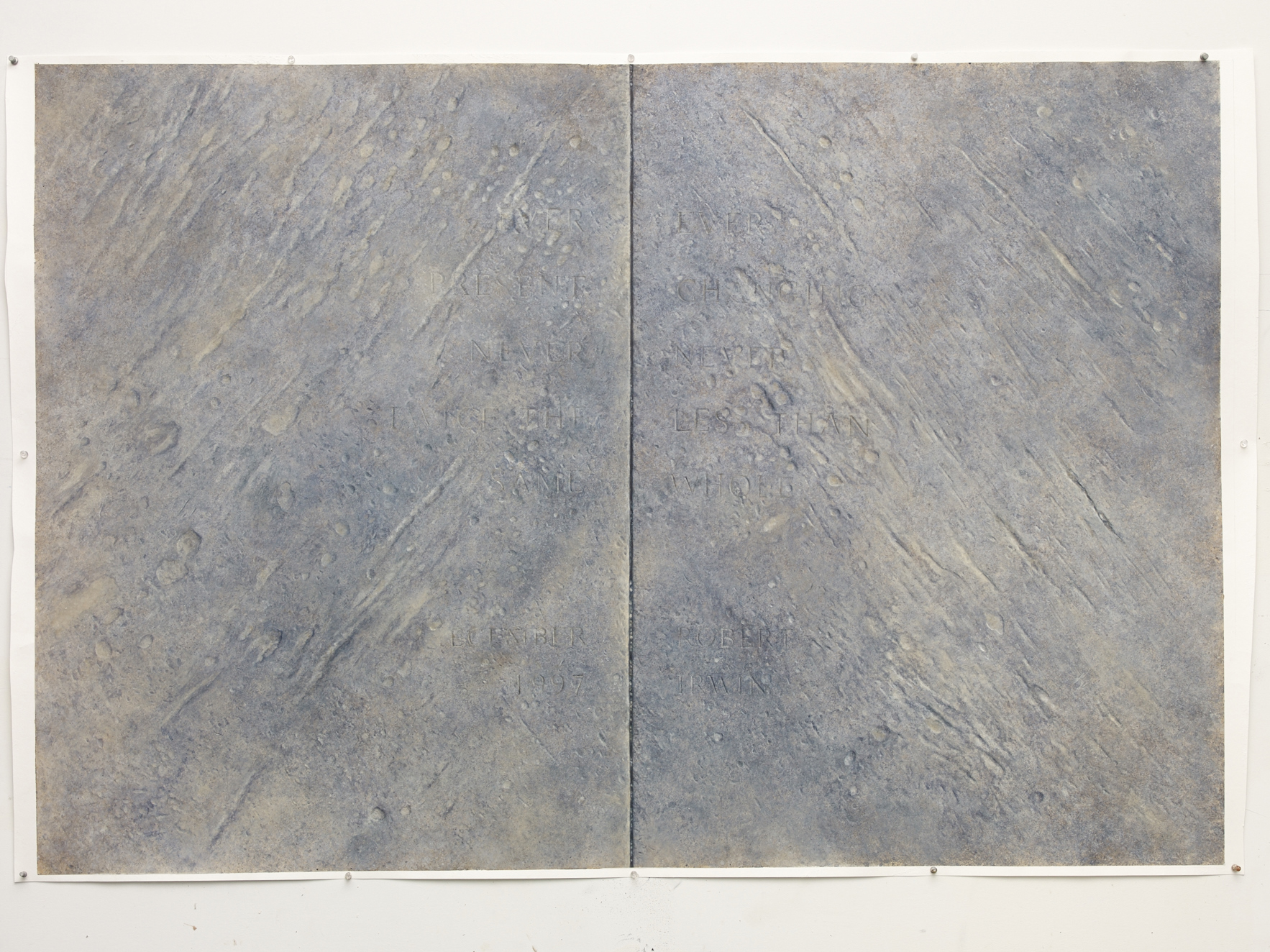
Each year, three of the most promising students from the graduating class are chosen to return for a third year where they are given a studio, a stipend, teaching experience and an exhibition at the end of the year. Historically the Fellows program has been a launching platform for the Academy’s most visible and successful artists and the exhibition proves how varied and impressive the results are. From Emily Davis Adams’ meticulously rendered slabs of cement to Elizabeth Glaessner’s evocative, painterly meta-narratives, the Academy’s Fellows are producing some of the most visually stimulating and technically astonishing emerging art.
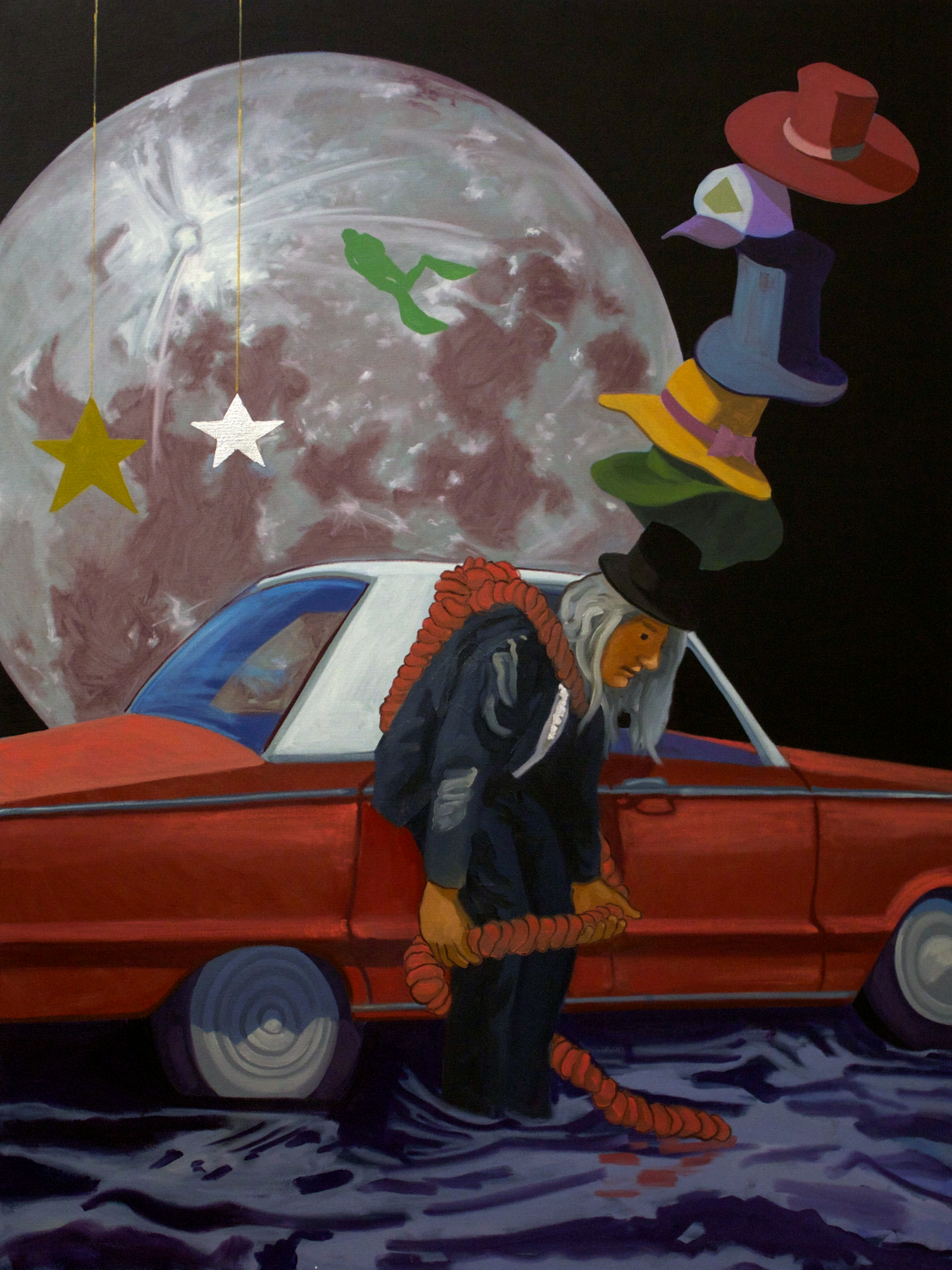
Featuring works by Emily Davis Adams, William Bolton, Maya Brodsky, Christian Fagerlund, Elizabeth Glaessner, Michael Kagan, Panni Malekzadeh, Mathew Miller and David Pettibone.
-
- Emily Davis Adams (MFA 2011, Fellow 2012)
-
- Emily Davis Adams (MFA 2011, Fellow 2012)
-
- William Bolton (MFA 2006, Fellow 2007)

-

- William Bolton (MFA 2006, Fellow 2007)
-
- Maya Brodsky (MFA 2010, Fellow 2011)
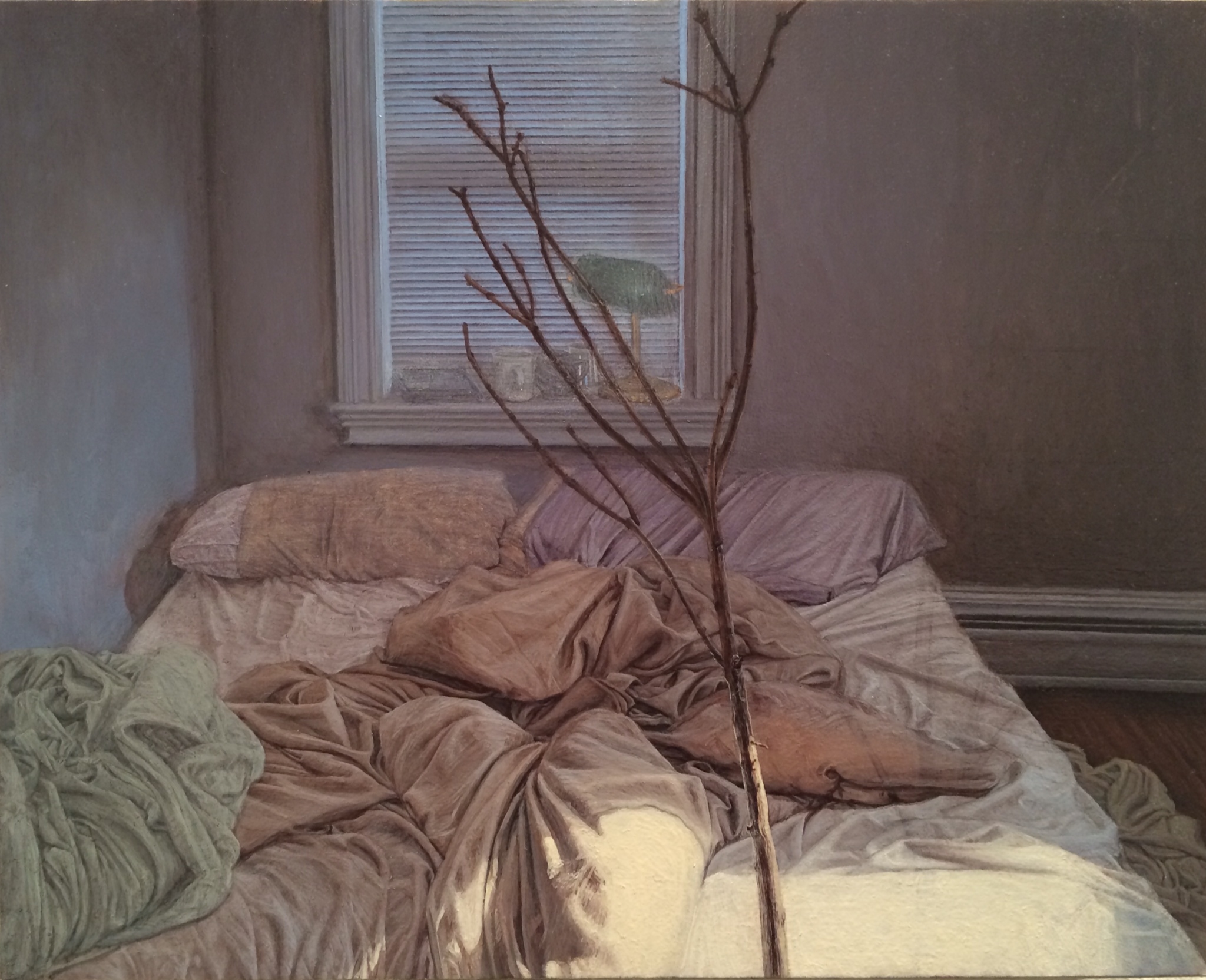
-

- Maya Brodsky (MFA 2010, Fellow 2011)

-
- Maya Brodsky (MFA 2010, Fellow 2011)
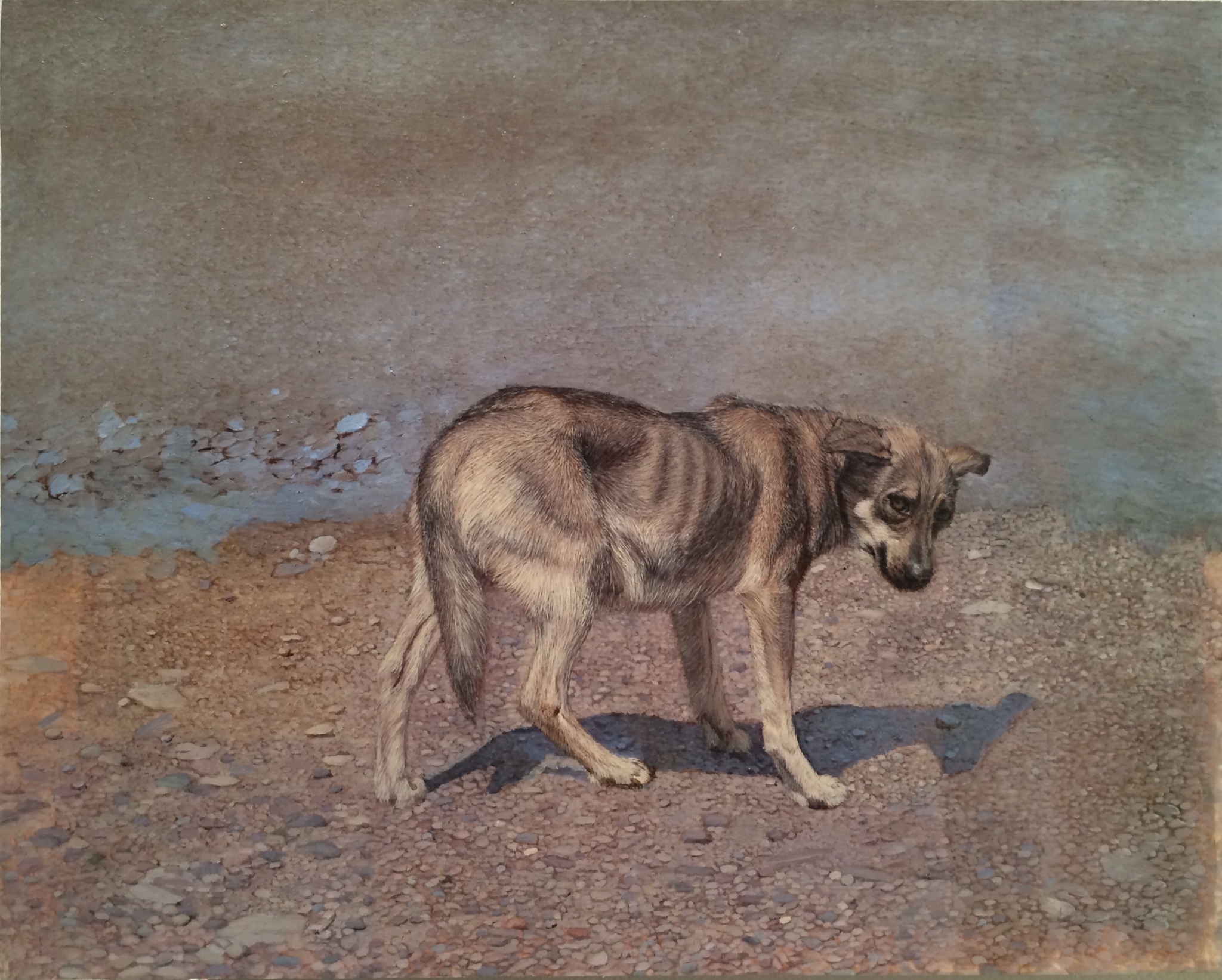
-
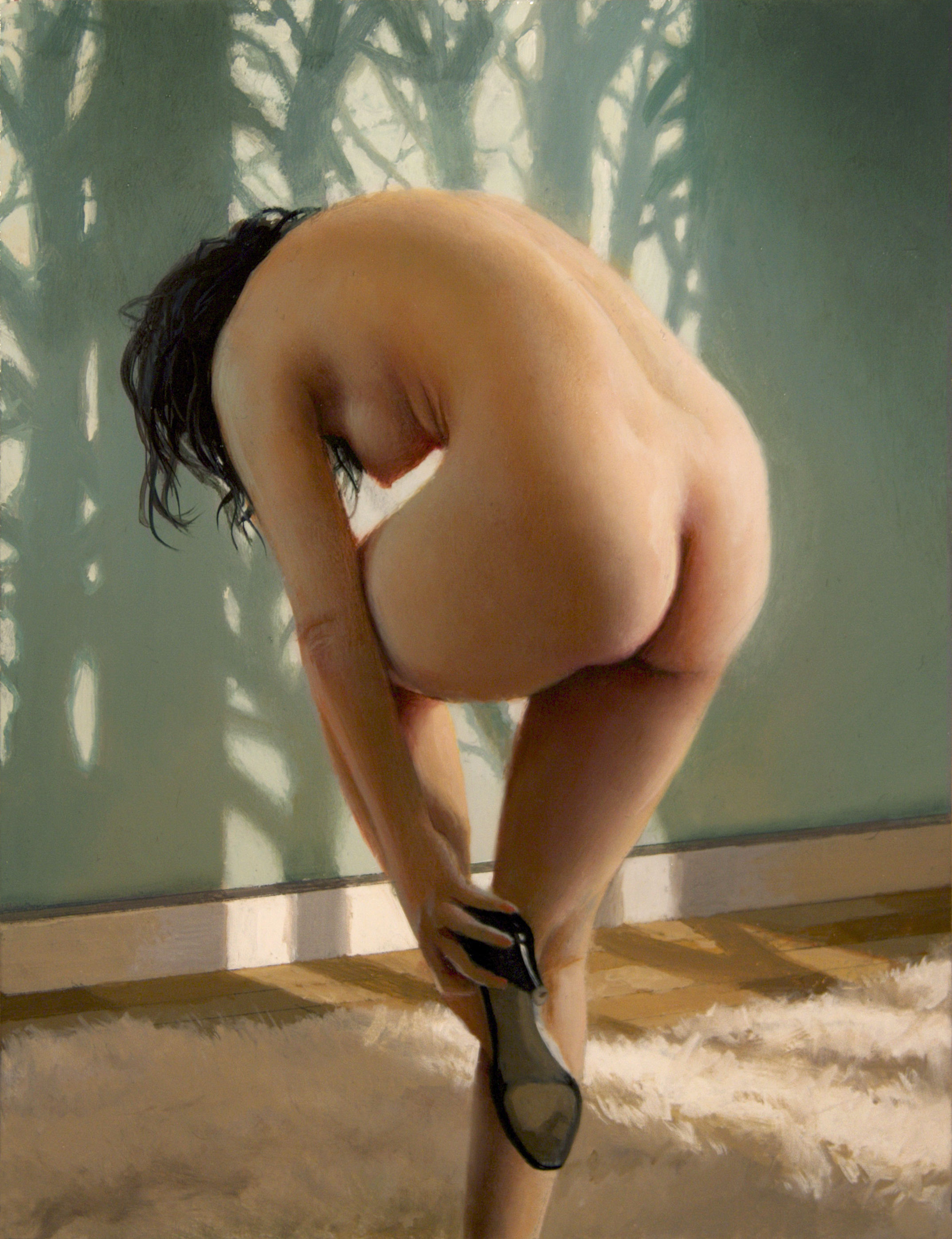
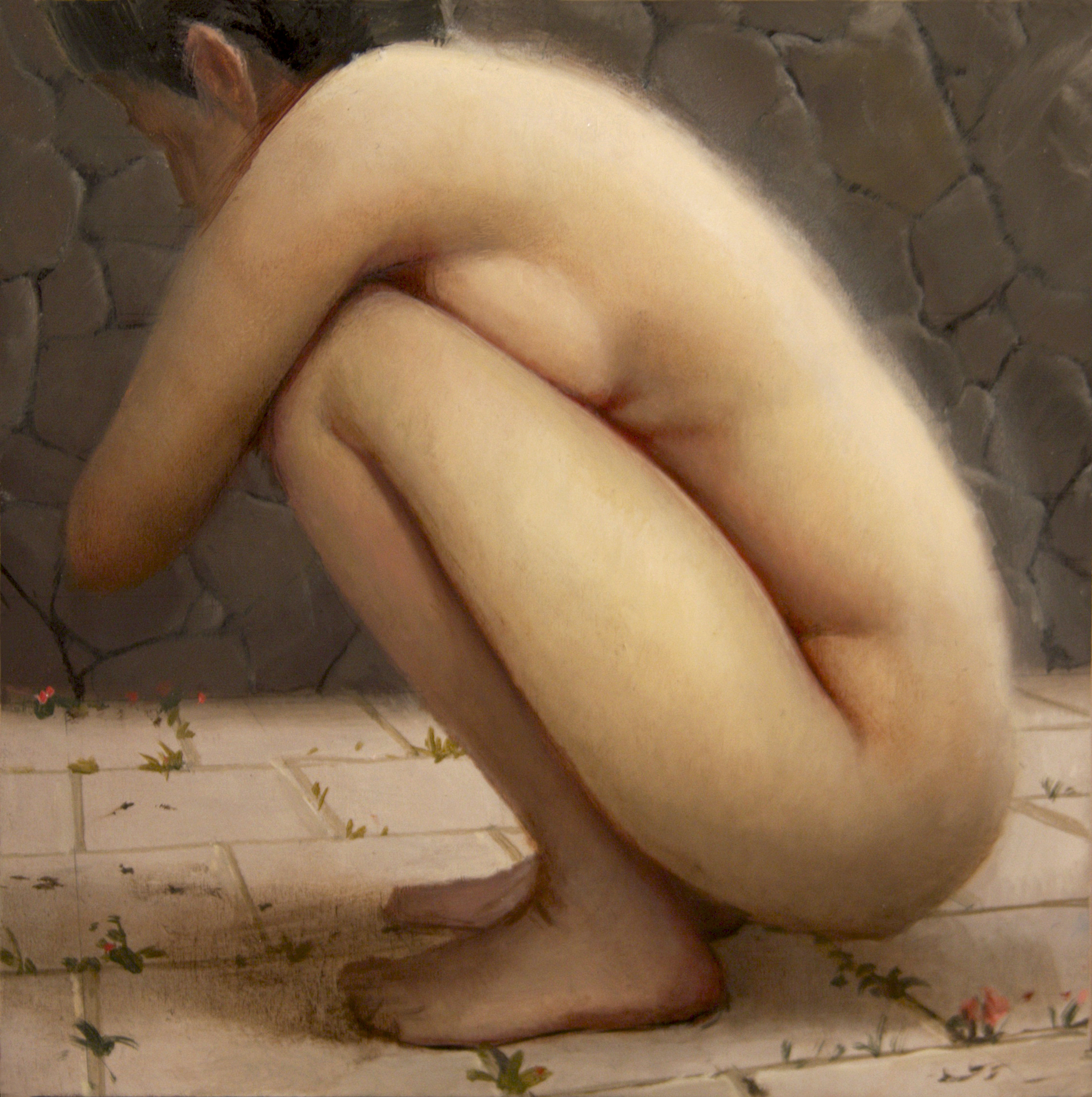
- Christian Fagerlund (MFA 2004, Fellow 2005)
-

- Christian Fagerlund (MFA 2004, Fellow 2005)
-
- Elizabeth Glaessner (MFA 2013, Fellow 2014)
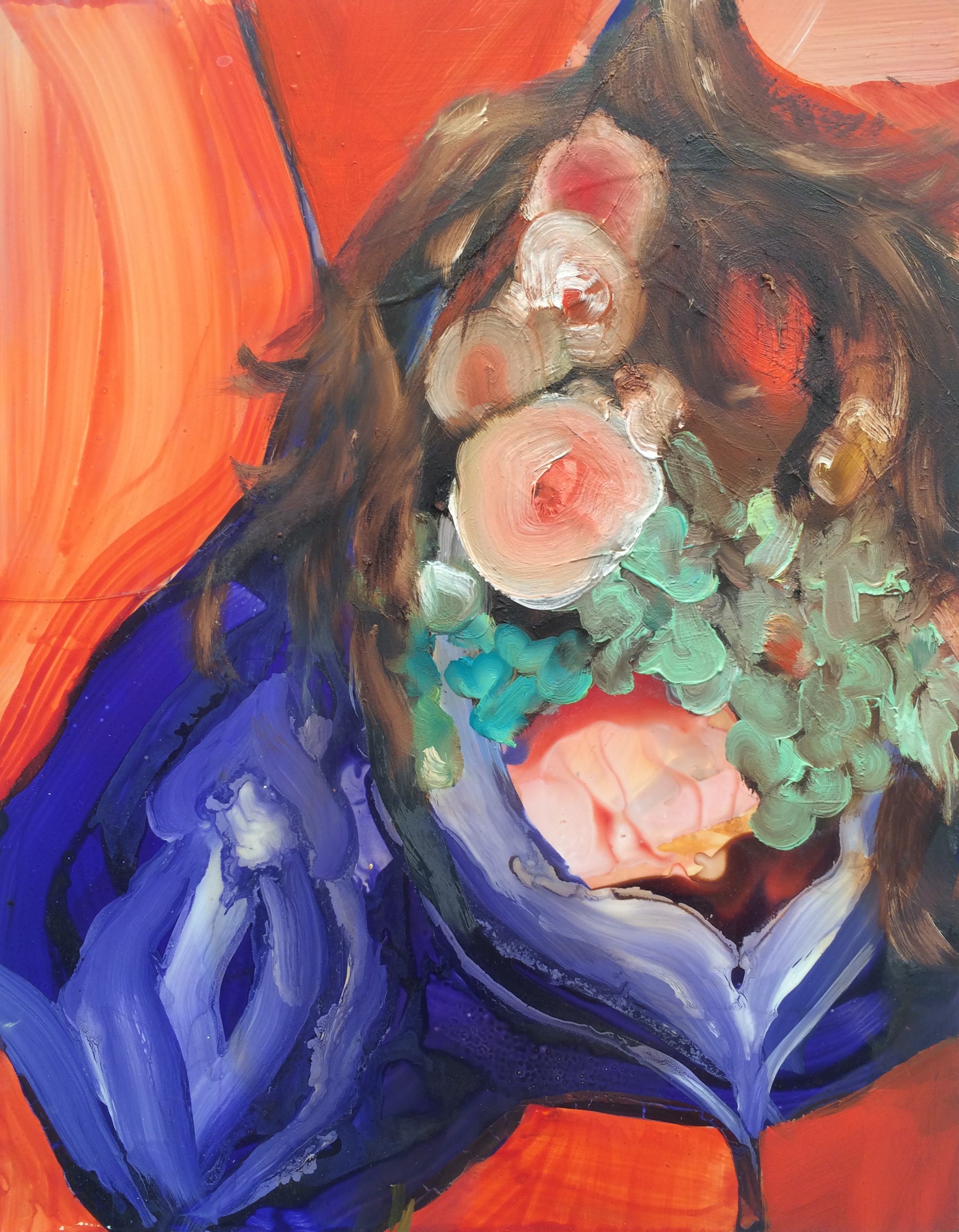
-
- Michael Kagan (MFA 2005, Fellow 2006)

-

- Panni Malekzadeh (MFA 2009, Fellow 2010)
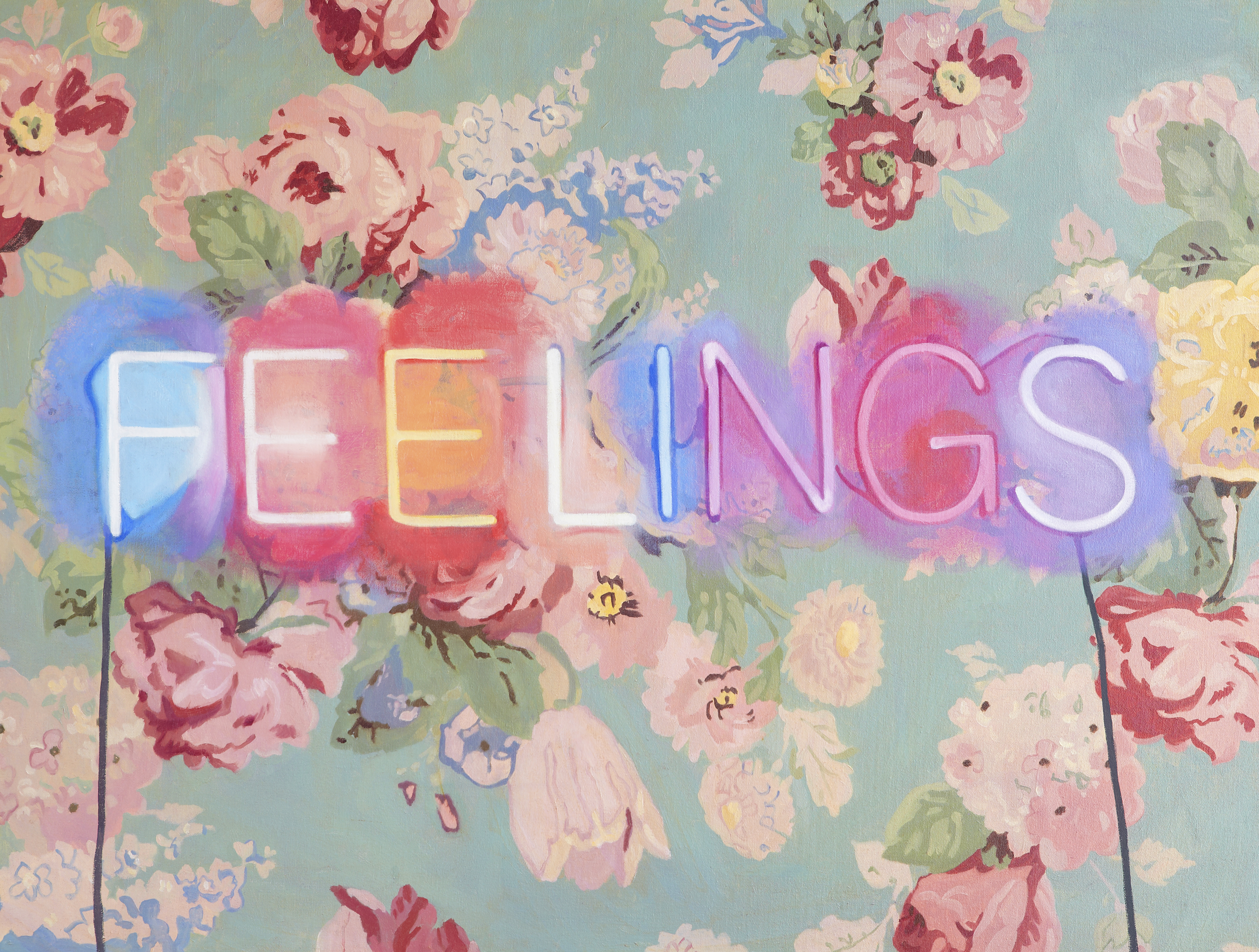
-
- Matthew Miller (MFA 2008, Fellow 2009)
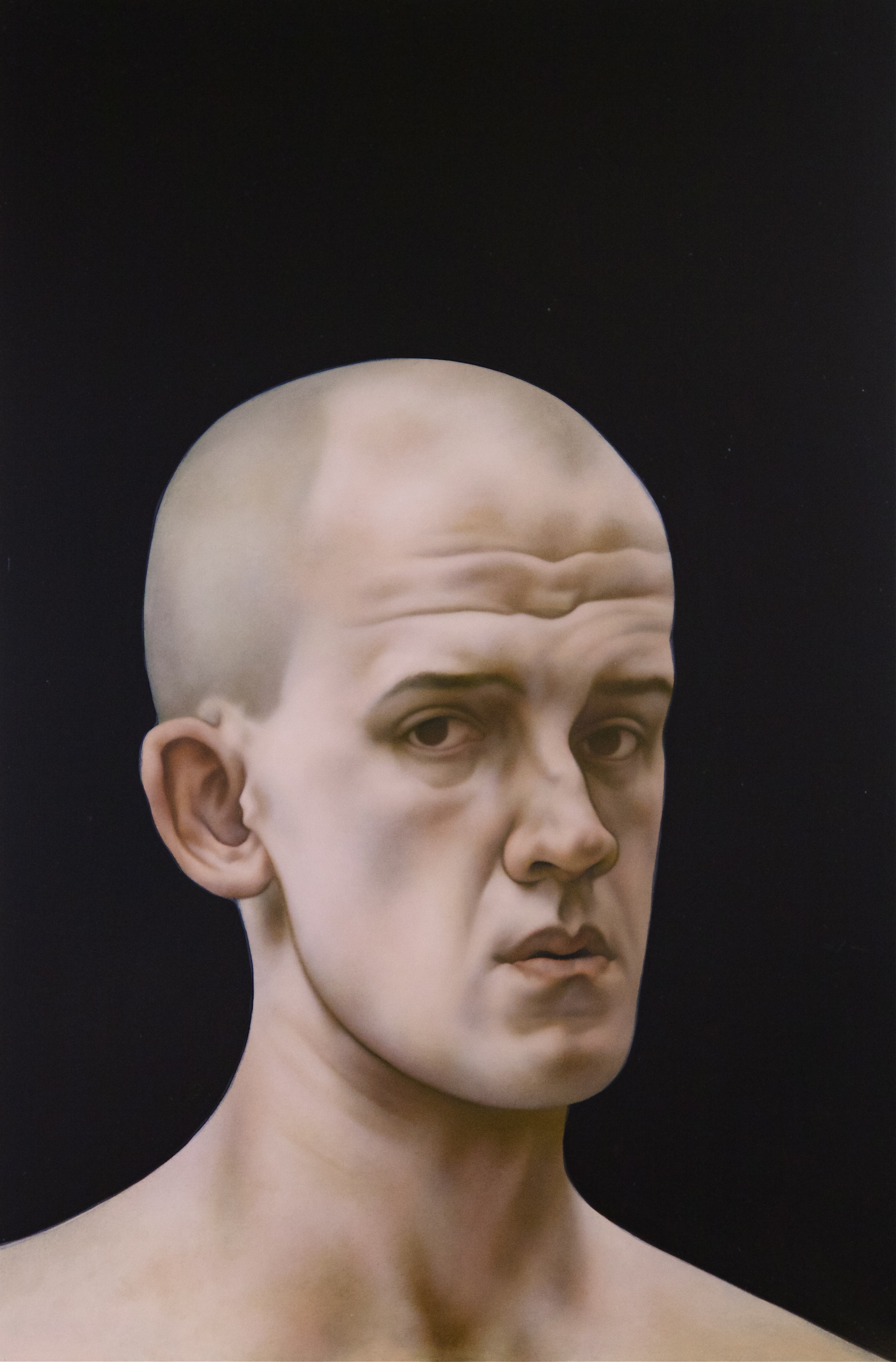
-
- Matthew Miller (MFA 2008, Fellow 2009)
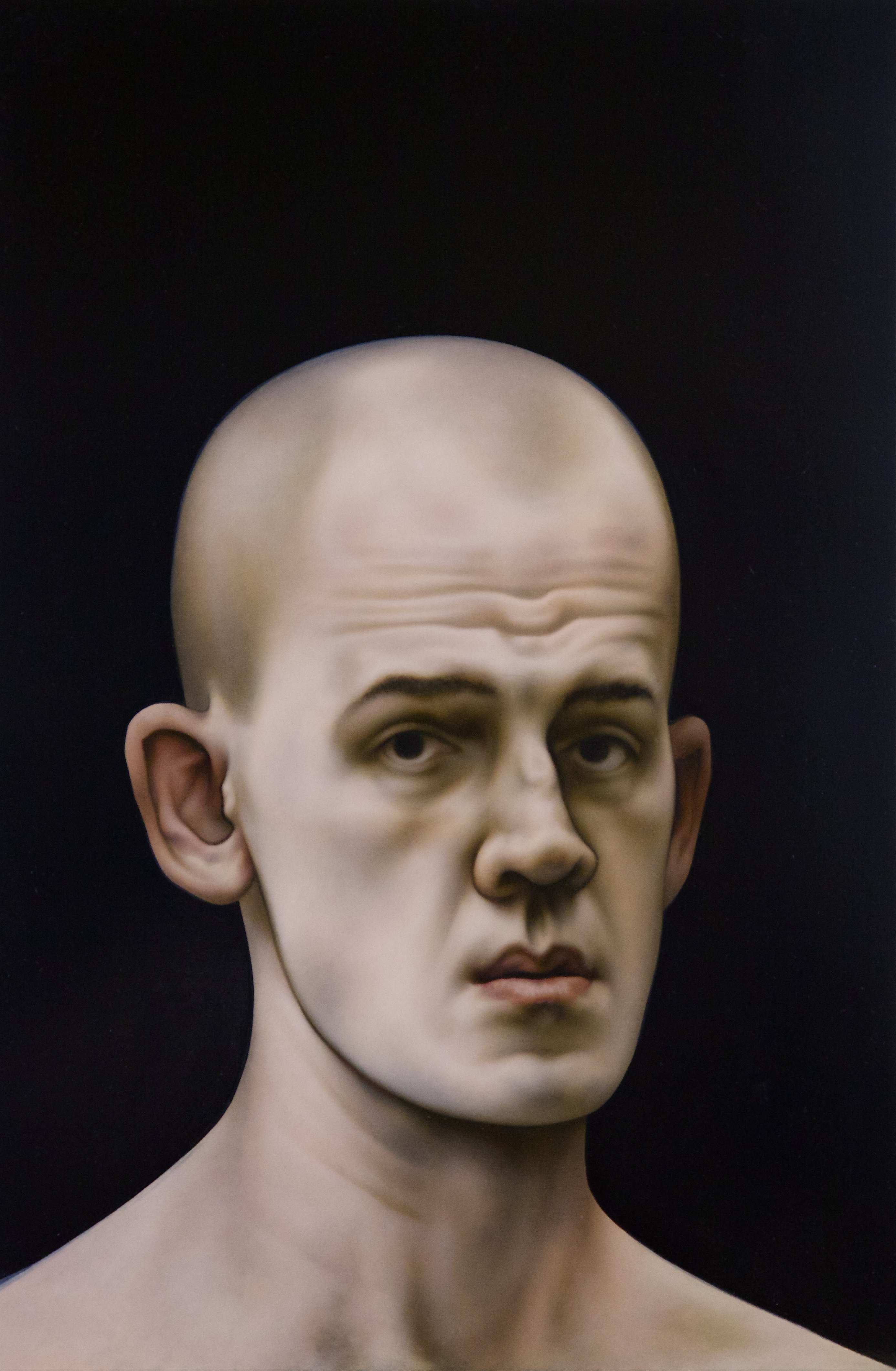
-
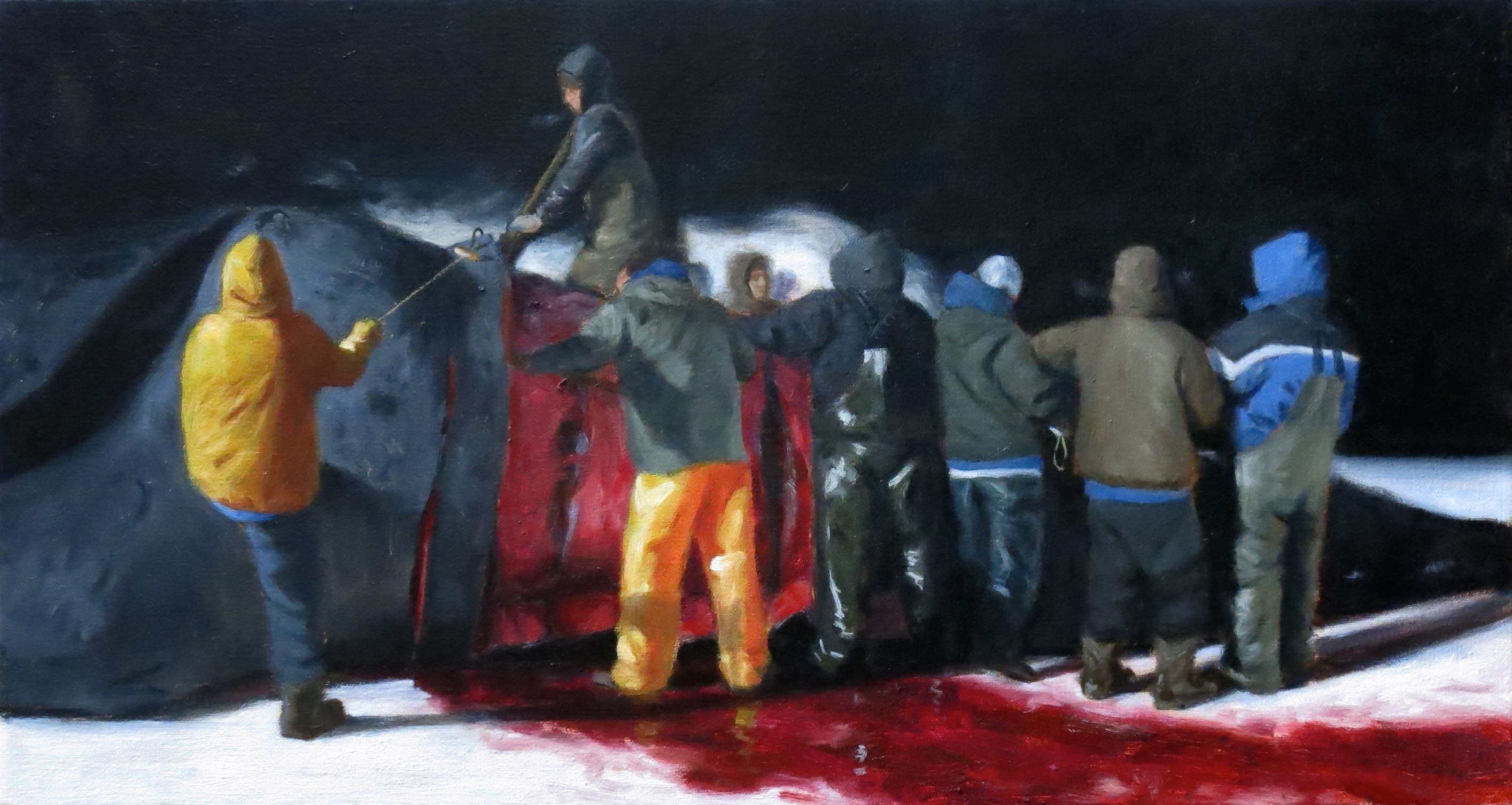
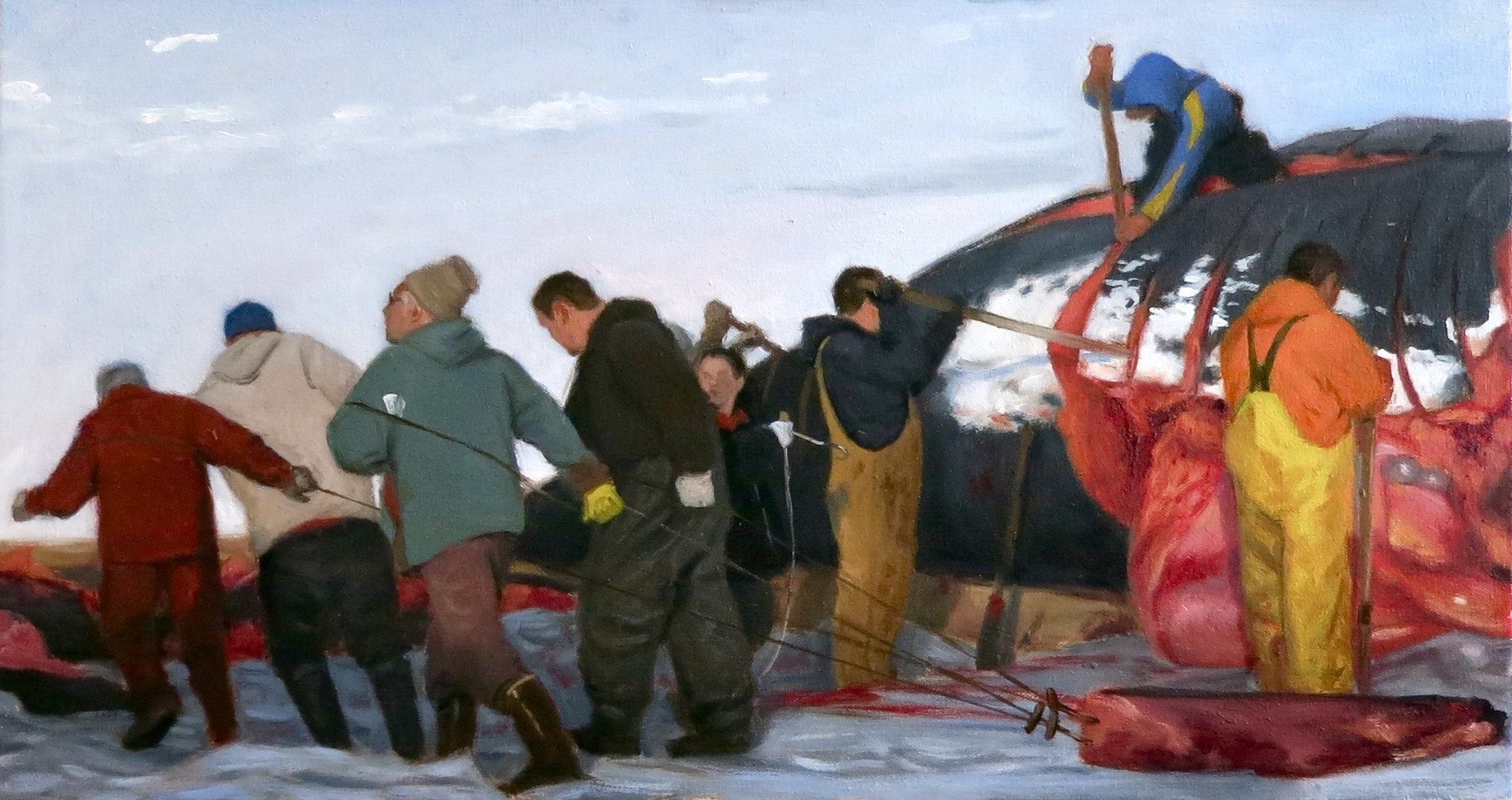
- David Pettibone (MFA 2007, Fellow 2008)
-
- David Pettibone (MFA 2007, Fellow 2008)
City as Studio: Working onsite in Mexico City
When I first came to the New York Academy of Art, one of the things I was most excited about was having my own studio. For the first time, I had a little space where I could work and display all the stuff I made during my first year at school. Having that studio made me feel professional – I woke up in the morning with a sense of responsibility and discipline. But as the year came to an end, with finals safely behind me, I got itchy feet. After all, sudden instances of wanderlust are a part of my personality. So as cozy as my studio may have been, I knew it was time to move on – but not before doing a memorial sketch of my beloved workspace.

And so, to my good fortune, I was given the chance to travel to Mexico City this summer. One month of near-complete freedom in one of the cultural capitals of the world. I am a fairly experienced traveler, but I’d never done something quite like this. But an adventure is an adventure, so I threw my sketchbook and easel in my backpack, and headed south of the border.
My first impression of the city, as my host Stephen Henderson predicted, was “overwhelming.” The dense crowds, noise, and even the smells topped even Canal Street back in NYC. But as I got acclimated, I got the courage to go out and explore – sketchbook in hand. And thus, Mexico City became my new studio.
For the first 10 days I didn’t wander very far from the Centro Historico – the neighborhood I’m staying in. In fact, I estimate I was rarely more than a mile from my apartment. Fortunately, I really didn’t need to go much further than that. The Centro Historico is packed with museums, restaurants, churches, and monuments. Every turn yields a surprise. For the compulsive sketchbook-keeper, there is almost too much to draw, but the subjects around here almost seem to choose you.
Working onsite here is an experience as unique as the city itself. In a way, you become a part of the street life – the shoe-shiners, buskers, beggars, cops, and pedestrians. But with my bulky easel and giant backpack, I attract quite a bit of attention from passers-by. I probably spoke to 50 different people (in my very broken Spanish) while doing a sketch of the Metropolitan Cathedral. Many more came by to look over my shoulder as I worked (in my characteristic cramped, fussy, and overworked style). Observing the Cathedral, on the north side of the big city square, over a period of several days was fascinating. I saw military marches, protests, kite-fliers, and local sanitation workers napping in the shade of the giant flagpole. Perhaps my small sketch doesn’t quite capture all that excitement, but at least I have the memory of that space preserved in a drawing.

I have also started a sketch of the church behind the Plaza Loretto – a small park next to my apartment building. I have more solitude on the rooftop, although the local kids often come up to visit me as I work. But this sketch, as well as many others I have done so far, has been a challenge due to the weather. The days are sunny for the most part, but thunderstorms come along almost every day during the rainy season in Mexico. The light in my painting is perfect at noon on a clear day, but clouds on the horizon mean I need to be ready to pack up my easel at a moment’s notice.

But despite the sunburn and tricky weather patterns, every second I get to work from life down here is priceless. Those little moments, preserved in my sketchbook, tell the story of my travels in Mexico City, a story that is still unfolding. And with 15 days left before I have to go back home, there are plenty of new places to explore in my studio.
Istanbul Residency, Part 1
 |
| Terrace view from the female´s residence |
Today is my third day in Istanbul. So far we’ve immersed ourselves in the culture through walking, eating, visiting, observing, and exploring. We are feeling better and happier with each day that passes. As expected, the jet lag has hit us hard, but the magical energy of the city has filled us with the vitality to create.
 |
| Street near our apartment |
We are still overwhelmed by the layout and size of Istanbul and have even resorted to old school paper maps and guidebooks to help us explore the city’s incredible sights.

Having only been here for 72 hours, our eager explorations have given us the feeling that we have been here longer.
 |
| Our studio |
 |
| Drawing displaying at a gallery |
Some of the highlights consist of walking around our neighborhood (Beyoglu, part of the European side of Istanbul), trying delicious traditional Turkish dishes, visiting a few galleries in the area, riding the ferry on the Bosphorus River, and touring our stunning studio building.
 |
| Bosphorus ferry trip |
I’m writing this post from the terrace of my residency mate’s residence that has breathtaking views of the Bosphorus River (which divides Europe and Asia).
 |
|
Mimar Sinan Güzel Sanatlar Üniversitesi . Location of our studio.
|
 |
| Us 🙂 |
While my colleagues diligently work on their diverse self-directed projects, the air is filled with beautiful mosque whisperings, creating a unique soundtrack to this perfect sunny day. Special thanks to the New York Academy of Art, our host Ali Kerem Bilge and Mimar Sinan Güzel Sanatlar Üniversitesi for making this possible.
Leipzig Works in Progress, Part 2
Leipzigian Time Travel
Spurning the Spinnerei; Berlin Bound by Adam Lupton
Leipzig Residency Update from Adam Lupton (MFA 2016)
One of the great things about being in Leipzig is that – as with all of Europe – you’re close to so many other amazing cities, countries, and cultures. This past weekend we decided to head up to Berlin to experience what “New” New York had to offer and also to take in Hazmat Modine – NYAA’s very own Wade Schuman and his talented band!
Marcello, Valerie, and I gallantly set off early Friday morning for the two-hour trip North. I always enjoy taking trains and buses (particularly in Europe) as coming from the West Coast driving was much more standard fare. Being able to gaze out the windows at the passing countryside, alone with your thoughts, is such a peaceful and relaxing way to travel and think.
Thankfully, having been to Berlin before, I remembered the main parts of the city, and was able to steer us in the right directions to our apartment, as well as our second destination: beer and lunch! There’s nothing better in Germany than getting a bite on a bustling street patio, while sipping a fine German beer in the summer sun.
 |
| Pratergarten, Berlin’s oldest beer garden |
Our first day consisted a lot of just that: sunshine and beer. We also walked over and visited a nearby section of the Berlin Wall – it always grounds you in a way that only the past can. It’s a very strange dichotomy that exists in Berlin: this wealth of terrible history and scarring surrounded and built upon with beautiful art and culture. A walk to and through dinner and bars for the night lead us to Pratergarten, Berlin’s oldest beer garden of about 150 years! The size of this place alone would put most places in New York to shame, and all for a lowly outdoor drinking venue.
Our second day consisted of a marathon of walking and a semester’s worth of history. A jaunt through town led to checking in on street markets and scrawls of street art, over the Spree and around the massive Cathedral Church to the Old National Gallery; a place of worship to old dead artists. Knowing they had an amazing permanent collection was reason enough to go, but finding out they had an Impressionist and Expressionist exhibit happening was icing on the cake. Suffice to say, they had a remarkable collection. All three of us were blown away by their German painters collection, as we only got more and more mesmerized as we went. Corinth, Menzel, Casper David Friedrich, Liebermann, Monet, Manet, and so many more assaulted our senses and left us craving to get back to Leipzig to paint again. One of the fun things about seeing art in person for me is getting really close and understanding the brushwork employed by the artists. I normally get told to move back from the paintings (I get that close), but in this museum they had an alarm system that beeped annoyingly at you when you got too close. I had never seen that before.
 |
| A wealth of history in Berlin |
After the museum we strolled further south to Checkpoint Charlie (one of the best known crossing points between East and West Berlin when the wall was up) and then on to an outdoor exhibition at the Topography of Terror that chronicles the rise and fall of Nazi Germany in Berlin. It’s a very honest and sobering display that leaves no stone unturned to keep the past remembered today. After some currywurst (German street food consisting of a sausage drenched in curry ketchup over french fries), we walked through the Holocaust Memorial: giant outdoor pillars built on a sloping ground, so that the further you go into it the higher the pillars get, at a time reaching 12 feet overhead and completely minimizing you in your surroundings. It’s a very emotionally engaging place, both in memorializing and in the physical presence of the piece and you. We ventured home past the Brandenburg Gate and the Reichstag building to round out or history sights for the day. Another nice night of dinner and dancing and absinthe put to bed day two of our adventure.
 |
| East Side Gallery, the largest intact section of the Berlin Wall, which is covered in murals |
Our final day in Berlin dealt more walking (a familiar pattern when traveling), as this time we took a walking tour through the less touristy sights of Berlin: graffiti alleys, the East Side Gallery (the largest section of the Berlin Wall intact covered with murals), talks of gentrification on the Spree from artists versus corporations, a Jamaican outdoor beach bar, artist squats, a tree house in the middle of streets that a guy built when the wall went up and still lives in today, and a quick rundown of how Berlin came to be such an artistic hub that was all packed in to our three hour excursion. We chowed down some tasty falafel nearby (a large Turkish population in Berlin), and then set off for the night to see Hazmat Modine!
 |
| Hazmat Modine played a phenomenal show |
We arrived early at the venue to make sure we got a good spot, and slowly, but surely the room started to fill. It was great to see the show sold out to a near 200 person crowd, especially when Wade walked out on stage to start the introductions and the crowd erupted into whooping and hollering! We had no idea he was such an international rockstar. Hazmat Modine played a phenomenal show: they have such a vibrant energy due to their large ensemble, and with Wade leading the charge: chatting sporadically with the audience with everyone either laughing or vibing out to the grooves. If you haven’t seen a show of theirs, you must partake. We were able to catch up with Wade after the show (and after he signed all his autographs), and were introduced to the band and had a pleasant conversation for the rest of the night. As they were still in the midst of their touring operation, they had to skedaddle pretty quickly, so we thanked them for the amazing time and left to traipse our way home.
As Monday morning rolled around, and the effects of our weekend in Berlin beginning to kick in, we quietly made our way back to the bus and back to Leipzig. All a bit tired, a bit drained, a bit more cultured, but steadfastly ready to get back and venture into our next projects.