2013 Fellows Exhibition
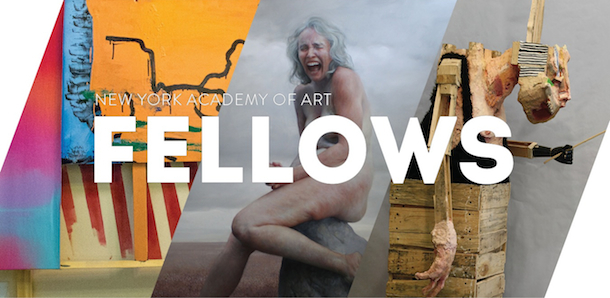
Featuring the 2013 Post-graduate Fellows: Jonathan Beer, Aleah Chapin, and Nicolas Holiber.
-
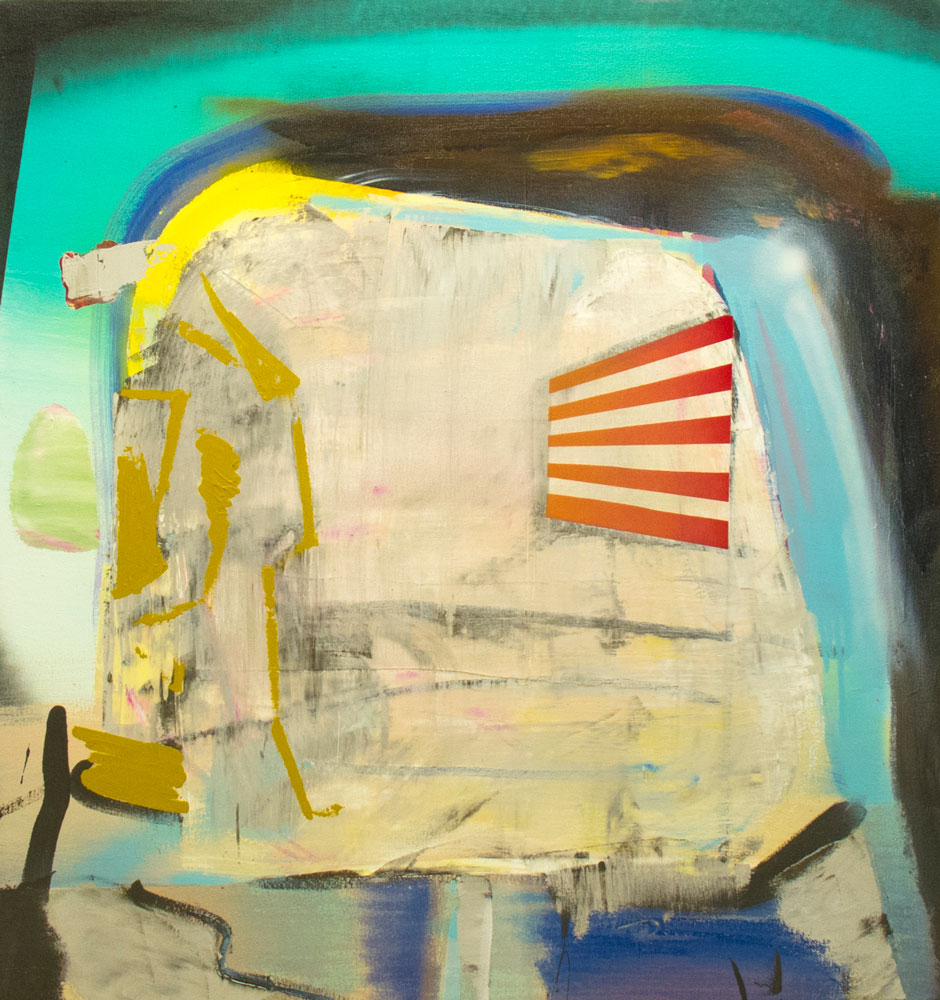
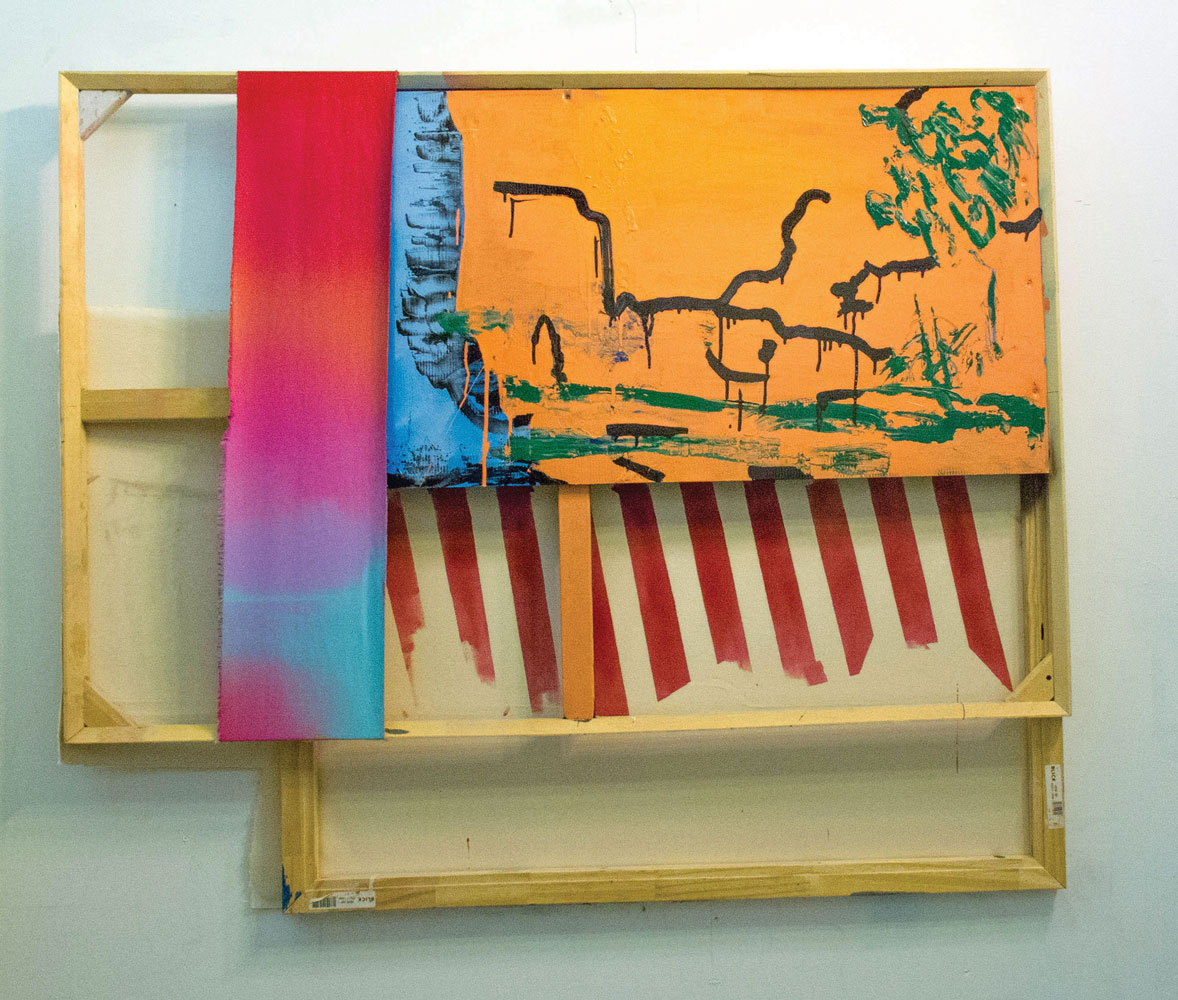
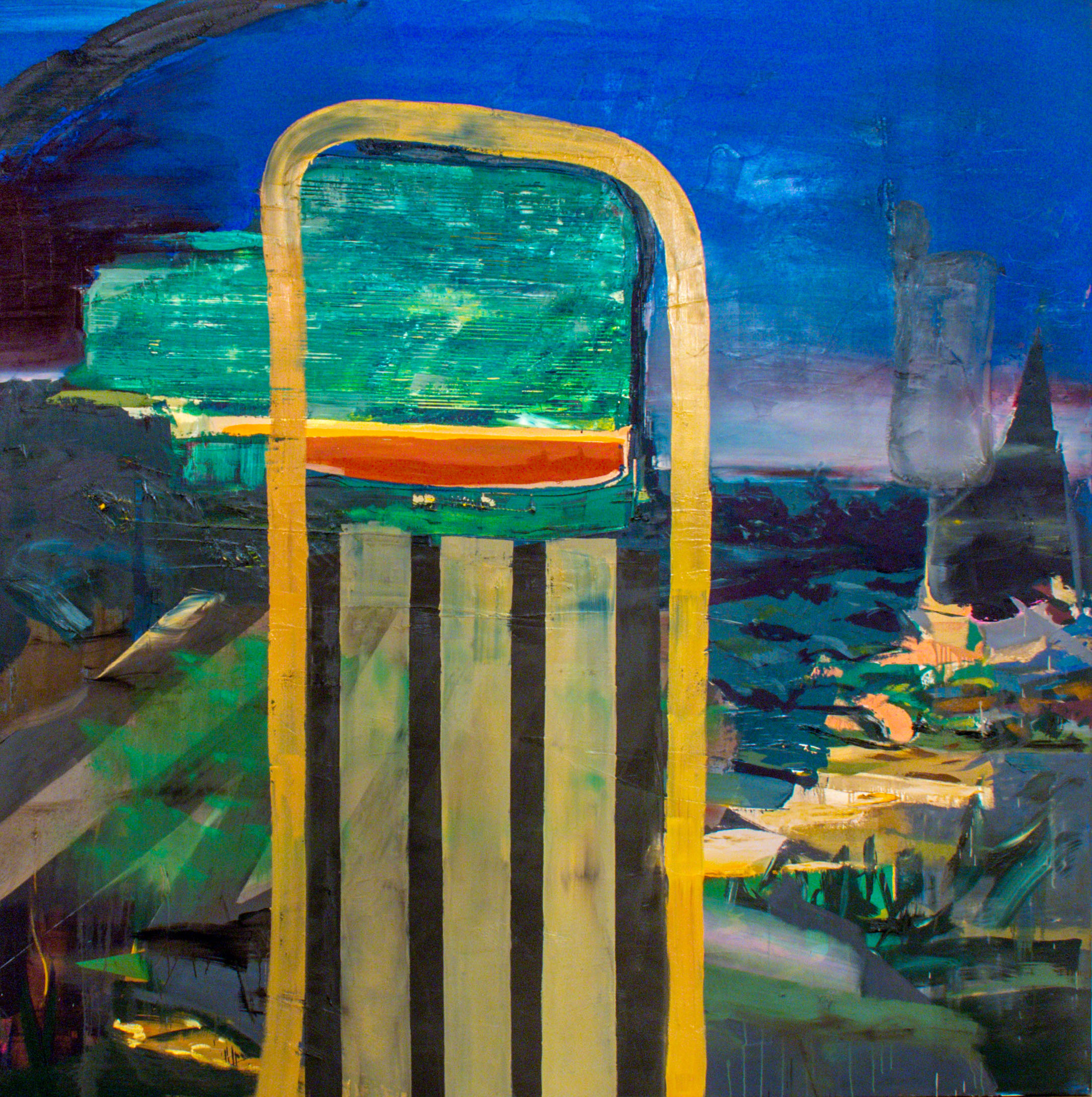
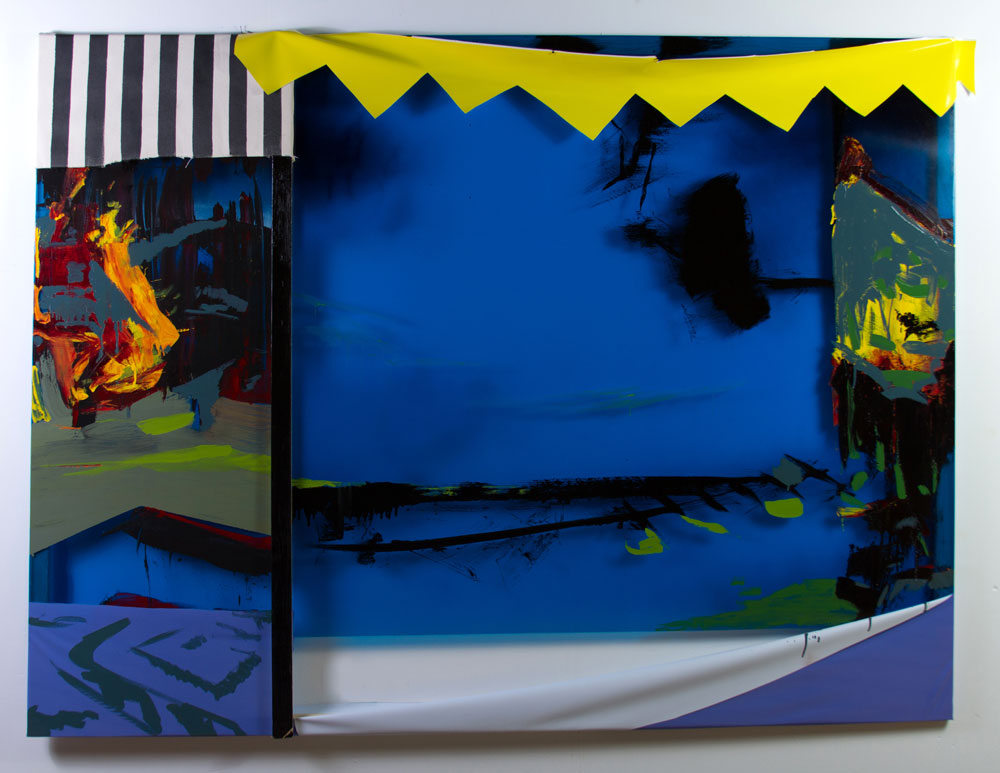
- Jonathan Beer (MFA 2012, Fellow 2013)
-
- Jonathan Beer (MFA 2012, Fellow 2013)

-
- Jonathan Beer (MFA 2012, Fellow 2013)
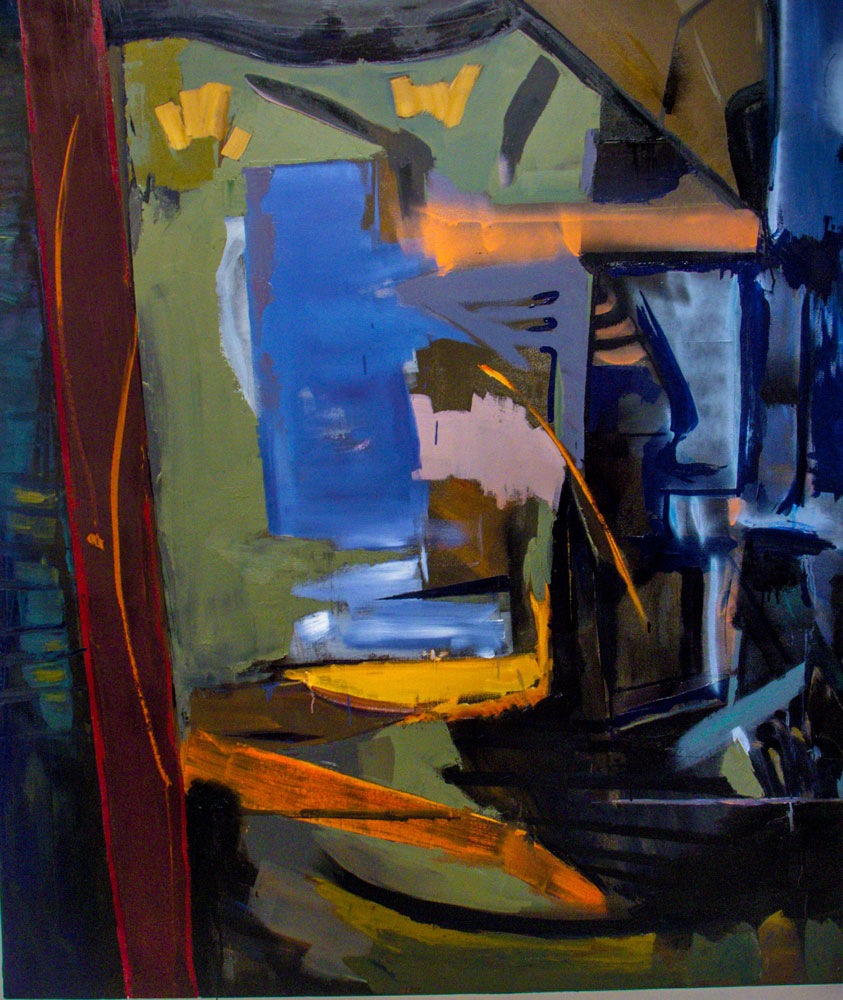
-
- Jonathan Beer (MFA 2012, Fellow 2013)
-
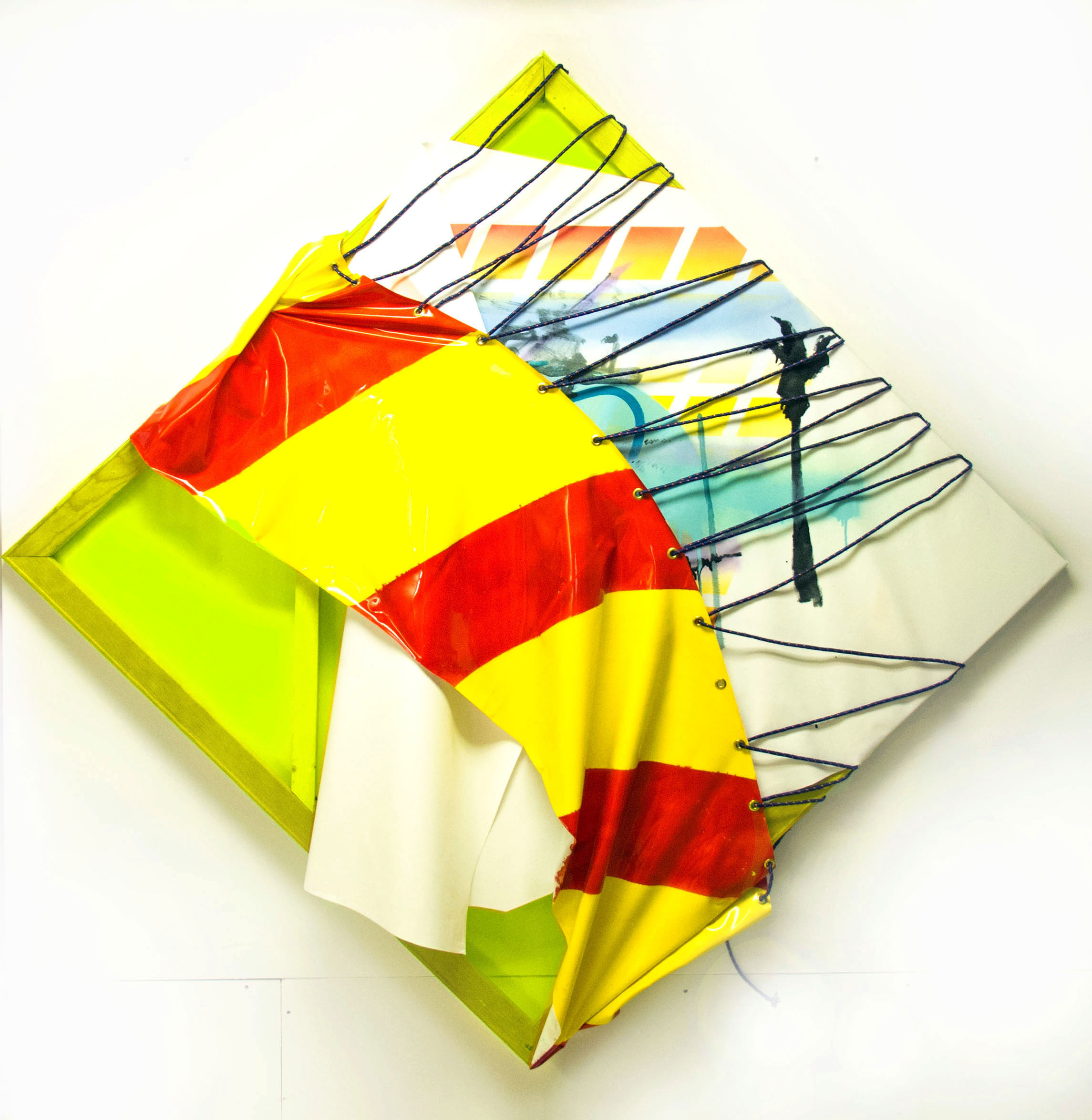
- Jonathan Beer (MFA 2012, Fellow 2013)
-
- Jonathan Beer (MFA 2012, Fellow 2013)
-
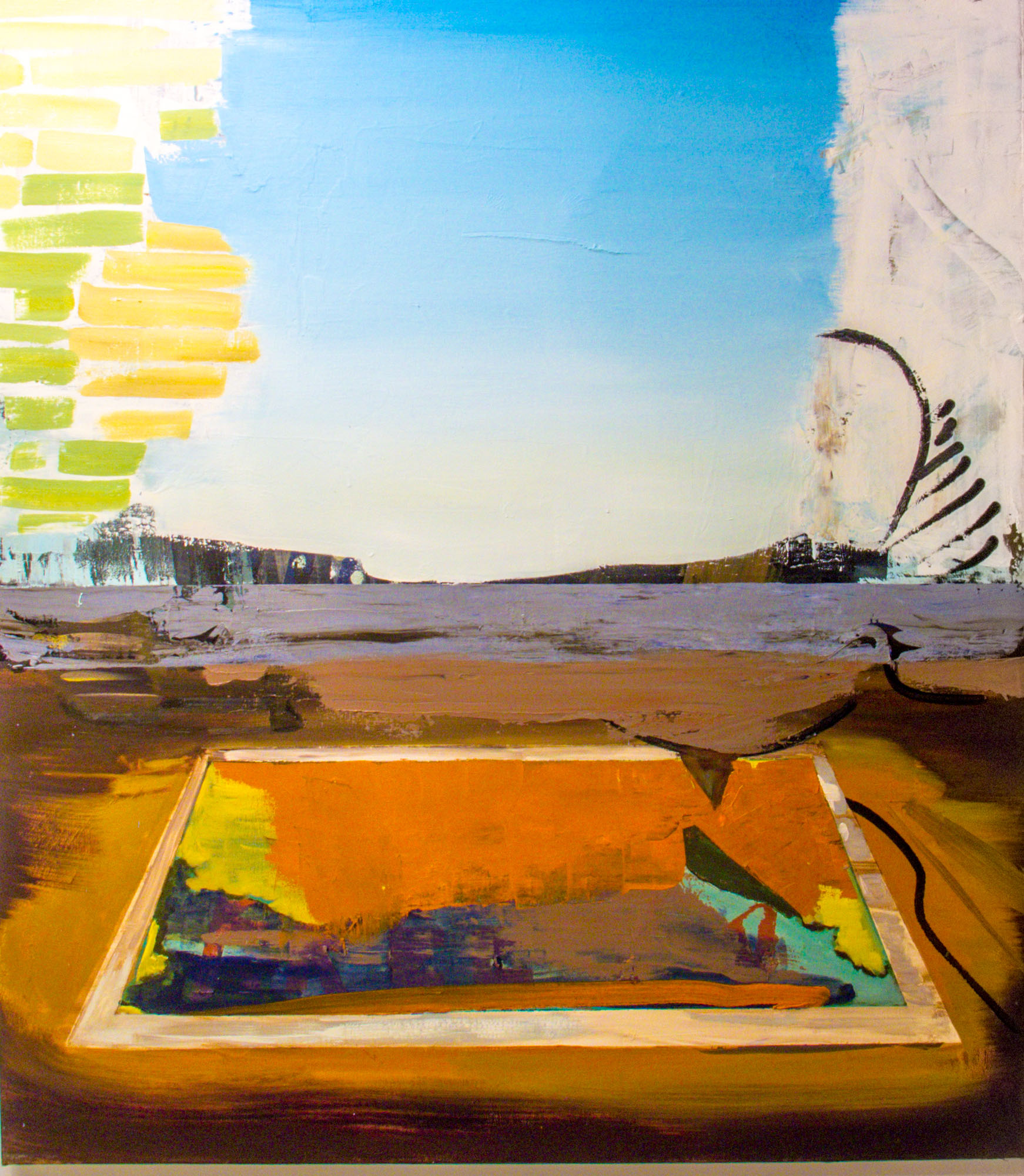
- Jonathan Beer (MFA 2012, Fellow 2013)
-
- Jonathan Beer (MFA 2012, Fellow 2013)
-
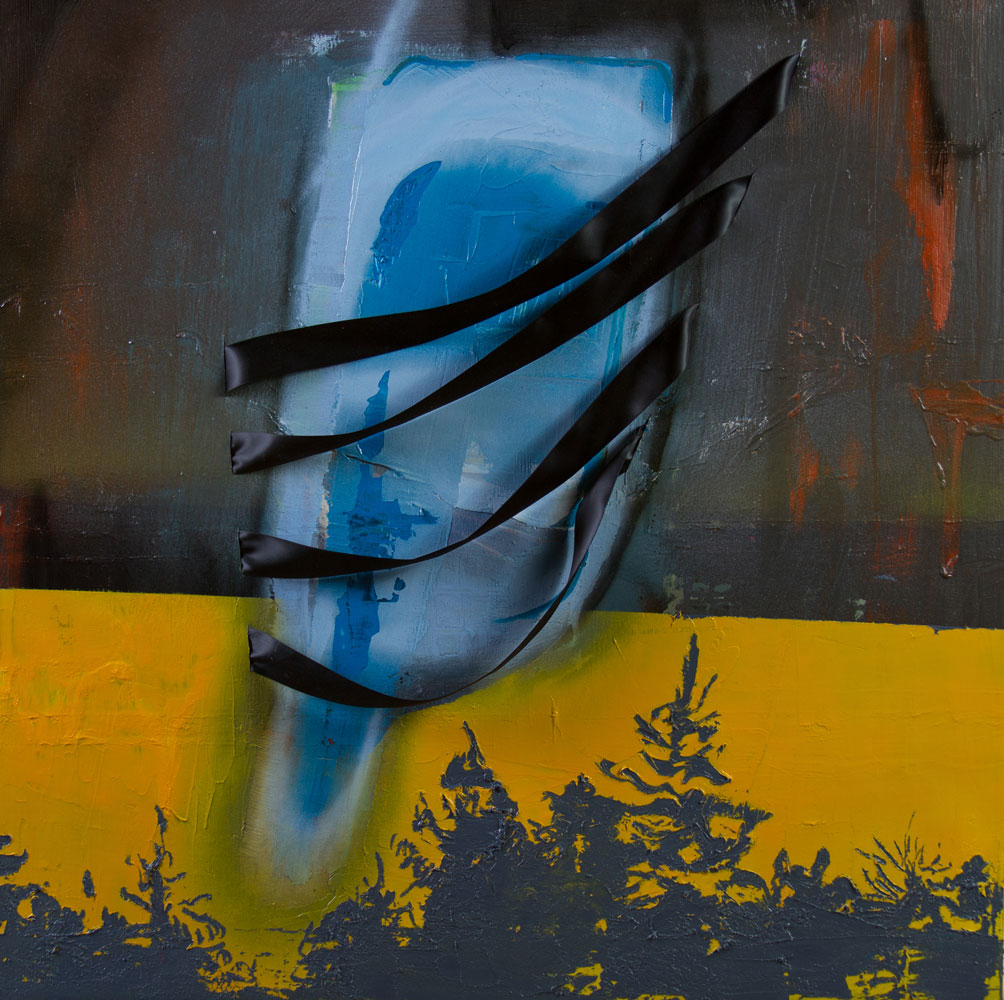
- Jonathan Beer (MFA 2012, Fellow 2013)
-
-
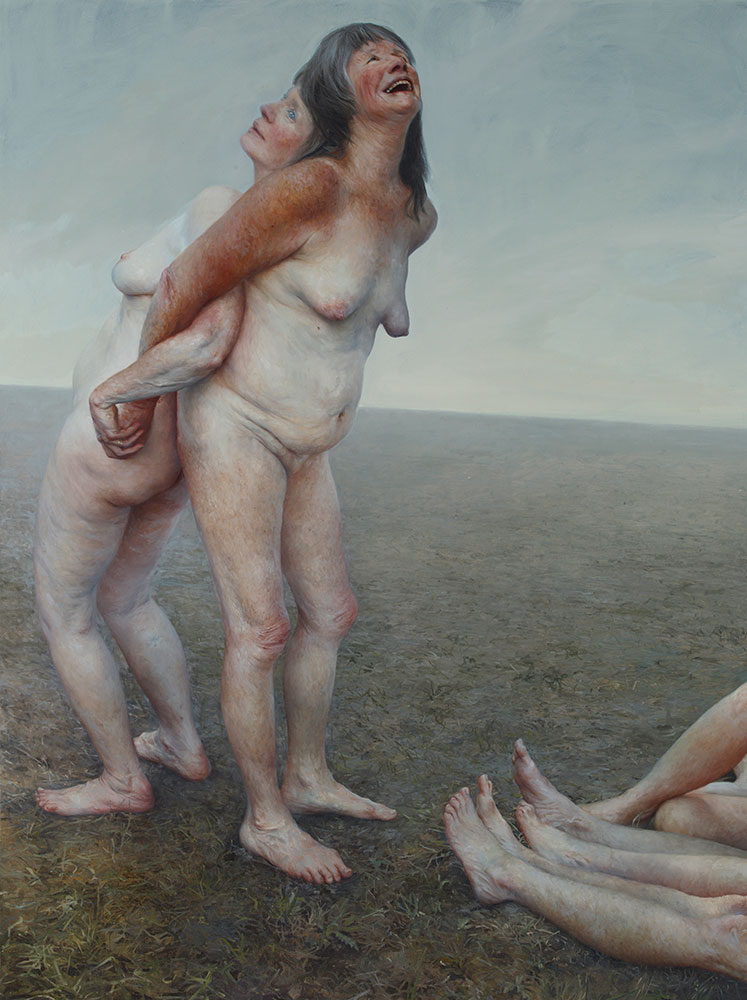
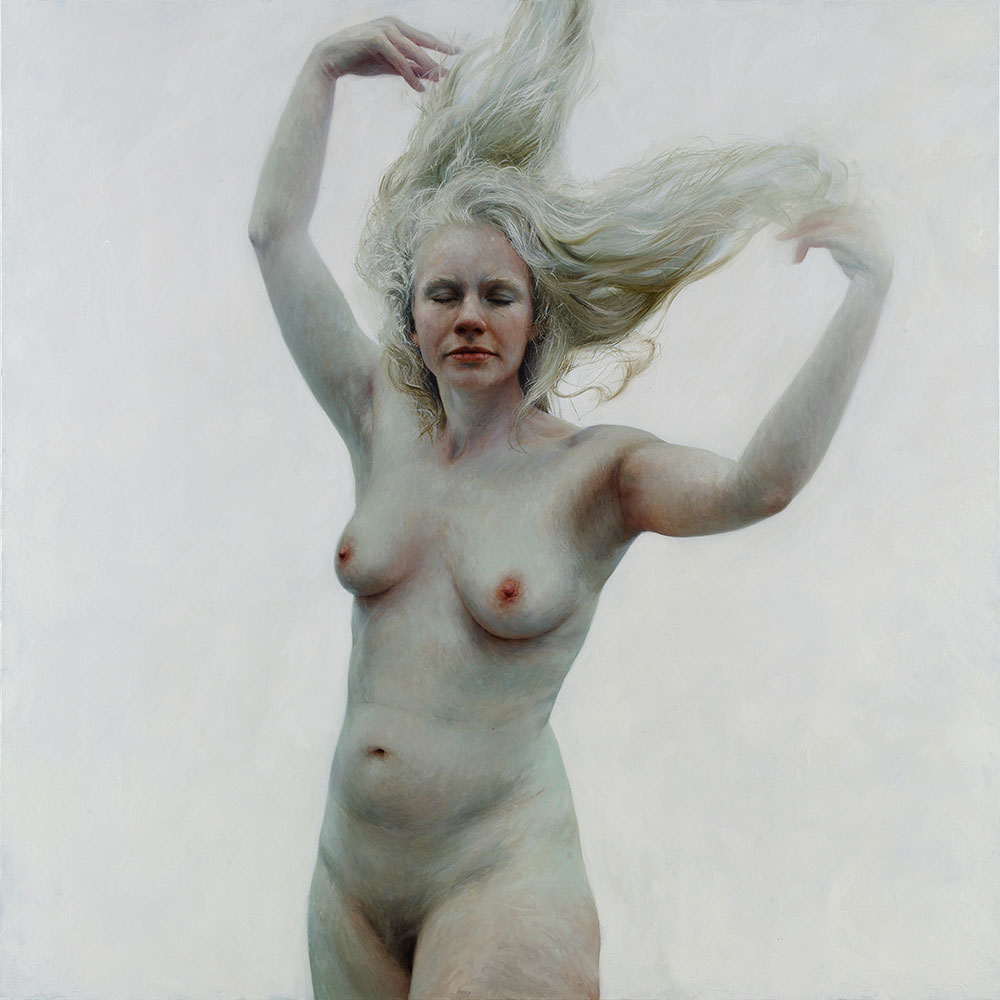
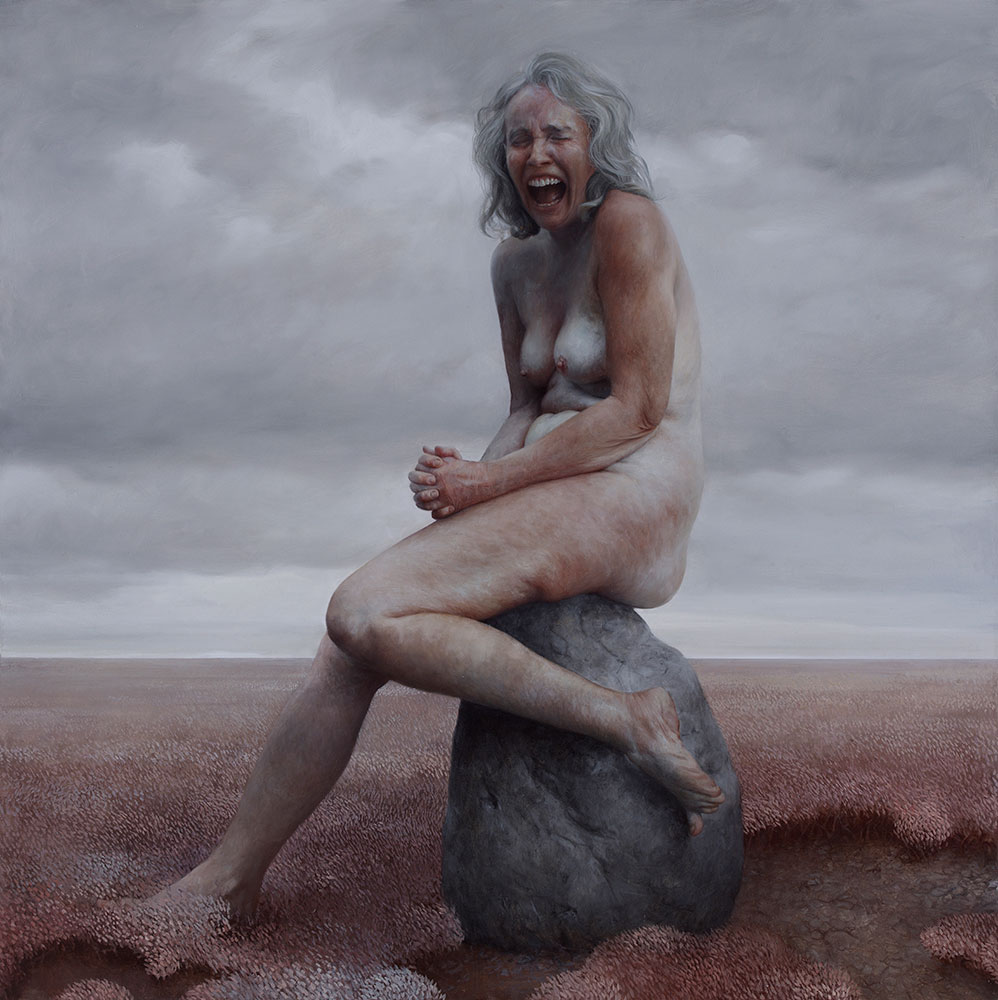
Aleah Chapin
MFA 2012, Fellow 2013
-
- Aleah Chapin (MFA 2012, Fellow 2013)
-
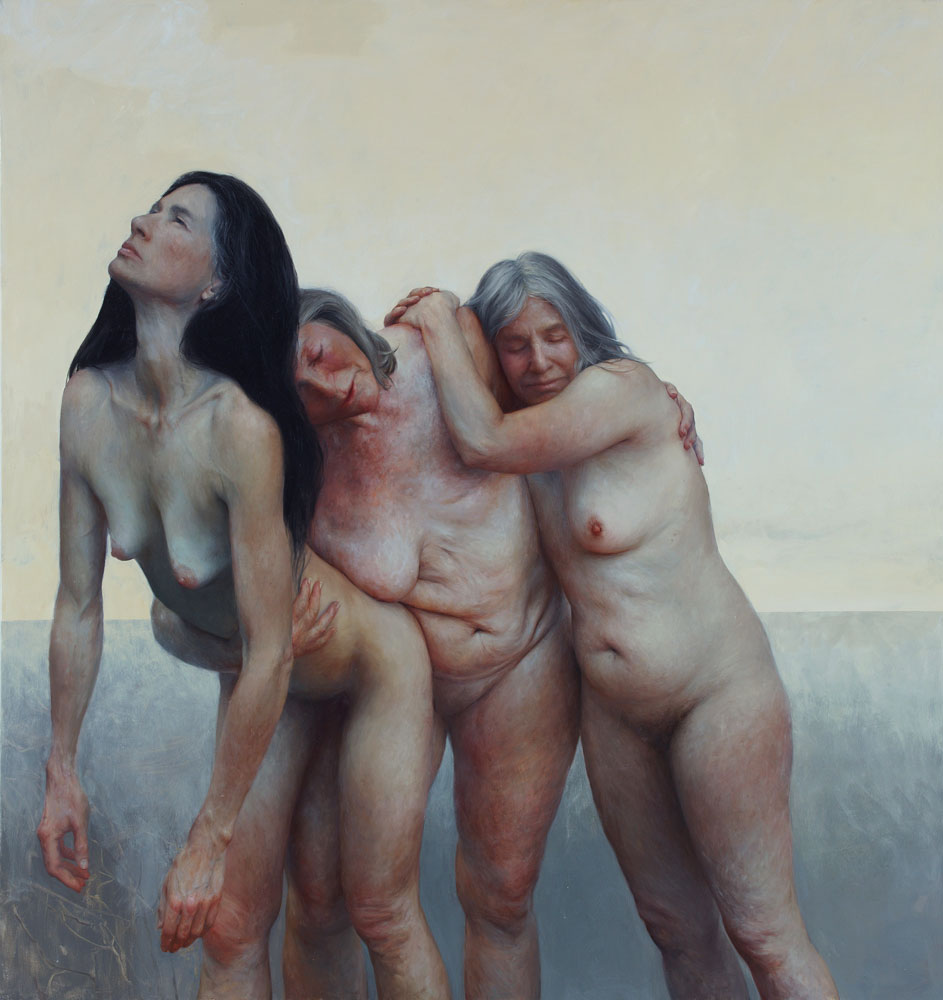
- Aleah Chapin (MFA 2012, Fellow 2013)
-
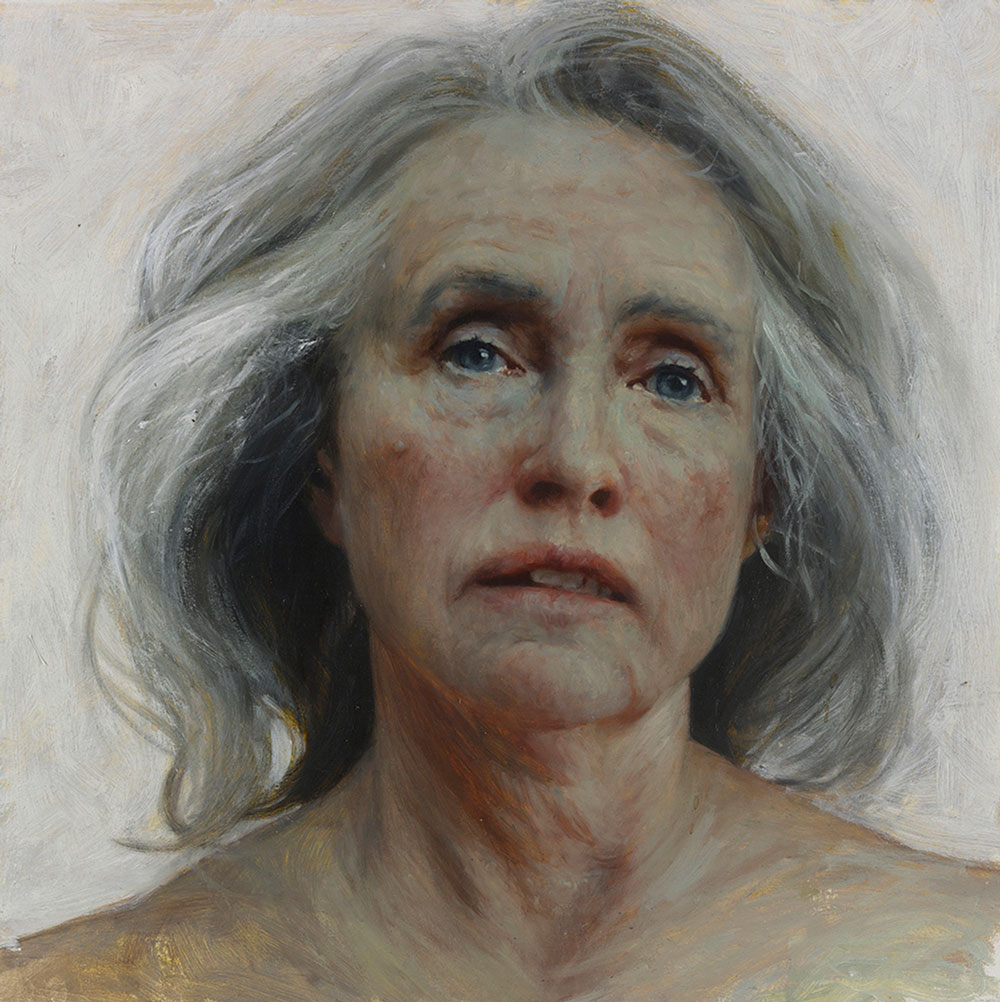
- Aleah Chapin (MFA 2012, Fellow 2013)
-
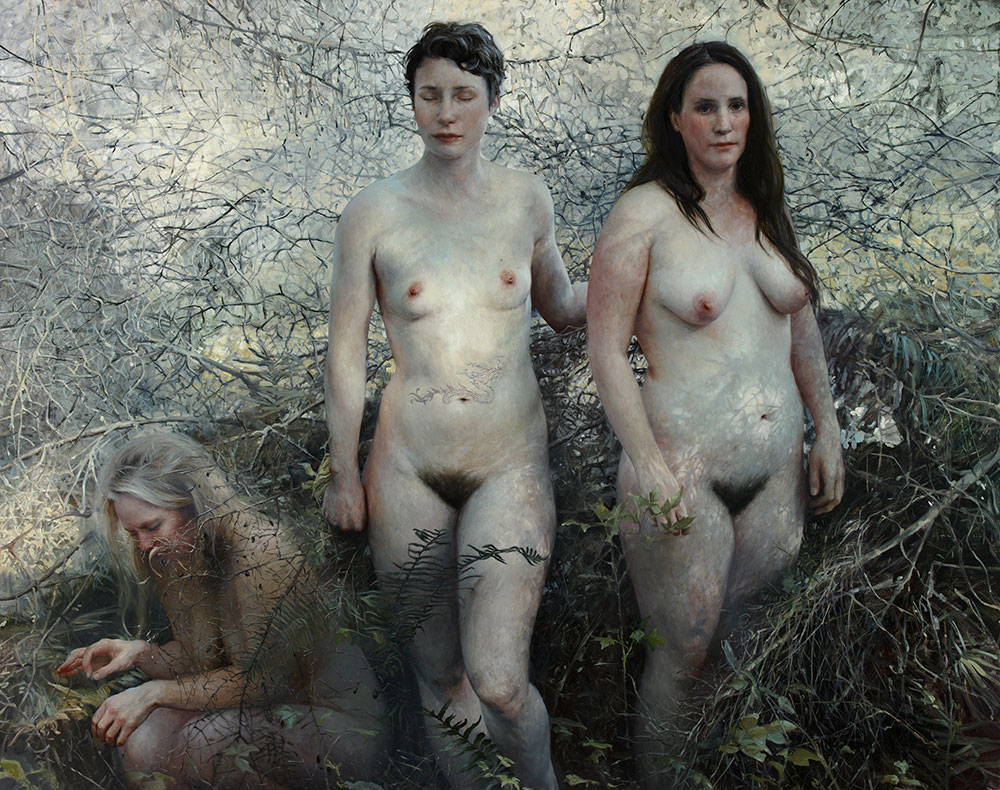
- Aleah Chapin (MFA 2012, Fellow 2013)
-
- Aleah Chapin (MFA 2012, Fellow 2013) and Nicholas Holiber (MFA 2012, Fellow 2013)

-
- Nicolas Holiber (MFA 2012, Fellow 2013)
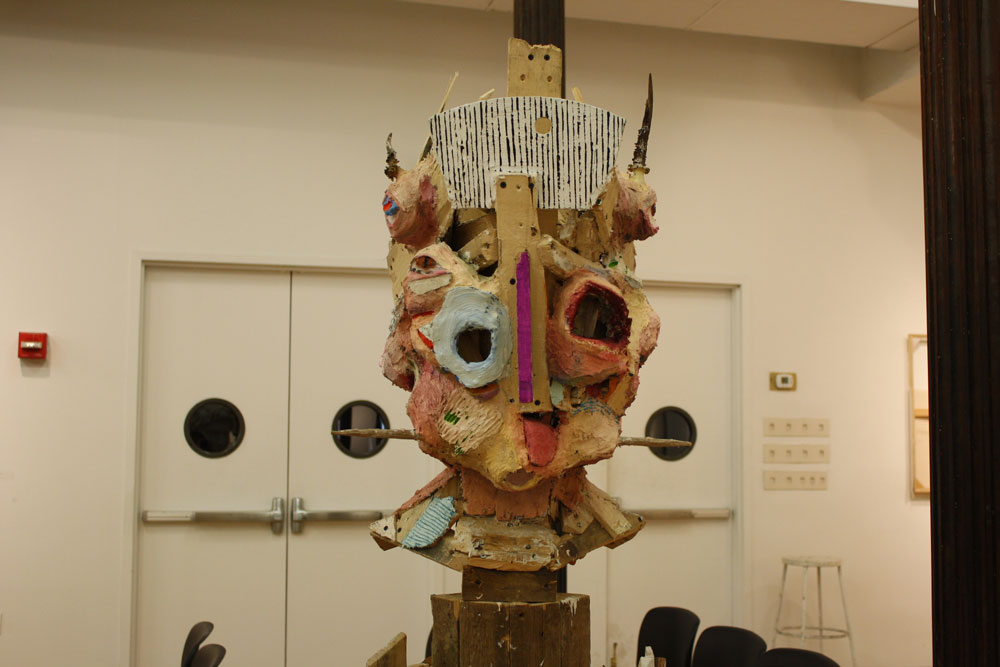
-
- Nicolas Holiber (MFA 2012, Fellow 2013)

-
- Nicolas Holiber (MFA 2012, Fellow 2013)
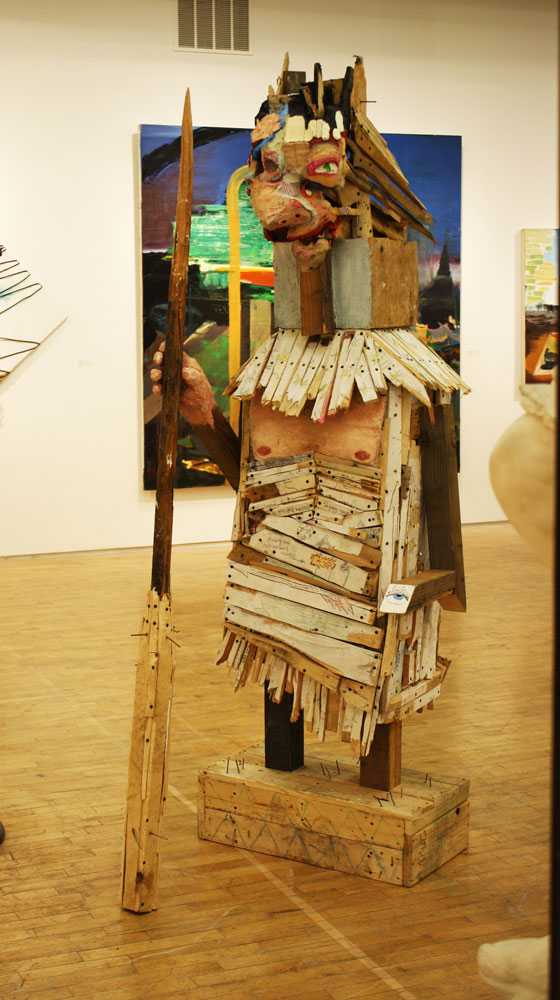
-
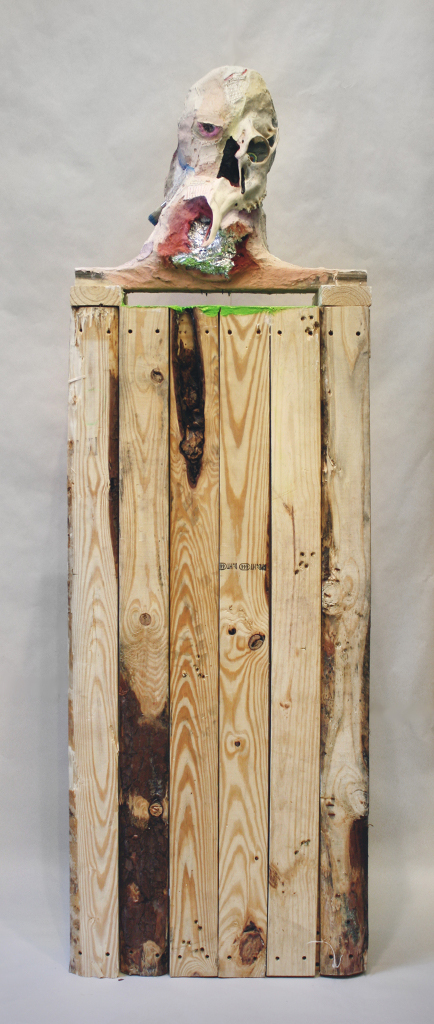
- Nicolas Holiber (MFA 2012, Fellow 2013)
-
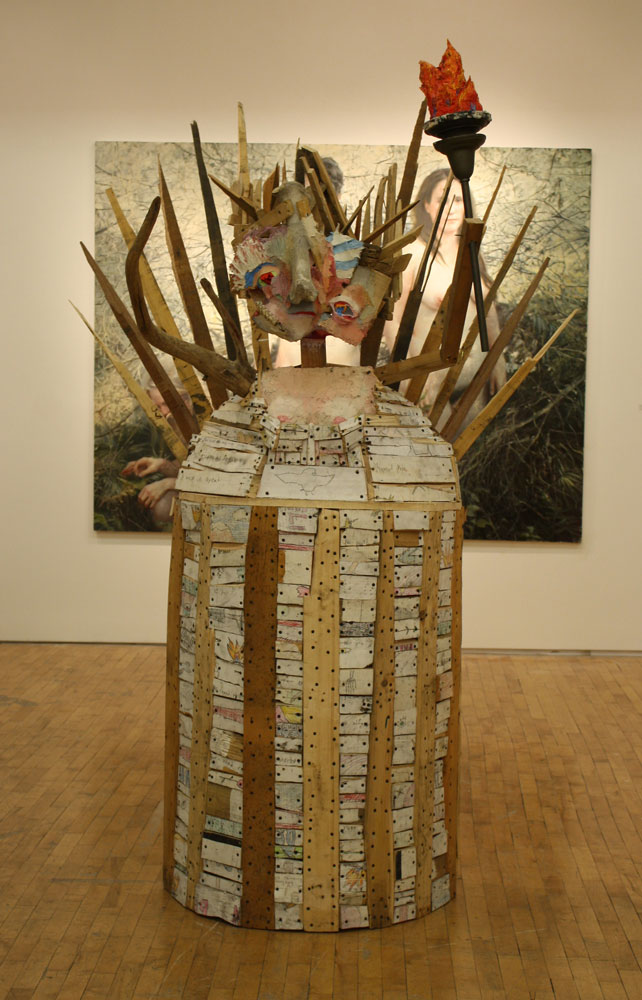
- Nicolas Holiber (MFA 2012, Fellow 2013)
-
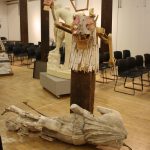
- Nicolas Holiber (MFA 2012, Fellow 2013)

-
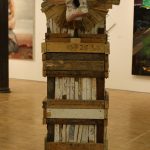
- Nicolas Holiber (MFA 2012, Fellow 2013)

-
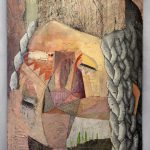
- Nicolas Holiber (MFA 2012, Fellow 2013)
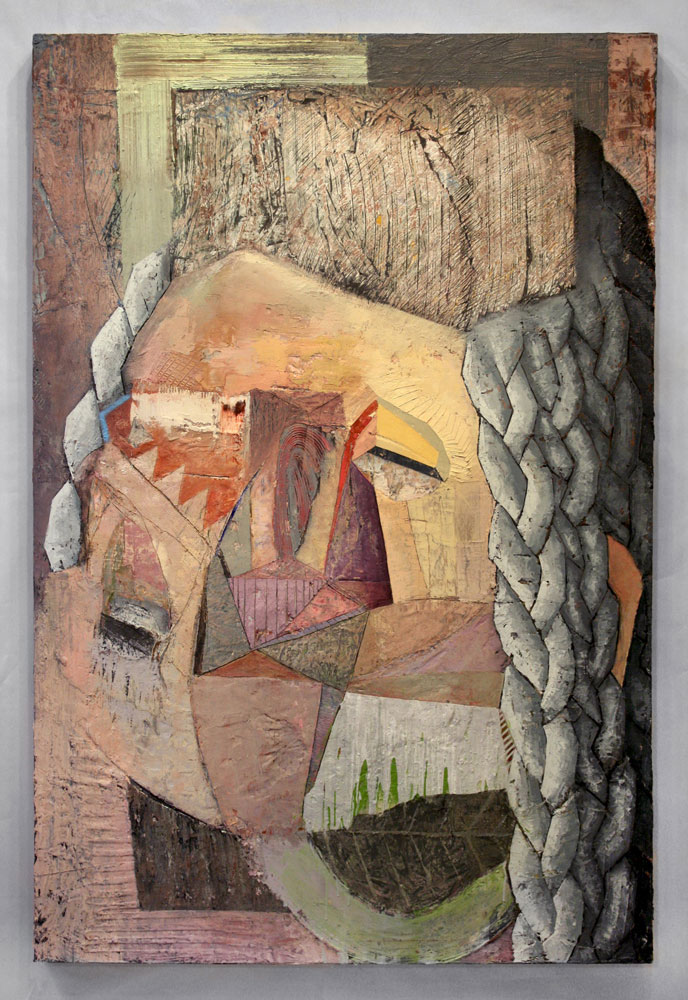
-
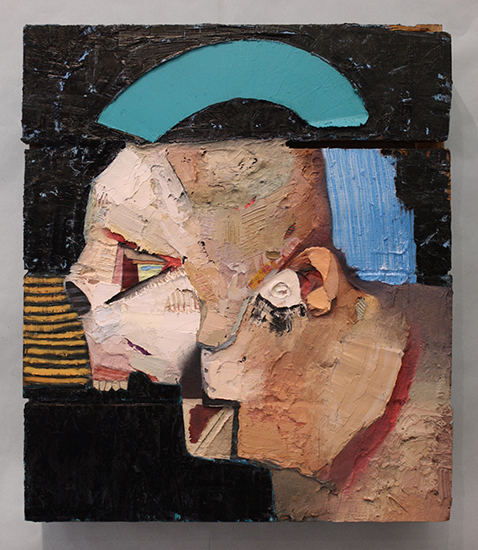
- Nicolas Holiber (MFA 2012, Fellow 2013)
-
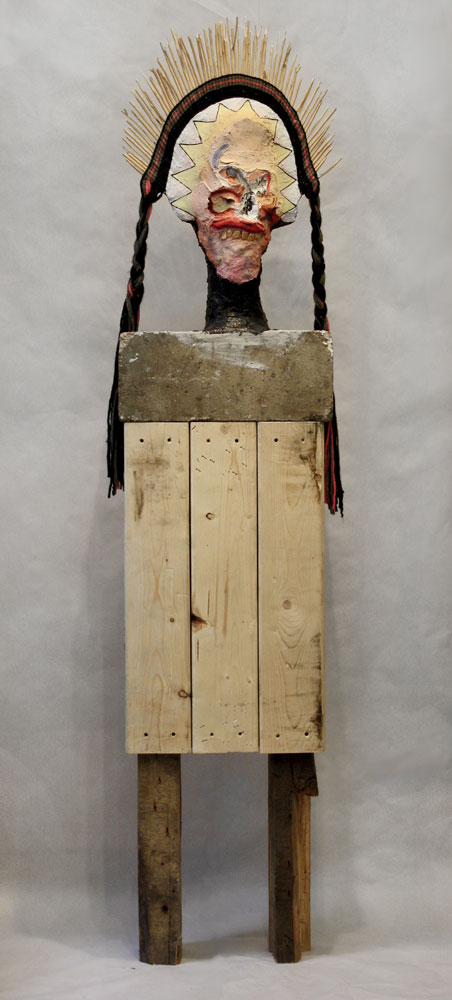
- Nicolas Holiber (MFA 2012, Fellow 2013)
-
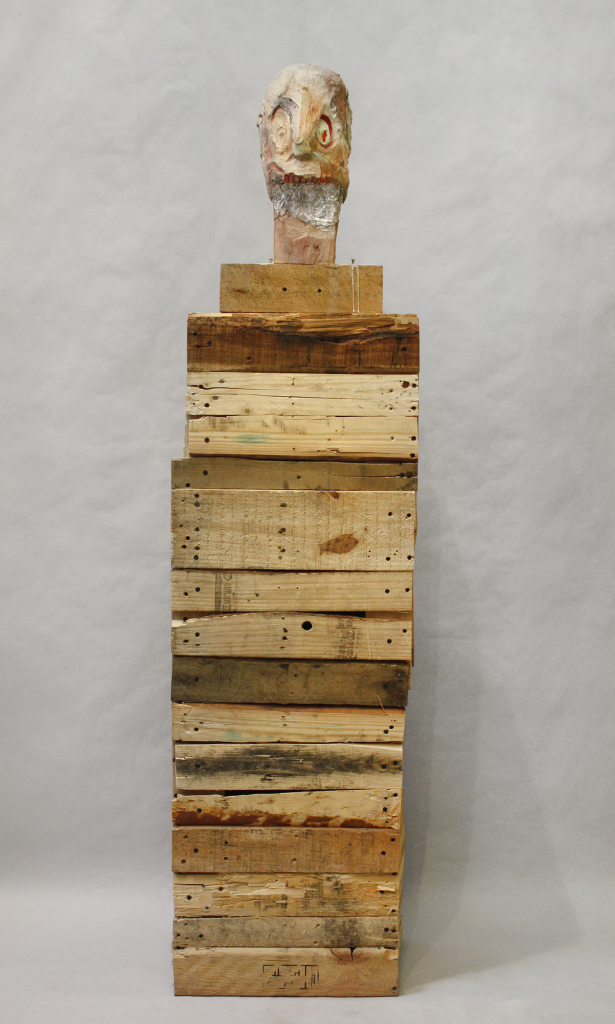
- Nicolas Holiber (MFA 2012, Fellow 2013)
-
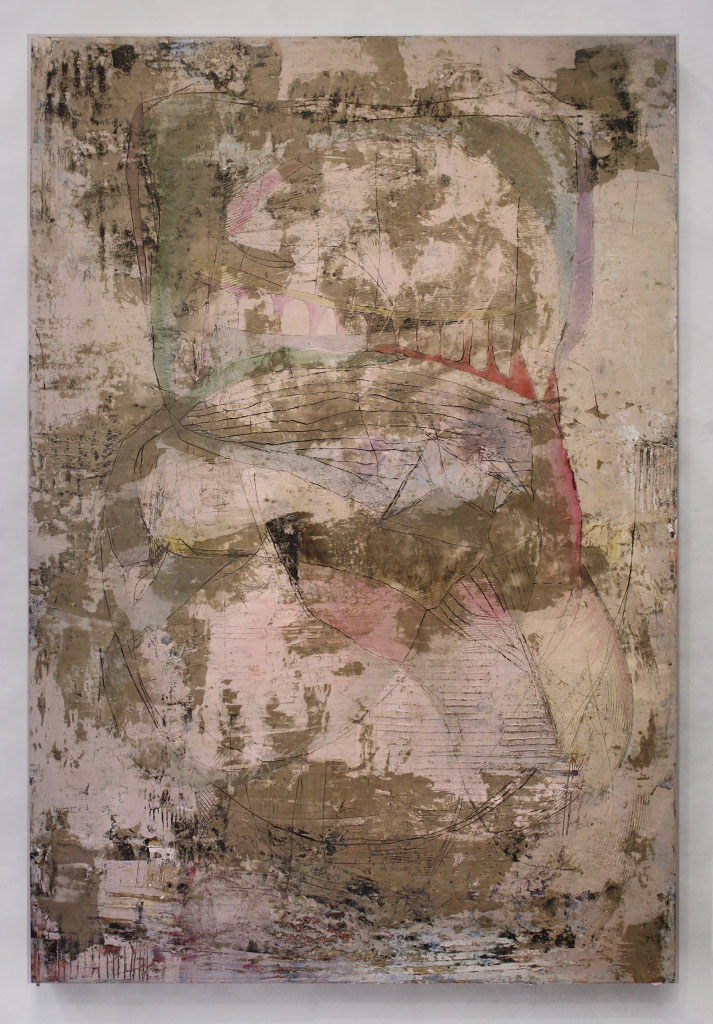
- Nicolas Holiber (MFA 2012, Fellow 2013)
-
- Nicolas Holiber (MFA 2012, Fellow 2013)
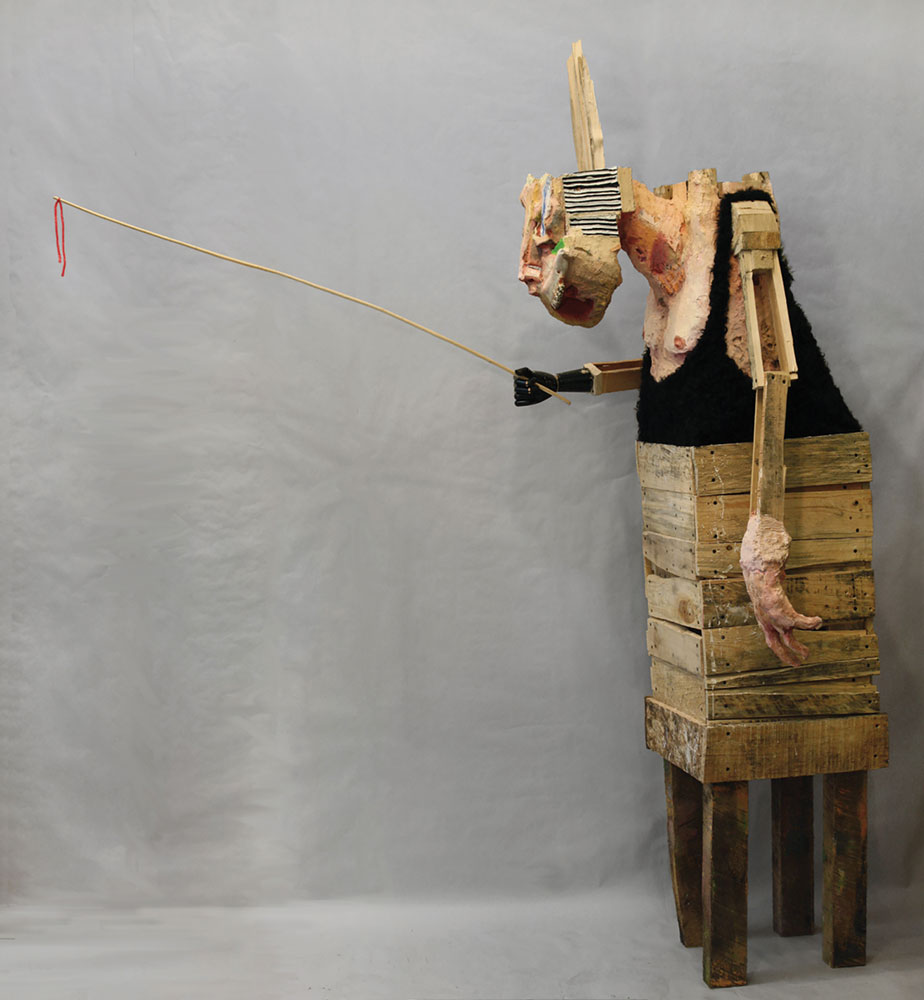
-
- Nicolas Holiber (MFA 2012, Fellow 2013)
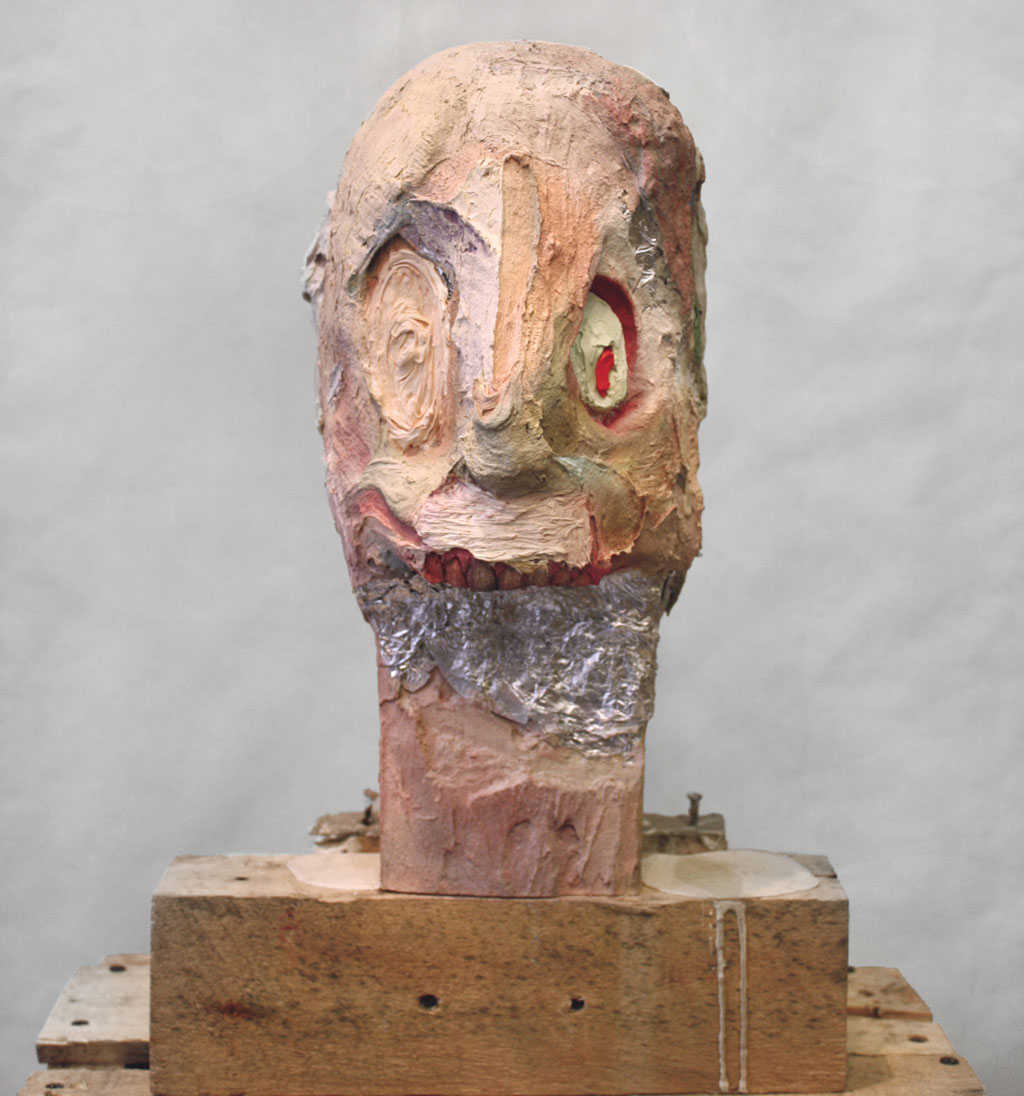
Meet the Academy Fellows: Aleah Chapin (MFA 2012, Fellow 2013)
 |
| Aleah Chapin photographed by Maria Teicher (MFA 2013) |
One day earlier this summer, we sat down with Aleah Chapin (MFA 2012, Fellows 2013) to talk a little about her work, the Academy Fellowship, and what she’s looking forward to as her Fellowship year concludes.
Academy: Your art is specifically linked to your childhood, rather where you grew up and where you came from. Tell me about your childhood.
Academy: Why?
Aleah: I started out photographing them and working with them because I wanted to get away from painting my young female friends because I felt like I wasn’t really getting at anything more than just a pretty painting of a pretty 20-something year old. And these ladies who I know, being who they are, said yes, of course we’ll pose for you, we’d love to. That’s where it all started from.
Academy: Who are these women? How do you have so many women in your life who have known you since you were born? What’s the community like?
Academy: Was there a moment that you realized your childhood was unique?
Aleah: Yeah, probably when I went to college in Seattle. I started to realize it was a bit different. But honestly, I was pretty embarrassed by the whole thing. I wasn’t horribly embarrassed, but I never ever thought I could make art about it because to me it was my weird, hippy family. They are awesome and I love them very much but I never thought I could make art about them. I moved across the country, all the way to the east coast, not just to get away, but to me it was so different to move all the way to New York. I never thought I would be doing work that was so closely related to where I grew up and this world. The contemporary art world and small town Washington are pretty much polar opposites.
Academy: What were your interests when you were little?
Aleah: Drawing. Pretty much my whole life, I have loved to draw. I started getting into painting in my young teens. I don’t know how old I was exactly, maybe 14. I was always really interested in drawing and I wanted it to look real. I think it was something about that illusion. I wanted to create a world. I also did some sculptures. My goal was to create a world and make it look like life. Not that I succeeded, but that was sort of my goal. When I was in awe of any work, it was work that created its own complete reality inside the canvas. I would draw a lot from National Geographic and from this fairy book. I would draw from old photography books and old photographs. I had an old book full of photography of children and I loved drawing from that. Lots and lots of drawing, a bit of sculpting, and then started painting in my early teens.
Academy: When did you know you wanted to study art? Was there ever any doubt?
Aleah: Probably in first grade, I knew I wanted to be an artist. My mom is an artist, so I knew that was a total possibility and I one of those lucky people to have really supportive parents.
Academy: So your dad is also an artist?
Academy: Yeah, he’s an architect. He’s really good at drawing and very aware of visual aesthetics. I think having both of those was important. I remember my mom taught me how to draw a face, and my dad taught me how to draw a house in three-dimensions. I have those two distinct memories and I still use both of those early skills. Learning to draw a house taught me how to think 3D on a 2D surface. I used to draw a head with feet. I remember my mom giving me a few pointers.
Academy: What would you do with your drawings? Would you hang them up around the house?
Aleah: No, I would get really angry and scrunch them up and throw them away. Seriously, I would get really frustrated that they didn’t look as good as my mom’s and they weren’t as good as I wanted them to be. But I kept going. I couldn’t help it. I had to take another piece of paper out and try it again.
Academy: What kind of work does your mom make?
Aleah: She does this process called touch drawing. She developed it in 1974-75 in New York City, on her last day at Cooper Union. It’s kind of like printmaking and drawing. In a way you draw with your hands. You work with your fingertips instead of a brush or pencil. That definitely helped a lot.
How did we get on the subject of parents? Oh, right, did I have any doubts? Yes, in high school I definitely had some. I remember thinking I really didn’t want to go to Art College. I loved making art, but I didn’t want the classes, I just wanted to make it. I didn’t want someone to tell me what to do. But that didn’t last very long and I decided I wanted to go to Art School. So I applied to Cornish College in Seattle, the only place I applied to. Luckily, I got in.
Aleah: It’s a well-known art school on the west coast. It’s for music and dance and theatre and fine arts. I did painting and video and a bit of sculpture there. It was awesome. It was fantastic. It really stretched my boundaries with what I thought art was.
Academy: How so?
Aleah: I ended up being exposed to experimental, performance art and multi-disciplinary art, and started actually doing some. It was really fun to feel like I can do absolutely anything. It doesn’t just have to be a painting or a drawing. It doesn’t just ahv to be a video if I’m making a video piece, it can be something else, too. Why not push it and experiment? That was really good for me. Of course, I went back to painting but without stretching my boundaries as far as they could go then, I don’t think that I would feel as strong in what I am doing now.
Aleah: For my BFA show, I somehow managed to melt painting and video and performance. I had a series of cameras and canvases, maybe eight. Most had paintings on them. Most of them had figurative paintings on them. Some of them had some little iPods embedded into the canvas so there was a video element. One had little gears. I hook up a whole motor system, and managed to make this little gear that looked like it was moving inside someone’s head. Then I had two wonderful models who wore these outfits that I made out of canvas that I had painted. They stood in front of the paintings and moved really, really slowly, really subtly over the four hours of the Opening. And those outfits had a bit of sculpture, they had headdresses and then little bits of video incorporated into them. I realized I could do everything, so I decided to do everything all together. It was really fun and really exciting. Now I feel like it was all a bit too much. Editing, editing is good.
Academy: Were there specific influences that you acquired in college? Particularly the multi-media stuff?
Aleah: Bill Viola and Gary Hill, they are both video artists. Those are probably two I wouldn’t have gotten otherwise because I was exposed to all this video. And Maya Derenanother video artist from 1940-50s. She was one of the early video artists, black and white, experimental film. Those were probably some of the more influential ones. I feel like Bill Viola sometimes still, even though it’s video, there are some images that I feel like still resonate with me and influence me still. Just because it’s video, I feel like the images of video and photography can totally permeate painting for me more than any other kind of art form.
Academy: Was your art then inspired by your own history?
Aleah: It wasn’t. I struggled with it. All the great cool contemporary art I saw was about something negative and something intense or something I didn’t have in my life. I lived a pretty good life, it wasn’t perfect but it was a happy life. Good childhood. I would never complain about that. I am very grateful. But I felt lost about what to make art about because I had this great life. When I came to school here, probably around second semester, I realized I needed to make work about what I knew and that was the most important thing and I needed to stop trying to make work that had some big important moral agenda and big statement that didn’t have anything to do with me. Because I felt like I was always trying to make work that had that, some big moral statement, but what was it based on? It wasn’t based on my experience, it wasn’t that. I realized I had to throw all of that away and just make work that was about what I knew and what I loved and what I cared about. And if there was a statement or some sort of moral agenda, it would come out through my work. But that could not be the focus or the driving influence of it. Now I try not to do that. I try to just paint what I know, literally the people that I know. And let the rest happen naturally. If it does, it does. And if it doesn’t, it doesn’t. I needed to be completely honest as possible.
Academy: You said that was second year at the Academy or first year?
Aleah: It was first year, second semester. End of first semester. Wade Schumangave me a critique in my studio. He said “You need to not make work that has some big moral agenda. You need to trust that who you are is enough. Just paint what you know and what you love and what you care about. That’s all you need to do.” That was really big advice. He could tell I was struggling. I don’t know if it was one painting or what because we do a million paintings first year.
I assume that is something others go through as well because we all want to make work that has something to say and isn’t a waste of space, nor a waste of energy for people to look at. I think most of us want to make work that somehow will make the world a better place. If that is our goal and our only goal and we’re not looking for inspiration anywhere else than it’s not going to actually do that. I realized the only way I could actually attempt to make work that had anything to say was to completely forget about having something to say and just let my life and my view of the world say whatever it’s going to say and not force it. That was the biggest transition for me, that realization. And also realizing I could make work about what I knew, which was my life on the west coast. I didn’t realize until then it could be made into artwork, be the subject.
Aleah: Yes, I had always been obsessed with realism and traditional painting. That has always been my thing that I loved and admired the most. When I was looking for grad schools I couldn’t find anything that was very good, all the student work I saw I thought was really bad. But when I found the Academy and the website, I was completely blown away. Jenny Saville’s painting was on there. I remember thinking, “This is a grad school? Seriously?” It seemed like a completely perfect place.
Academy: Did you stumble upon it? Or did someone suggest it to you?
Aleah: I was googling, I can’t remember what. Probably figurative painters. To try to get inspiration, because I didn’t know that many. And I found Alyssa Monks’ work. And loved her work and looked at her resume and saw the New York Academy of Art. The fact that she taught her and went here [MFA 2001]. I looked up the Academy and then had the “Oh my god” moment. I applied and luckily got in.
Academy: Did you apply to a bunch of schools?
Aleah: No, I only applied to the Academy. I have only applied to two schools in my life. I was pretty happy when I got in.
Academy: What did you do on your year between undergrad and the Academy?
Aleah: I lived in the Netherlands for five months. I went and took an intensive drawing class in Paris for two months. Basically I painted. I managed to save up money during college by working at a coffee shop and selling a few paintings, and not spending much, so that I could go over to Europe for a while. When I came back I worked in Seattle for a bit and then moved to New York three or four days before school started.
Academy: What were your impressions of the course work when you arrived? Where you shocked or did you love it?
Aleah: I LOVED it. I had a really good experience at the Academy. I felt like it was everything I wanted and more. I don’t think I have ever worked as hard, and I felt like I was a decently hard worker. Before I came here, I didn’t think I could put 12 hours-a-day into painting seven days-a-week and that realized it was really great. It was fun. I didn’t realize working that hard could make me that happy. The friendships and family you develop by going through this incredible, intense experience together was really amazing. I don’t have anything bad to say. This school has treated me really well and given me an insane amount of opportunities. It’s been a really good fit.
Academy: You spoke about your critique with Wade. Were there any other moments like that that changed the course of your work or the way you looked at it?
Aleah: That was the major moment. I am sure there were a million. But there isn’t one I remember specifically. I remember Catherine Howe’s Art & Culture II class was fantastic because we had to make a lot of work and it was really self-directed. It was first year, but she treated it like thesis class.
Academy: How so? What do you mean?
Aleah: She told us to think about it like Thesis I. To think about the type of work you want to make, and make a body of work. Over the semester we got to make a body of work. She also gave us a project where we had to create a family tree of our linear influences. That was another major one. I had to look back at all the work I liked over the years and then actually physically put it on a piece of paper. That was really helpful because I saw the work that has stuck with me for years and years. That I’ve always loved and then the work that just came in as a fad for a couple months and I love it and it’s gone. A reaction to something. That project gave me a lesson on where I wanted my work to go.
Academy: Who were the artists in your influence tree?
Aleah: Jenny Saville, Alyssa Monks, Lucian Freud, Vincent Desiderio, Ron Mueck, Andrew Wyeth, Rembrandt, Velasquez. There are many more.
Academy: The Auntie’s Project, Can you tell me about the process?
Aleah: They were very open to posing for me. There was a group of about eleven of them. Having a group took the edge off, because it wasn’t just one-on-one. It was more playful. They all knew each other and we were outside. Warm weather, beautiful outside, friends, and just me. I think that was really helpful.
Academy: Was it one session when you photographed them? Or more than one?
Aleah: I have done quite a few sessions of photography with them over the last two years. I usually take close to 800 photographs over a couple hours because I want it to have a spontaneous feeling. I don’t make them pose. If they are posing, I want that to come from the moment and what they are doing and I want the emotion to come from them and their mood, right then. Not something I am forcing on them. That’s one of the reasons I love photography because I can capture that. More reality, what a person is really feeling in a moment of actually living versus just standing for 100 hours, while a painter paints you. I think it’s really important to paint from life, of course I have done it a bunch and have definitely enjoyed it, but recently working from the photo has been really helpful for me in that way because I feel like I can capture way more than just the physical appearance when I am working that way.
Academy: Are those photo sessions fond memories?
Aleah: Oh, yeah. They are really fun. It’s like a performance piece in a way. How often do you get 10+ of your friends, or your parent’s friends, naked in a field and you get to take as many photos as you want? And just this spring I started taking photos of my younger friends, the aunties’ daughters. There are two paintings in the show. I’ve just started working with the kids, rather they are 29. I am now painting what I thought I couldn’t paint before I started painting because I wanted to get away from painting just them. I wanted interesting skin and different textures. But then I realized it isn’t just about having aged skin. Everyone, no matter how young you are, you’re going to have something that makes you real and there is a way to paint that. So far, doing the paintings of the younger ones, I feel like it hasn’t gotten in the way or different than painting their moms. It feels similar. I don’t want to be the painter of older ladies. I want to paint people, mainly women because I enjoy it more. I want to paint all ages because I just don’t have a big reason that I want to paint older women. That was the starting point and I am sure I’ll keep painting them. I find them incredibly beautiful and interesting to paint, but I want to paint everyone. I want to paint people.
Academy: Why are the figures you paint in a field or without a background?
Aleah: There have been a few with landscapes, but that’s a very new thing. I think the beginning of this work where the backgrounds are just white was because all I was interested in was the figure and I love the minimalism of the pure white background contrasted with the complete beautiful chaos of the body. Recently I’ve been getting into adding landscapes or suggestions of landscapes. I am experimenting with the backgrounds. Definitely outdoors, it doesn’t work indoors. I want to paint people in their nature state and you have to be outside for that. It makes more sense.
Academy: The younger women, the next generation. Is there another title for these?
Aleah: No, I want to let go of the title thing. That just happened by accident. It wasn’t on purpose. It was the working title of this body of work and then it became a bit more. I don’t want to work quite as strictly. I’ll continue to paint them, but also want to paint my younger friends and children and babies. I hope that will be in the future, I would like that – to paint their children and babies.
Academy: Do you have people in your community or your family that ask when you’re going to paint them?
Aleah: Actually, yes. I find it surprising and awesome when they call me and say, “hey, if you need a model, let me know.” I think it’s great. Because I sometimes feel slightly uncomfortable about asking because I want them to know they can say no. And I hope no one is saying yes, because they feel like they can’t say no to me.
Academy: Have you gotten more comfortable about asking people?
Aleah: Yes, I have gotten used to it. I lead with the fact that they can say no. I want people to do it because they want to. Actually, since the work has gotten more out there in the past year, since the BP thing [2012 BP Portrait Award]. I am surprised people will still pose for me because now more people will see it. But it’s not just going to be me and my classmates and teachers in New York. It’s on the Internet. It’s on Facebook. I admire my models even more because they know people will see them.
Academy: The portrait you won the award for, that’s not your mother is it?
Aleah: No, that’s not my mom, but she was in the room when I was born. I have known her my whole life. She’s been amazing with the whole thing. She went through a lot with the award. It’s been a lot. Dealing with seeing comments about the painting. I had to deal with seeing comments about my painting, but she had to deal with seeing comments about her body. She went through some personal struggles with it. I am proud of her and thankful to her, because she helped me. It was amazing, but I had some difficult times with it. I didn’t expect that to happen, all the intensity. It was a pretty intense couple months following the award. But just one person saying something, stands out among the string of other amazing things. But we got through it. We got closer and stronger for it.
Academy: What were the highlights? That was about a year ago, right?
Aleah: I had known about the Portrait Award for a long time. I decided to enter when I was ready. I finally felt like I was ready to do it and I sent the painting over. You have to actually send the painting over to England. It got on the short list. There are four selected as finalists and then 55 artists in the whole show. I couldn’t believe I got into the show. It was a blur. It was an intense June. I had just graduated. So I went over. I didn’t know I had won when I went over there for the show. I went over for the awards ceremony. I had to get over it being overwhelming. I feel like most artists get into art because they like being behind the scenes because they like to observe, especially figurative artists because we are observers, we don’t like to be interviewed or photographed. We like to watch. I had to get over it and deal with having the attention. It was a bigger deal than I thought it was. It’s a big deal in the UK, much bigger than here. Everyone at the grocery store over there knows about the BP Portrait Award. I am glad I did it and am on the other side. The process helped me be a better artist.
Academy: Tell me about your plans now, going forward.
Aleah: I am going to be a full-time working artist [big smile]. I am not over thinking it. Trying to take it one-step at a time. Enjoy it while it lasts. And also continue to love it and keep the work feeling honest. Try not to let the fact that it’s my living. I’ve never wanted that fact to influence my work. I guess the next plan after the Academy Fellows show in September is Flowers Gallery has offered me a solo show in their London gallery next summer, in July 2014. That’s the next big thing. Generally I am going to stay in New York.
Academy: Congratulations! That’s exciting!
Aleah: Yes, it is. It’s amazing, and scary and intimidating.
Academy: Do you have any desire to teach?
Aleah: Yes, I do. I definitely do. But I want to know more before I do major teaching.
Academy: Do you think you’ll stay around New York for the foreseeable future?
Aleah: Yes, I really love it here. There is something about making the work I am making here, which seems counter-intuitive, but I need the separation between where I make my work and where the inspiration comes from. I need to go back from time to time to see them and be there. I need them. I get to be the person I am there, by default. But it feels good to be here, the city where I get to be who I want to be and to be able make paintings the way I want to make. Love it here.
For more information about the 2013 Fellows Exhibition featuring Jonathan Beer, Aleah Chapin, and Nicolas Holiber or the Academy’s Post-Graduate Fellowship Program visit the New York Academy of Art website – www.nyaa.edu.
Coming to an end…a short but sweet look at the week: Leipzig Residency – Part 6
The past couple of weeks here have flown by. Between painting, panting in our stifling rooms, and making quick escapes to the lake, we managed to put together a great end of summer show. We all crawled out of our studios to help clean and hang the work alongside Kristina and Mareika (interns of LIA) without any air-conditioning in a room I have now re-named “the easy bake oven”.
 |
| Tim is a master mopper, you should see his happy wiggle dance while he does this |
 |
|
One of the few precious fans that help relieve us
|
 |
| Alicia setting up her studio |
 |
| Kristina curating the show |
 |
|
Cold beer and salad break with Barbara
|
 |
| Last minute touch ups |
 |
|
Shoeless Tim
|
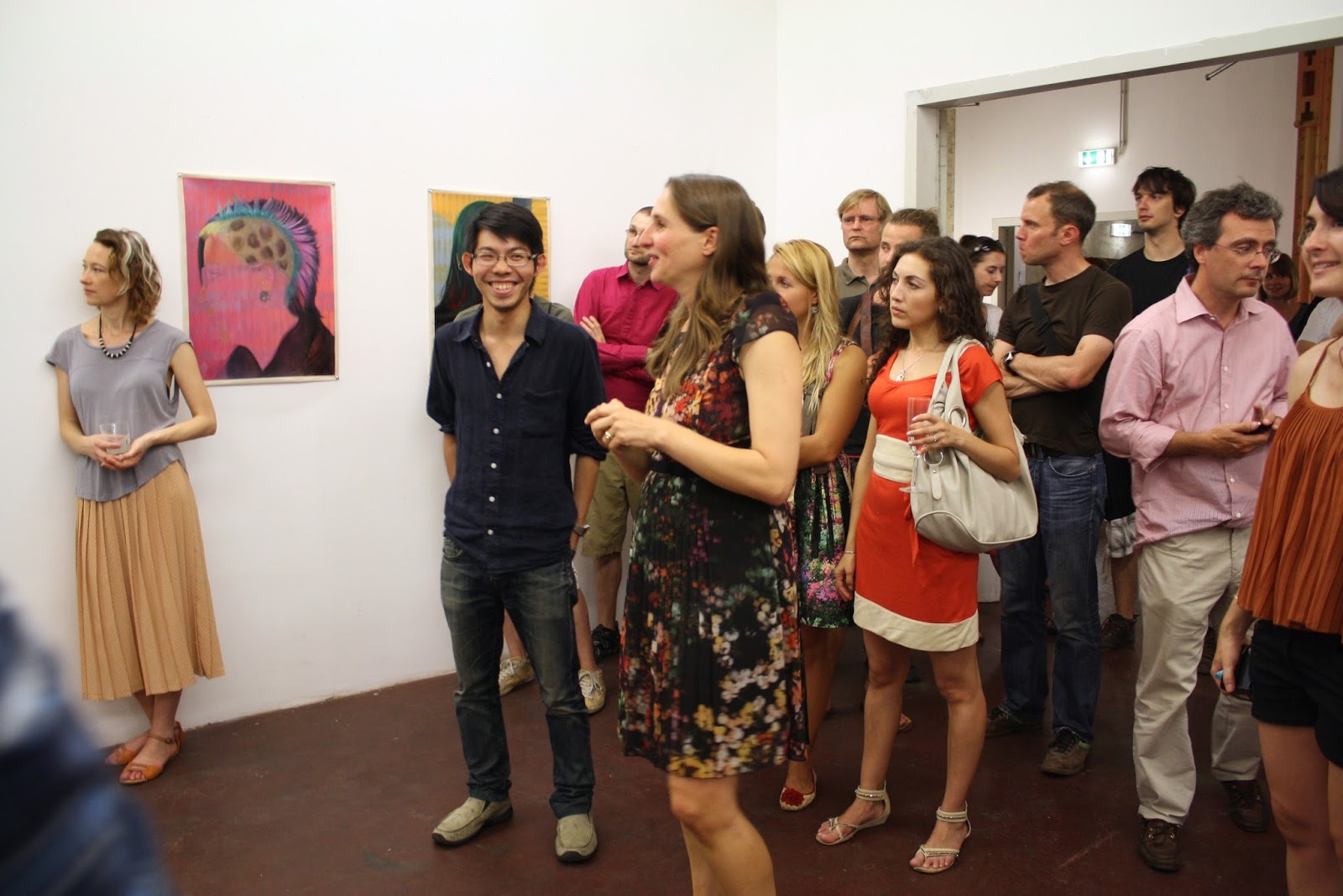
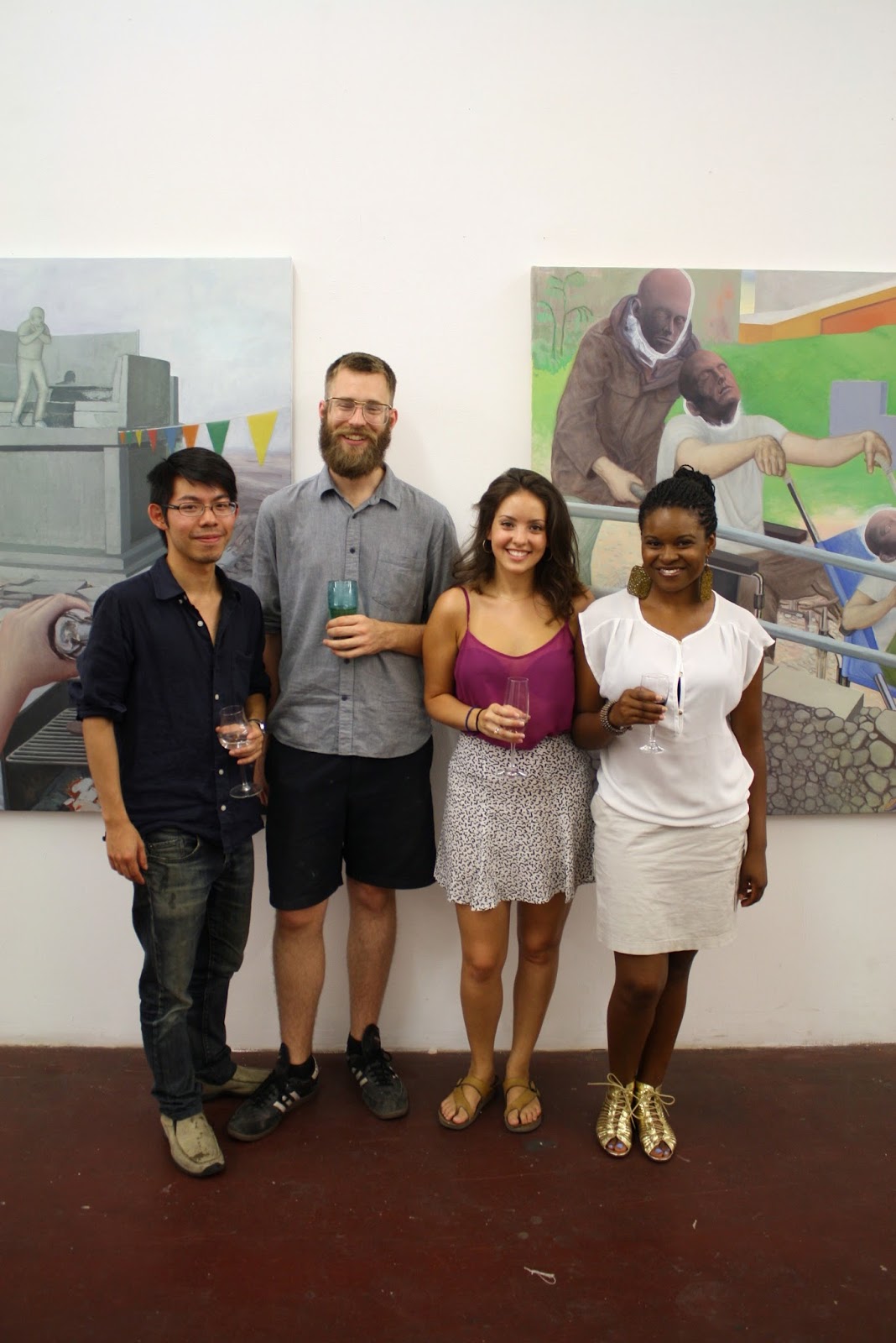
After the set up, all of the artists from LIA headed for dinner with Anna where she described to us her first experiences in Leipzig here at the Spinnerei and how she came to start the LIA program. Following this we opened our doors to start the show at seven o’clock where Anna caught us off guard with the amount of patrons who showed up and turned the spotlight on us to say a few words about our work.
 |
|
Anna speaking about Kevin’s portrait of Tim
|
 |
| Alicia speaking about the differences in hair culture in Jamaica compared to Germany |
 |
| Pretty much the theme of our time spent here |
 |
| LIA guests |
 |
| Our girl Hannah, she was the intern here last year |
 |
| Prost! |
###
On May 31, four Academy students arrived in Leipzig, Germany, to start a two-month residency hosted by the Leipzig International Art Programme. Alicia Brown, Tim Buckley, Krista Smith and Shangkai (Kevin) Yu (all members of the class of 2014) will share their experiences here throughout the summer!
The Final Chapter: China Residency, Part 8

After a week in the Chinese capital and having soaked up some of the local culture and scene close to our hotel, we decided it was time to put our tourist hats on and see some of global tourism’s most famous sites – The Forbidden City, the Summer Palace and of course, the Great Wall of China.
 |
|
Forbidden City, view from the Meridian Gate.
|
 |
|
The Hall of Supreme Harmony
|
 |
|
Girl with Chinese head wear
|
 |
|
Elliot Purse strikes a pose in the Forbidden City
|

 |
|
Lady in an old-fashioned Chinese outfit inside the Summer Palace
|
 |
| View from interior |

 |
|
Elizabeth Shupe, Elliot Purse and James Adelman on the Great Wall
|
 |
|
Elliot conquers the wall
|
 |
| Beth conquers the wall |
 |
|
| I conquer the wall |
 |
|
James conquers the wall
|


Our final weekend in China was spent with Ian, our guide on the Beijing side. He took us around CAFA’s/China Academy of Fine Art’s museumof ‘Excellent Student Work’. And excellent it was – we all left a little mind boggled (a.k.a downright intimidated) at the quality of work these Chinese undergraduates had produced.
 |
|
Ai Wei Wei’s studio, exterior view
|

Attack ships on fire off the shoulder of Orion.
I watched c-beams glitter in the dark near the Tannhäuser Gate.
All those… moments… will be lost in time, like] tears… in… rain.
On May 25, four Academy students arrived in China to start a two-month residency in Shanghai and Beijing. James Adelman, Elliot Purse, Elizabeth Shupe and Zoe Sua-Kay (all members of the class of 2014) will share their experiences here throughout the summer.
The Colors of Beijing: China Residency, Part 7


On May 25, four Academy students arrived in China to start a two-month residency in Shanghai and Beijing. James Adelman, Elliot Purse, Elizabeth Shupe and Zoe Sua-Kay (all members of the class of 2014) will share their experiences here throughout the summer.
Art Southampton 2013

The Academy will present an exhibition of alumni works for sale curated by Academy Senior Critic, Eric Fischl.
The collection includes pieces by some of the most accomplished artists to have graduated from the Academy.
Featured artists include Jason Bereswill (MFA 2005), Aleah Chapin (MFA 2012, Fellow 2013), Michelle Doll (MFA 2006), Elizabeth Glaessner (MFA 2013, Fellow 2014), Nicolas Holiber (MFA 2012, Fellow 2013), Christian Johnson (MFA 2001), Will Kurtz (MFA 2009, Fellow 2010), Lisa Lebofsky (MFA 2006), Alyssa Monks (MDA 2001), John O’Reilly (MFA 2010, Fellow 2011), Melanie Vote (MFA 1998), Tyler Vouros (MFA 2011), Annie Wildey (MFA 2008, Fellow 2009), Lucy Winton (MFA 1995) and Matthew Woodward (MFA 2007).
-
- Jason Bereswill (MFA 2005)
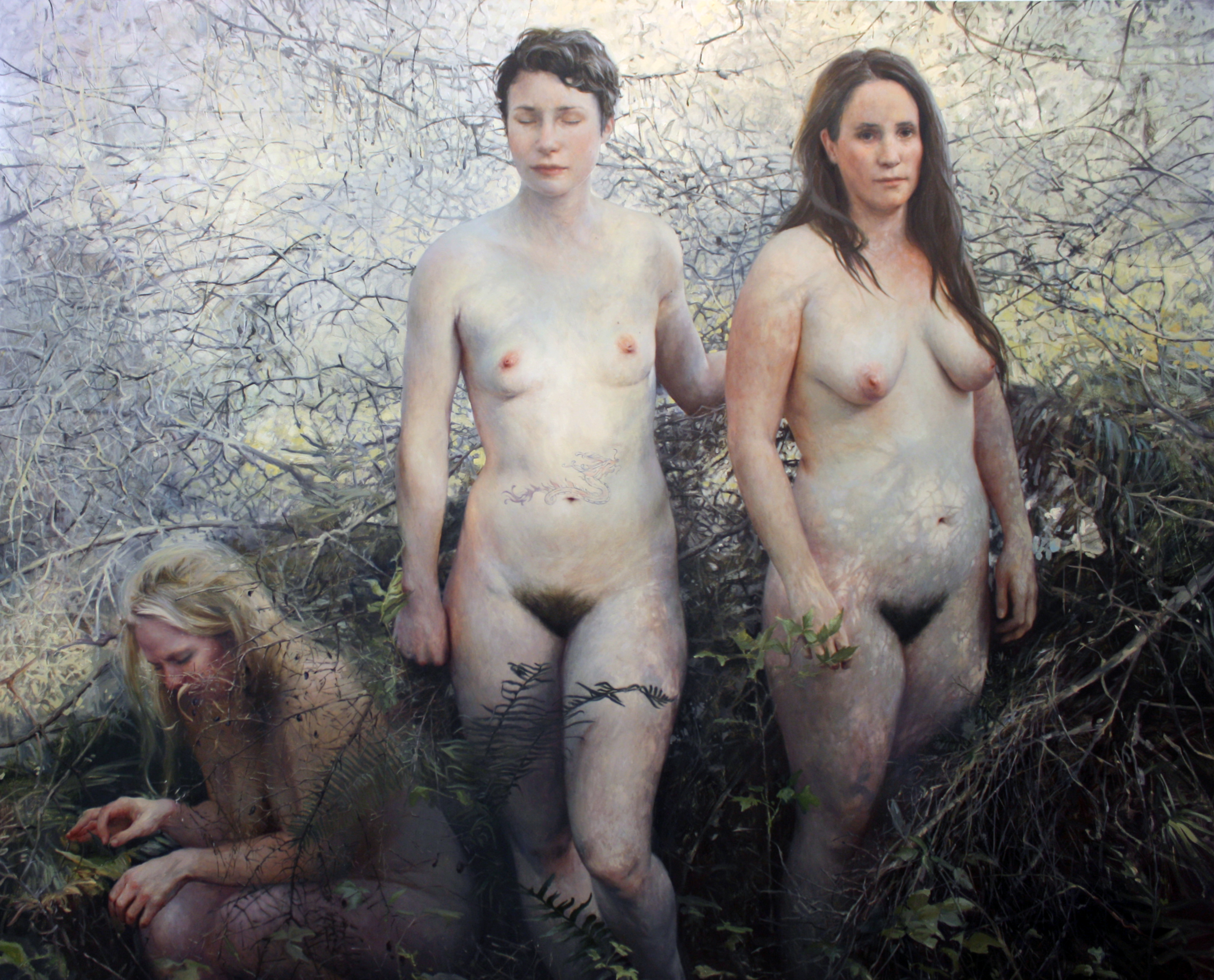
-
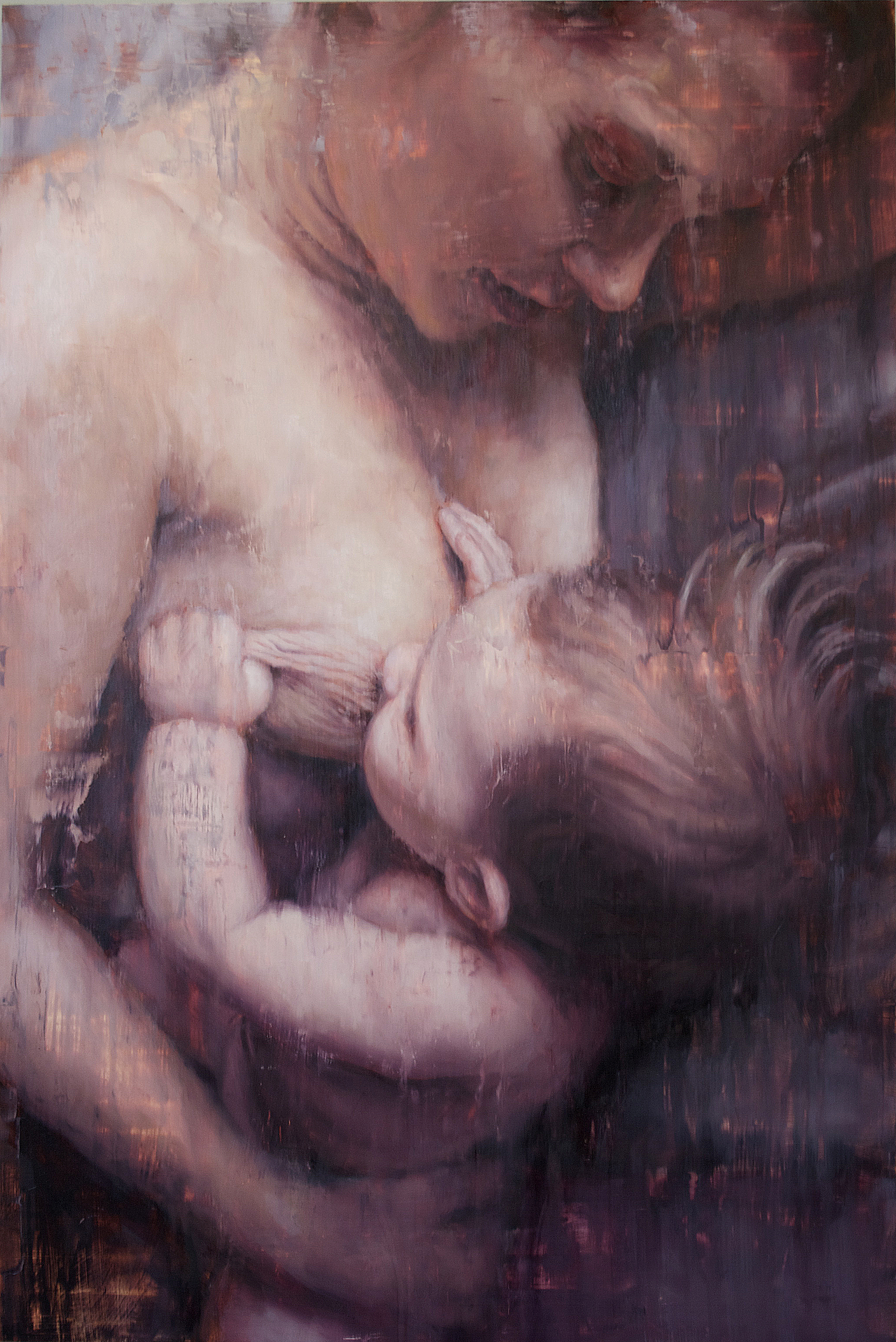
- Michelle Doll (MFA 2006)
-
- Elizabeth Glaessner (MFA 2013, Fellow 2014)

-
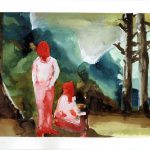
- Elizabeth Glaessner (MFA 2013, Fellow 2014)
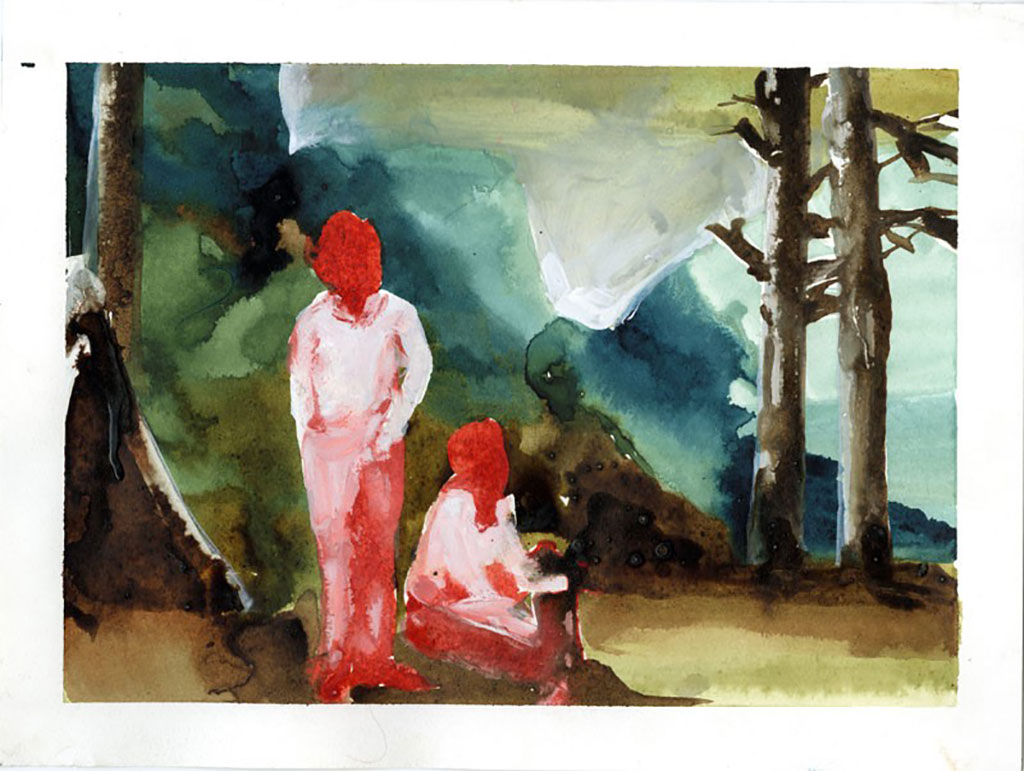
-
- Nicolas Holiber (MFA 2012, Fellow 2013)
-
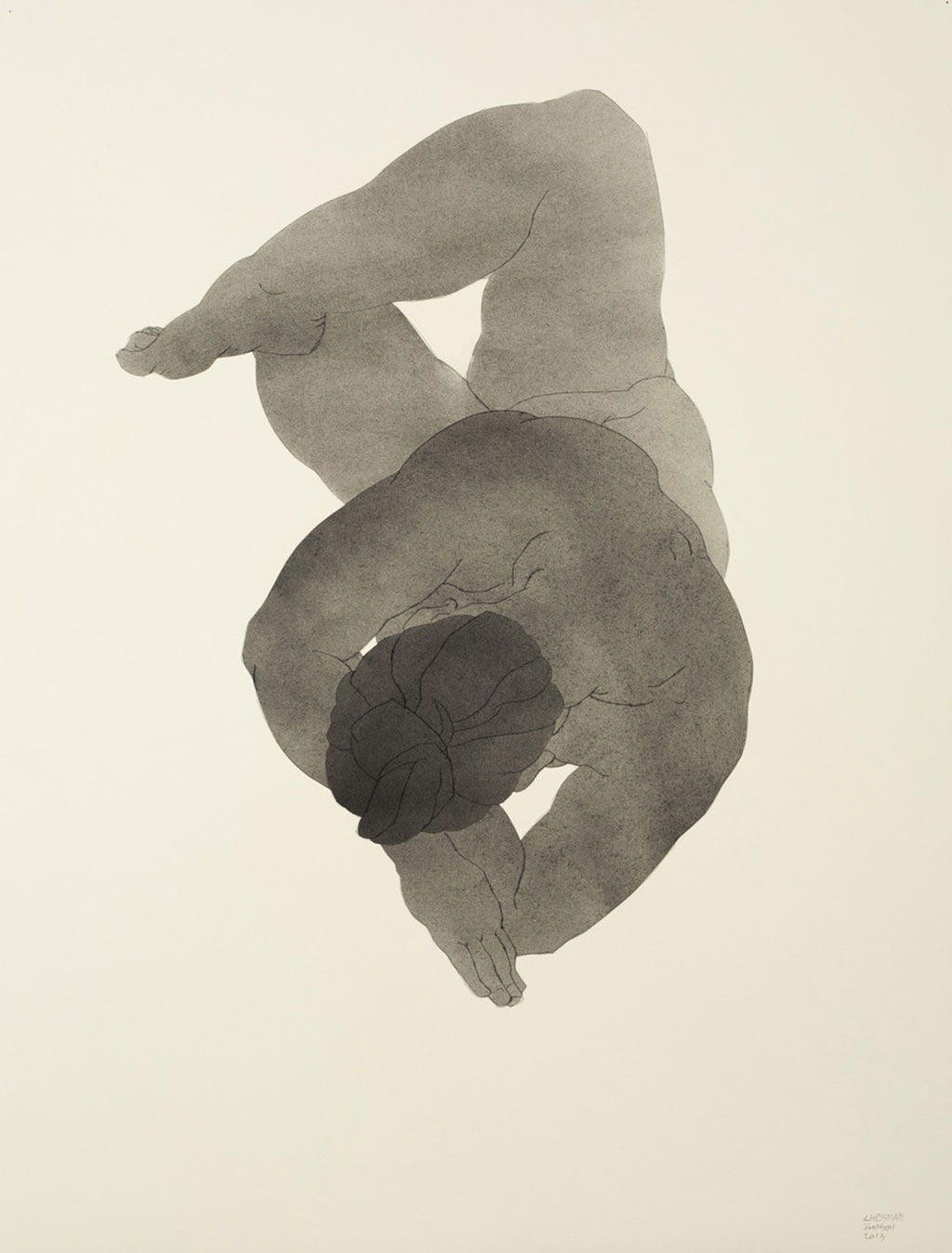
- Christian Johnson (MFA 2001)
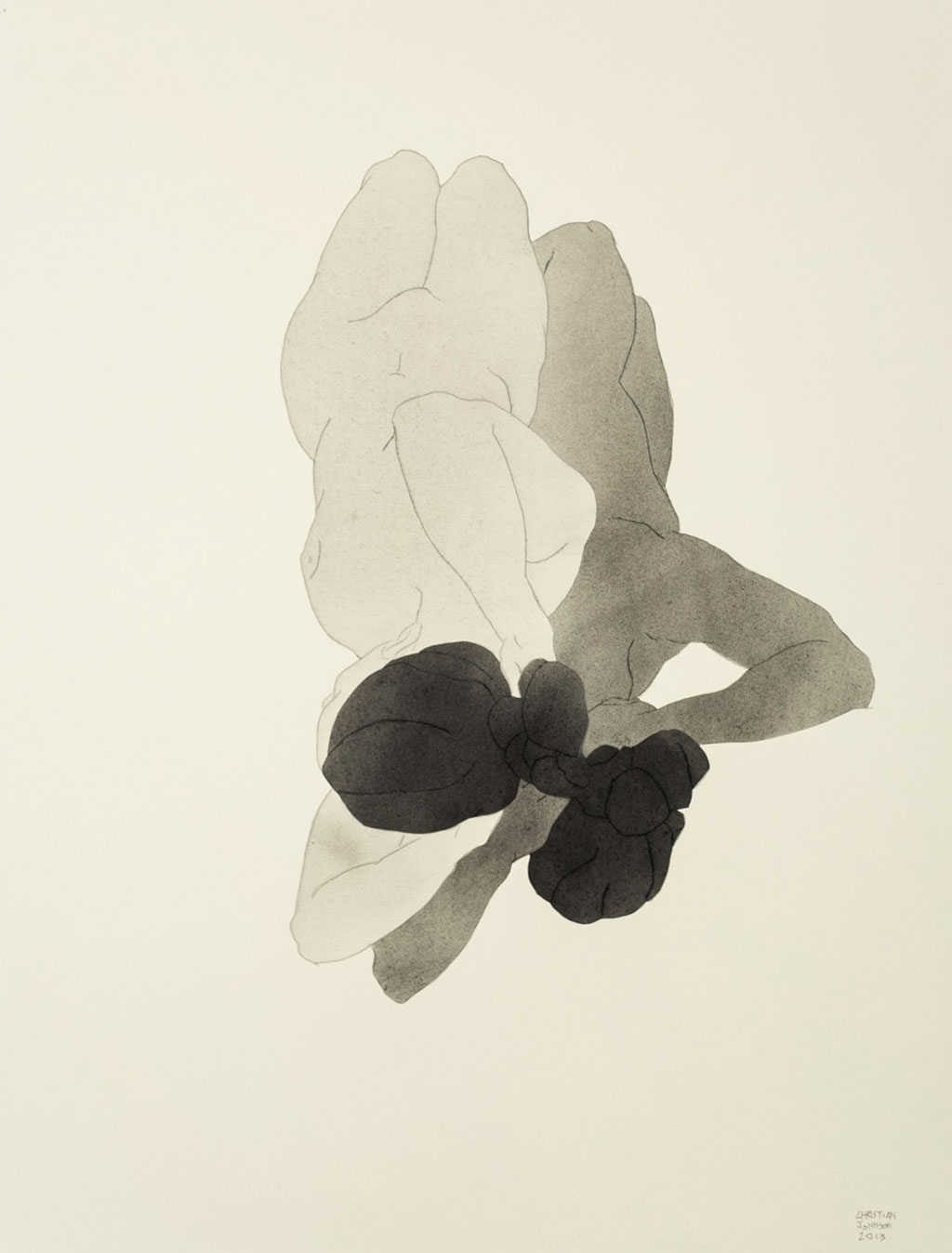
-
- Christian Johnson (MFA 2001)
-

- Will Kurtz (MFA 2009, Fellow 2010)
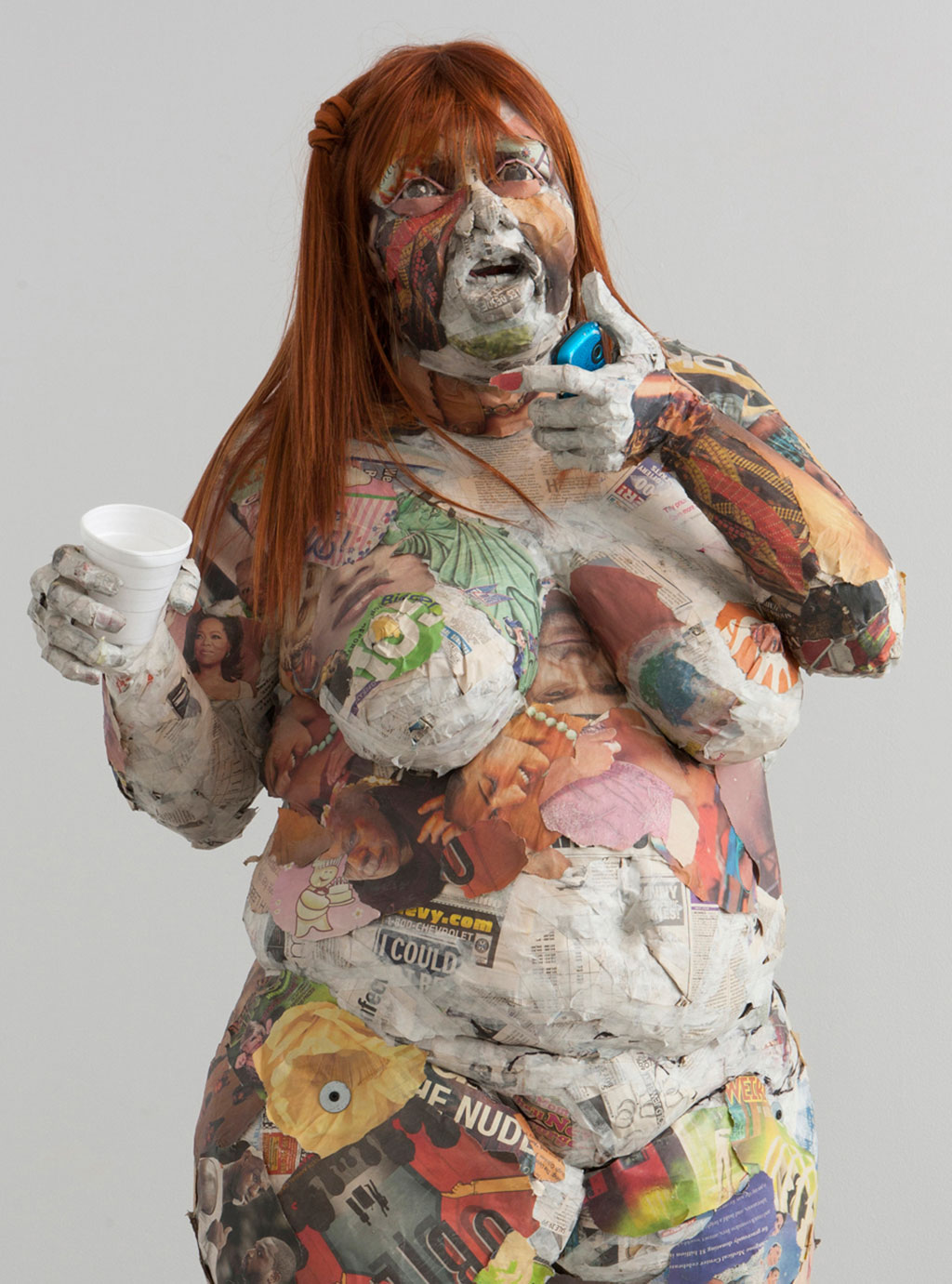
-
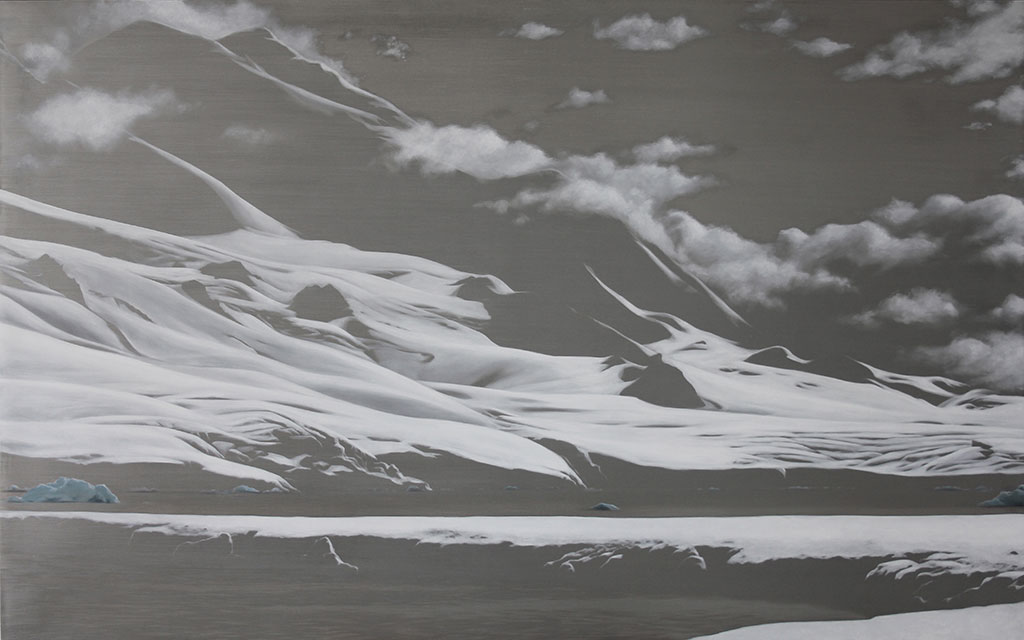
- Lisa Lebofsky (MFA 2006)
-
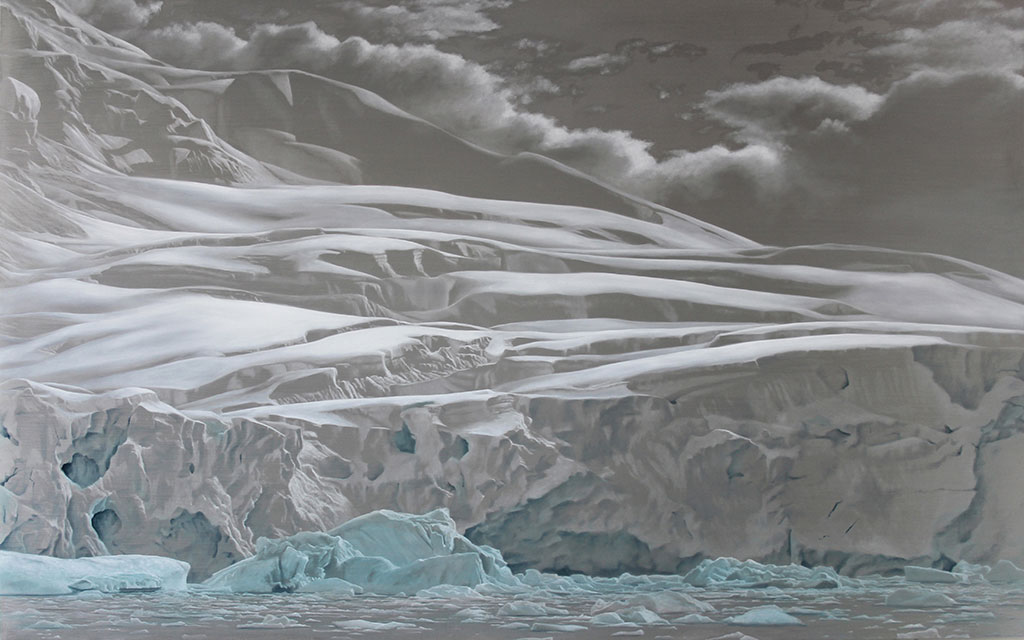
- Lisa Lebofsky (MFA 2006)
-
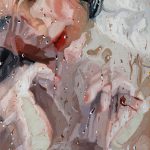
- Alyssa Monks (MFA 2001)

-
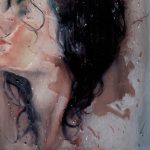
- Alyssa Monks (MFA 2001)

-
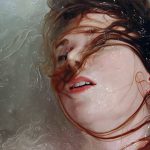
- Alyssa Monks (MFA 2001)

-
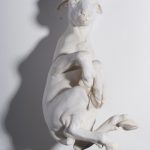
-
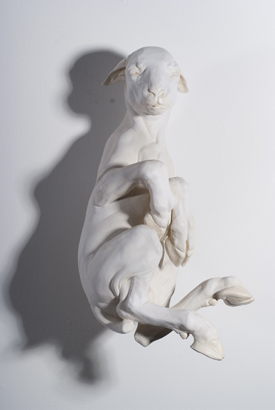
John O’Reilly
MFA 2010, Fellow 2011
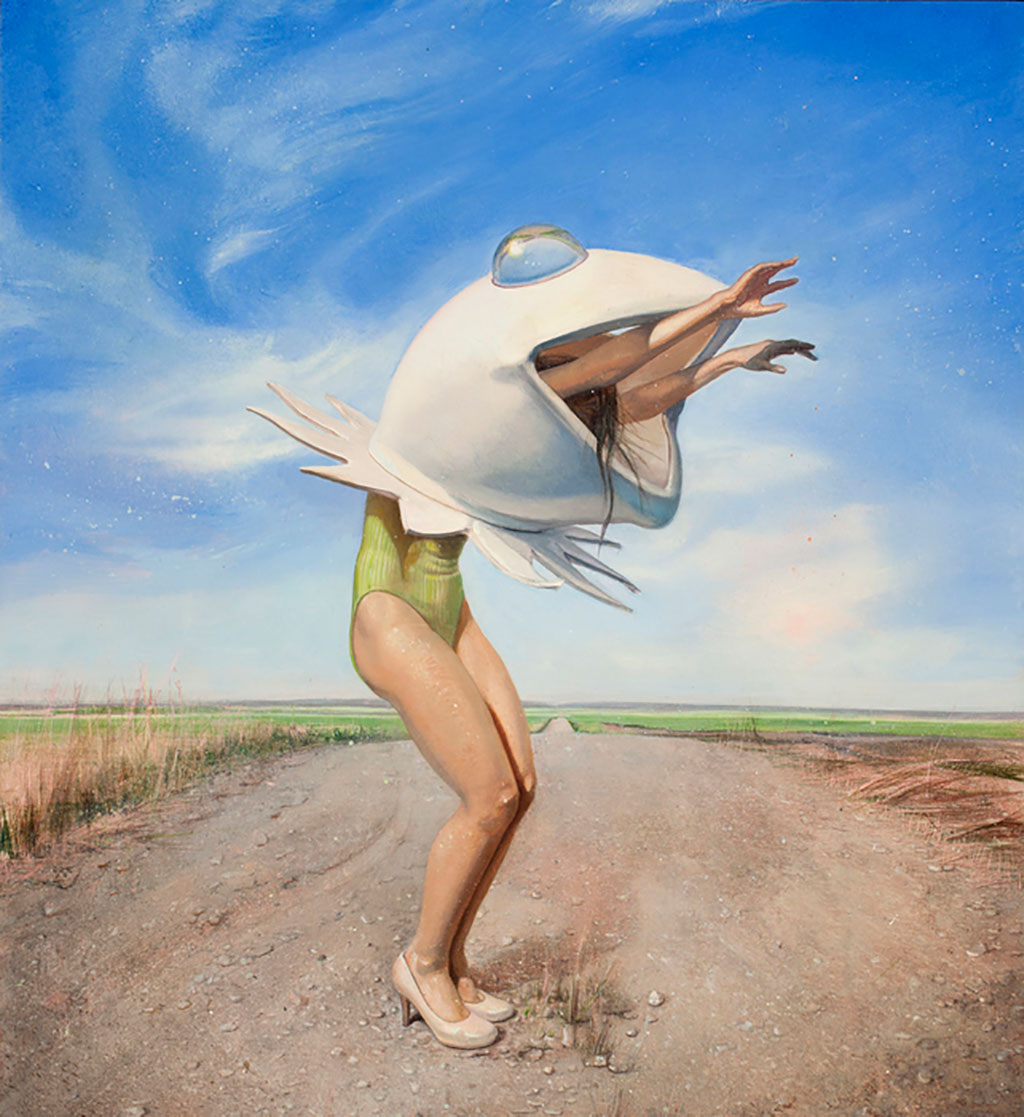
-
- Melanie Vote (MFA 1998)
-
- Melanie Vote (MFA 1998)
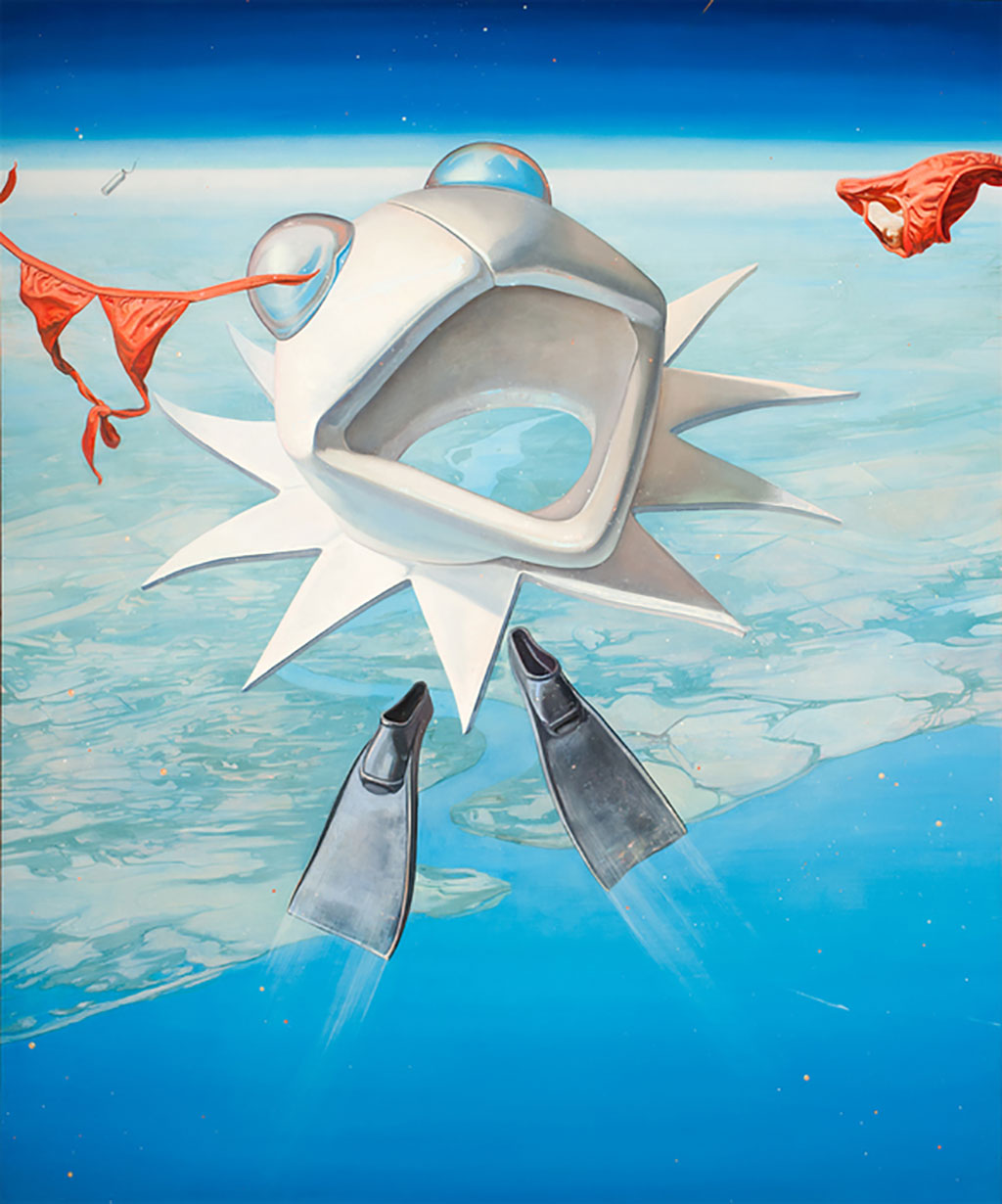
-
- Tyler Vouros (MFA 2011)
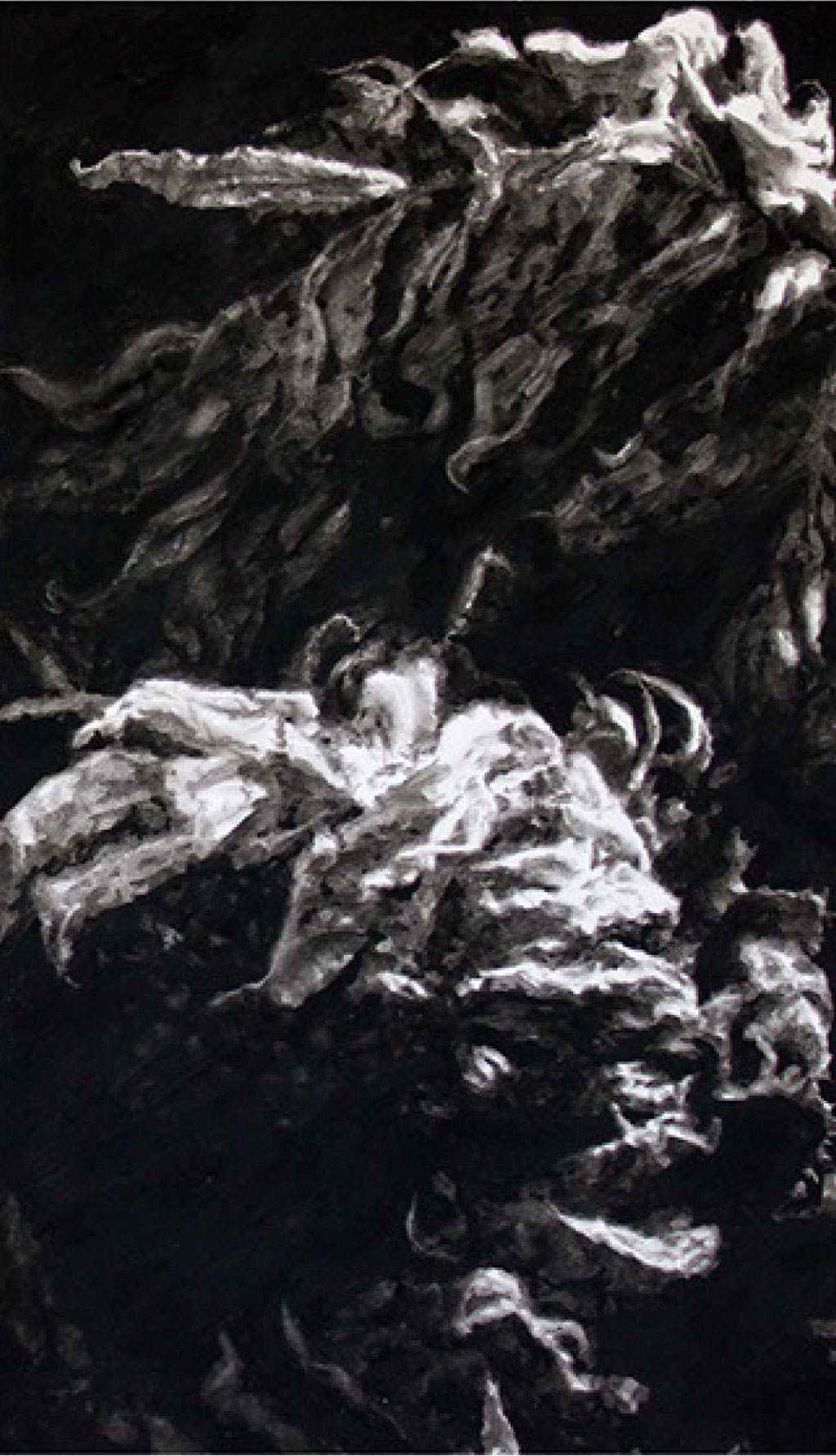
-
- Tyler Vouros (MFA 2011)
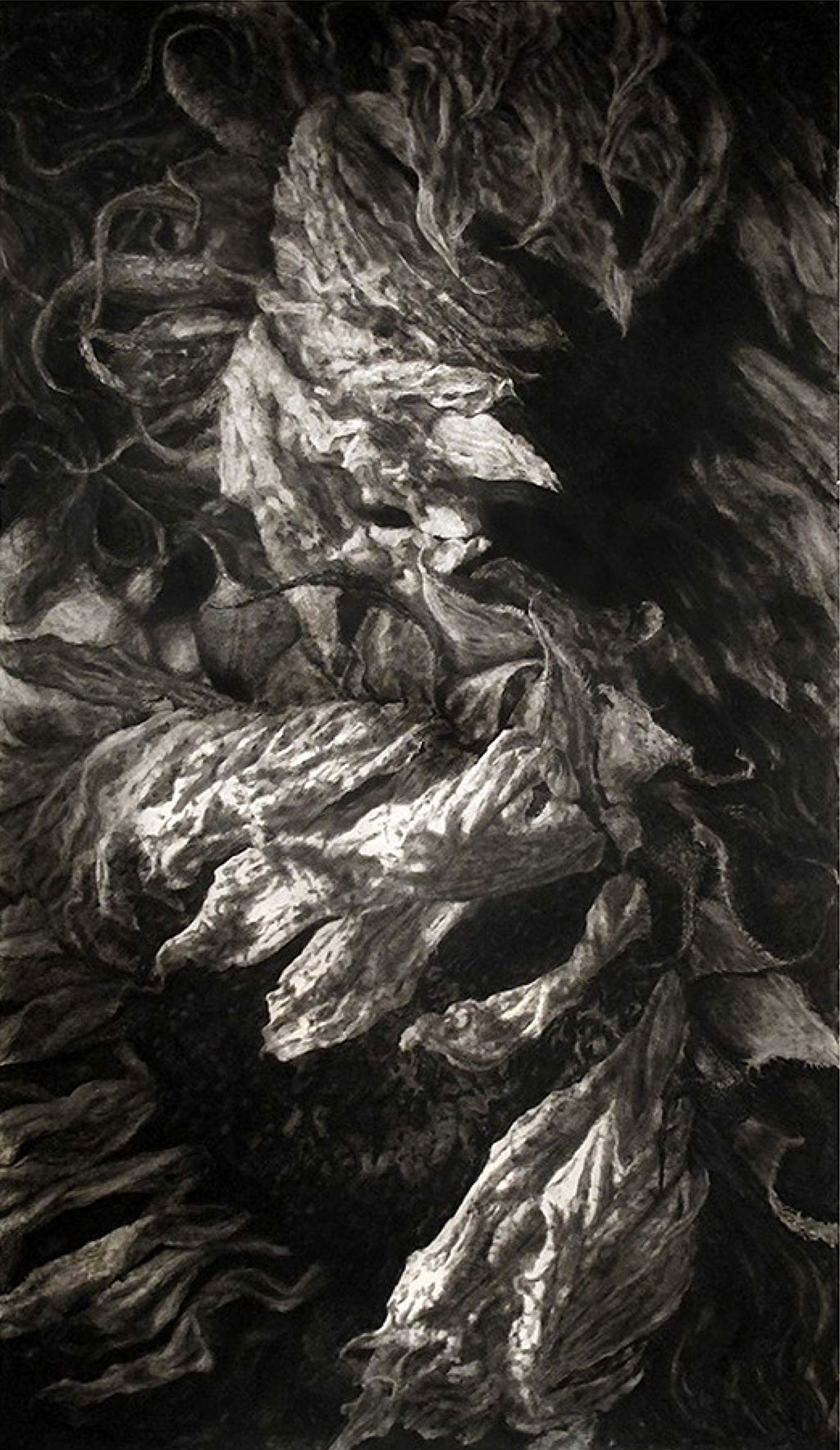
-
- Tyler Vouros (MFA 2011)
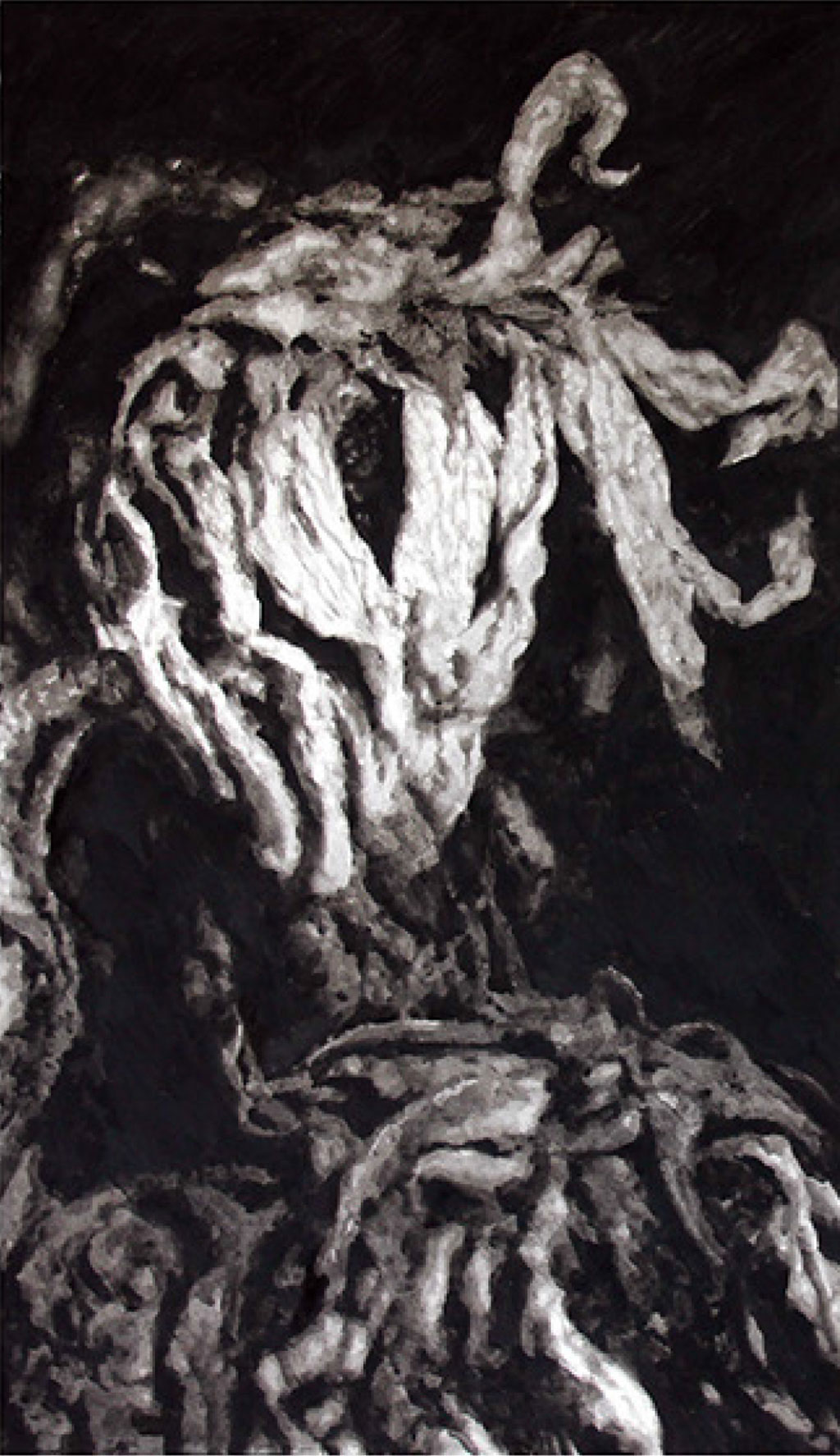
-
- Annie Wildey (MFA 2008, Fellow 2009)
-
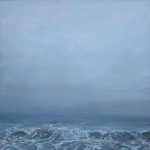
- Annie Wildey (MFA 2008, Fellow 2009)
-
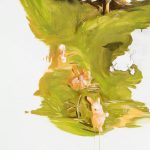
- Lucy Winton (1995)
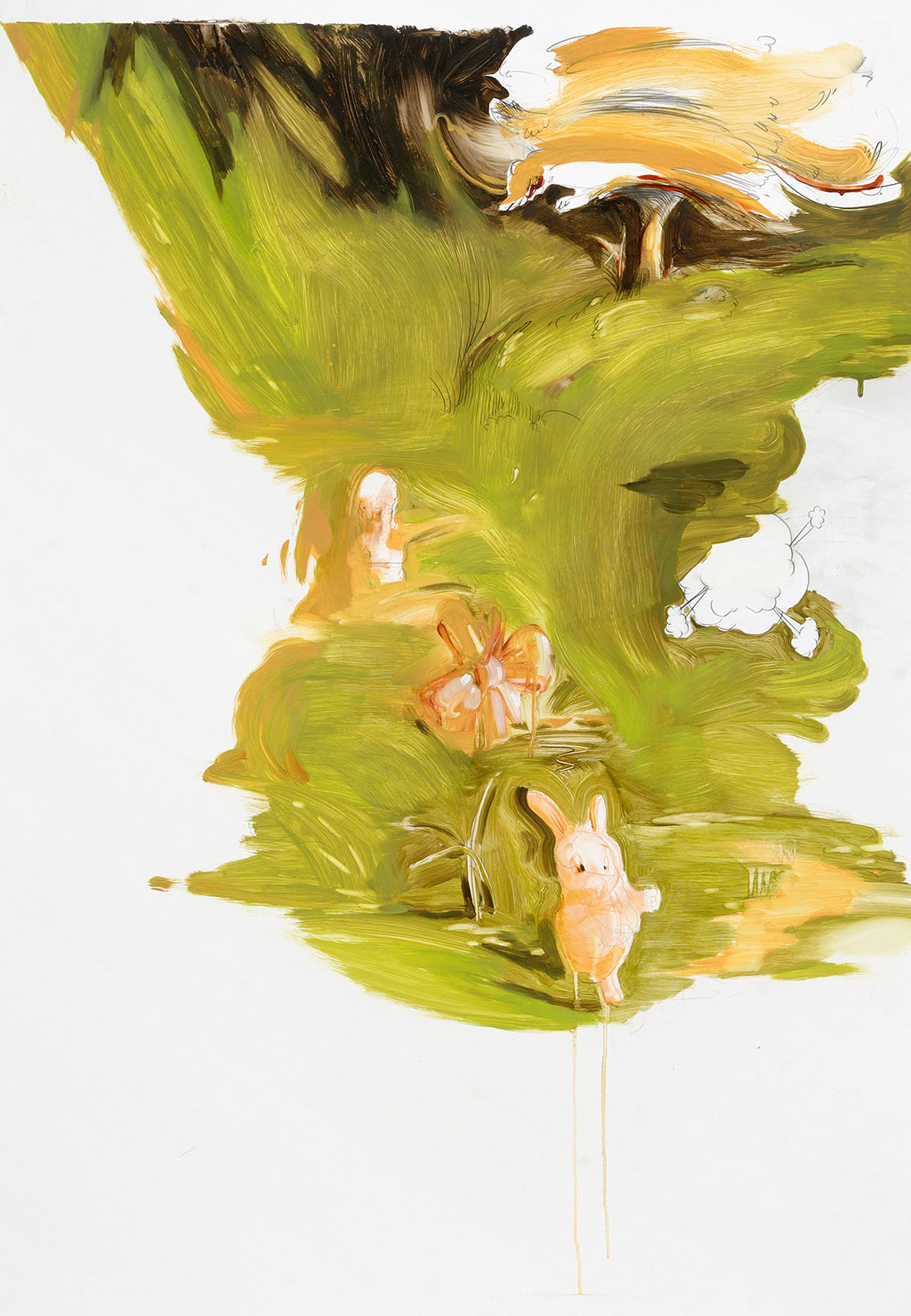
-
- Lucy Winton (MFA 1995)
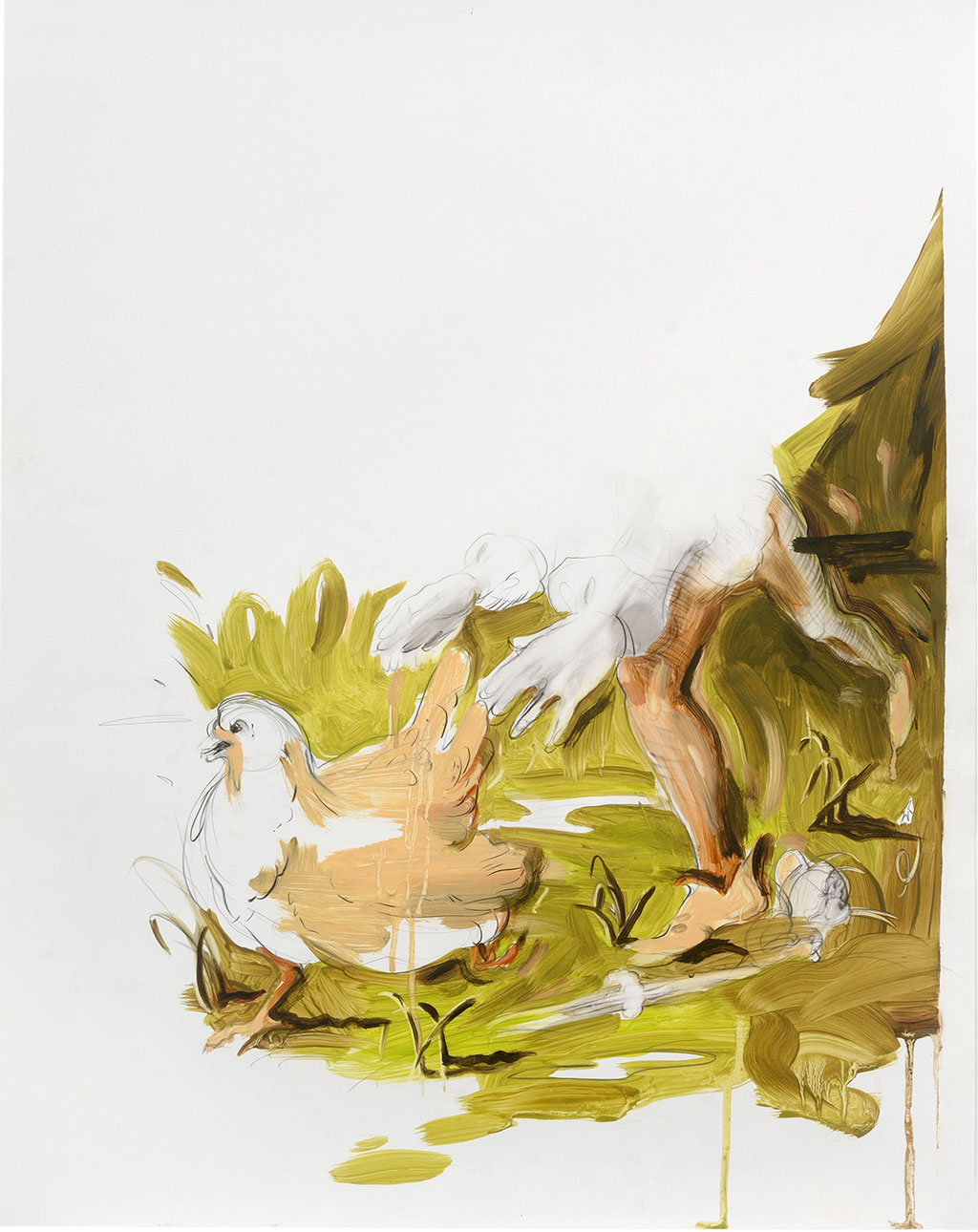
-
- Lucy Winton (MFA 1995)
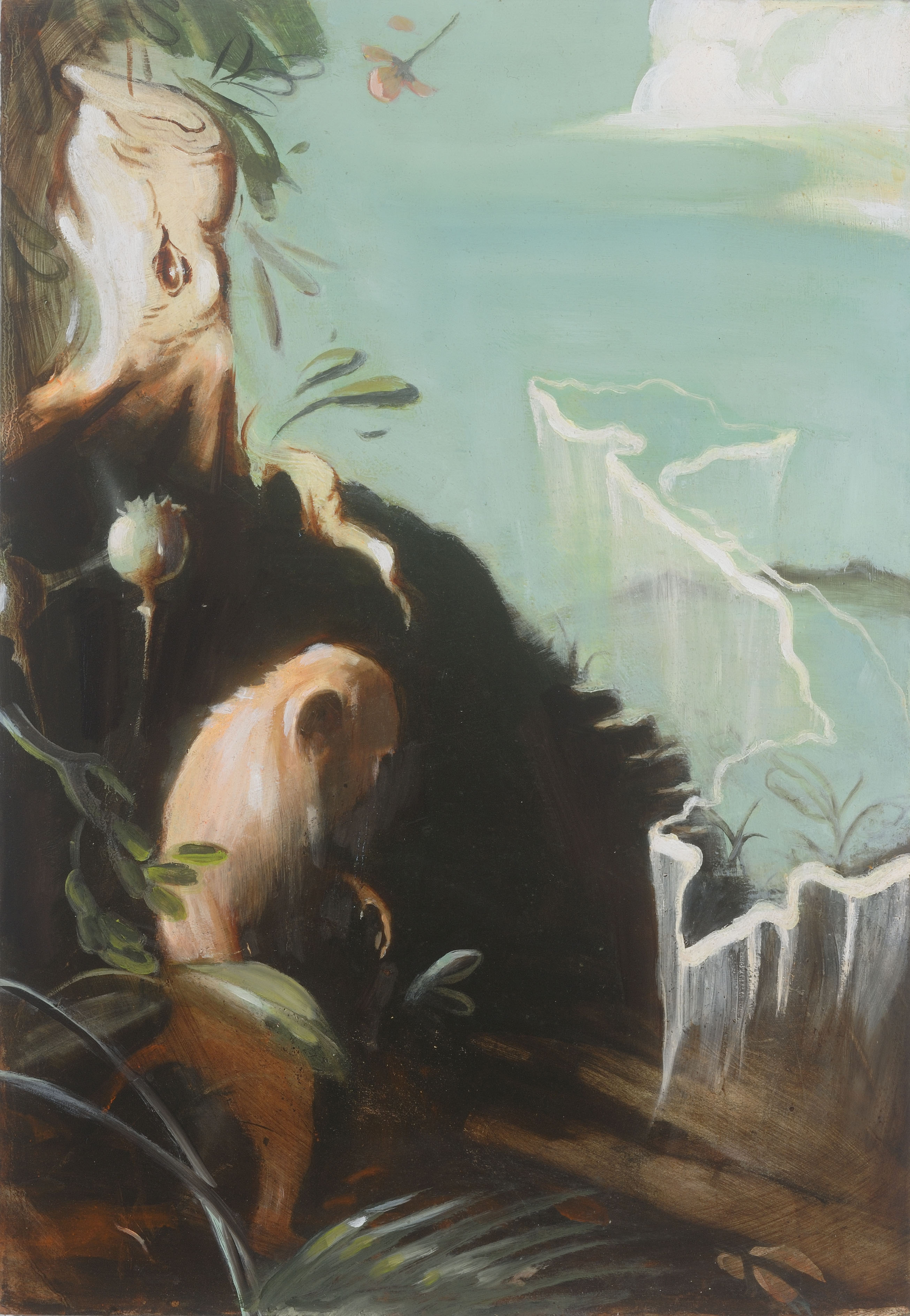
-
- Matthew Woodward (MFA 2007)

Cospudener & The Bauhaus: Leipzig Residency, Part 5

By Shangkai (Kevin) Yu (MFA 2014)
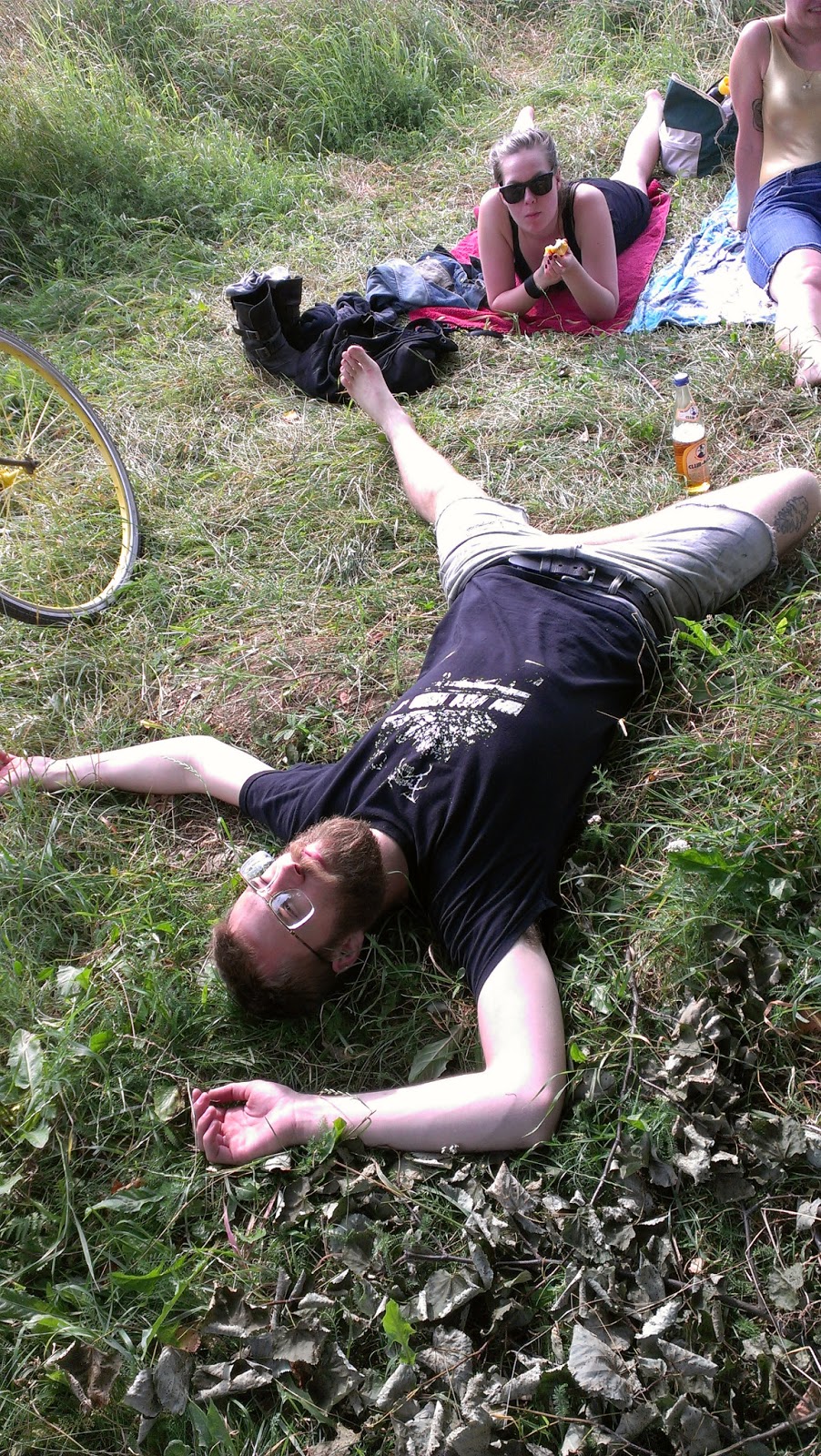 |
| Tim sleeping on the grass at Cospudener Lake |
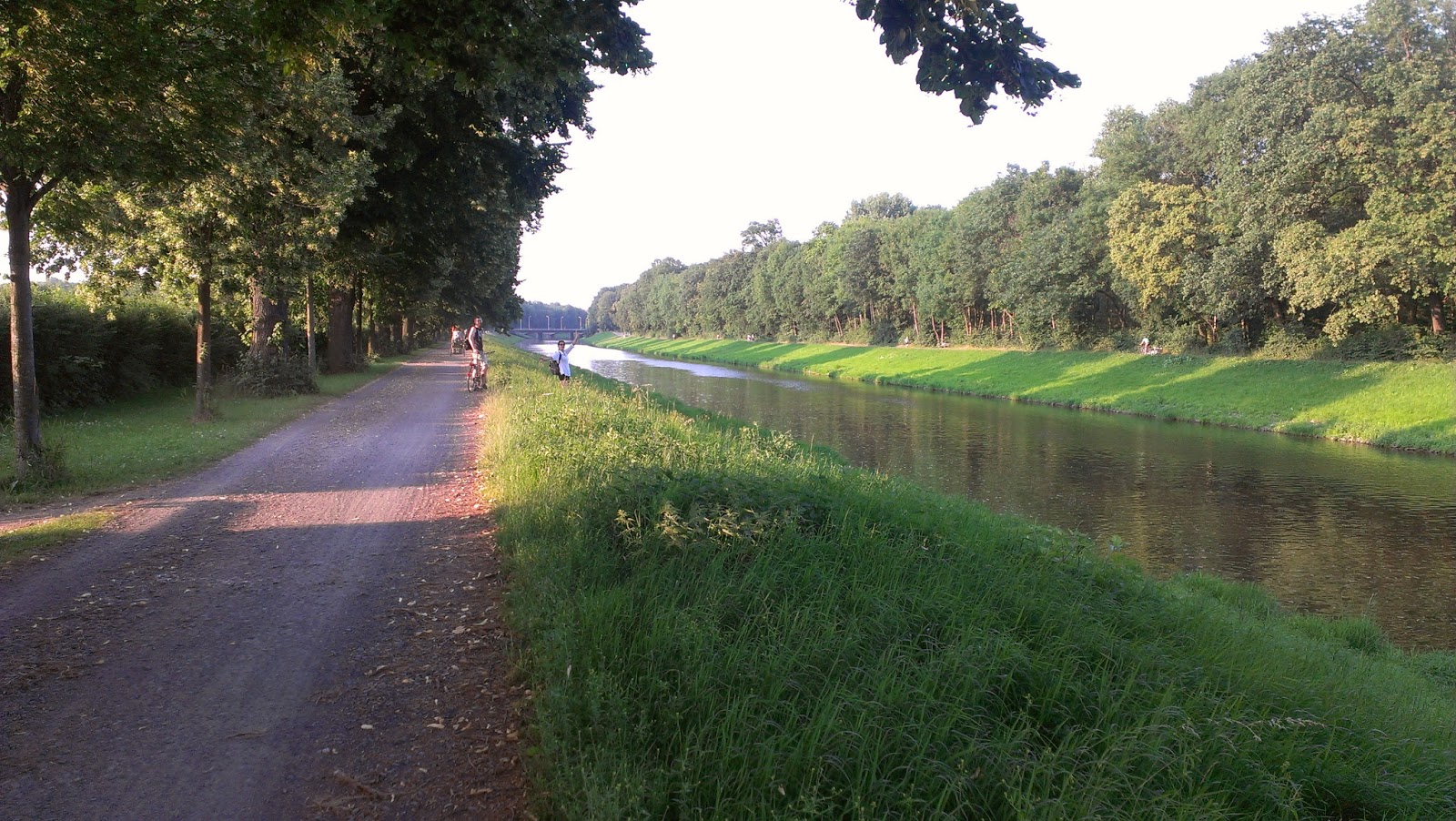 |
|
View of the canal on our bike ride home from the lake.
|
 |
|
The entrance to Bauhaus in Dessau, designed by WalterGropius.
|
 |
|
Another view of the Bauhaus building.
|
 |
| One of the Masters’ Houses built for the instructors, which include Walter Gropius, Paul Klee and Wassily Kandinsky. |
Among them was Walter Gropius’s “Lehrschema, 1922” (instructive schematic):
 |
|
This is the original German version of the Lehrschema
|
 |
|
Here is the English version of the schematic.
|
 |
|
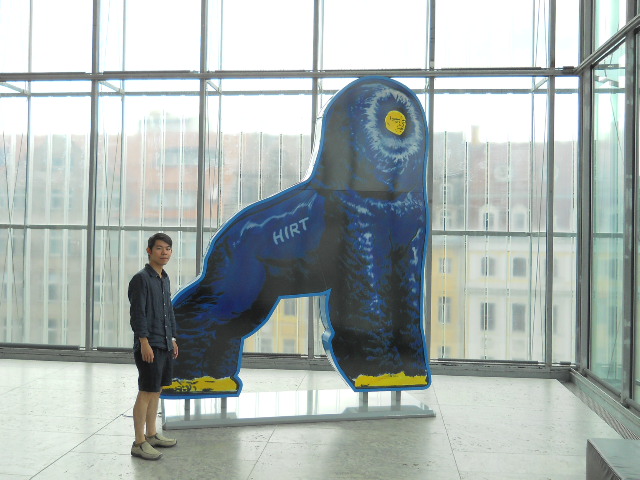
A sculpture by Neo Rauch in the Musem der bildenden Künste Leipzig.
|
 |
|
“Chilenisches Requiem” by Werner Tübke
|
The surface of the painting took me by surprise. Tübke chose to describe most things in this painting with the exact same technique. Viewing the painting at an arm’s length, this decision creates a strange effect, where the flesh transitions seamlessly into the garment, the pebbles into flesh, and the mountain range into the tree trunk. Everything in the painting seems be frozen.
 |
|
A detail shot of the painting, taken by Tim Buckley
|
Both Tim and I had difficulties deciphering the technique Tübke used in this piece. The scintillating texture on the forms seems at once strangely familiar and foreign to me. By chance I spotted the texture of the orange rind in a Dutch still life painting, and found the likely source of this peculiar form description in Tübke’s painting.

On May 31, four Academy students arrived in Leipzig, Germany, to start a two-month residency hosted by the Leipzig International Art Programme. Alicia Brown, Tim Buckley, Krista Smith and Shangkai (Kevin) Yu (all members of the class of 2014) will share their experiences here throughout the summer!
Satisfying the Inner Tourist: China Residency, Part 6


When we exited the futuristic trolley that had taken us through the tunnel, we found ourselves right around the corner from the Oriental Pearl Tower. Staring up at the giant pink pearlescent orbs, we decided to go see Shanghai from above by making our way up to the viewing decks.
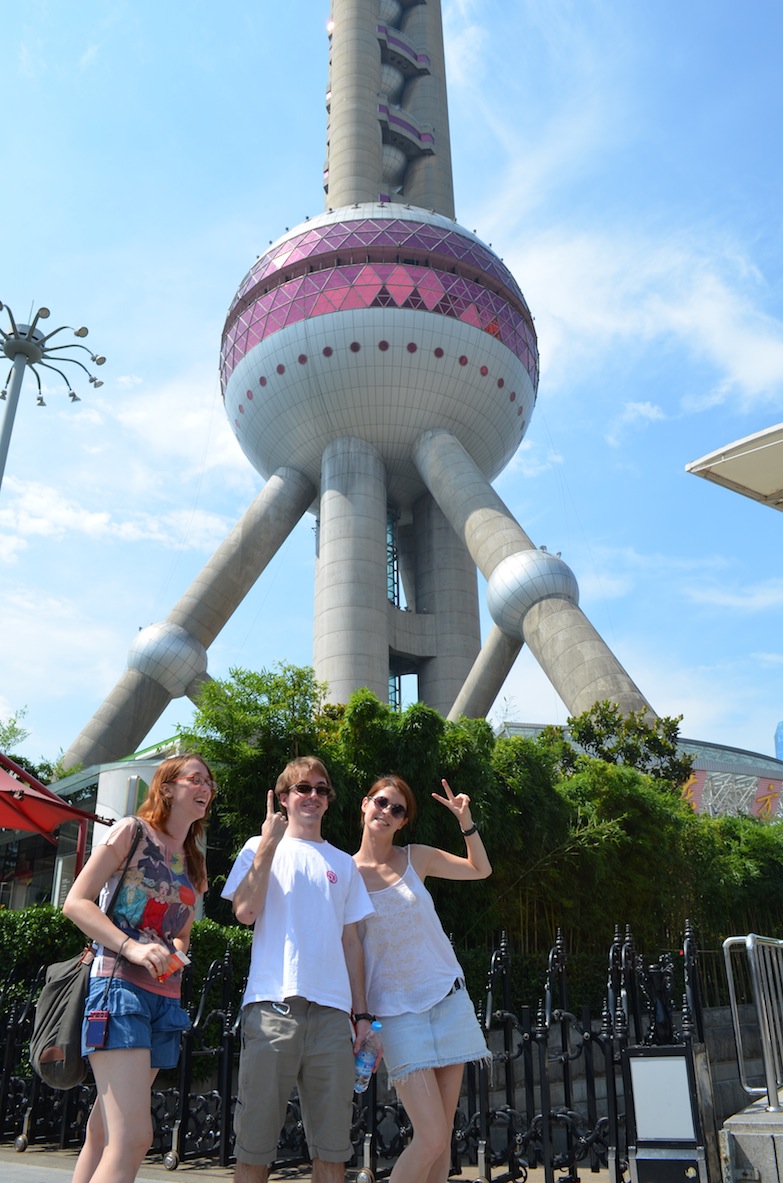
Somewhere around 265 meters above the ground, the view was stunning and uniquely unnerving due to the glass floor on the second observation deck. I noted that it actually felt similar to seeing the mountainranges on our earlier excursion. While the buildings certainly were not as mammoth as mountains, the sheer expanse of highrises receding into the distance was just as sublime.





After all this, the rest of the weekend was spent, most importantly in my eyes, with a few last nights with the incredible group of international friends who so warmly shaped our experience on campus and in the city. Much love to Roland, Wen, John, Sylvia, Ray, Marta, Kamal, Agata, Anna, Peter, Sara, Elke, Rory, Andy, Alec, Iona, Tania, Dasha, the Kate’s and Mateo (and this goes without saying of course: Wang Yi!).
Ancient Artifacts, Temple Ruins and 248 Stairs: Mexico City Residency, Part 2

A quick bike ride down to Chapultepec Park last week revealed a vast cornucopia of museums and sites, most notably the world famous Anthropology Museum. I can honestly say this is one of the most impressive museums I’ve visited. Focusing primarily on Mesoamerican history, the museum’s sheer size and number of artifacts is awe-inspiring. The layout is extremely well thought out, with exhibition halls dedicated to each major tribe and geographic area. The museum has everything from small trinkets to temple ruins–truly extraordinary.
 |
| The expansive courtyard of the museum |


Across the main road that runs through the park is the Museum of Modern Art. It is a small museum, but the collection is formidable, and it is curated flawlessly.
 |
| work by Martha Pacheco |

 |
| Seeing this work in person was a real treat. |


Inspired by my experience at the Anthropology Museum, I took the hour-long bus trip north of the city to Teotihuacan to visit the ancient city and temples.


 |
| The Temple of the Sun |
 |
| Treacherous steps |
I was immediately blown away by the sheer size of the site. Constructed 2,400 years ago, the site was home to over 125,000! I know that there has been construction over the years to keep the site open for visitors, but it seems to have been preserved marvelously all this time. The main attractions here are the Temple of the Sun and the Temple of the Moon. The 248 steps to the top of the Temple of the Sun were treacherous at best, but the end result was totally worth it. Here I am at the top:

The Leipzig Residency is–as we would say in Jamaica–‘irie’ (great!): Leipzig Residency, Part 4
It has been 34 days since we entered the gates of the Spinnerei, and every day from that moment has been a pinch-me experience. Waking up in the mornings to the sound of Neo Rauch working in his studio (located above the large studio space I share with Krista Smith) is definitely my alarm clock to start the day.
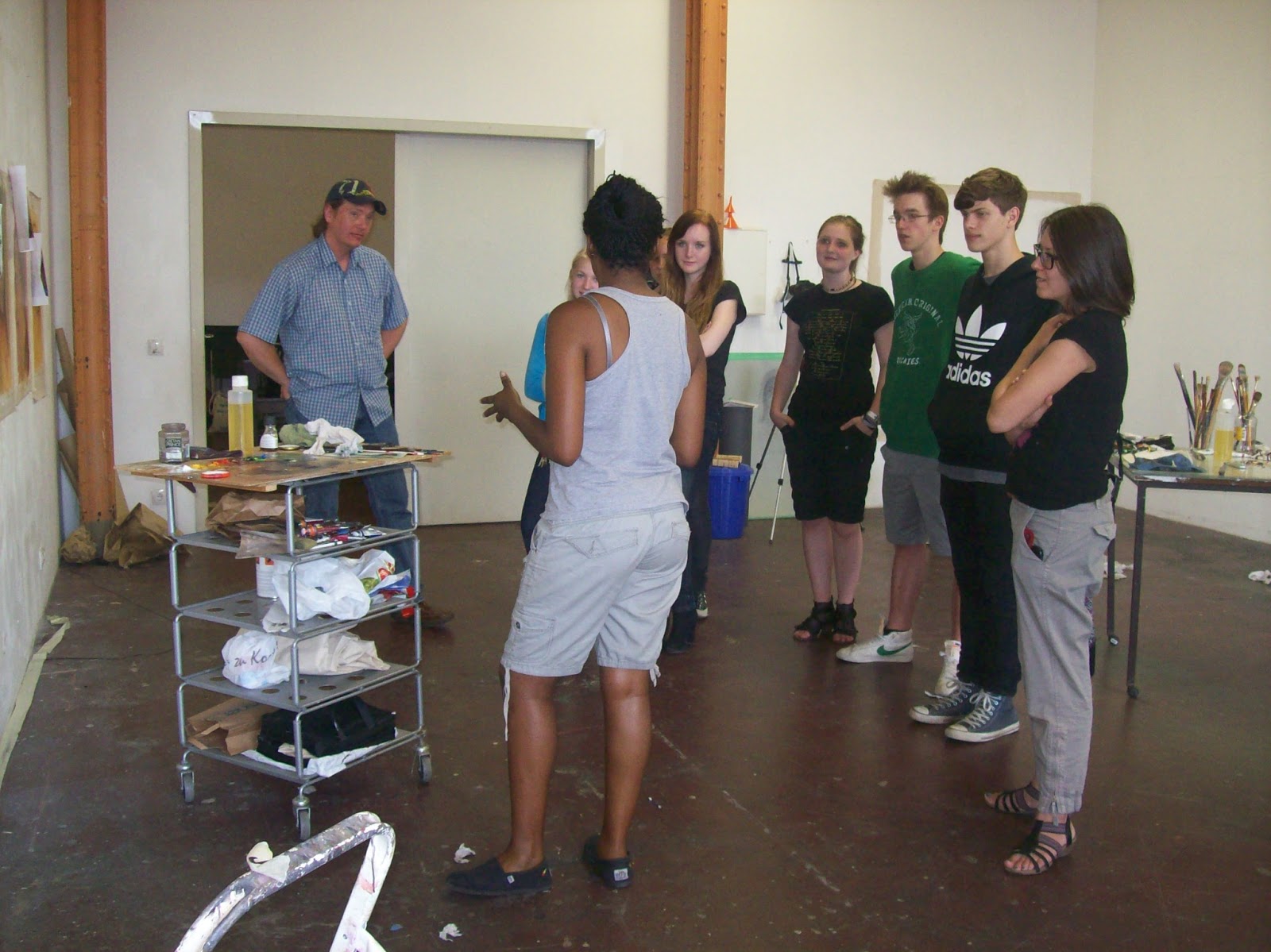 |
| Talking to students from the international school in Leipzig about my work |
 |
|
Krista Smith talking to students from the international school about her work
|
 |
|
The Painter with Mary in Newspaper Magi-fool’s hats, 1981
|
More recently we visited the studio of artist Titus Shade. A former student of Neo Rauch, Titus creates paintings that merge flat geometric architectural shapes with three-dimensional organic forms such as clouds and trees. The juxtaposition with the flatness and illusion of form in his paintings is an interesting shift from the more figurative representation that is present in the works of other artists from the Leipzig school. Titus visited our studios as well.
.jpg) |
|
On our way to Titus Shade’s studio with Tim Buckley,
Krista Smith, and Shangkai Kevin Yu.
|
 |
|
Titus Shade in his studio talking to us about his work
|
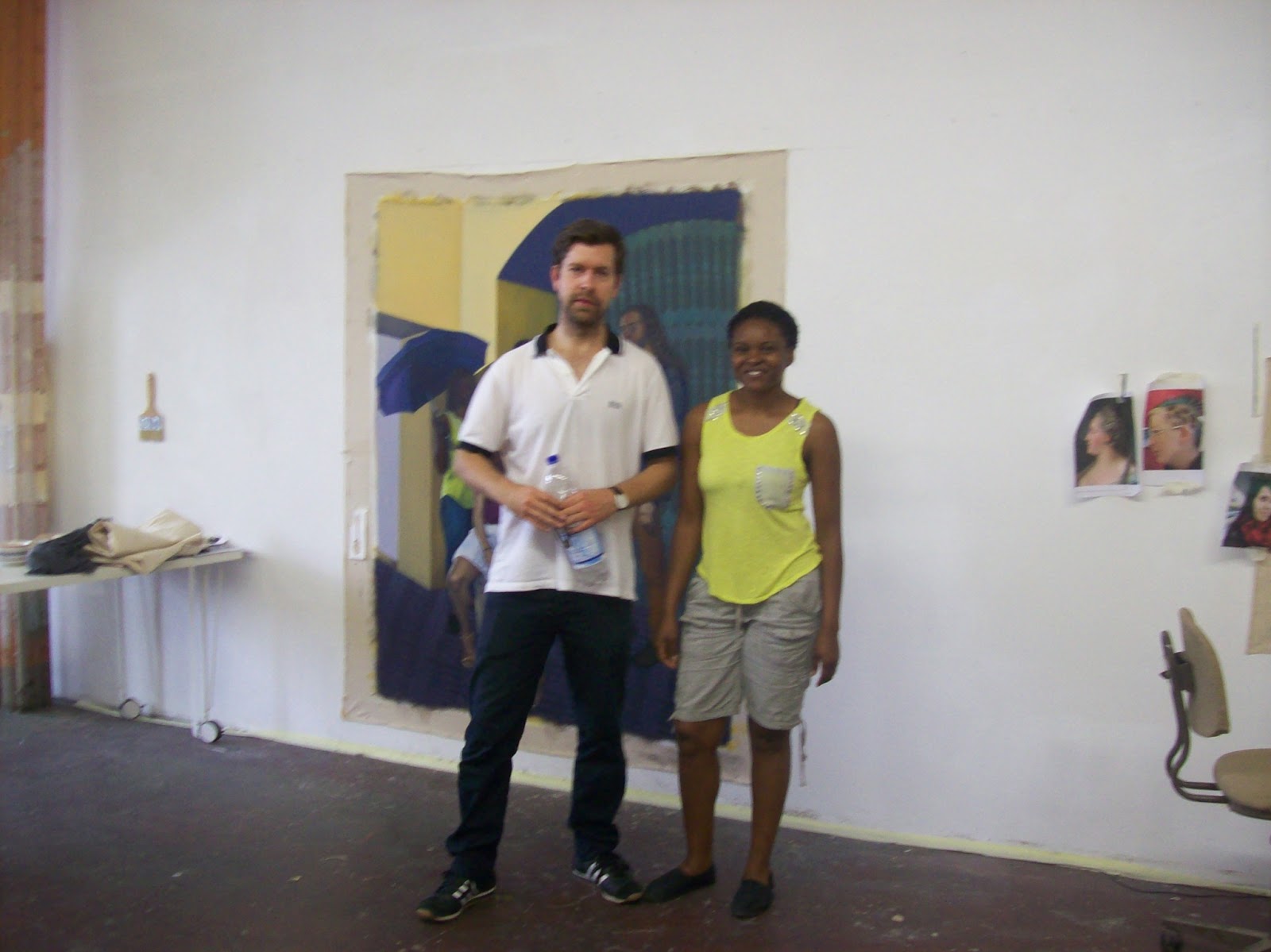 |
| Titus Shade and me in my studio |
 |
|
Krista smith, Sven Braun, Kristina (LIA)
|
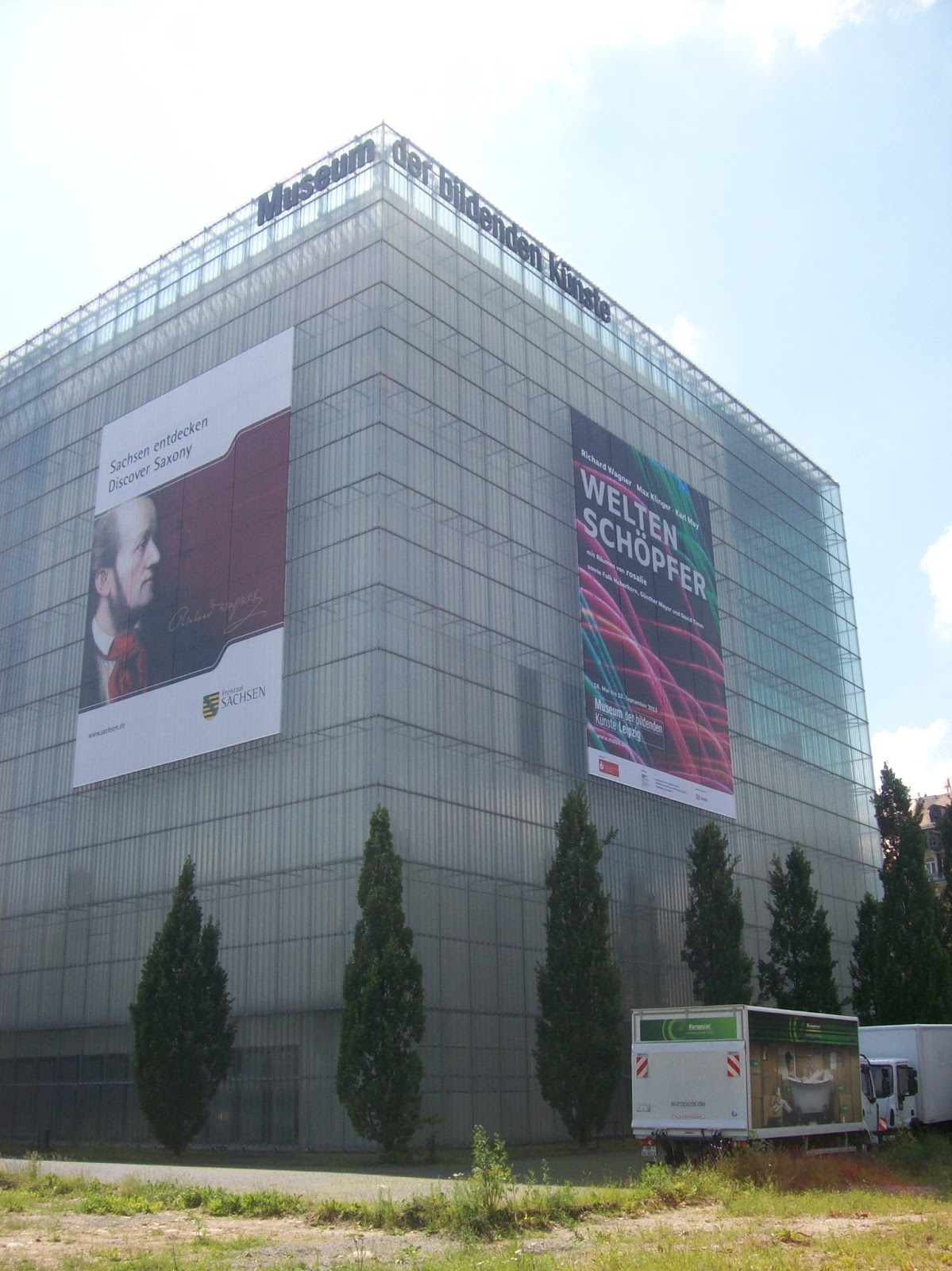
Visit to Museum der Bildenden Kunste Leipzig
The Museum of Modern Art Leipzig is home to a collection of works by the forefathers of German art and younger artists who continue to work and live in Leipzig. Among the forefathers are Max Klinger, Richard Wagner, Max Beckmann and Werner Tubke to name a few. The modern collection was interestingly represented by a few young artists such as David Schnell and Martin Kobe. This, in my estimation, is quite an accomplishment for these young artists (and others who are not mention here).
.jpg)

Happy (belated) Fourth of July from all of us in Leipzig!
