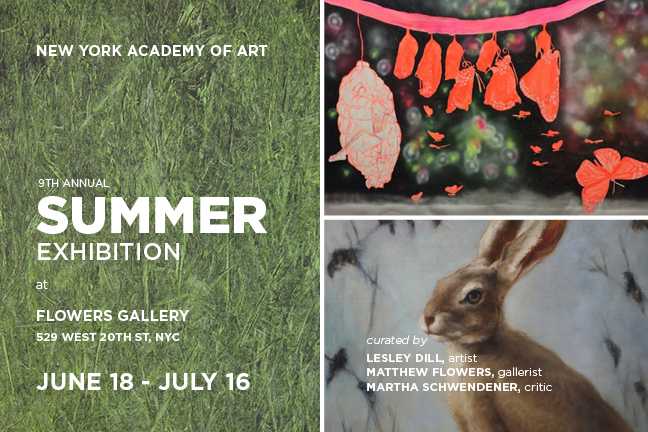
9th Annual Summer Exhibition
Artwork credits:
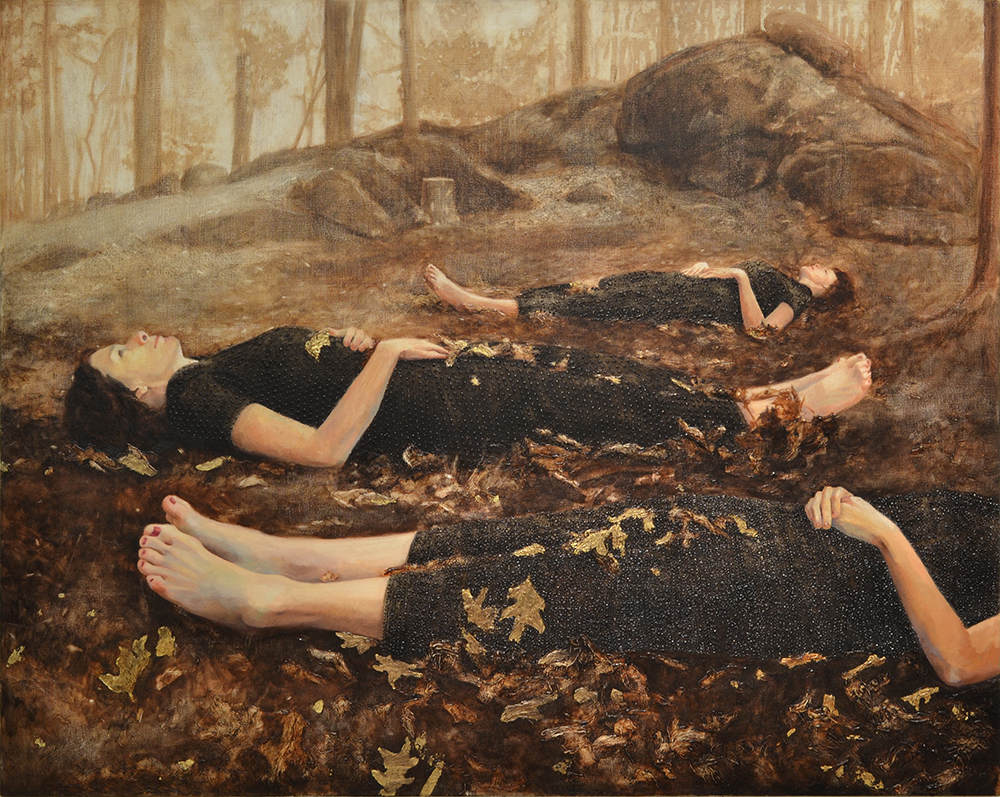
Lisa Lebofsky (MFA 2006) Lily Koto Olive (MFA 2013) Maggie Rose (MFA 2001)
-
- Emily Davis Adams (MFA 2011, Fellow 2012)
-
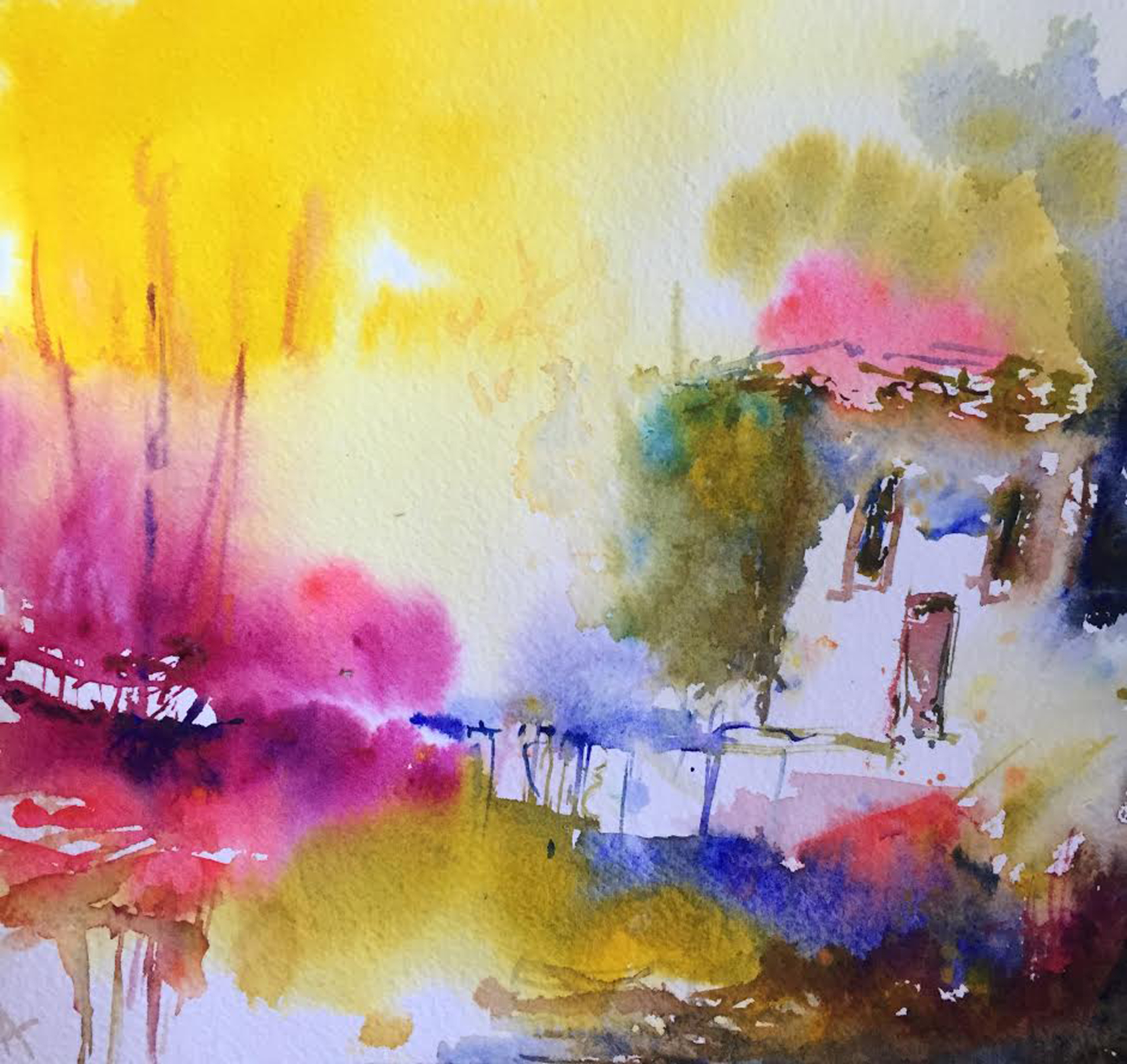
- Lia Ali (MFA 2013)
-
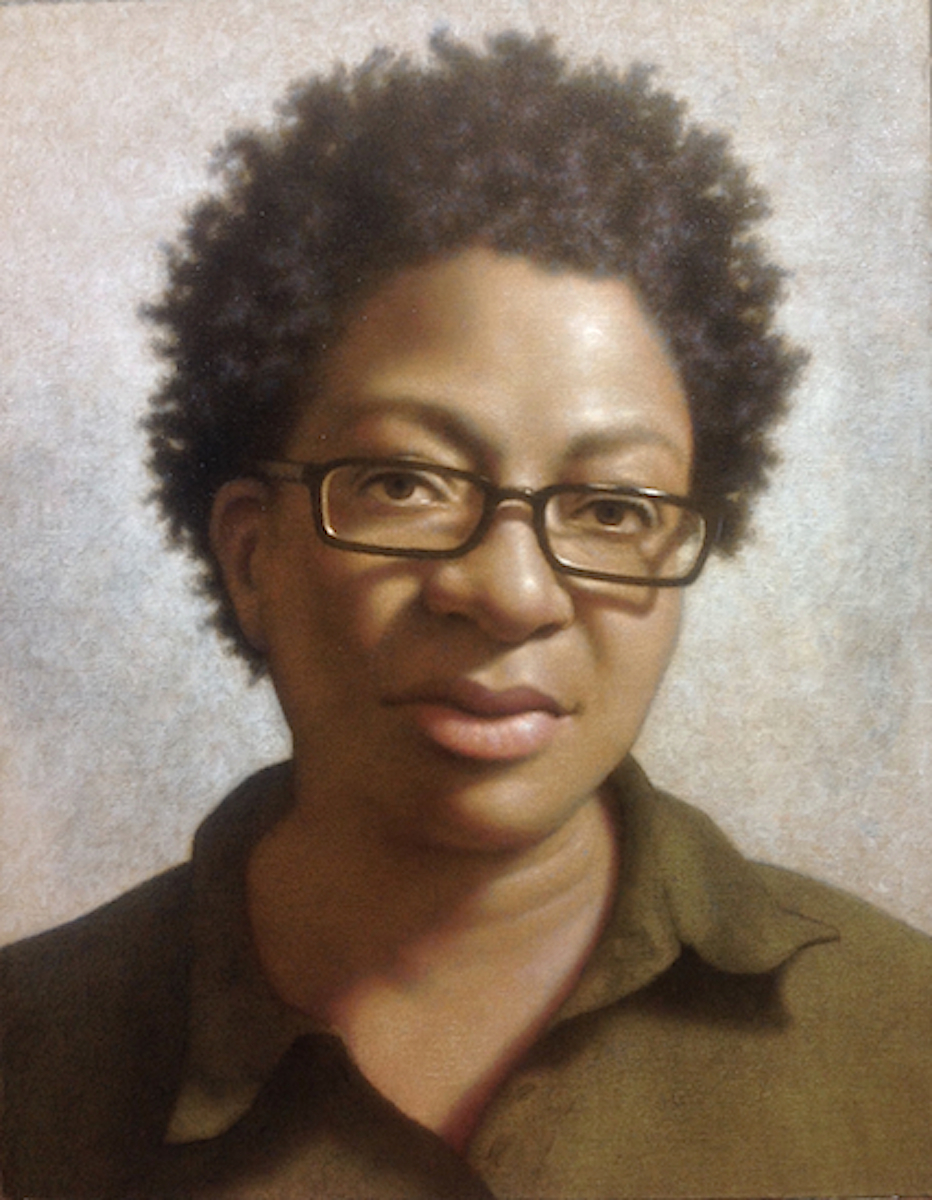
- Robert Armetta (MFA 1998)
-
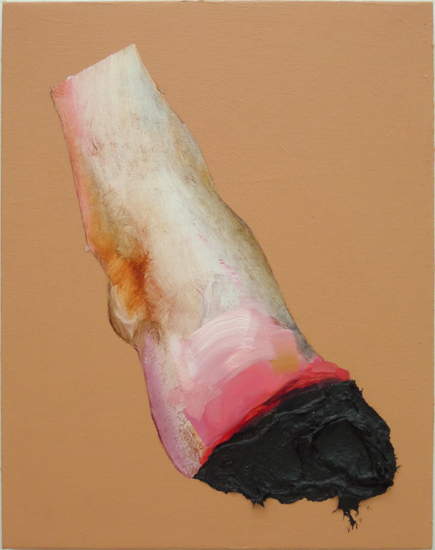
- Alexander Barton (MFA 2012)
-
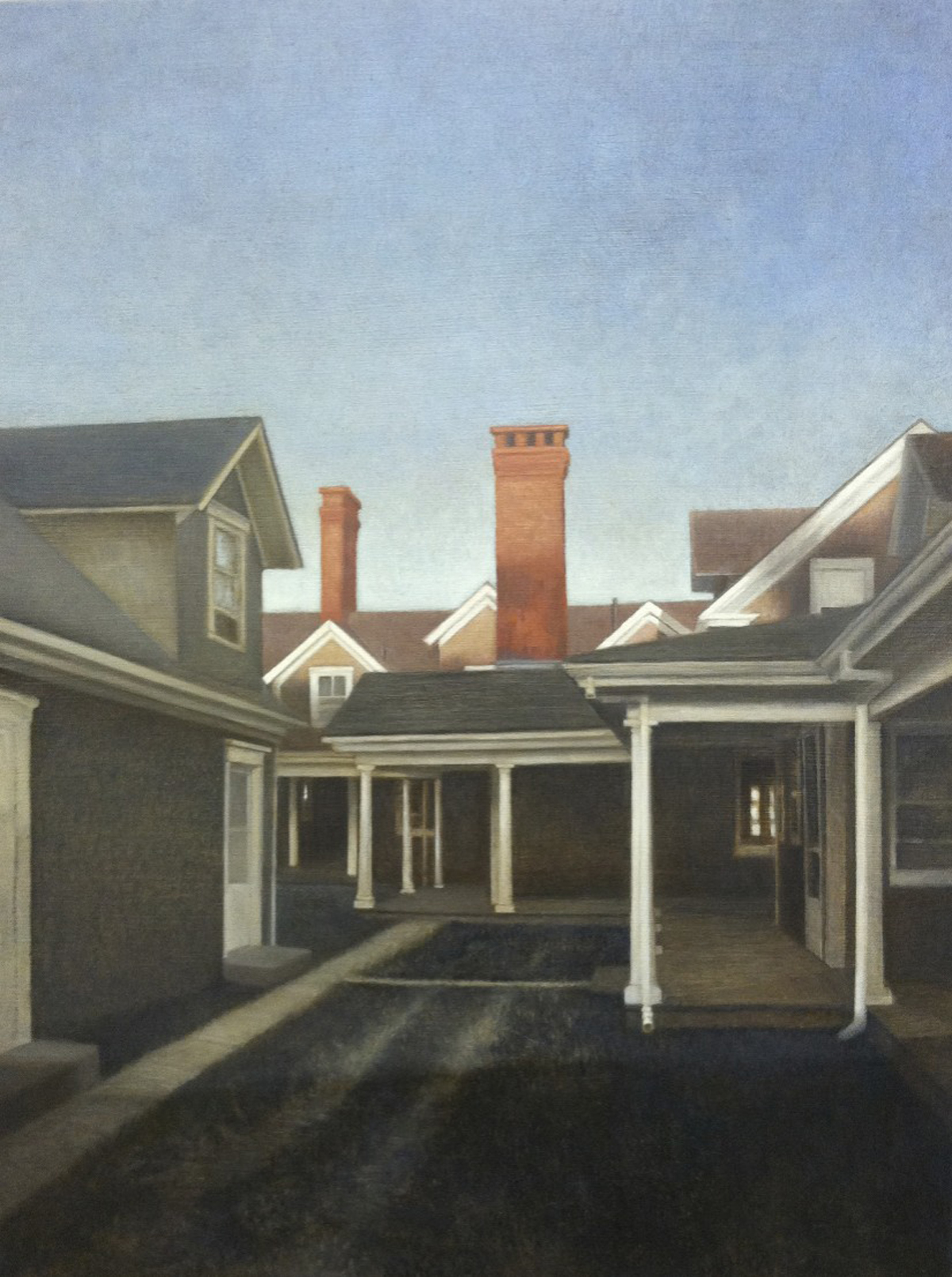
- Tamalin Baumgarten (MFA 2015)
-
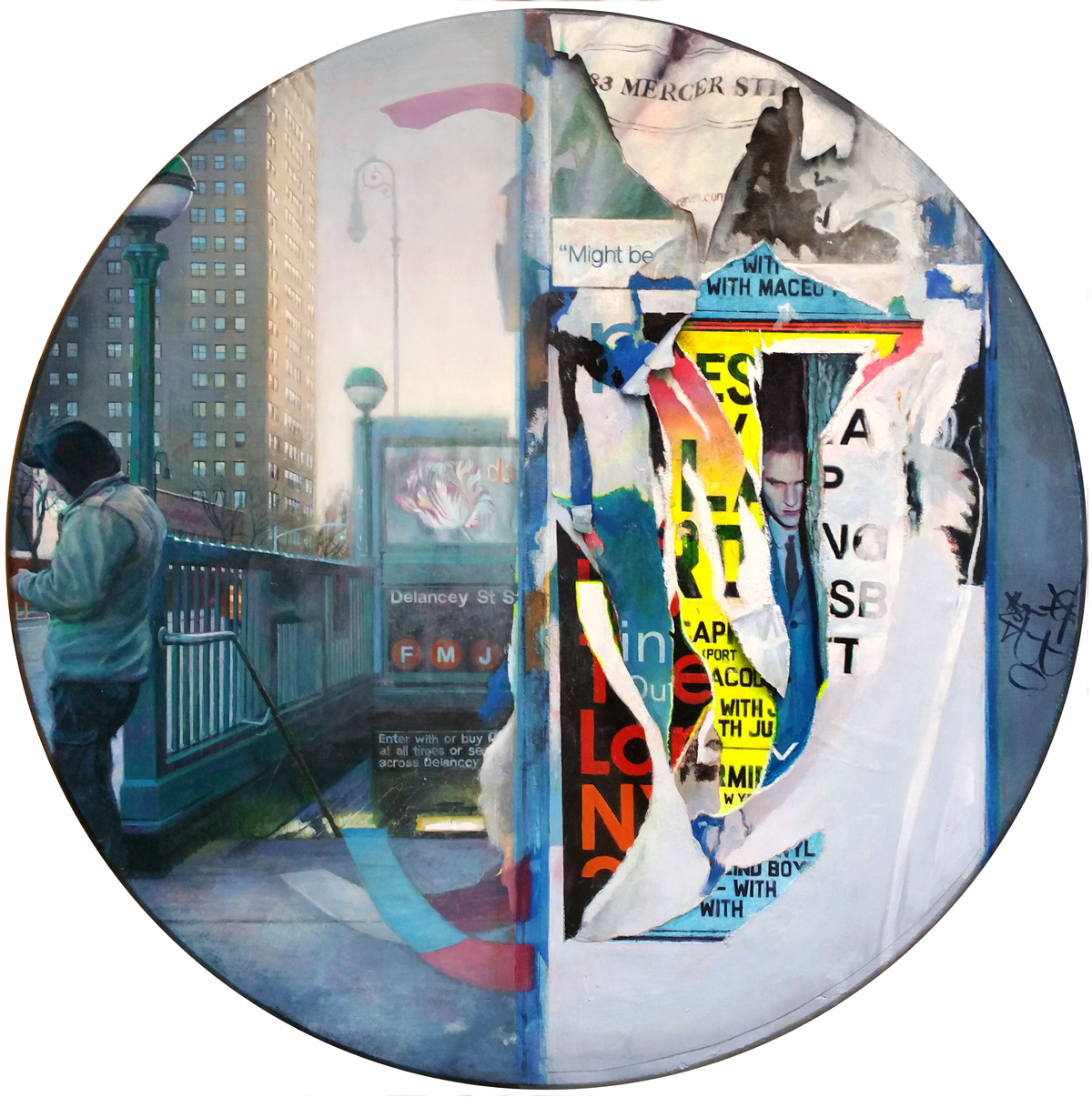
- Daniel Bilodeau (MFA 2013)
-
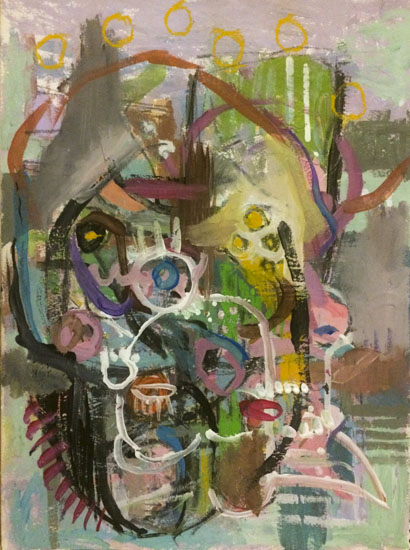
- Joao Henrique Brandao (MFA 2013)
-
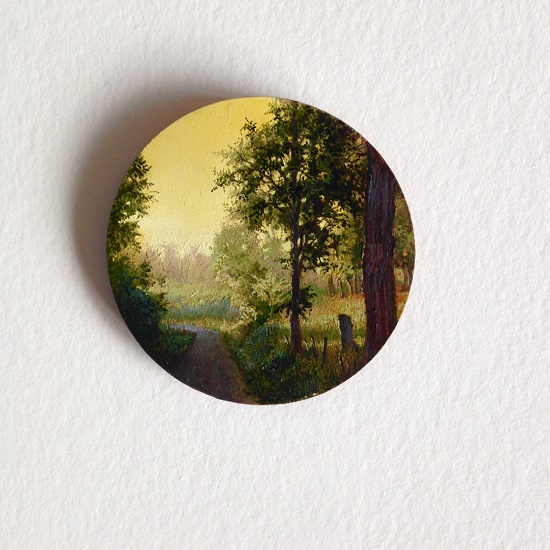
- Dina Brodsky (MFA 2006)
-
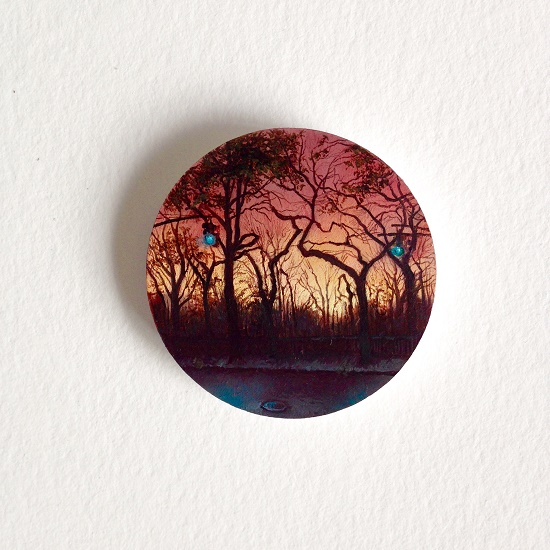
- Dina Brodsky (MFA 2006)
-
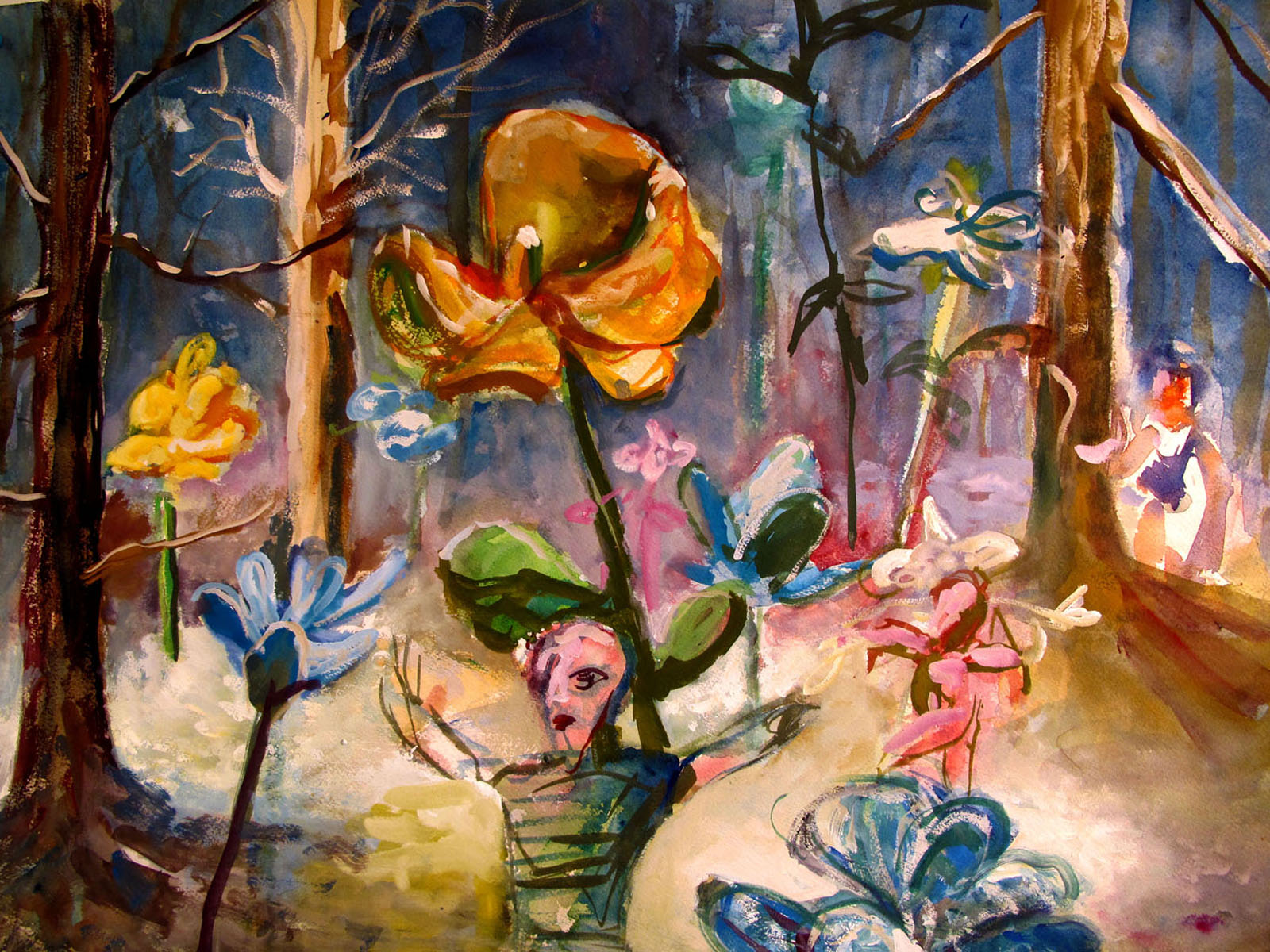
- Jessie Brugger (MFA 2010)
-
- Kathy Buist (MFA 1996)
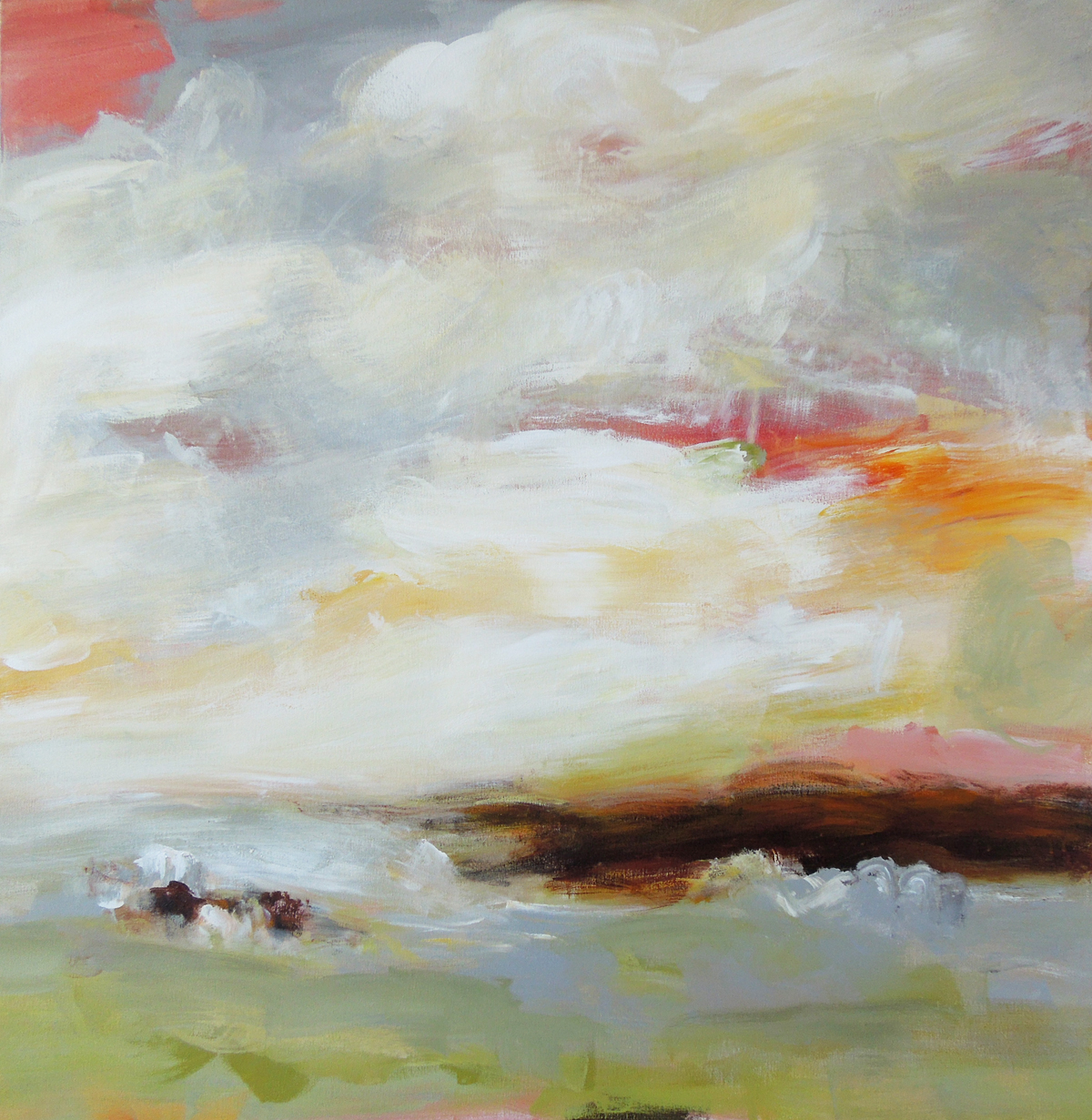
-
- Matthew Comeau (MFA 2015)
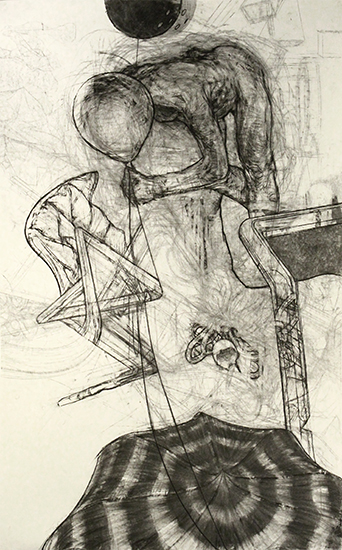
-
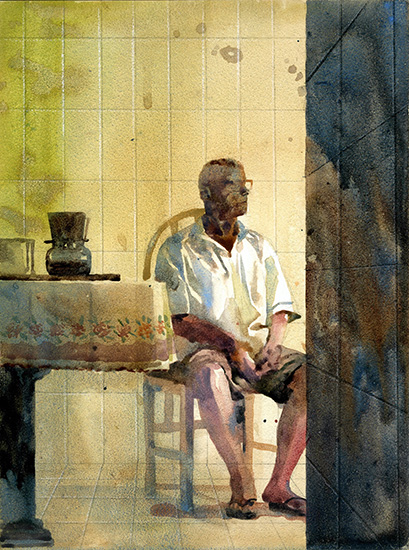
- Marcelo Daldoce (MFA 2016)
-
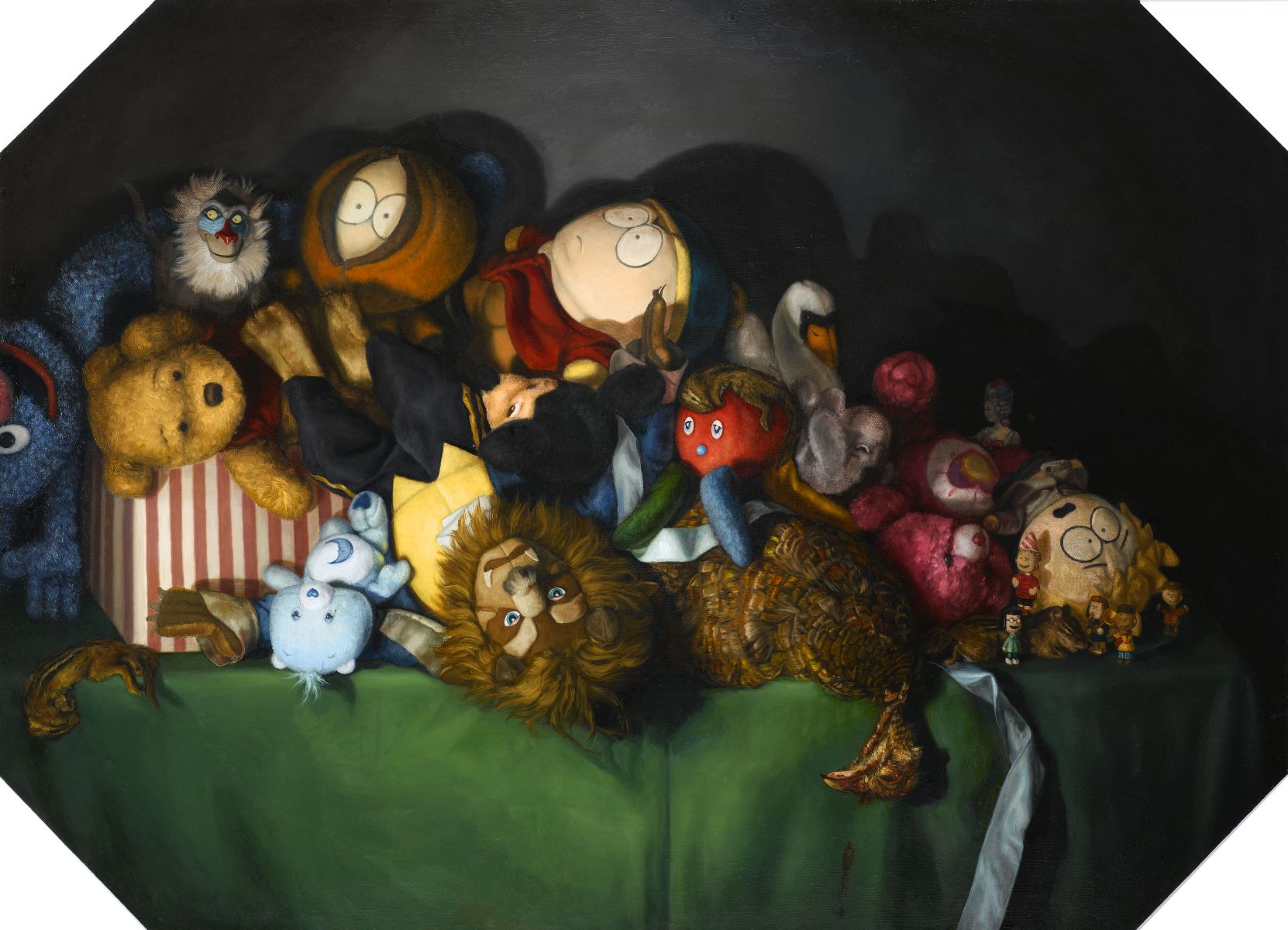
- Cara DeAngelis (MFA 2011)
-
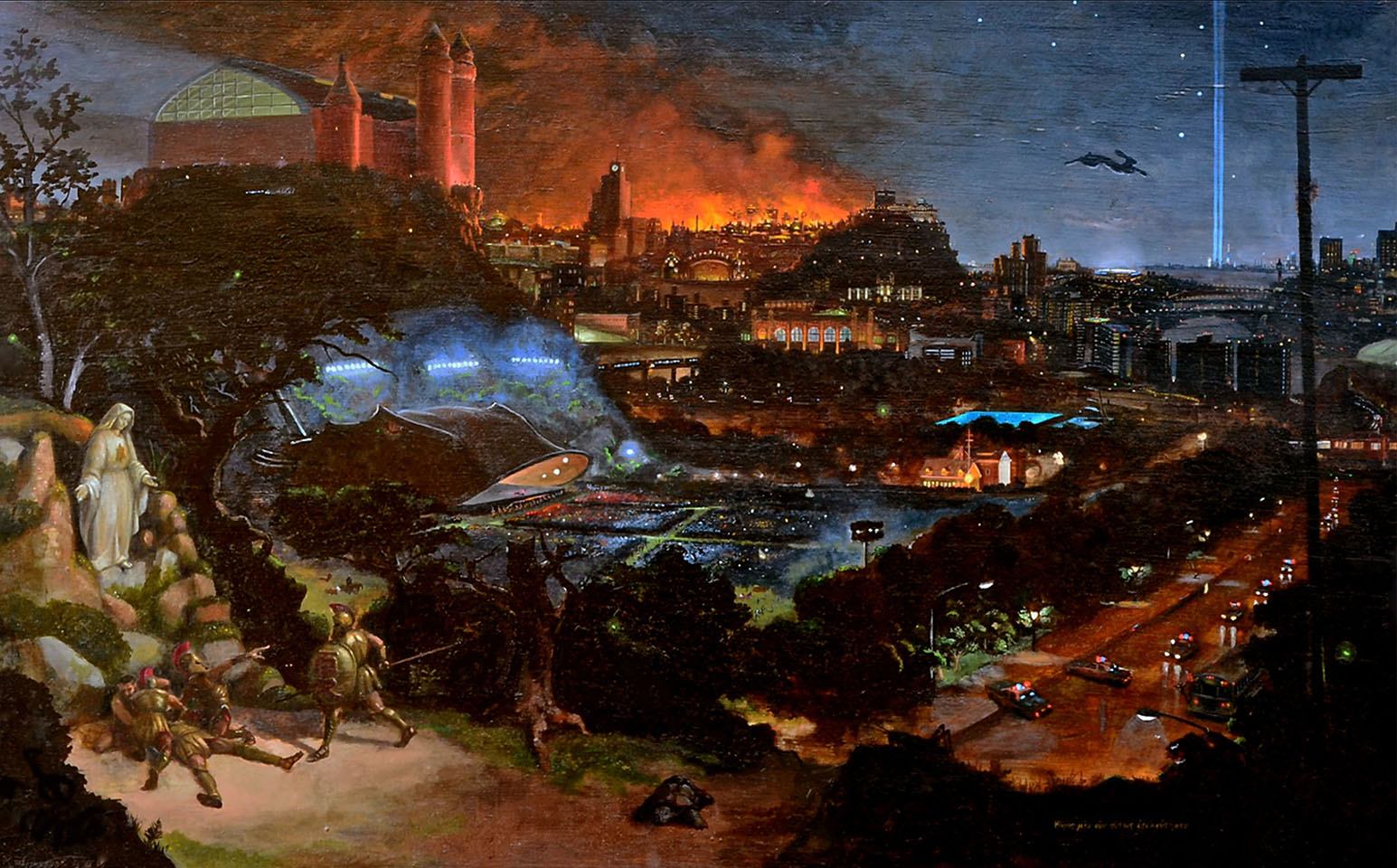
- Randall DiGiuseppe (MFA 2012)
-
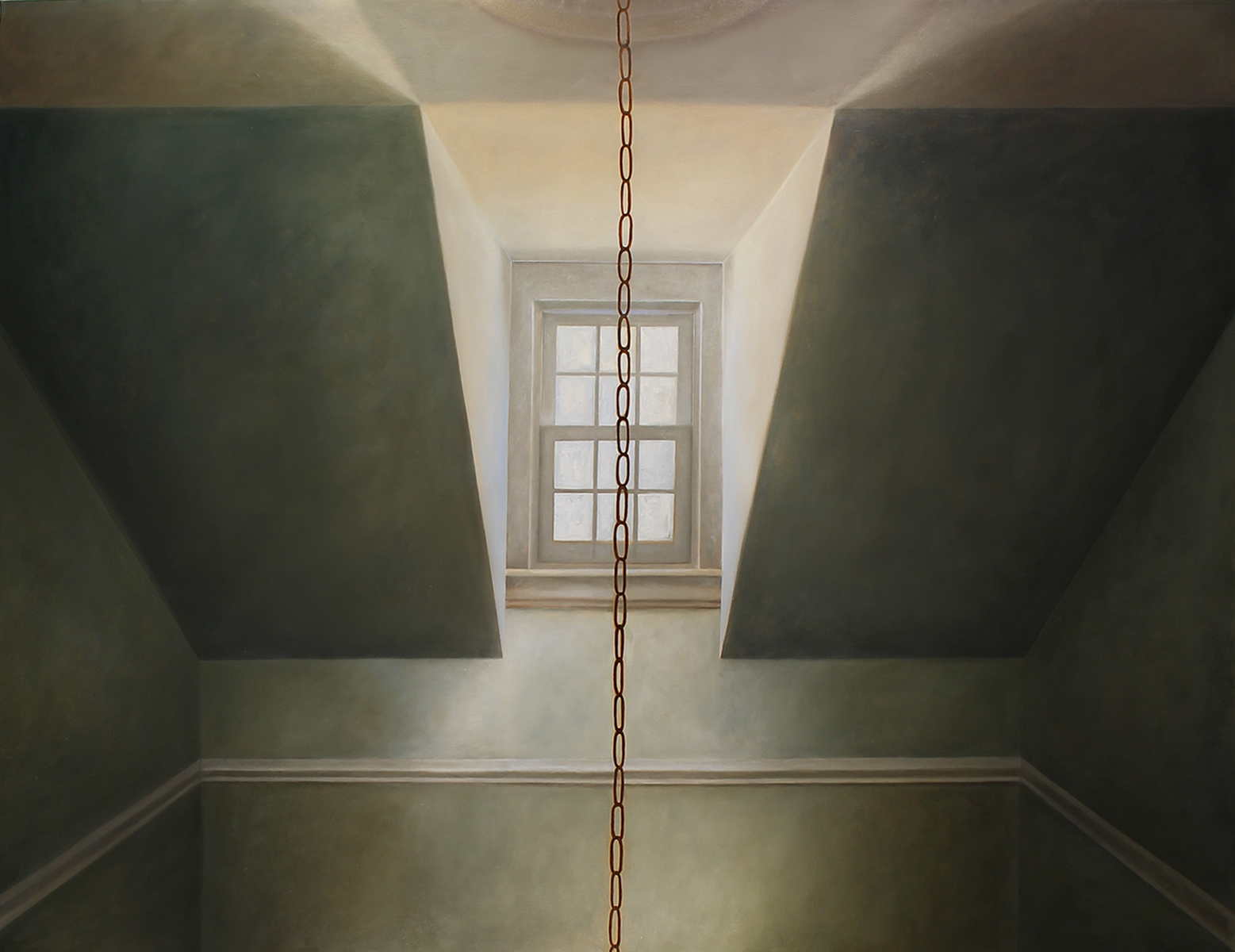
- Jaclyn Dooner (MFA 2015)
-
- Peter Drake (Dean of Academic Affairs)
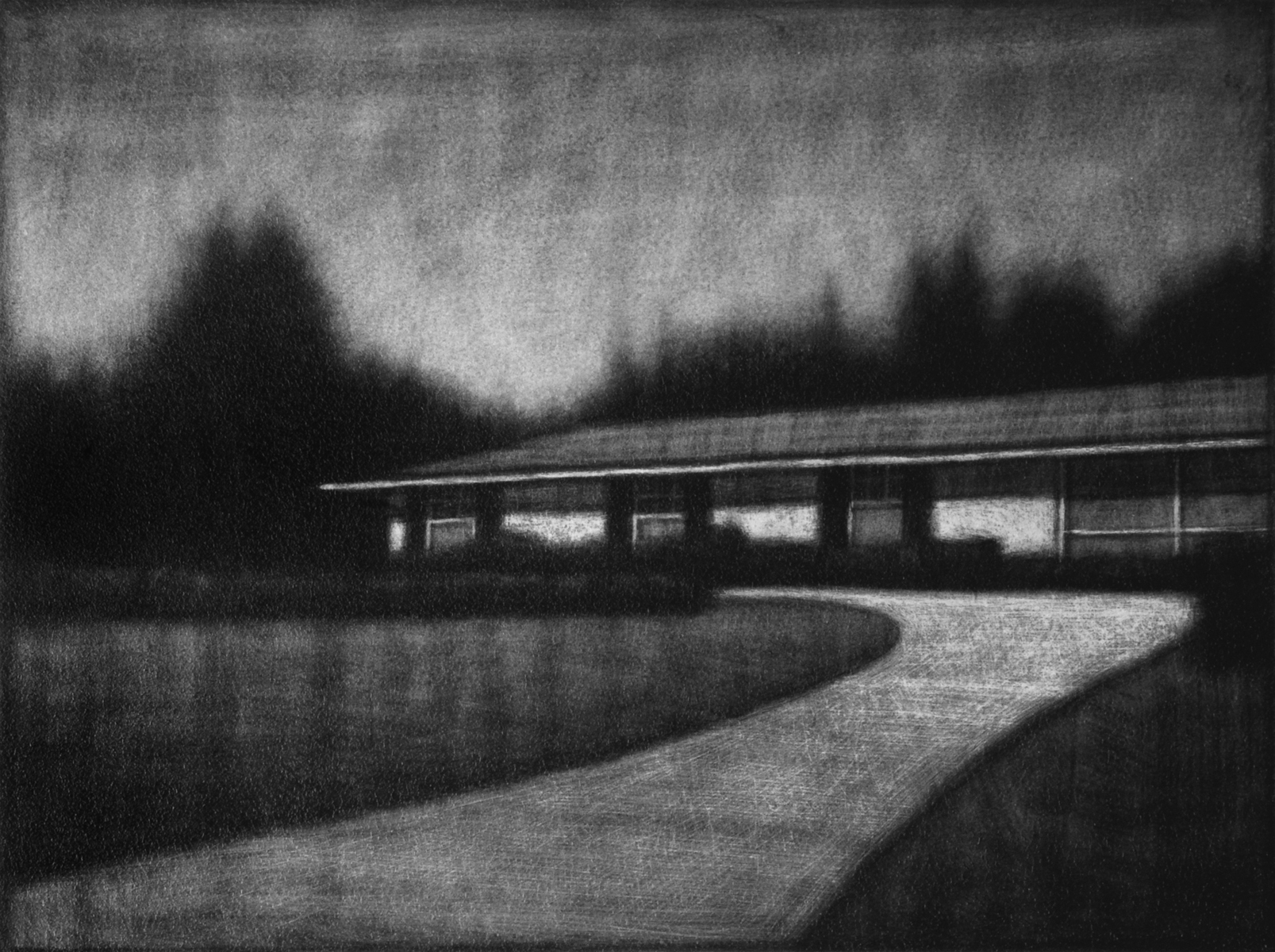
-
- Heidi Elbers (MFA 2010)

-

- Bernard Garcia (MFA 2015)
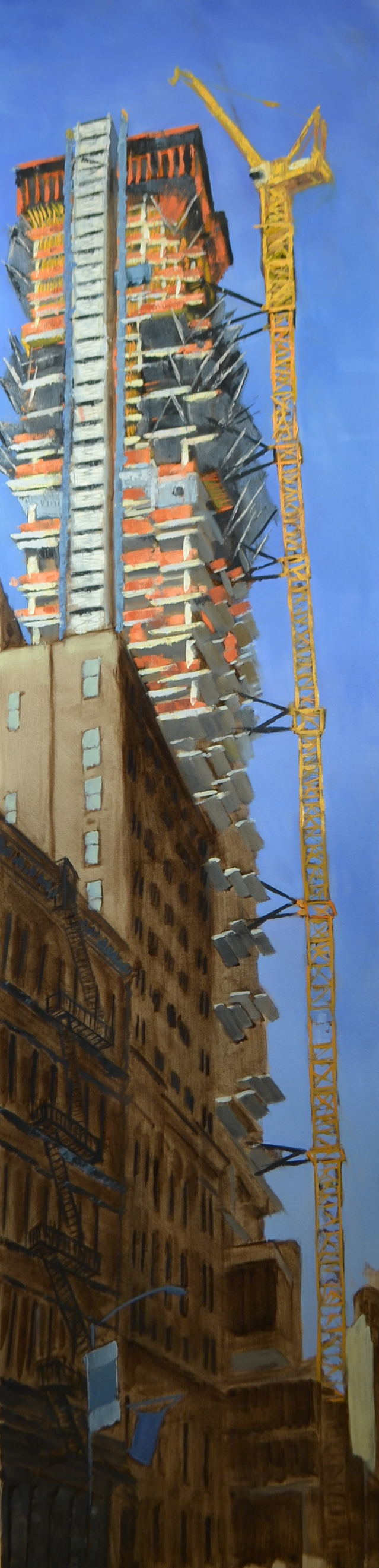
-
- Nick Gebhart (MFA 2015)
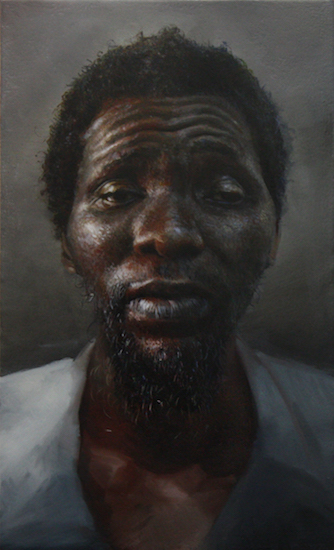
-
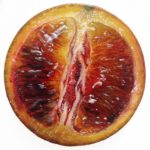
- Alonsa Guevara (MFA 2014)

-
- Gabriela Handal (MFA 2015)

-
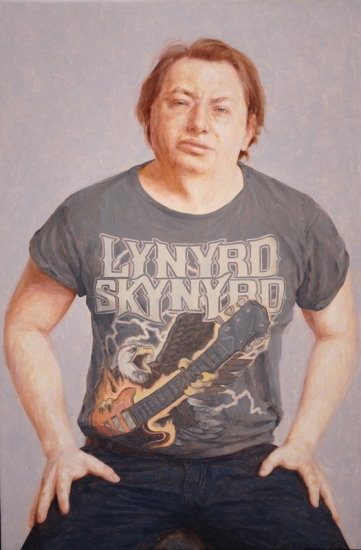
- Jacob Hayes (MFA 2014)
-
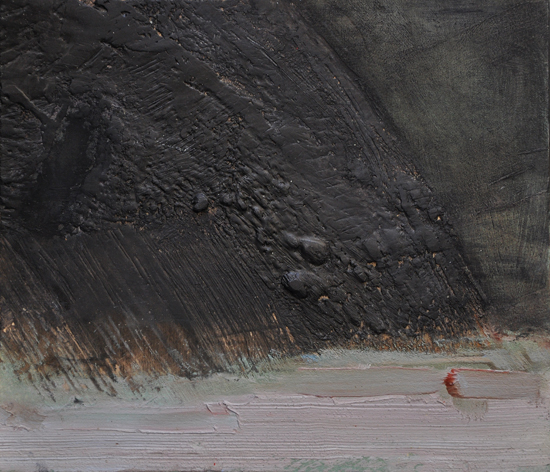
- Erinn Heilman (MFA 2015)
-
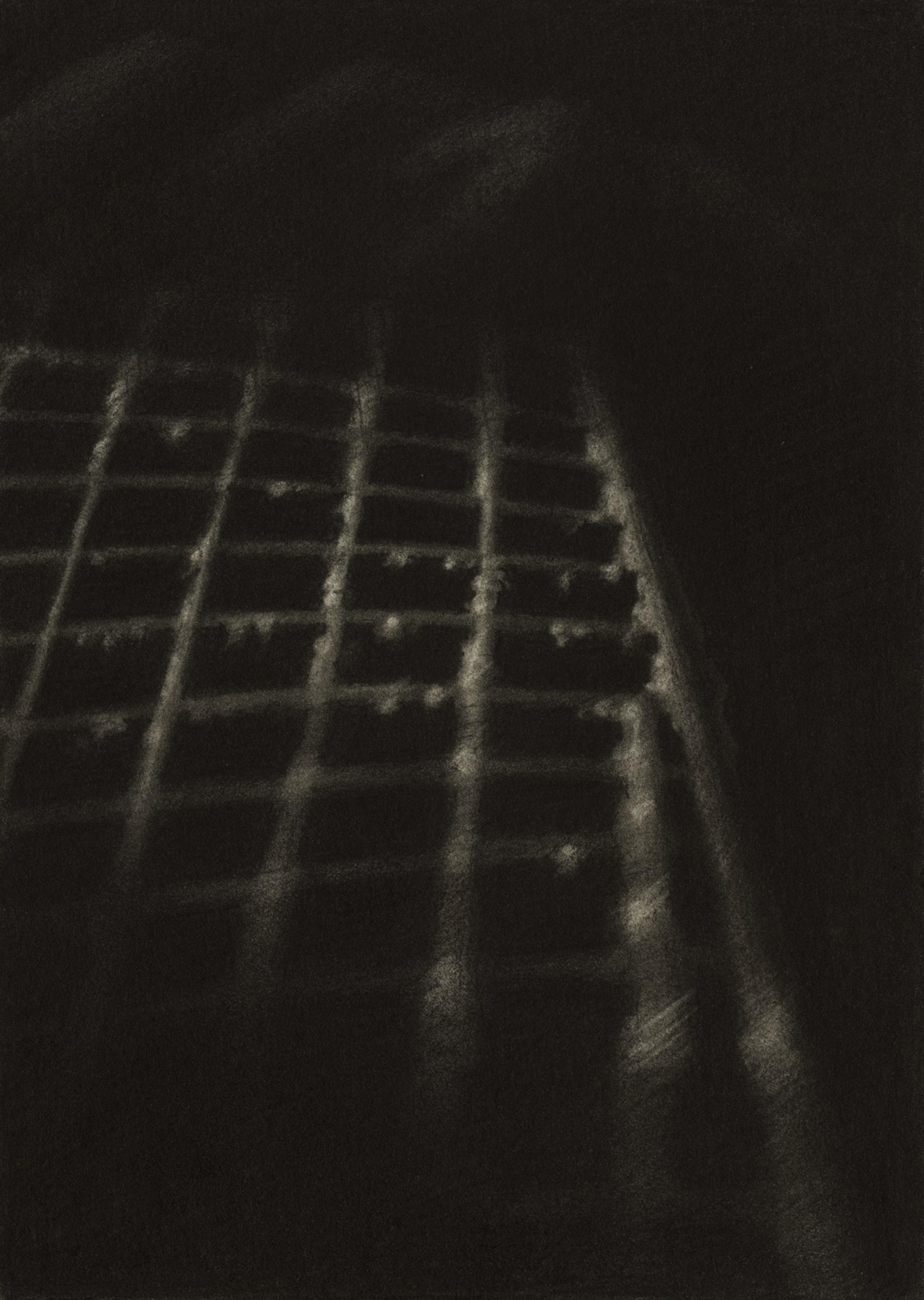
- Joshua Henderson (MFA 2015)
-
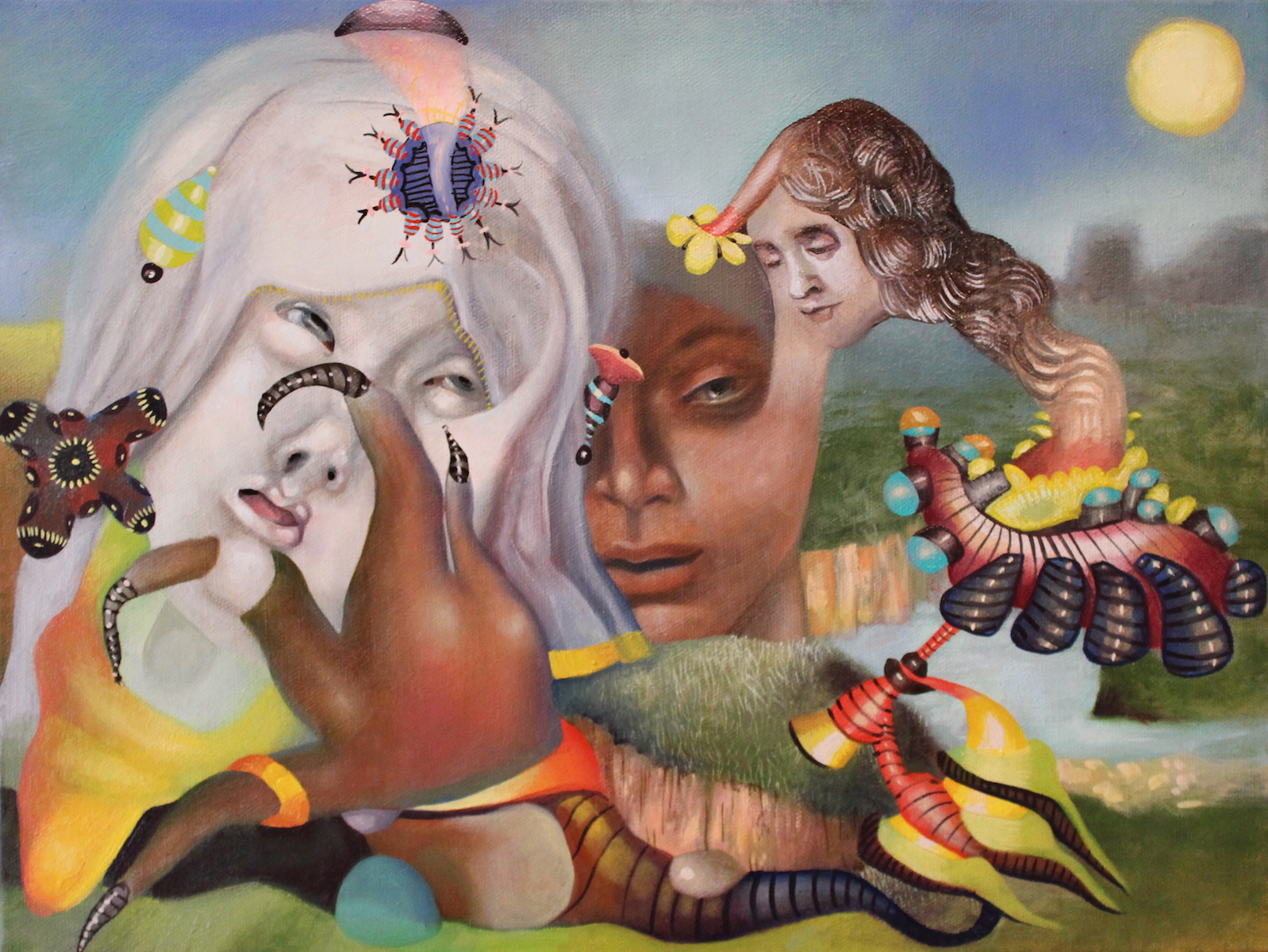
- Jacob Hicks (MFA 2012)
-
- Nicolas Holiber (MFA 2012, Fellow 2013
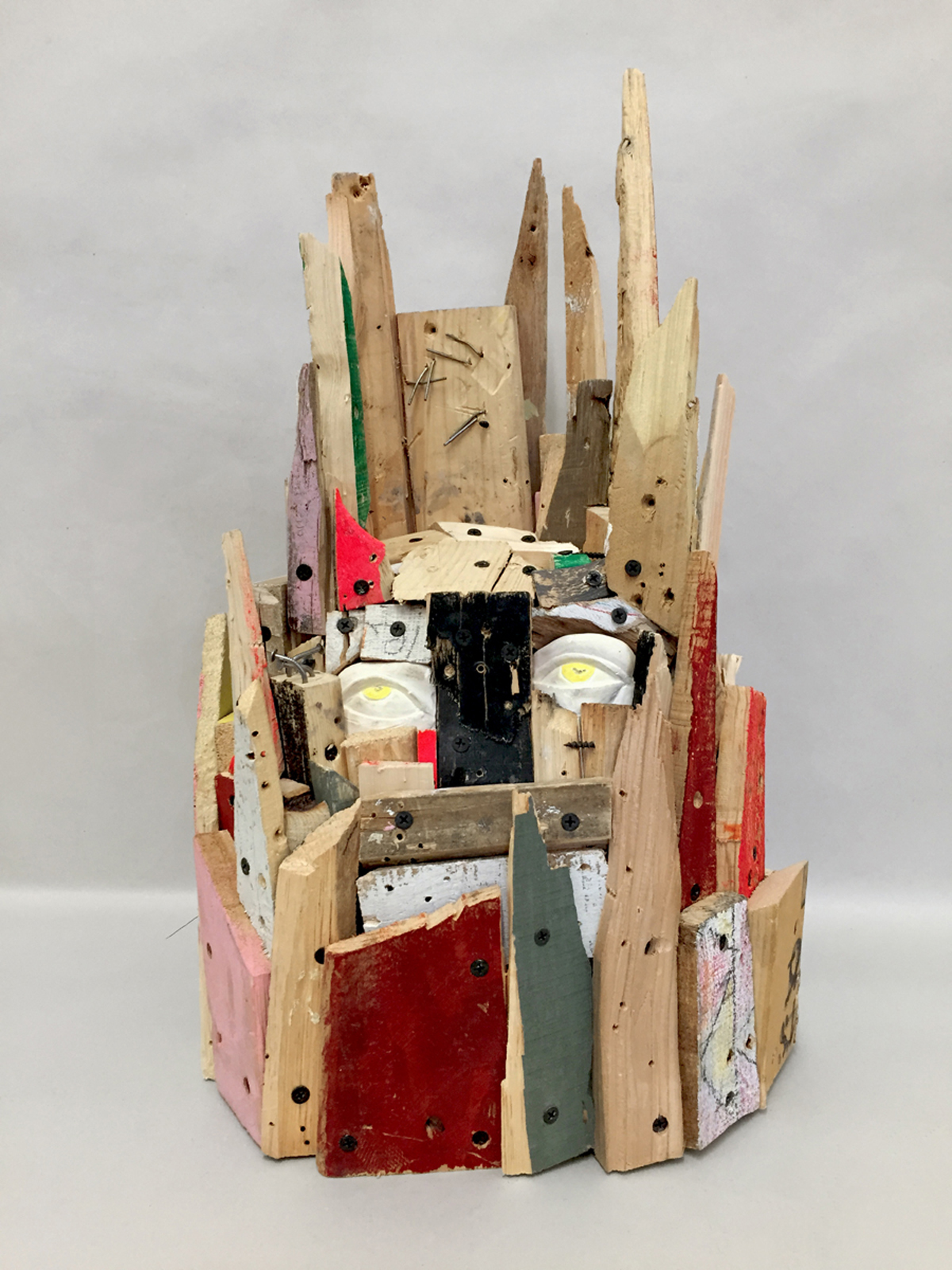
-
- Patty Horing (MFA 2015)
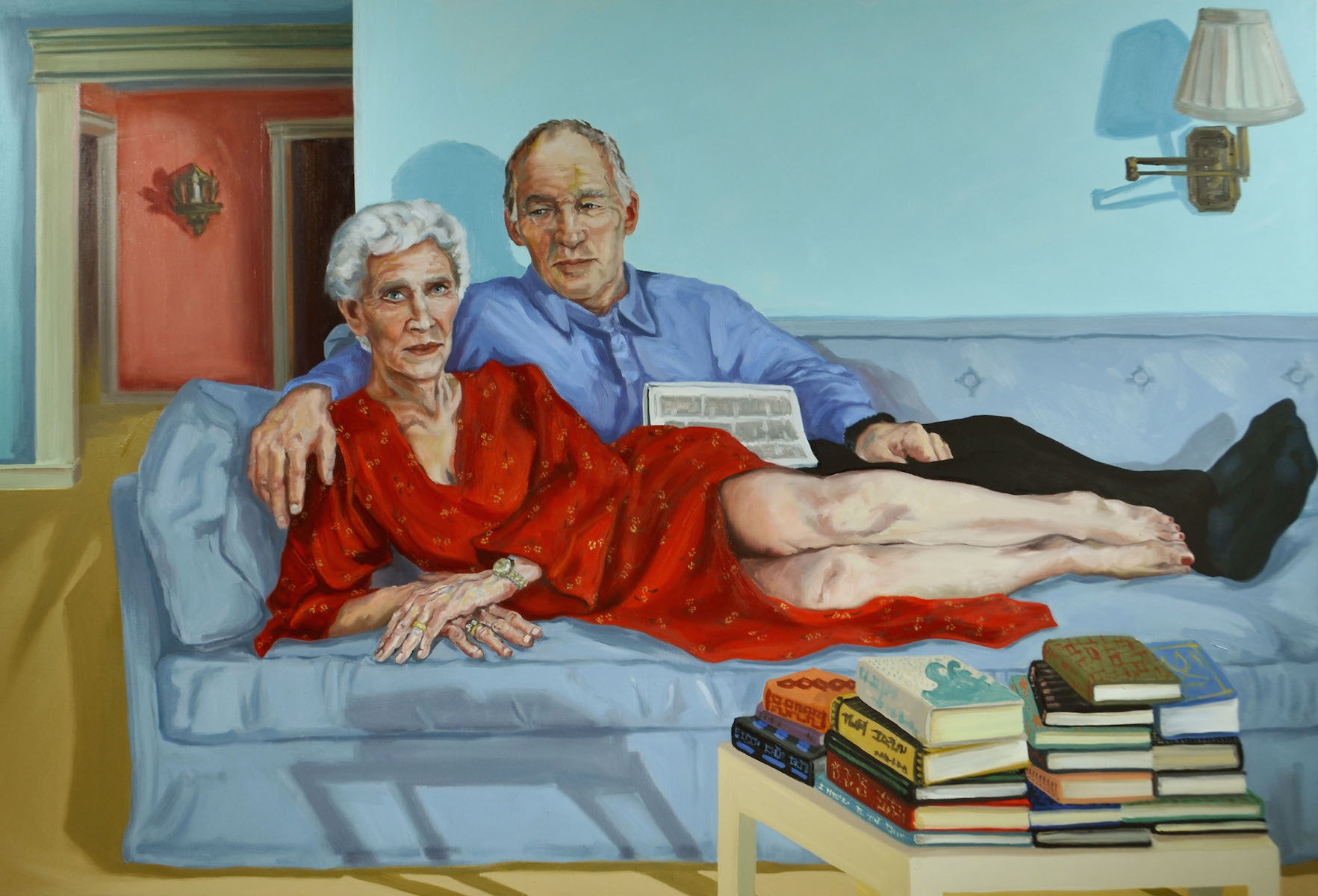
-
- Laura Karetzky (MFA 1997)
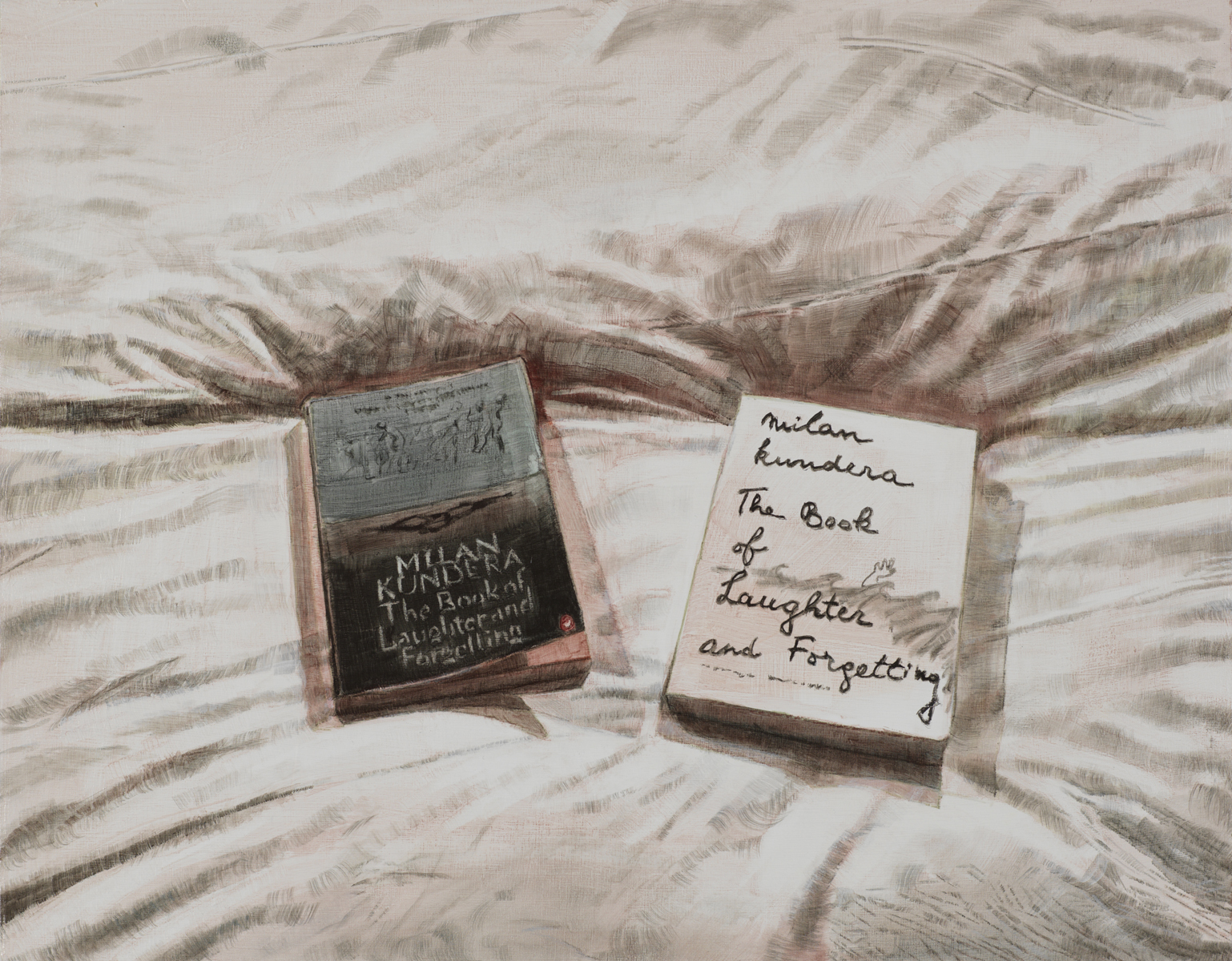
-
- Shannon Kenny (MFA 2013)
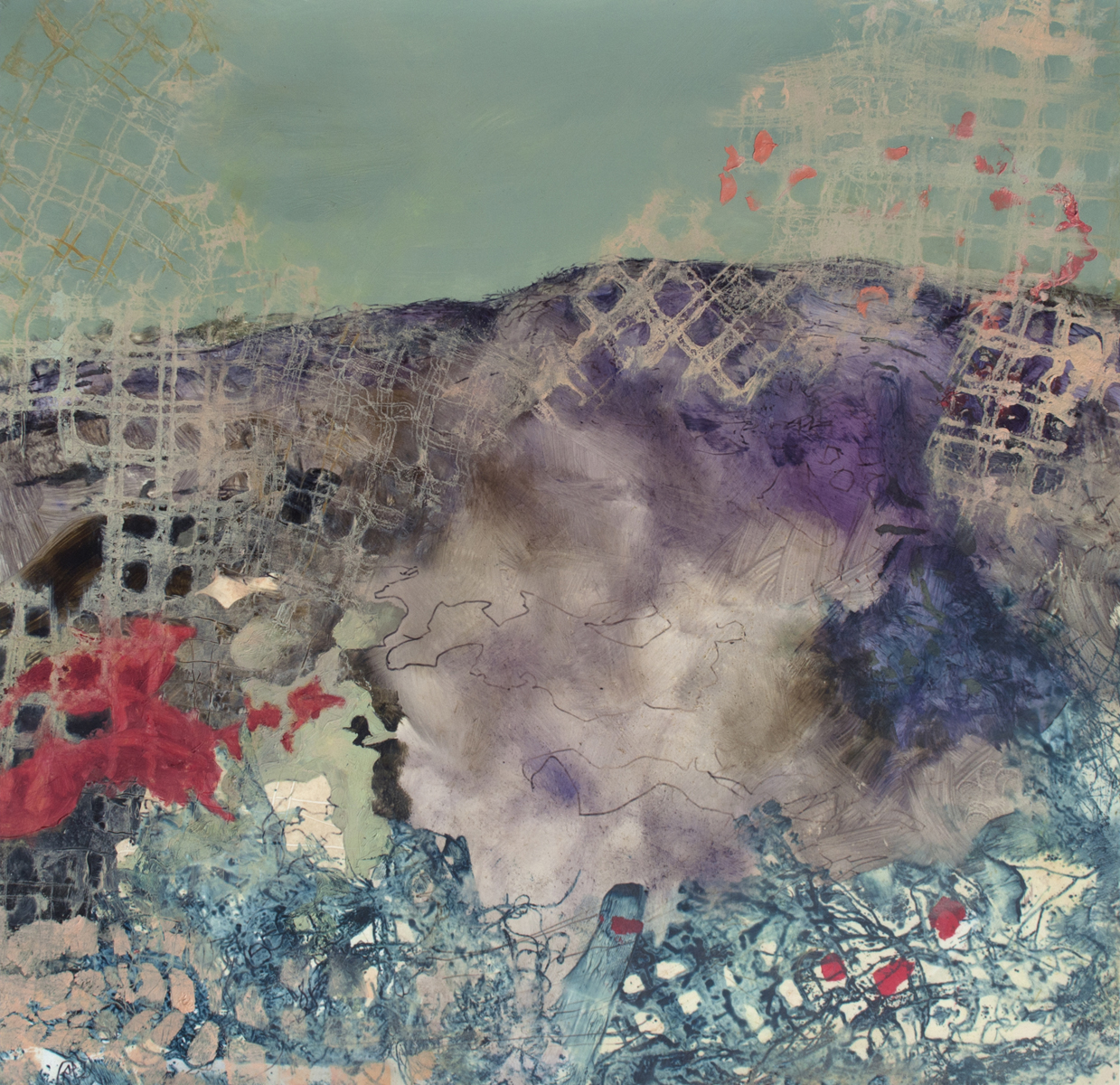
-
- Glen Kessler (MFA 2005)

-
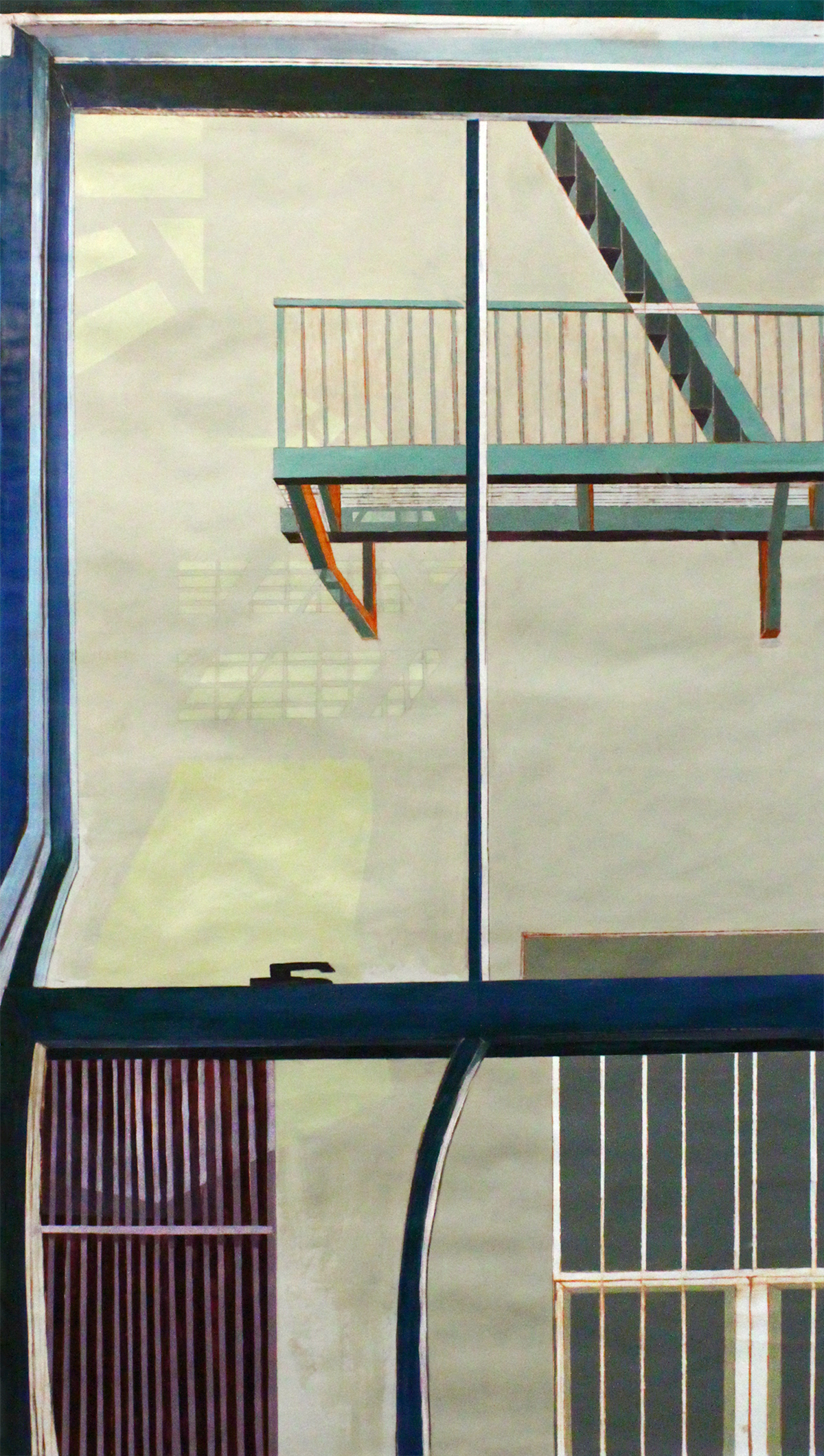
- Maya Koenig (MFA 2015)
-
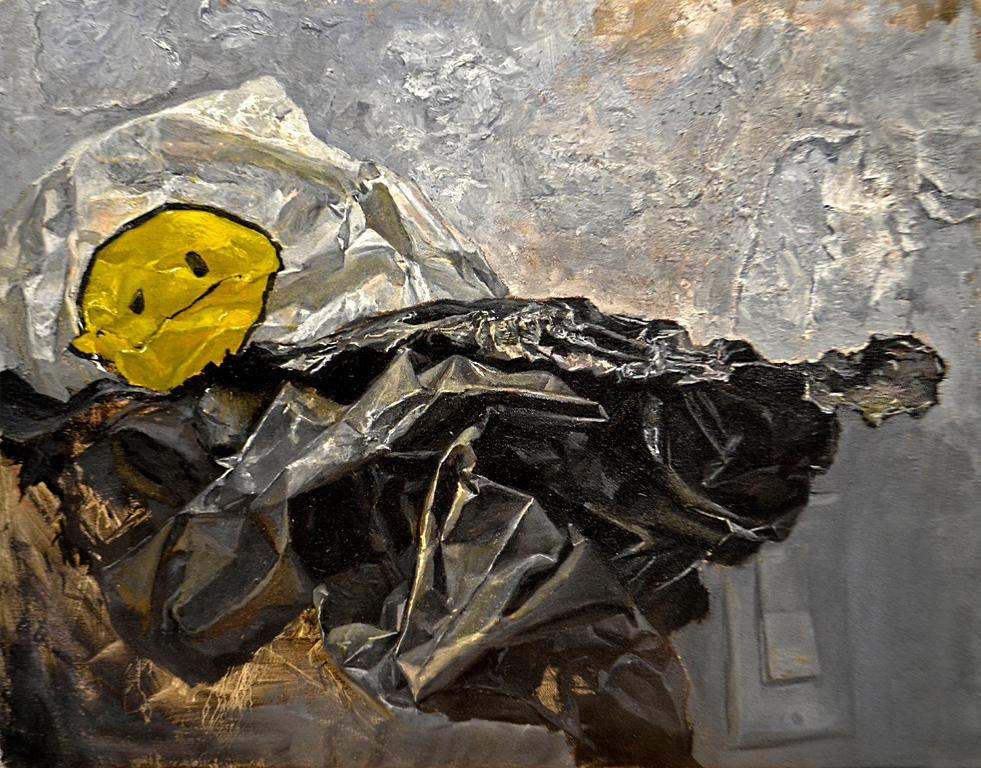
- Dana Kotler (MFA 2015)
-
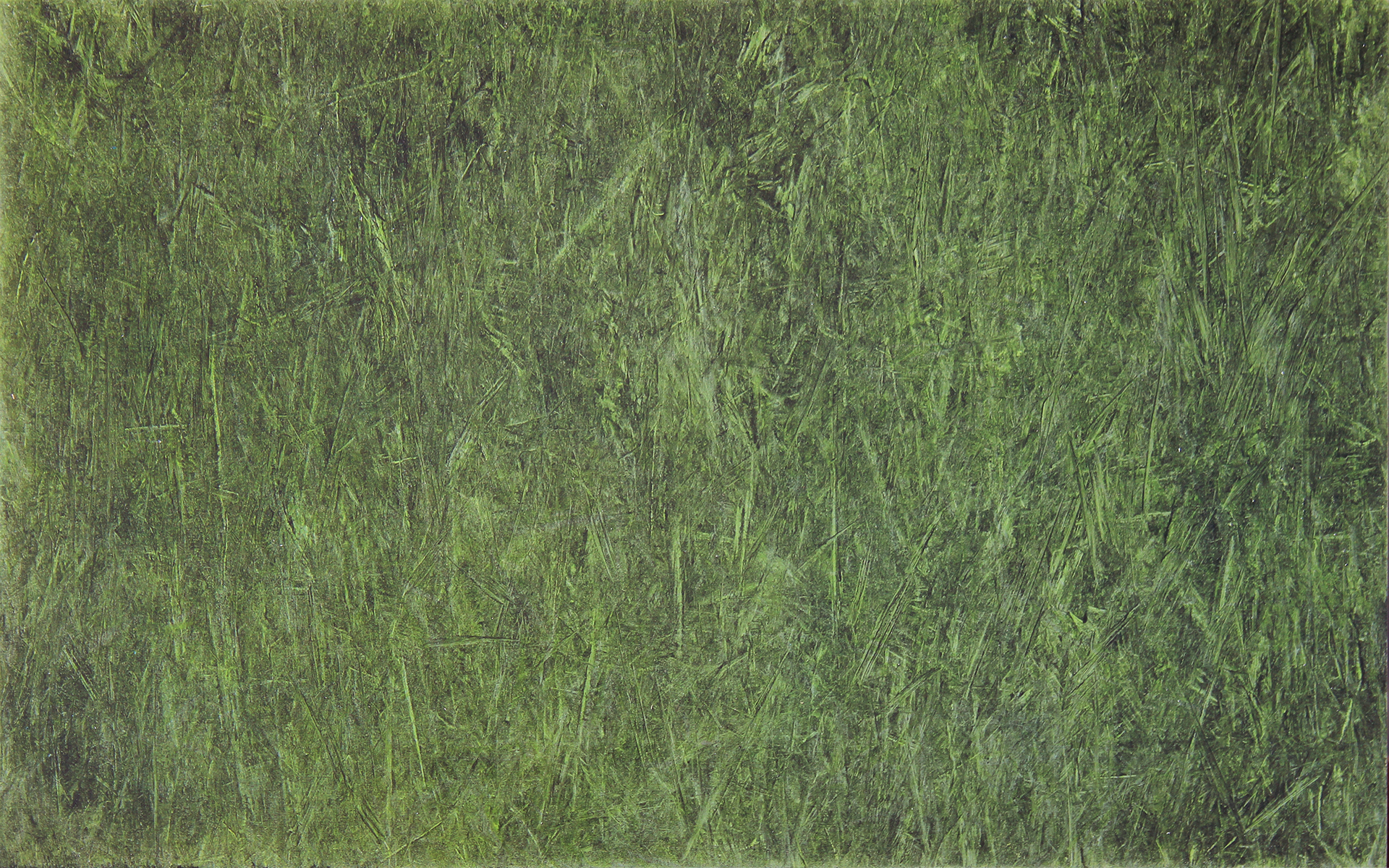
- Lisa Lebofsky (MFA 2006)
-
- Jess Leo (MFA 2015)
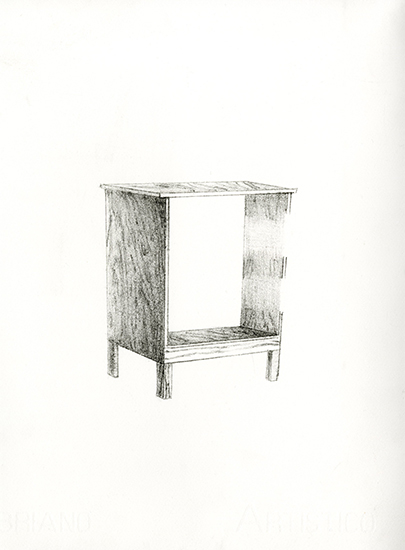
-
- Dik F. Liu (Faculty)
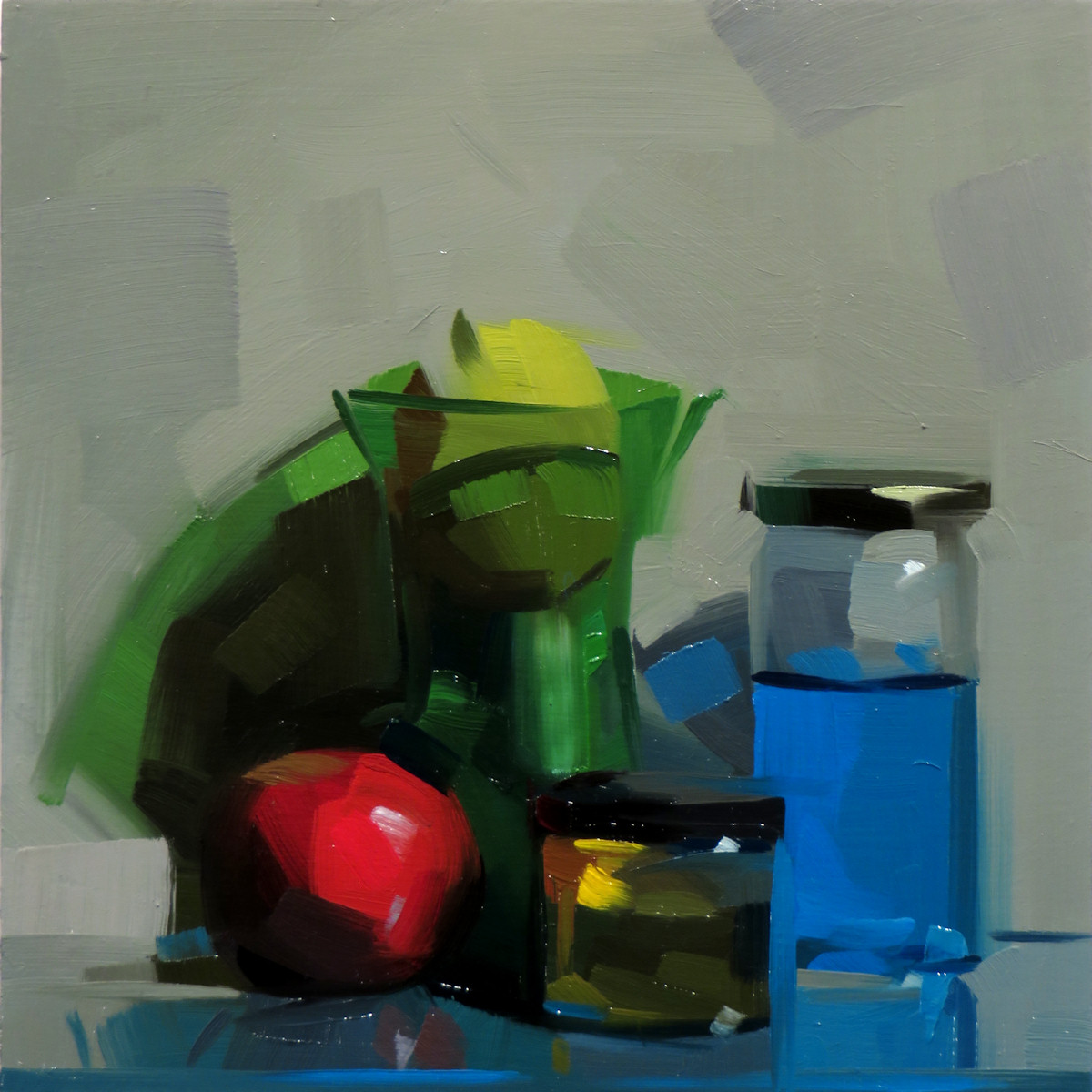
-
- Adam Lupton (MFA 2016)
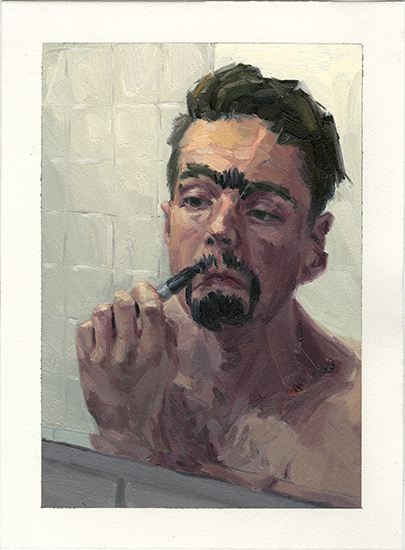
-
- Ayumi Matsuba (MFA 2010)
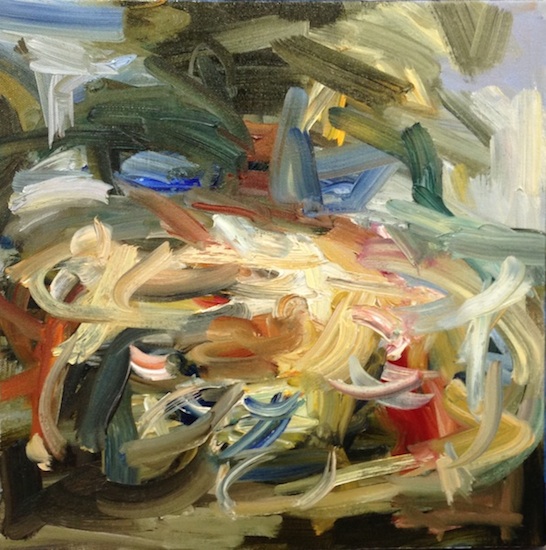
-
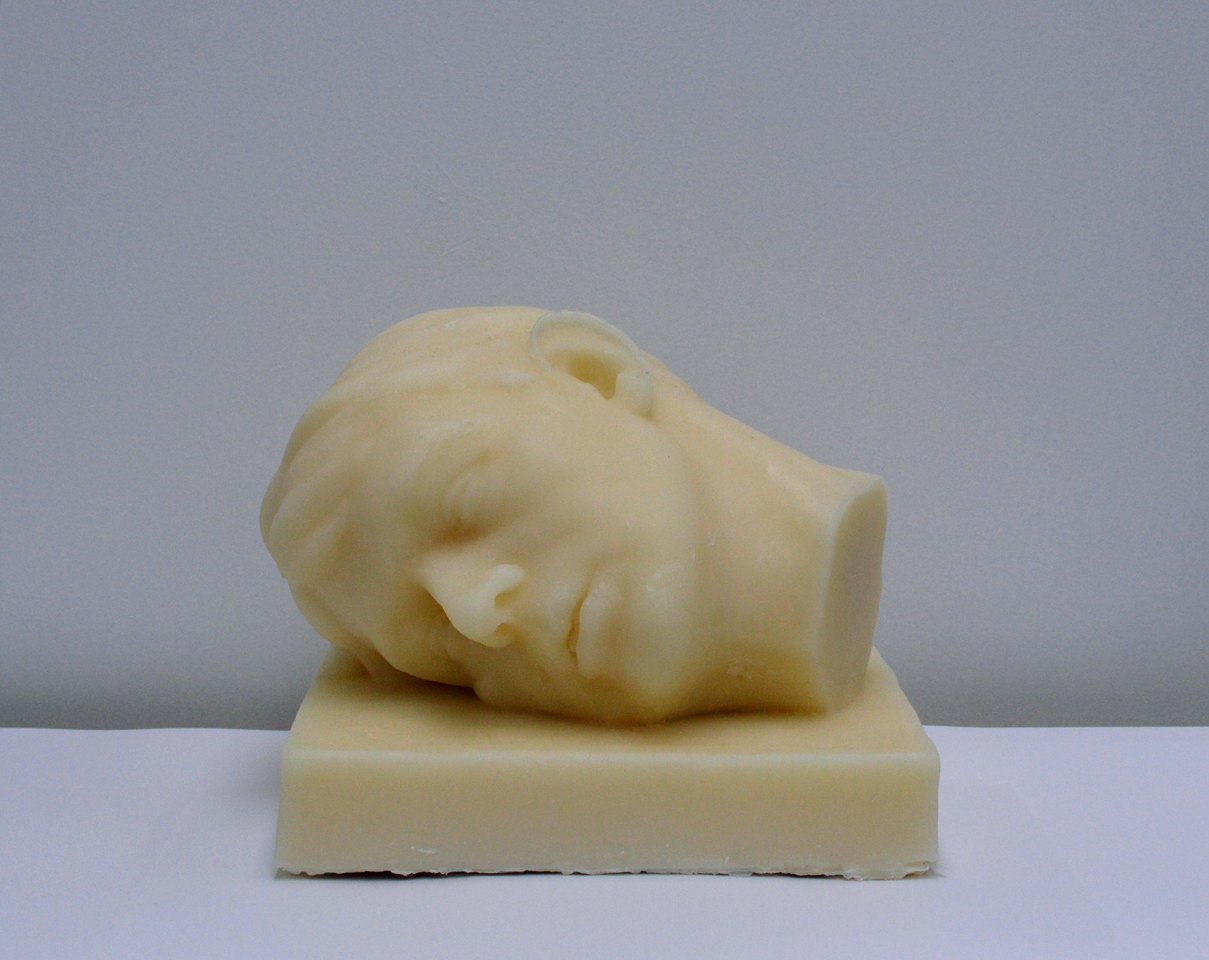
- Quentin James McCaffrey (MFA 2011)
-
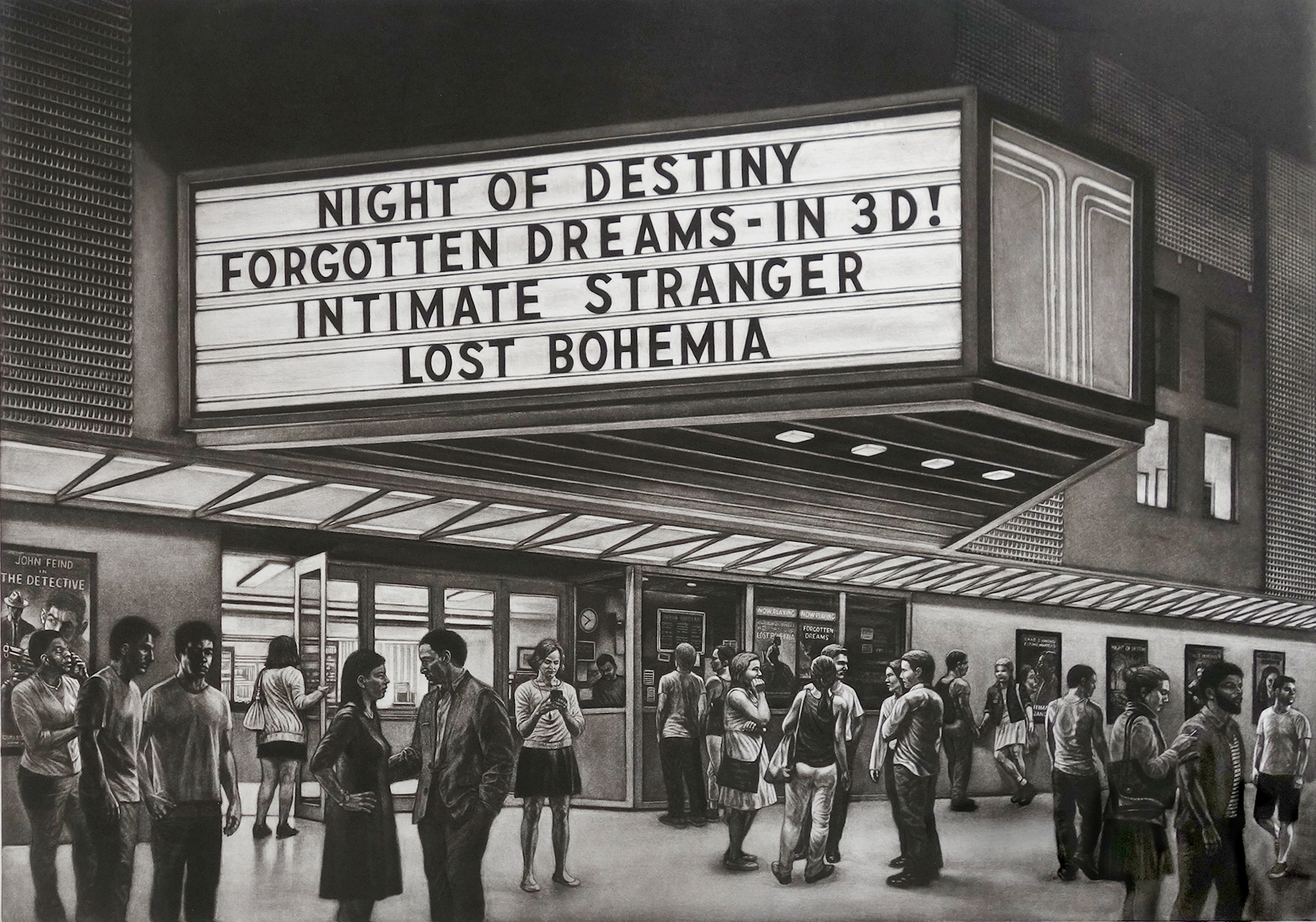
- Frederick Mershimer (Faculty)
-
- Arcmanoro Niles (MFA 2015)
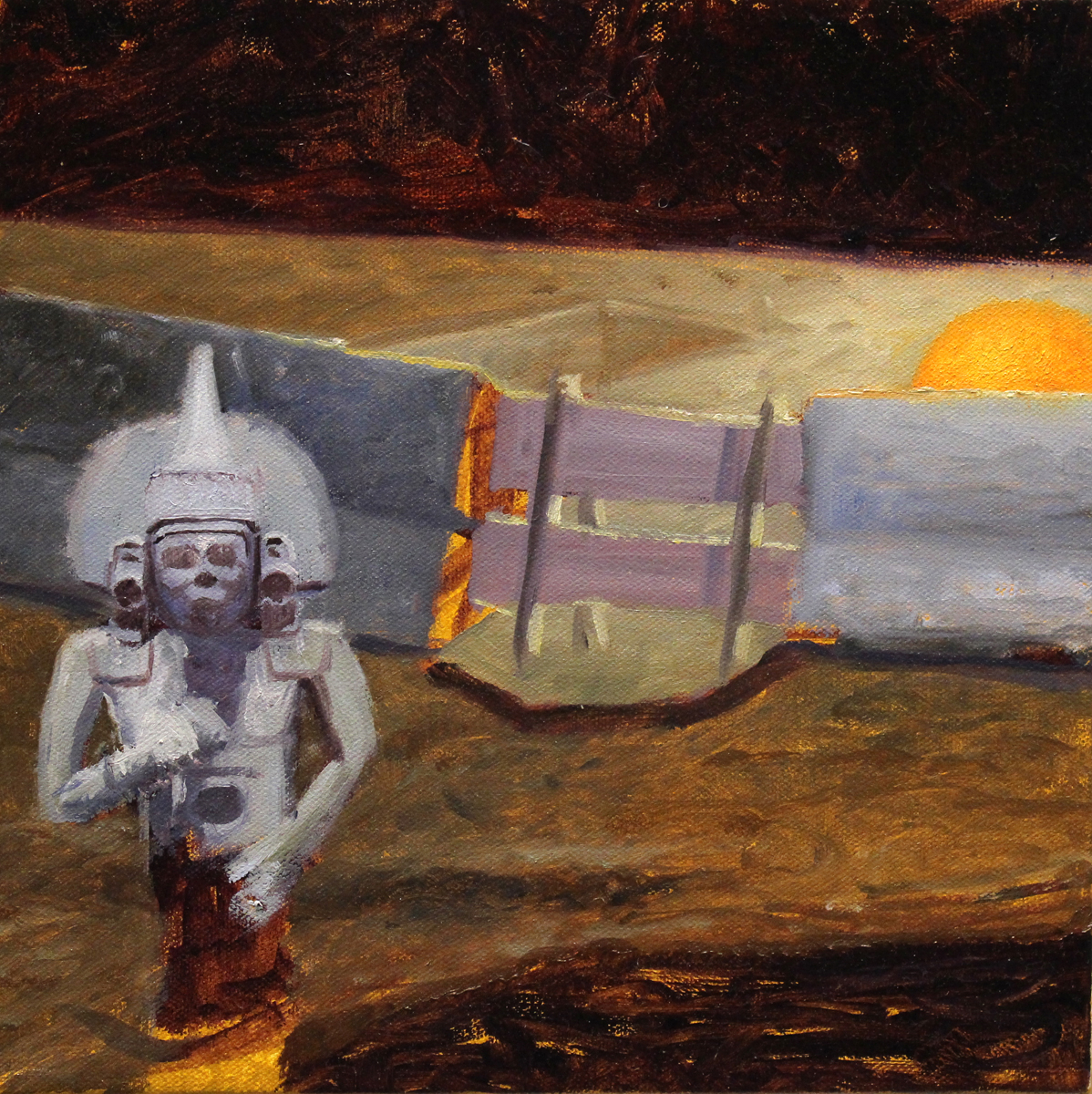
-
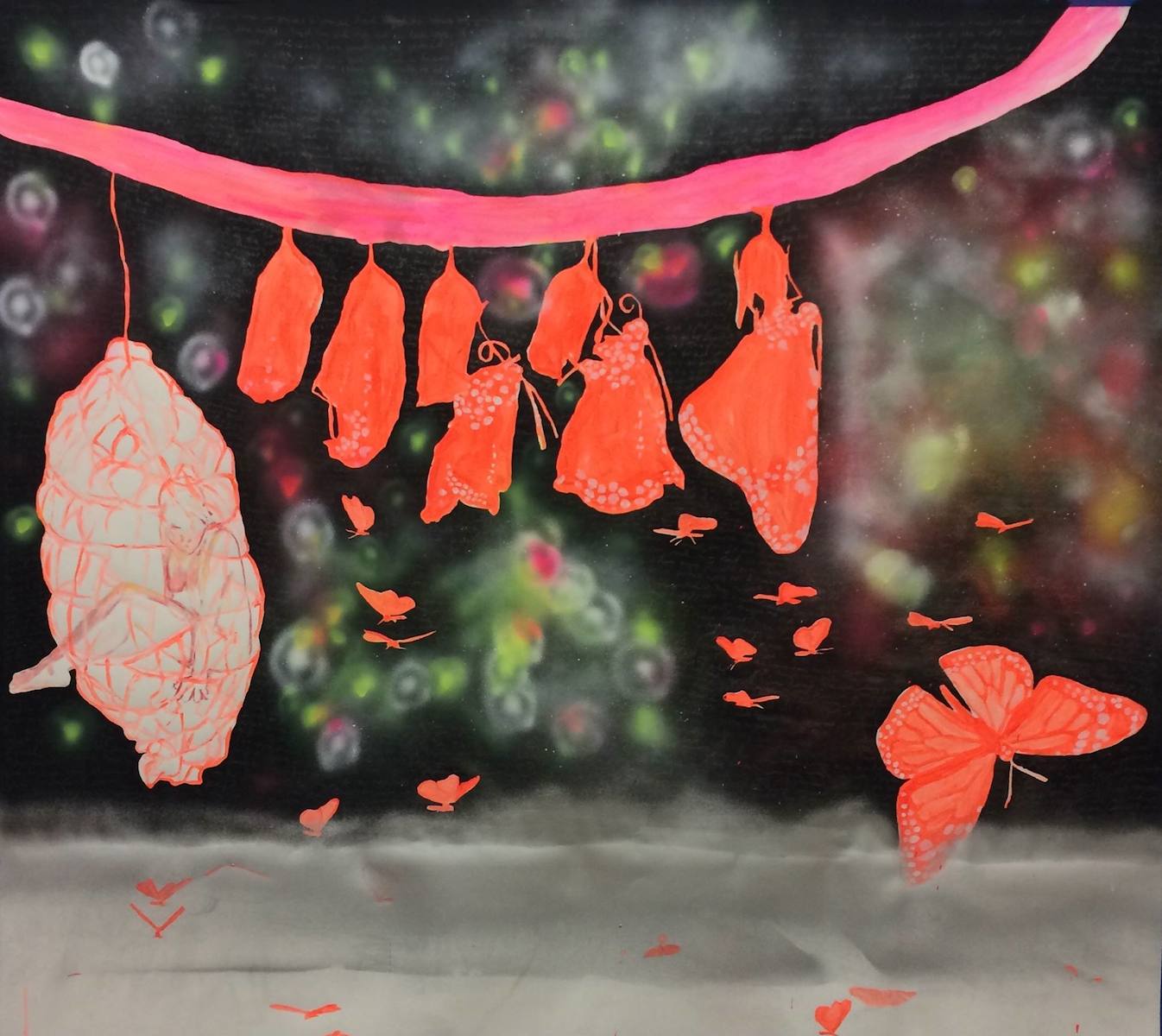
- Lily Koto Olive (MFA 2013)
-
- Mark Paczkowski (MFA 2013)
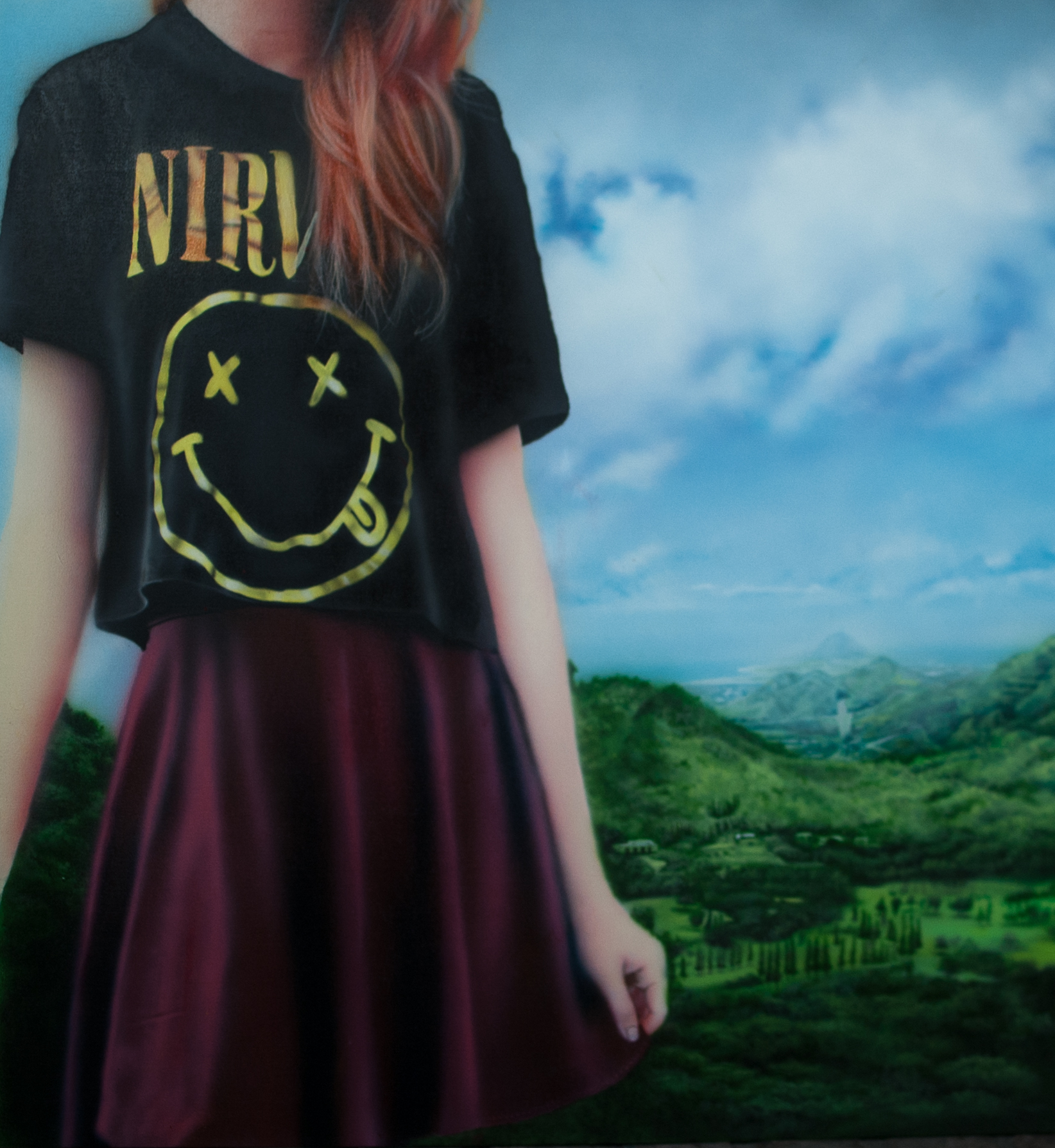
-
- Laura Peturson (MFA 2005)
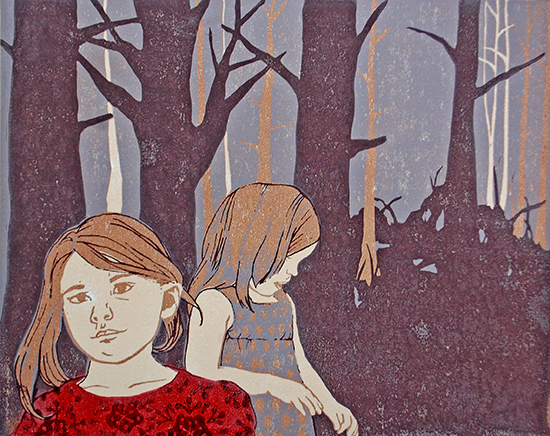
-
- James Raczkowski (MFA 2015)
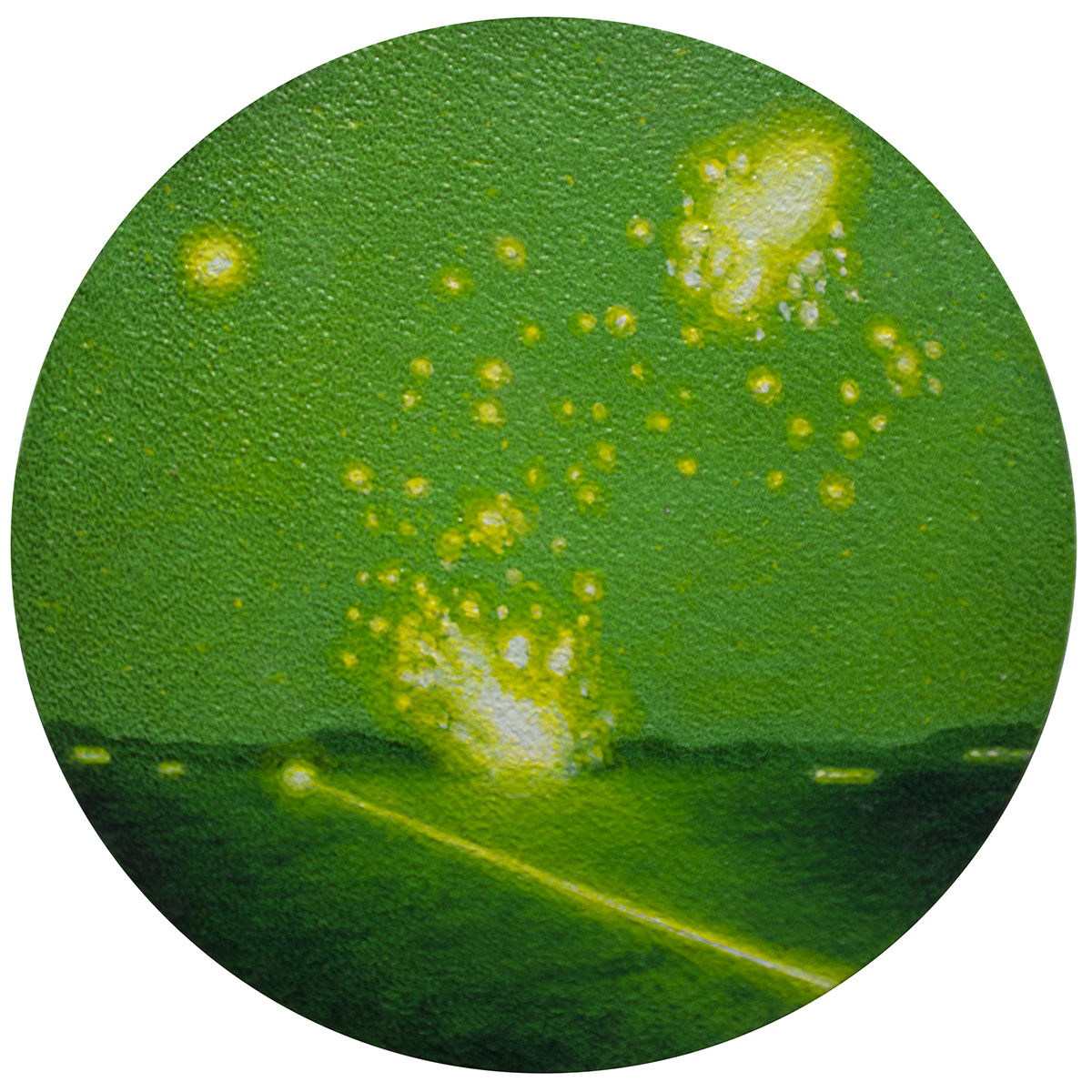
-
- Cassandra Read (MFA 2015)
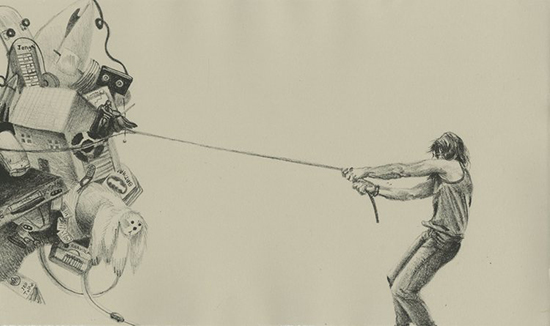
-
- Camila Rocha (MFA 2015)
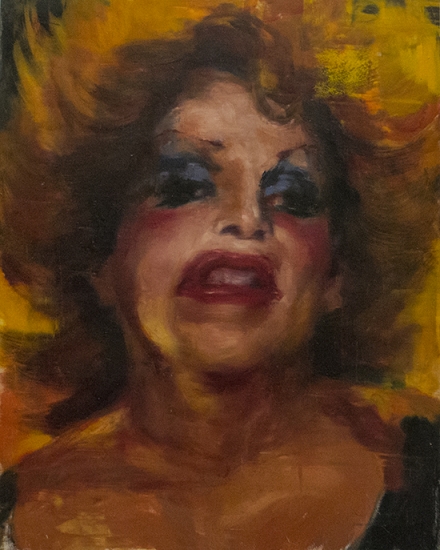
-
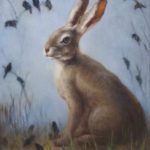
- Maggie Rose (MFA 2001)

-
- Nicolas V. Sanchez (MFA 2013, Fellow 2014)

-
- Ryan Schroeder (MFA 2015)
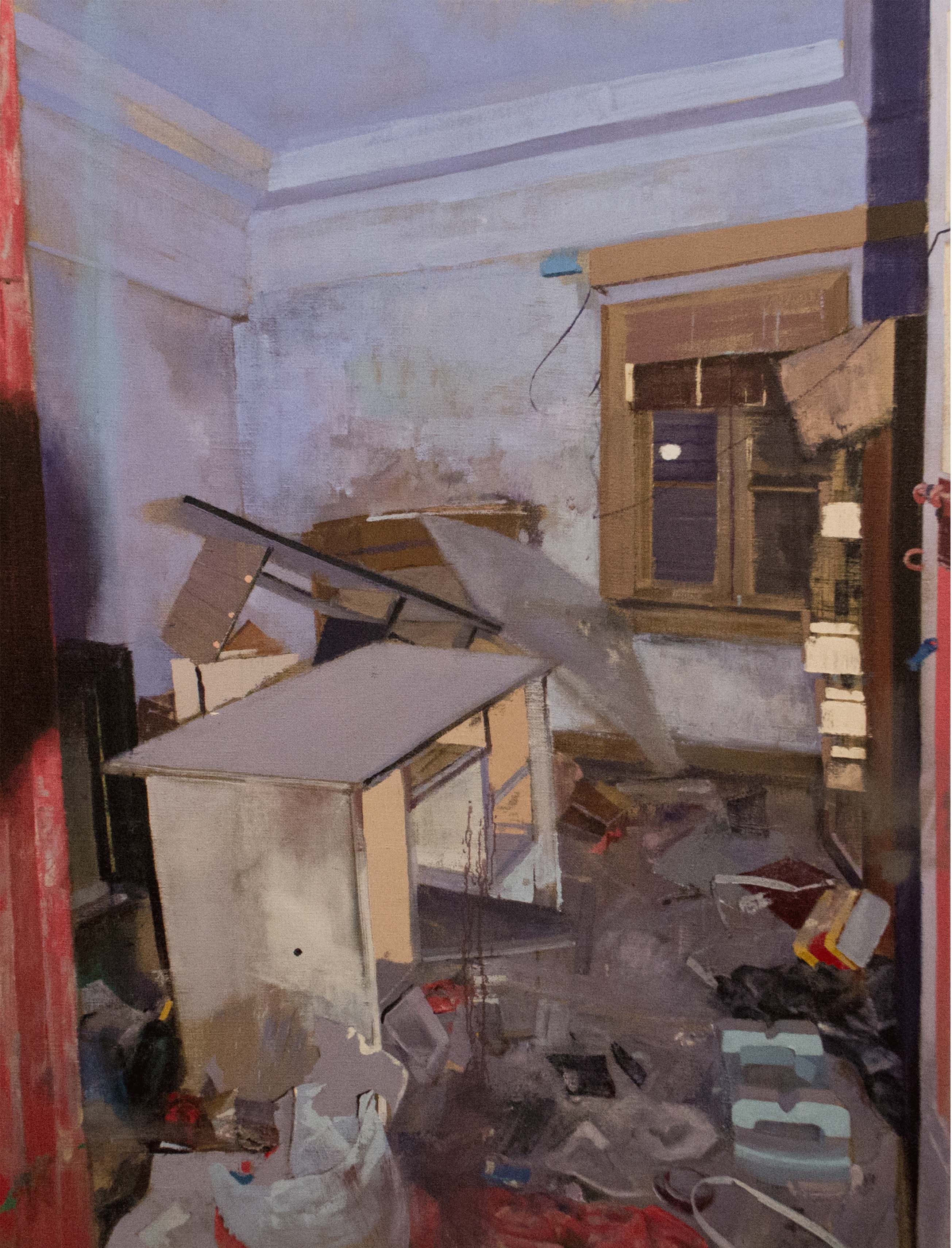
-
- Stephen Shaheen (MFA 2005)

-
- Alex Smith (MFA 2015)
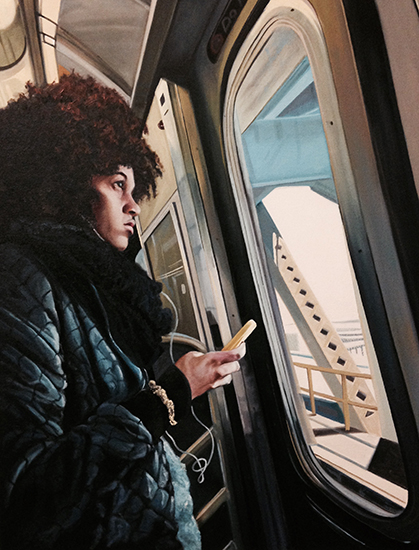
-
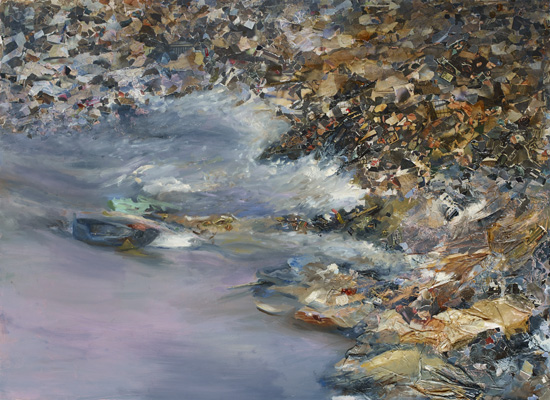
- Elena Soterakis (MFA 2011)
-
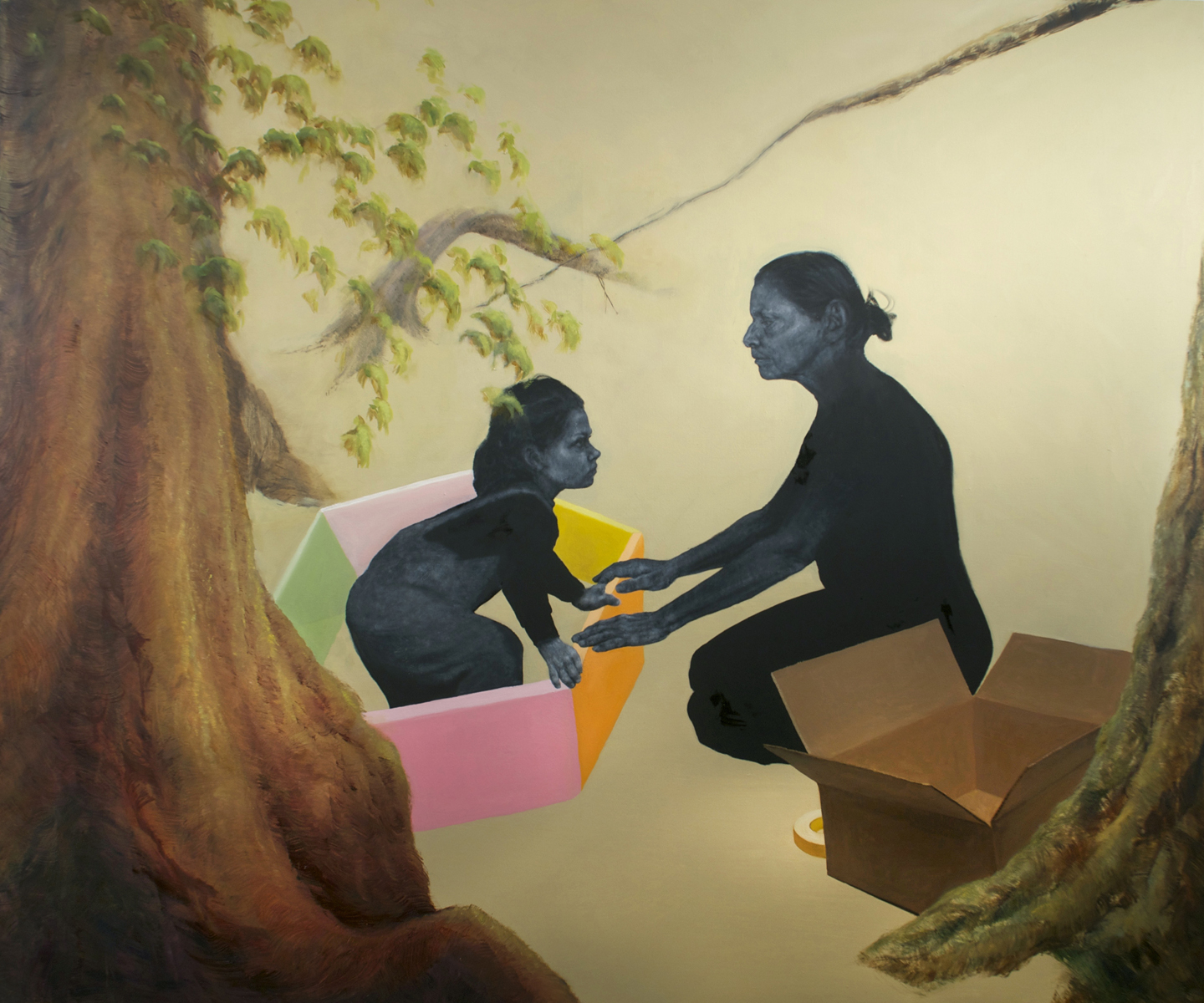
- Hannah Stahl (MFA 2015)
-
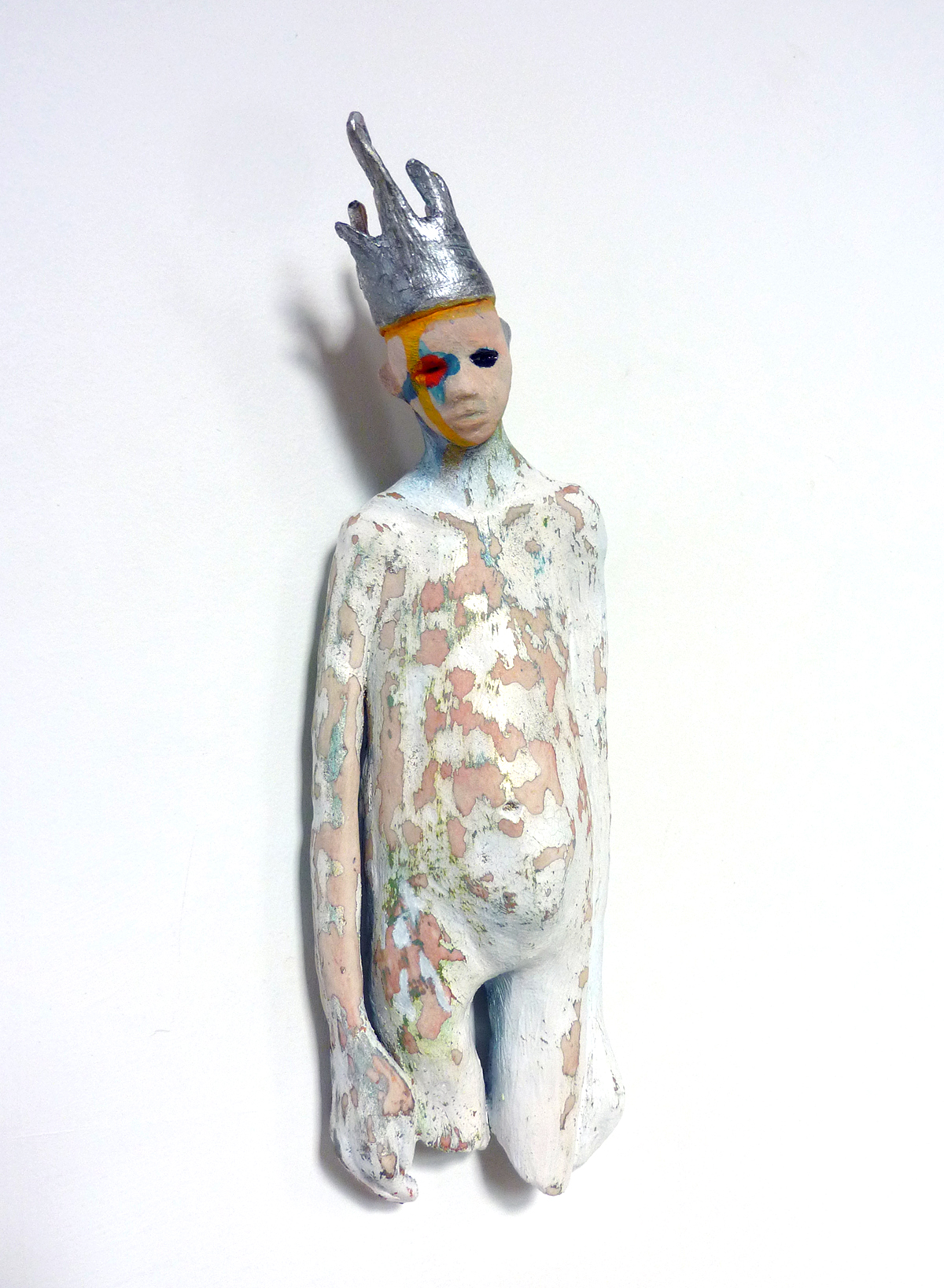
- Kathy Stecko (MFA 2000)
-
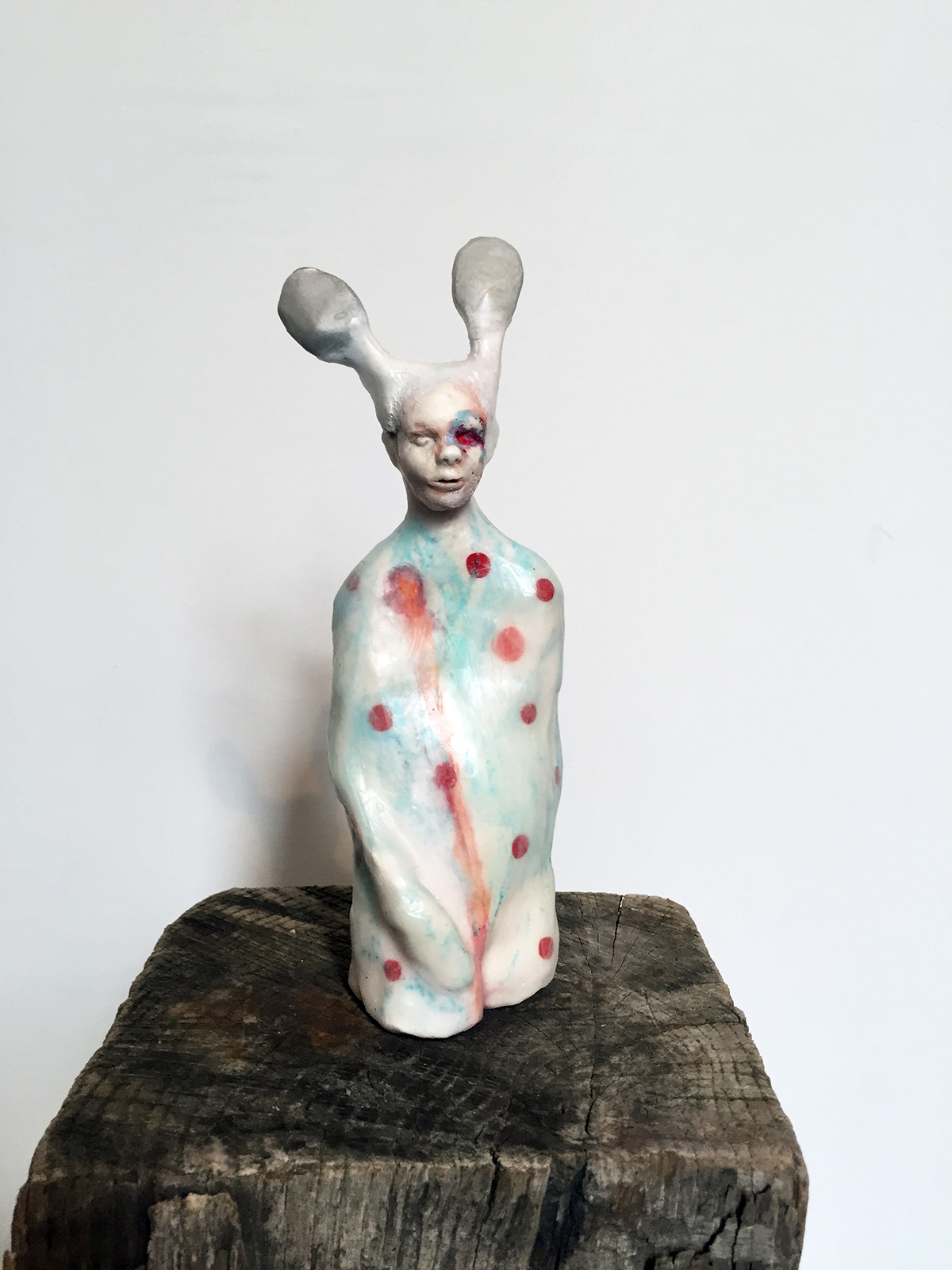
- Kathy Stecko (MFA 2000)
-
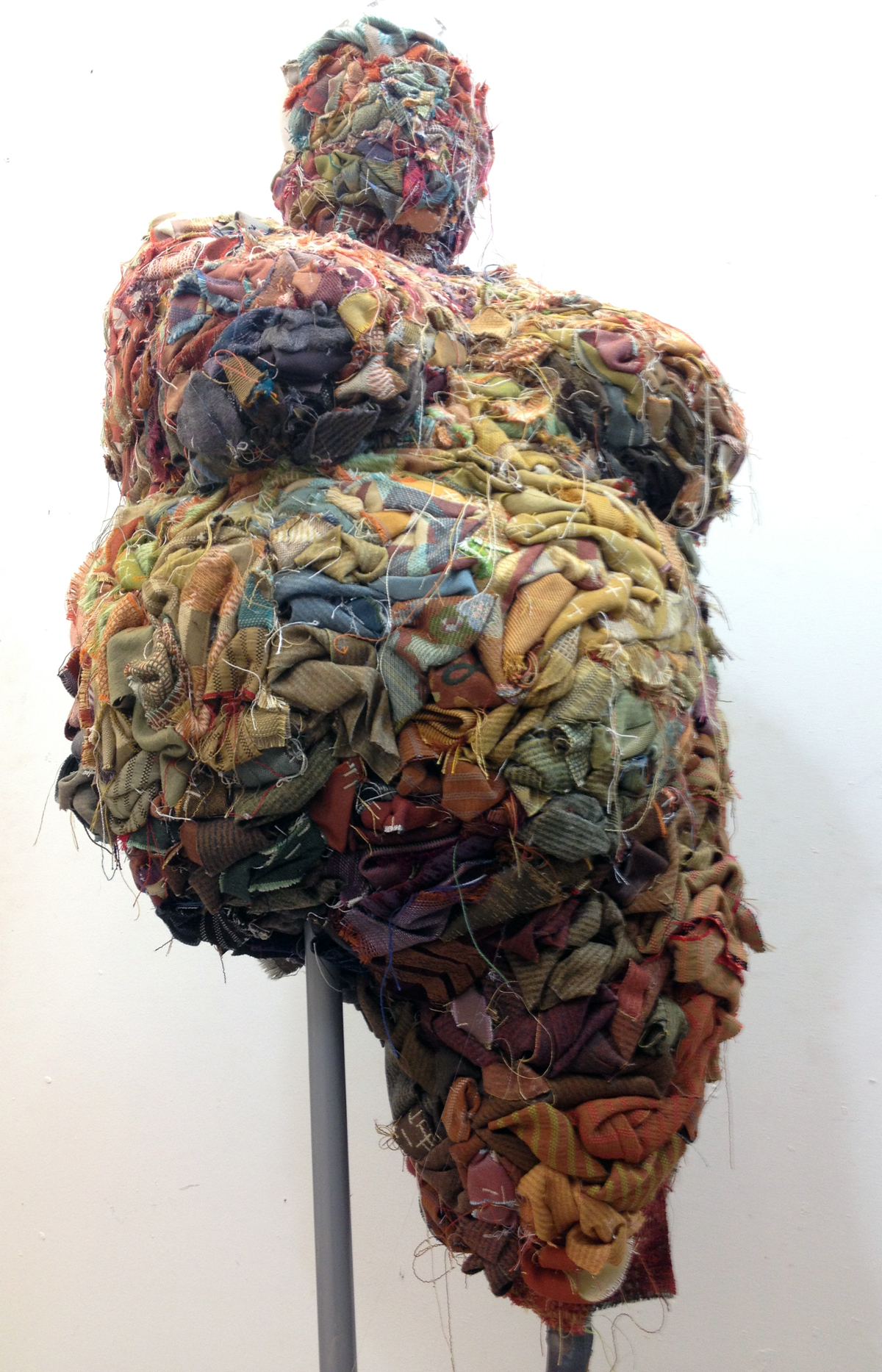
- Charly Swing (MFA 2015)
-
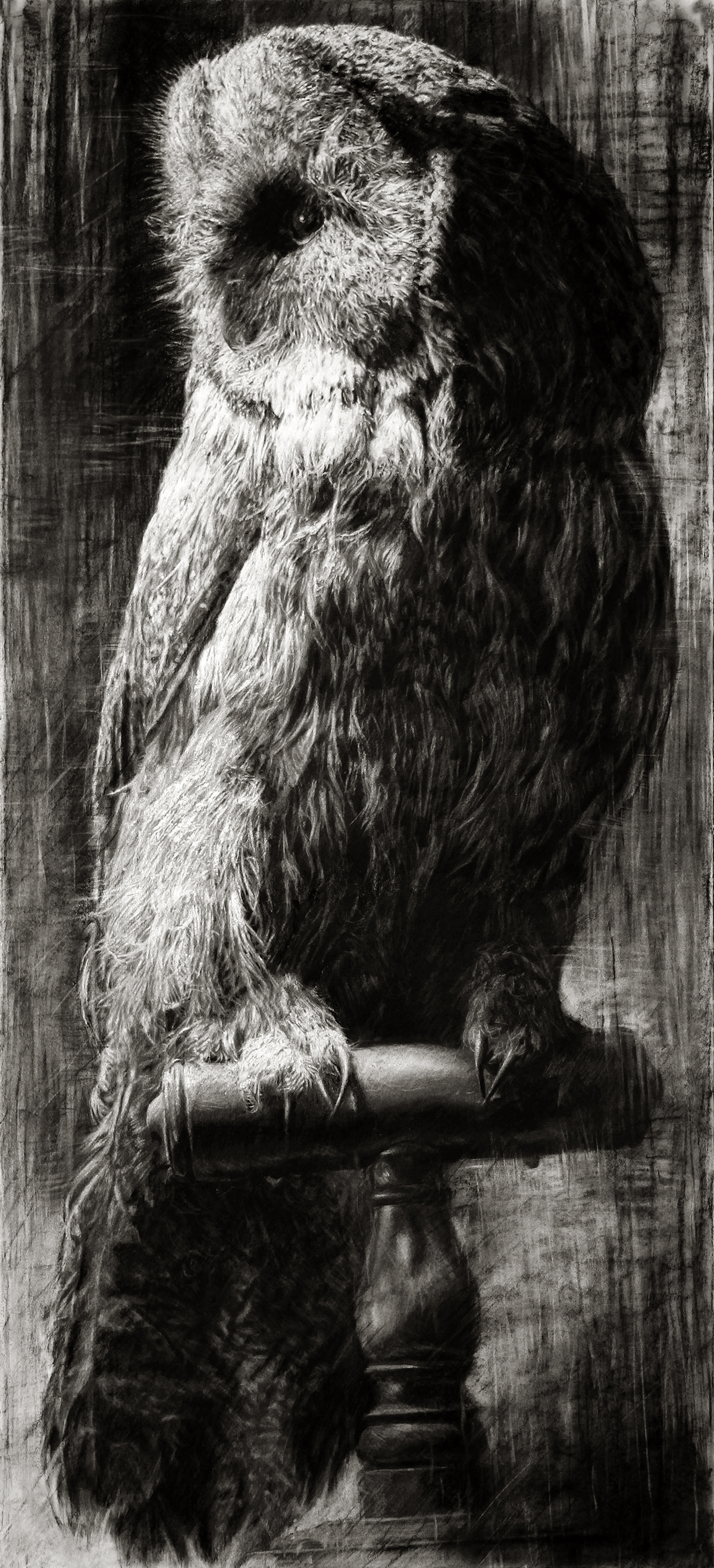
- Tyler Vouros (MFA 2011)
-
- Mitra Walter (MFA 2006)
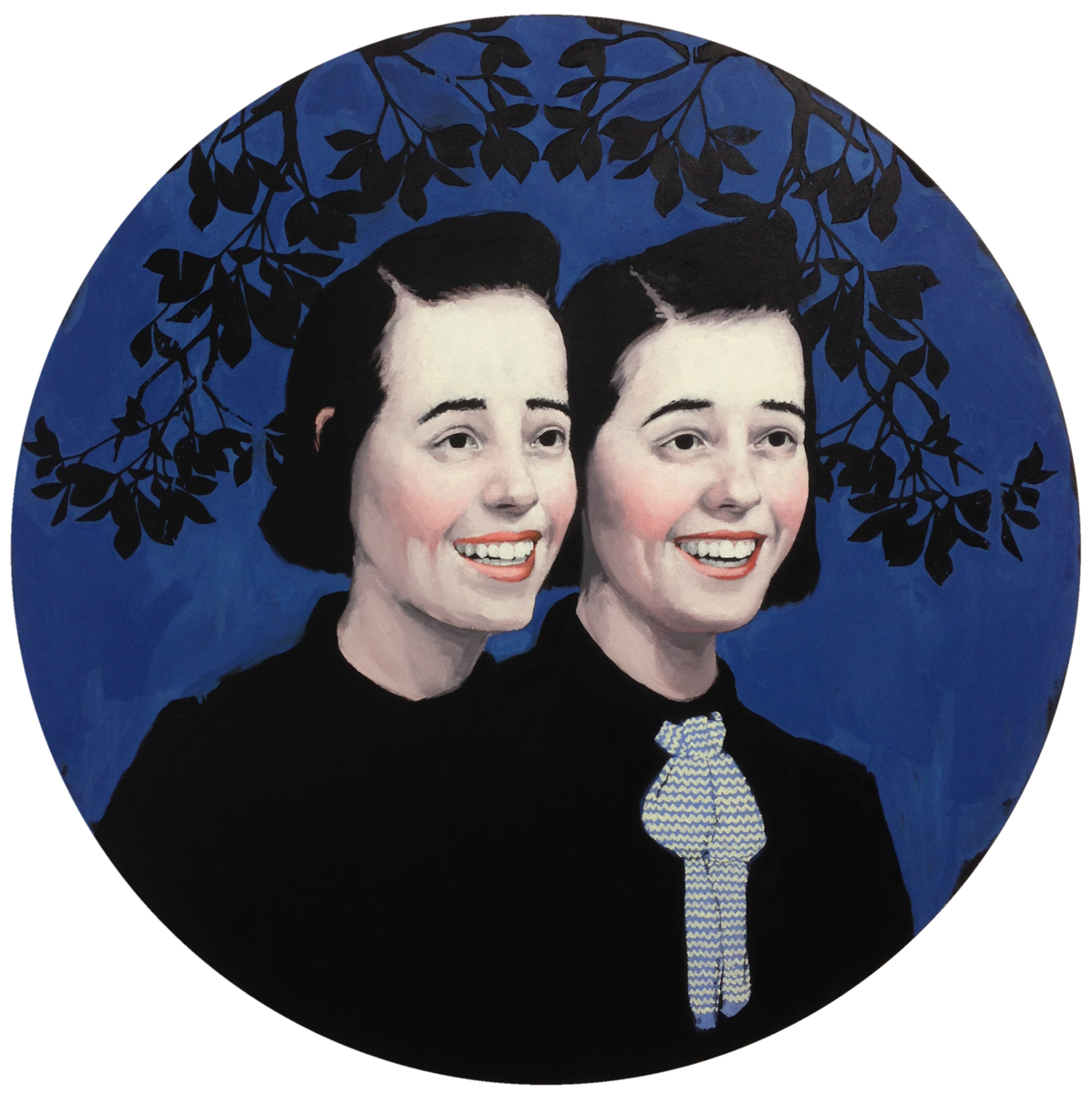
-
- Travis Willis (MFA 2015)
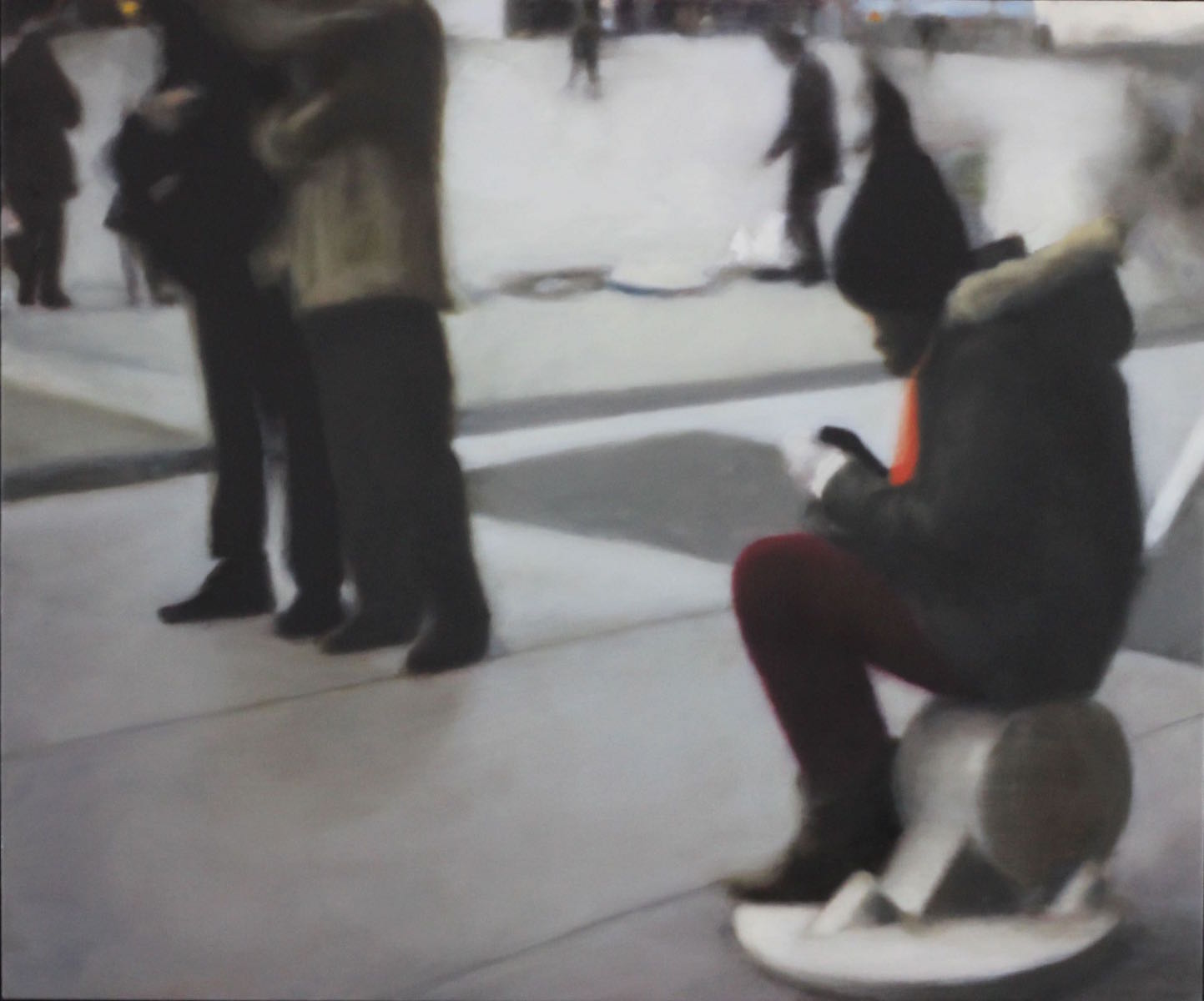
-
- Kenneth Wong (MFA 2008)
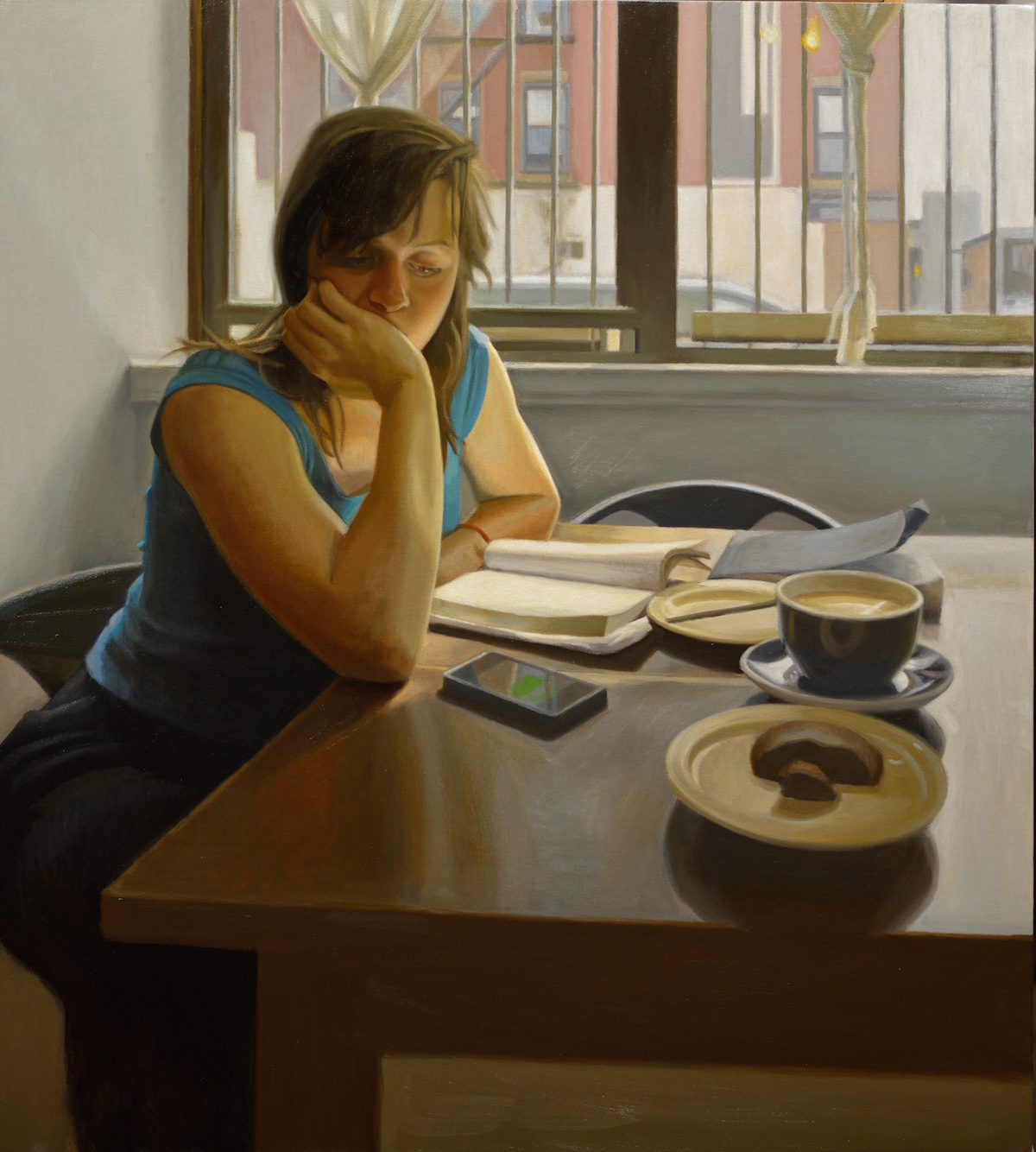
-
- Zane York (MFA 2003)
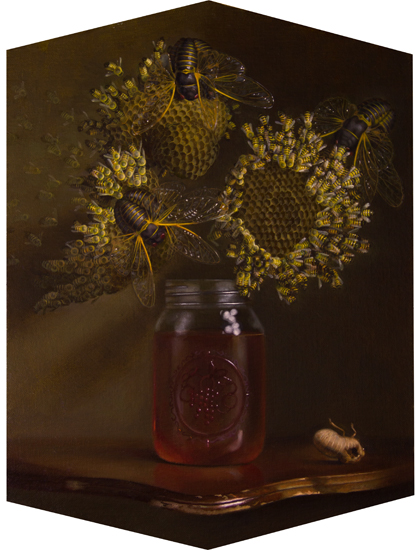
Academy Awards – Best Curating
While working on curatorial projects (often together), these women and other artists formed a group known as Paint Anyway, which is dedicated to reintroducing talent and sincerity into the New York art world. “Our mission is to create a platform in which great artwork is seen and discussed,” says Michelle Doll.
Curating requires research, idea development, project management, decisiveness, and even interior decorating skills. Like writing, curating forces artists to consider the wider context their works fit into, and to identify the conversations they’d like to be a part of. Below, these four NYAA alumni answer some questions about their curating experiences.
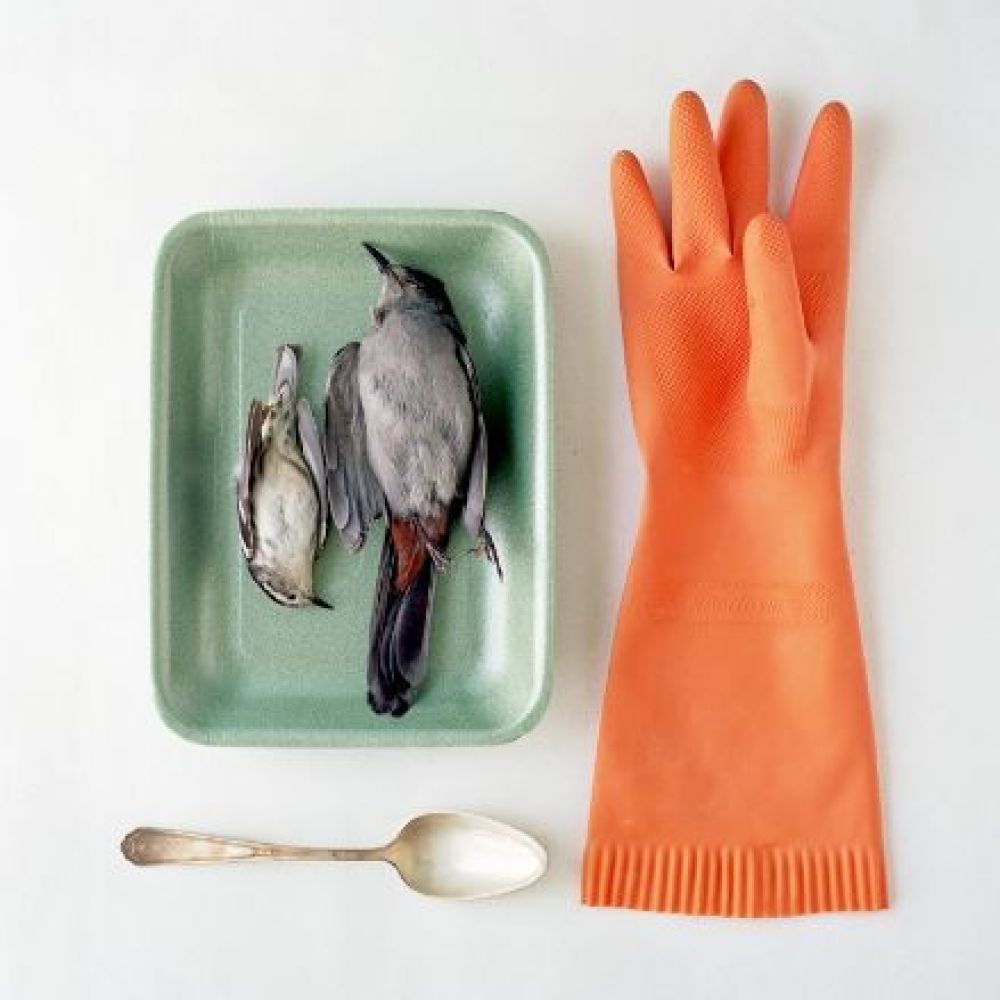 |
| Kimberly Witham, “Still Life with Orange Glove,” (Digital C-Print), from Wildlife in the Post-Natural Age, curated by Cara De Angelis |
Cara: I have a desire to connect with more artists and galleries, and to create opportunity for my friends and other emerging artists, specifically women and others who may not be given as much opportunity. A majority of the opportunities I’ve had since being out of school have been through fellow artists, and I genuinely love participating in the community we’ve created and helping to expand it further. It’s my fuel to keep me going.
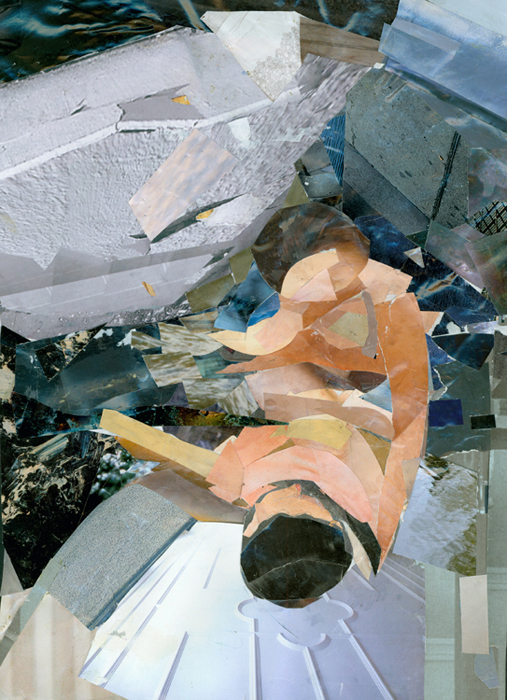 |
| Linnea Paskow, “Dissolution”, Magazine Fragments – from “Remnants” |
Michelle: In 2010, the incredibly talented artist and close friend of mine, Lisa Lebofsky, approached me about co-curating a show with her at Fuse Gallery, where she was the gallery director at the time. We decided on the title “Remnants“, choosing artwork that focussed on serenity found in the wake of destruction, gradual disintegration, natural decay and residual experience. The show was an ambitious project that included approximately 50 artists. I learned so much from that experience, especially from Lisa’s extraordinary professionalism in working with artists and various galleries.
For my next curatorial project in 2012, the wonderful gallery owner Island Weiss asked me to co-curate a Valentine’s Day themed show titled “Love is in the Air“, focussing on the celebration of love, passion, and desire. We collaborated with the Cell theatre group, which combined live performance art and painting.
The other two projects, “Behind the Curtain” and “Barely Imagined Beings,” were inspired by my continual collaboration and friendship with the brilliant and ambitious artist, Dina Brodsky.
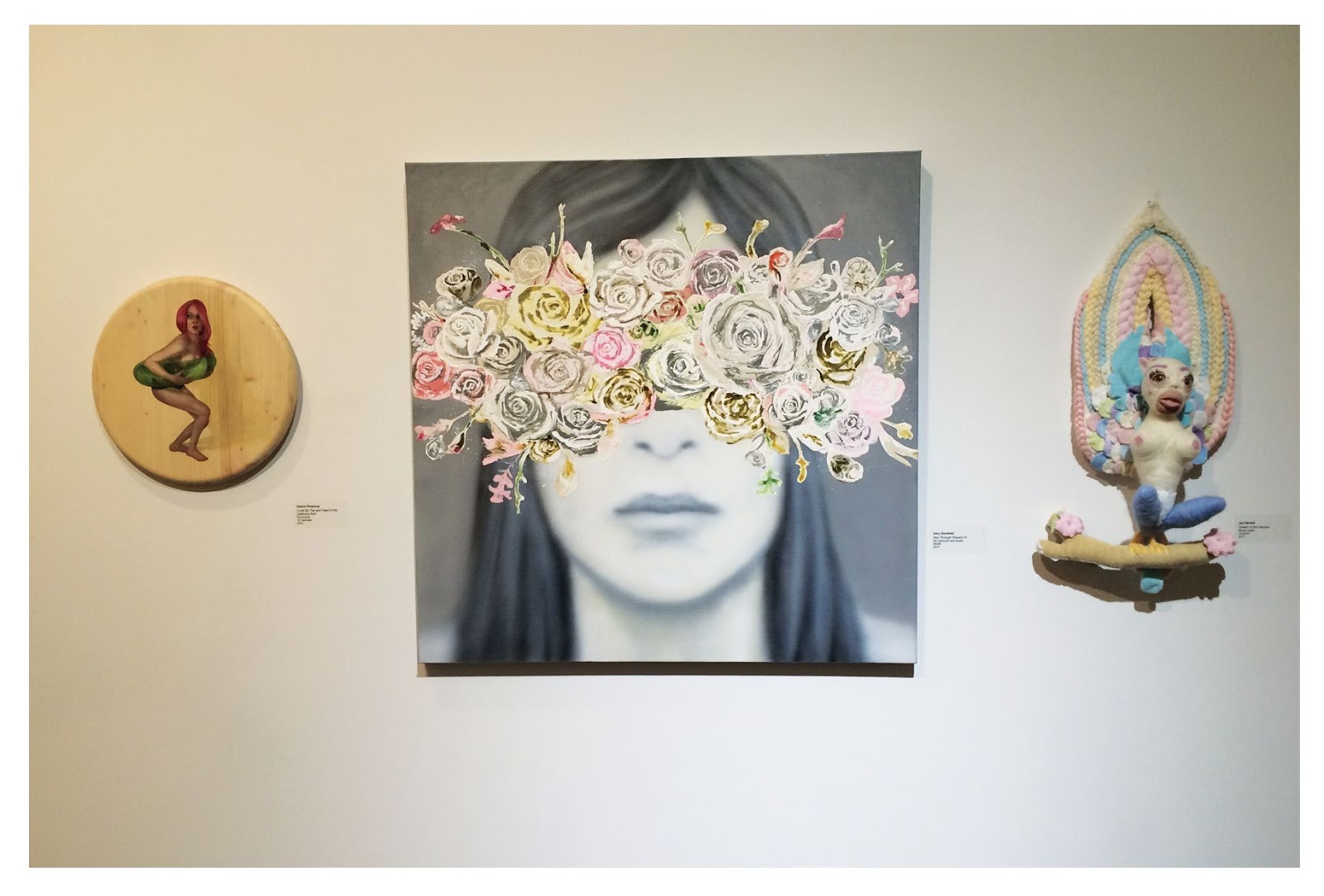 |
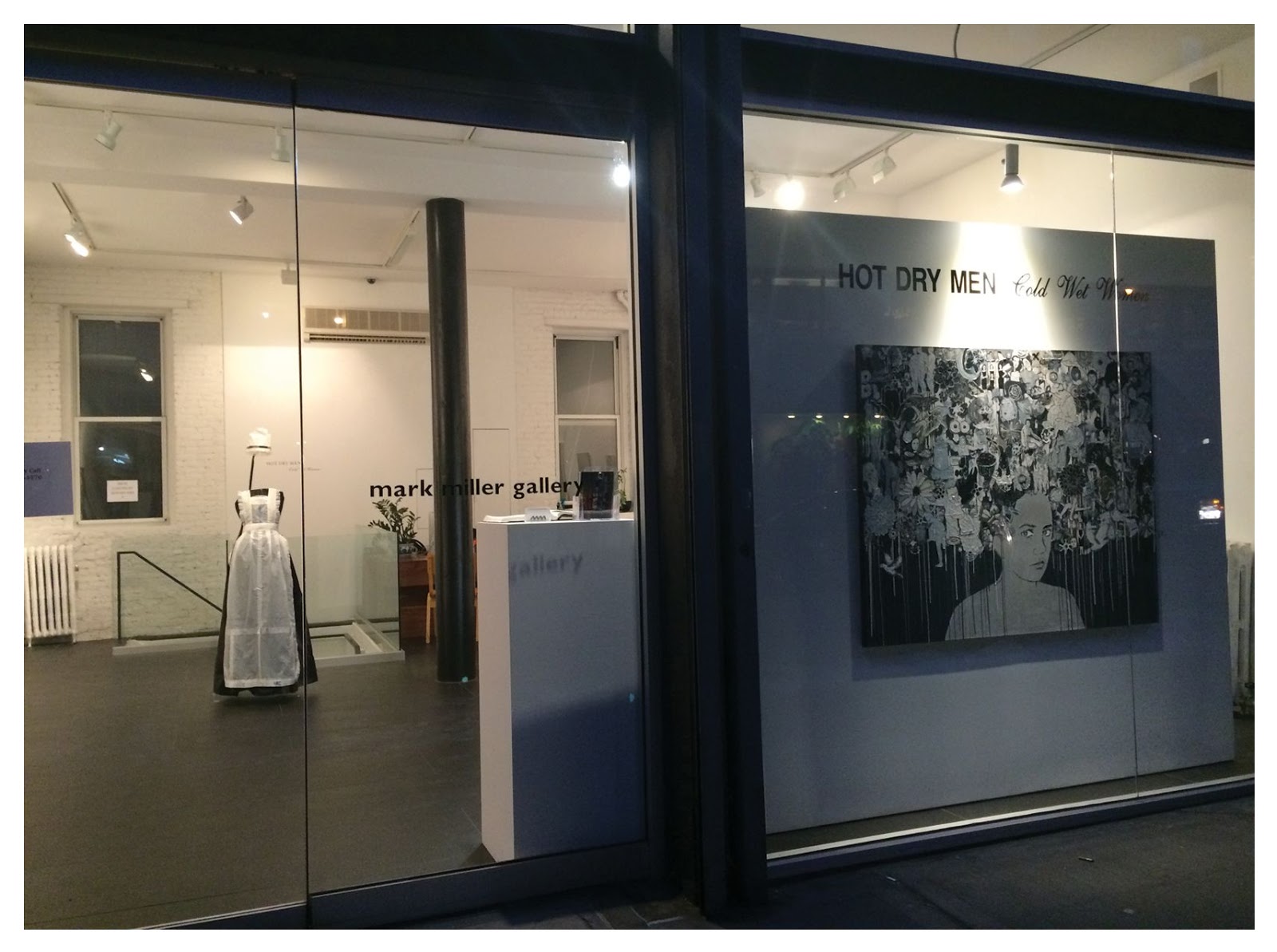
| Installation shot from “Hot Dry Men, Cold Wet Women” |
 |
| Installation shot from Love it, Lock it, Leave it |
Michelle: I typically begin with a concept for a show that I feel is compelling and relevant. I’m constantly researching artists and collecting images. Over time, certain works reveal relationships and themes that spark ideas for shows.
 |
| Installation shot from “Hot Dry Men, Cold Wet Women” |
Michelle: The experience of curating has been so valuable.. I’ve become more fearless when connecting with artists, galleries, critics and writers. I’m more comfortable with writing proposals, interviews and essays. The entire experience has pushed me outside of my comfort zone. There’s so much work and collaboration that goes into curating a show… above all, I’ve learned how to be a better professional artist.
Michelle: The space is important when deciding on a show, particularly when choosing the amount of artists and sizes of work. Ideally, I prefer working with a gallery who’s supports the curator’s decisions and who will actively promote the show.
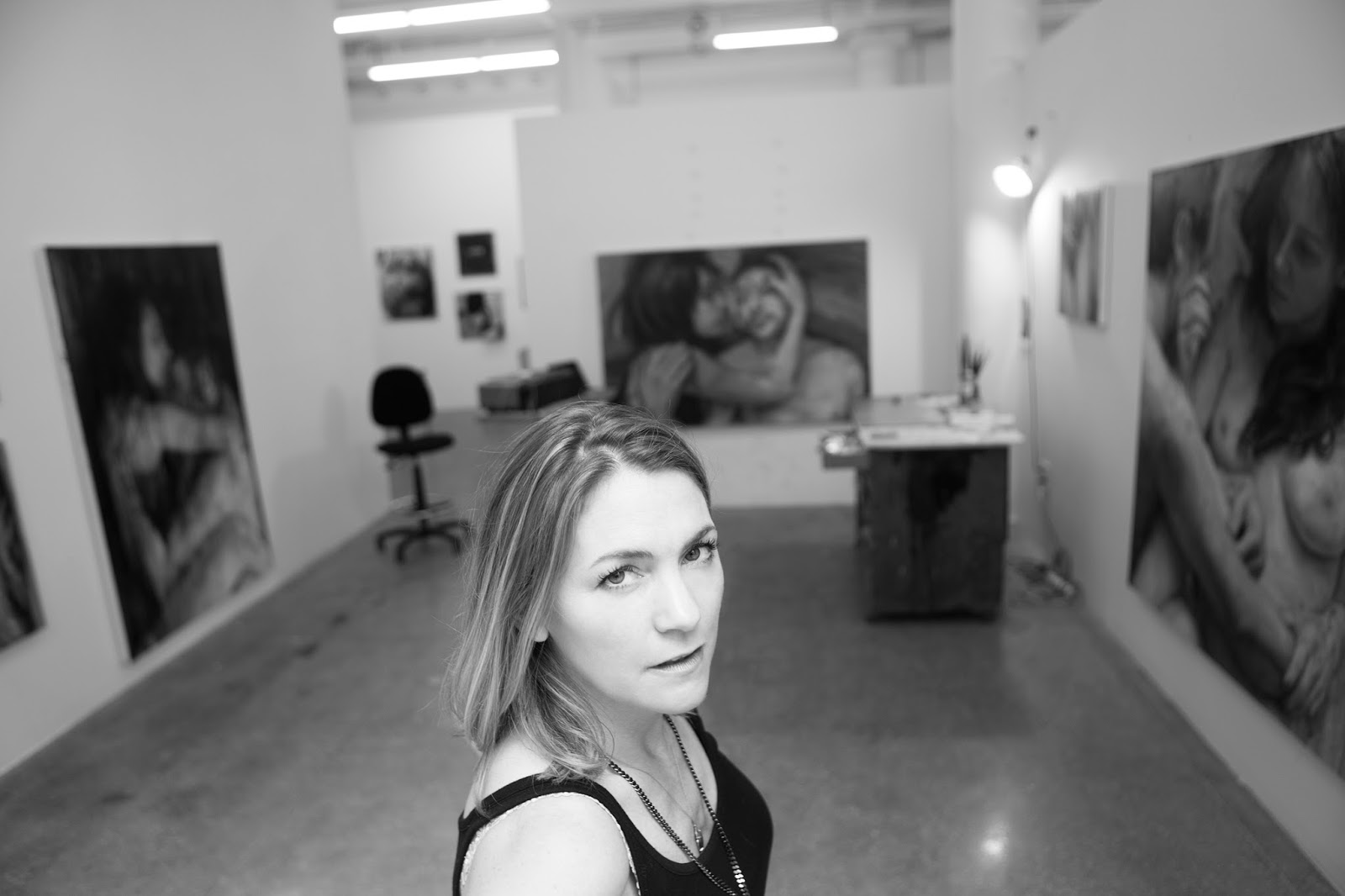 |
| Michelle Doll in her stu |
Cara: An exhibit of Baroque paintings and still lifes from the Hohenbuchau collection that was on display at the Bruce Museum in Greenwich CT. The works were lush, ornate, dripping with color, detail, and velvety backgrounds. It was an almost guilty experience. Also, I was really enamored with the Balthus show at the Met, “Cats and Girls,” a little over a year ago. It was one of the best shows I’d seen in a while. Another show that makes you feel almost guilty – I hope that’s not a pattern forming!
Leipzig Works in Progress
 |
| oil, 35 x 23 |
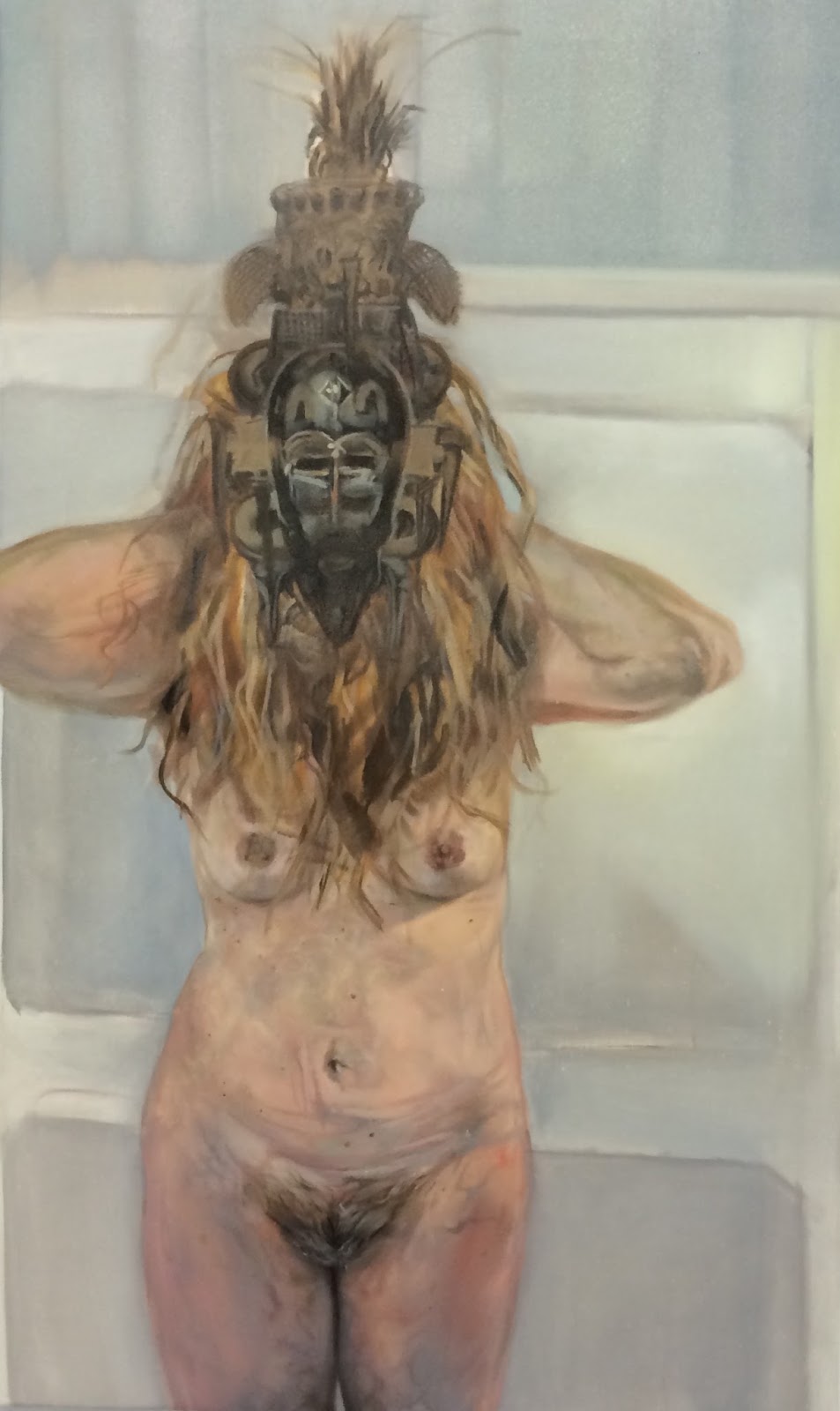 |
| oil, 35 x 23 |
 |
| oil, 39 x 23 |
 |
| oil, 39 x 31 |
Carrara Residency, Part 1

Today was my first day . . . where should I start? This is pile from which I select the piece of marble to carve my sculpture

I worked so hard today that as soon as I laid down I fell asleep. I wanted to share this photo of my work wardrobe: gloves, hearing protection, goggles, respirator, my favorite cap, and an apron of the best Art Academy in the world!

Today is “Domenica” (Sunday) and “il laboratorio” (workshop) is closed, but I wanted to share a picture of the work space. I am so glad to be here, surrounded by people who have done (and do it well) what I am just starting to do: sculptures!

Since the hostel is just next to the beach, I only need to walk downstairs to see this view! But if I had a choice, I would bike 1.4 miles back to il laboratorio (workshop) to work on my sculpture. Sadly, it is closed right now, so I have no choice . . . I have to enjoy the spiaggia (beach)!

Here at Carrara there is an Italian expression, “Chi ben comincia è alla metà dell’opera” – the one who starts well, has the work half-way done. I can only smile and wonder, when am I going to be halfway done!?

Everyday, we eat lunch together. This big family works hard and celebrates every meal with joy. My rusty Italian has gotten better and I feel so comfortable. I am lucky . . . I really don’t know how I got here, but it will be hard to leave.

On the left is Steve Shaheen, my mentor, and on the right is Maestro Massimo. This morning I saw these two men work in a way that I have only seen happen in Ballet. Like in Lar Lubovitch’s choreography, these two men just knew the steps so well that the sounds of the tools were like the buzz of working bees. While Mr. Shaheen was assisting Maestro Massimo, he was not only paying careful attention to his action, but was also always one step ahead. Whereas having the next logical tool readily available in his hands to pass it on to the Maestro or to take action himself and complete a task. Seeing them work reminded me of my father. He would say, “If you see me work and you are not able to predict my movements, you have not learned.” I am just so happy to be here . . . I feel like I am at the right place, at the right time, with the right people. Thanks so much to all who made this experience happen.
Academy Awards – Most Experimental Media – Sarah Elise Hall (MFA 2009)
 |
| Ruptured Slab: hydrocal, spray paint transfer, dry pigment, calcite geode (2015) |
I first met Sarah Elise Hall (MFA 2009) two and a half years ago, in Toronto, where we are both from. I was painting out of a shared studio space, and Sarah happened to stop by to visit the space’s owner. When she mentioned that she had gone to the Academy, I excitedly told her I was applying for the following year.
 |
| System 2 (Grey Aggregate with Carbon Stack). Plywood, enamel floor paint, dry pigment, acrylic paint skins, hydrocal. |
 |
| System 1 (Ultramarine R7) plywood, enamel floor paint, dry pigment, spray paint transfer, hydrocal (2015) |
You majored in sculpture at NYAA, and now are working more with installation- What caused this shift? What information that you learned at the Academy have you held onto/let go of?
 |
| Studio shot (untitled) – materials: plywood, enamel floor paint, dry pigment, acrylic paint skins, hydrocal (2015) |
in different ways.
 |
| Detail of Grey Aggregate (2015) |
Leipzig Residency, Part 1
 |
| Artists Adam Lupton (MFA 2016), Valerie Gilbert (MFA 2016), Marcelo Daldoce (MFA 2016), and Charlotte Segall (MFA 2016) arriving for the summer 2016 Leipzig Residency |
Adam Lupton, Valerie Gilbert, Charlotte Segal, and Marcello Daldoce will spend two months at the Leipzig International Art Program, housed in the former Leipziger Baumwollspinnerei. While the Spinnerei is now an incredible cultural space for artists, musicians, and performers, it has a rich history through the 19th and 20th century with humble beginnings as a cotton spinning mill.
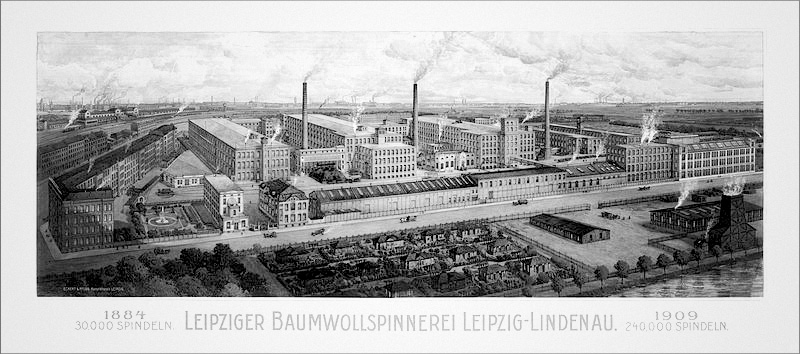 |
| Leipziger Baumwollspinnerei |
 |
| Studios on the left and Art Supply Store on the right, how convenient? |
 |
| The non-profit art space HALLE 14, the largest production hall on the Spinnerei site. |
 |
| Leipzig International Art Program, as illustrated by Marcelo Daldoce (MFA 2016) |
 |
| Neo Rauch’s Gallery Eigen-Art |
 |
| Among the 100 artist studios, here is ours! |
 |
| Adam Lupton inside the studio – two months to fill up all these walls with paintings! |
“Academy Awards” – Best Writing, featuring Jacob Hicks and Angela Gram
The alumni Academy Award for “Best Writing,” was given to Angela Gram and Jacob Hicks (both MFA 2012), founders of “QuantumArtReview.” While some artists, (perhaps the majority) struggle with words, some possess both verbal and visual abilities. Writing helps artists clarify their own ideas and can be a powerful tool for the exchange of ideas between artists. Jacob and Angela created Quantum as a platform for such an exchange.
Below, they answer some questions about the blog:
 |
| Crepuscular Things, oil on canvas, 46″ x 60″, 2014, by Angela Gram |
Tell me about the intersection of art and science you’re examining at Quantum?
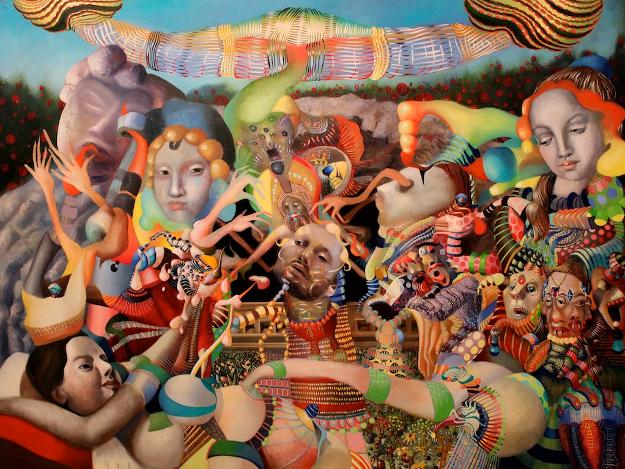 |
| Christ Becomes a Spider, oil on panel, 2015, by Jacob Hicks |
Contemporary artists in this dialogue seem to delve into the unknown. Some are interested in tenuous existential questions manifesting from the “threatening” speed of advancing technology. This seems to be a consistent trend in the zeitgeist.
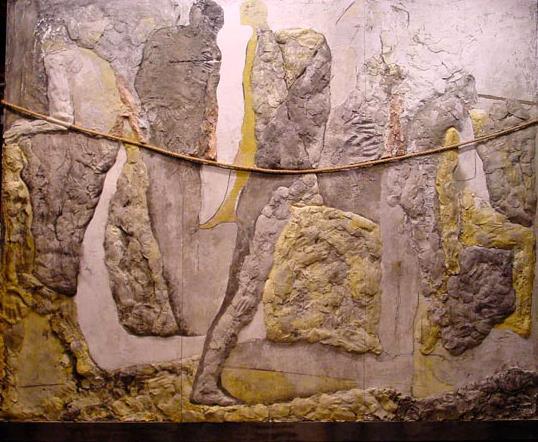 |
| The Gaits, 2006, 10’x12′, Colored plaster, rope, steel, by Michael O’Keefe |
Jacob: I had a great time interviewing Michael O’Keefe because I had known and admired his work as an undergraduate student in Texas. Critical writing for QAR is a great excuse to meet artists and explore their work and processes.
To read more, check out Venison Magazine’s interview with Angela about her work and QunatumArtReview.
“The Academy Awards” Part 1 – Michael Kagan
 |
| Michael Kagan’s Paintings |
On Saturday, May 30th, the new York Academy of Art held the “Academy Awards” ceremony, as part of the second annual Academy Alumni Reunion. These awards celebrate successful Academy Alumni in a number of categories, from “Most Likely to Break the Internet” to “Best Writing.” For the next few weeks, I’ll be featuring nominees.
 |
| One Day This Will All Be Yours |
First up, we have Michael Kagan, MFA 2005 and Fellow 2006, who was nominated for “Best Showing.”
Artists often think of the white walls of the gallery as the only place to show work. For our Best Showing award, the Academy community chose Academy alum who have had success showing work in uncommon venues. Kagan’s case is uncommon indeed – his work is being shown on designer clothing. Kagan’s wife, fashion designer Paola Hernandez, used Kagan’s painting “One Day This Will All Be Yours,” in her Spring-Summer 2015 Collection, titled “Initiation.”
Below, Kagan answers some questions about his collaboration with Hernandez:

How did Paola come across your work?
The first time Paola saw my work in person was when she came over to my studio on our second date. Now, we are married and we are studio neighbors, so we constantly inspire each other with our work.
Tell us about your collaboration with Paola.
When Paola was designing her Spring-Summer 2015 collection, I was working on my solo show. She was inspired by my painting “One Day This Will All Be Yours,” one of the main paintings in my show. At the beginning she was only using the same color palette for her collection, but then decided it would be even stronger to create a print based on my painting.
Can you talk about the title of the painting, and how your work fit Paola’s vision?
Paola’s inspiration for her Spring-Summer 2015 collection, titled “Initiation,” was based on the idea that as you open a door, you discover a new world. Since my painting depicted the cockpit of a space shuttle, she thought it provided the perfect representation of her concept – the space shuttle is literally used to travel to other worlds.
How has your work evolved since NYAA?
NYAA gave me the base to understand technique with which to achieve my ideas. Since I graduated I have been working on my voice as an artist, finding subject matter that inspires me, and the ideas I want to represent.
What are you working on now?
I’m currently working on my second NYC solo show. It opens in February 2016 at Joshua Liner gallery.
 |
| Paola wearing the collaboration |
2015 MFA Thesis Exhibition
-
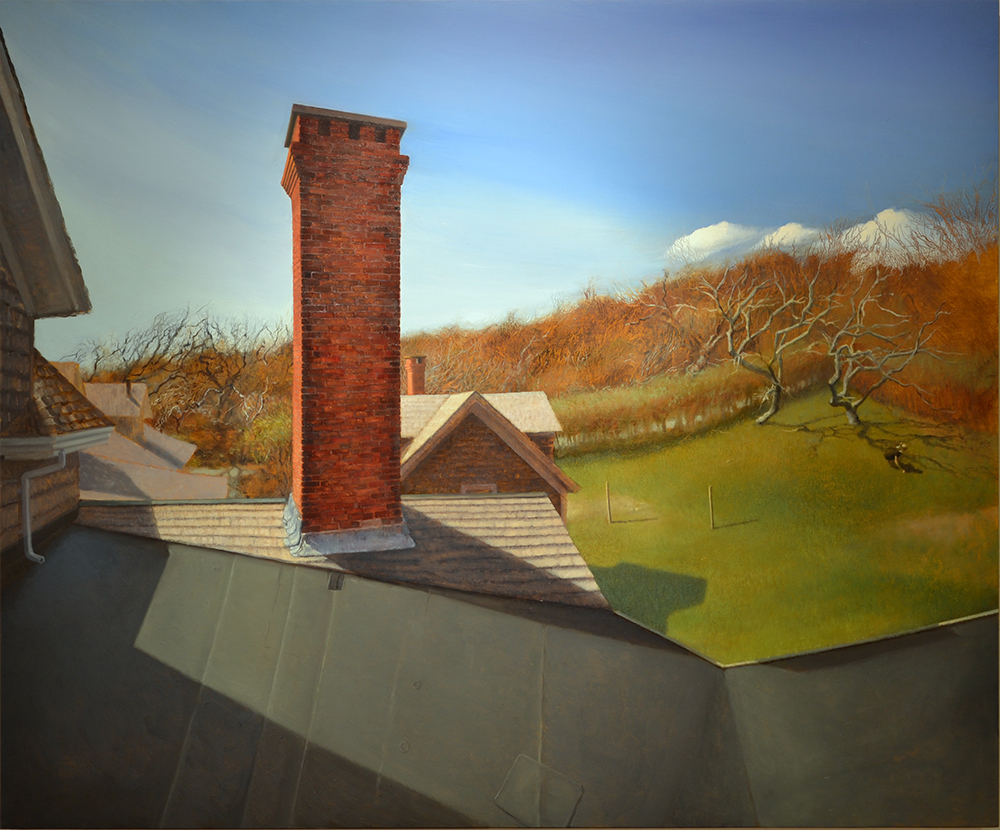
- Tamalin Baumgarten (MFA 2015)
-
- Tamalin Baumgarten (MFA 2015)
-
- Tamalin Baumgarten (MFA 2015)
-
- Tamalin Baumgarten (MFA 2015)

-
- Tamalin Baumgarten (MFA 2015)
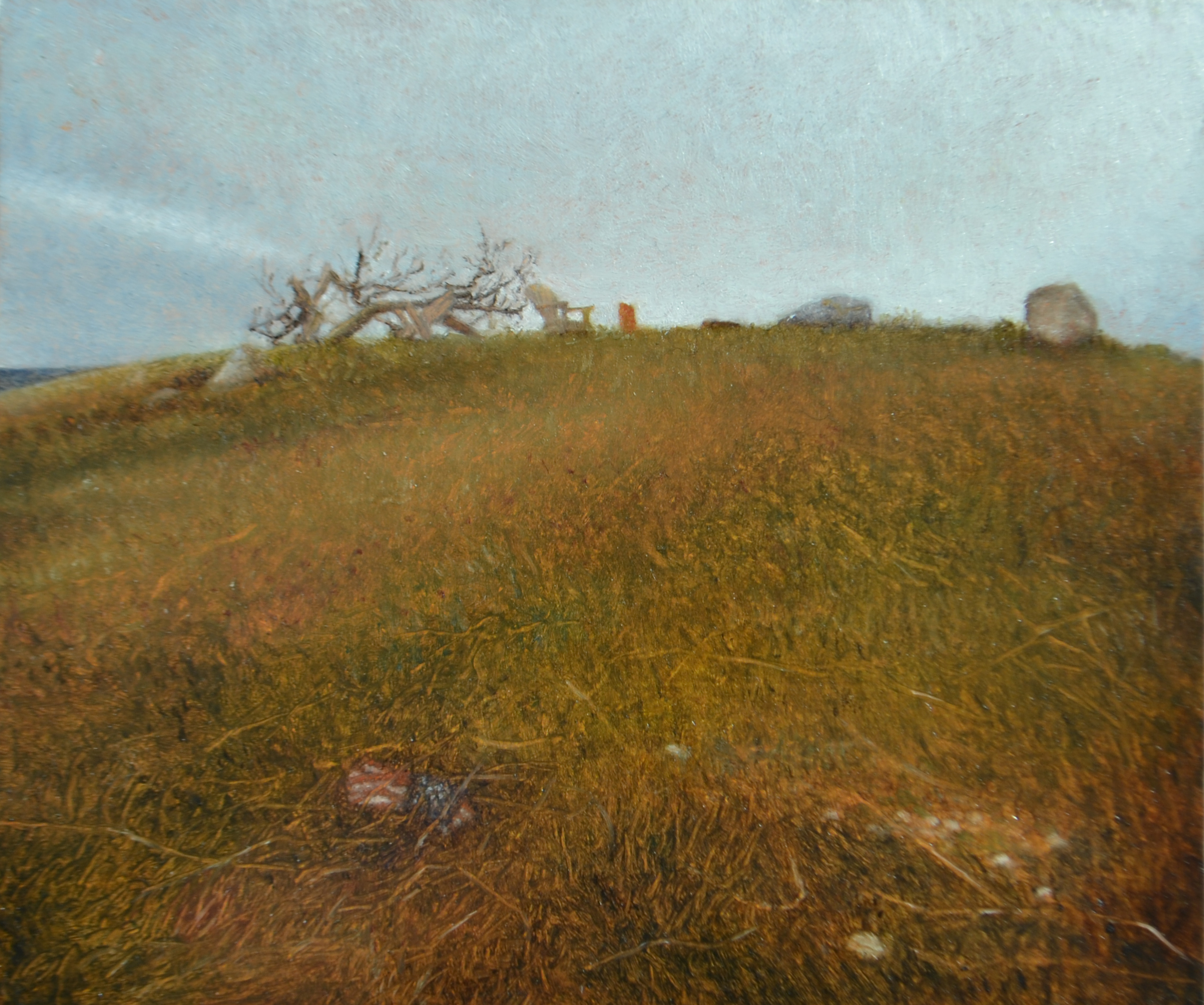
-
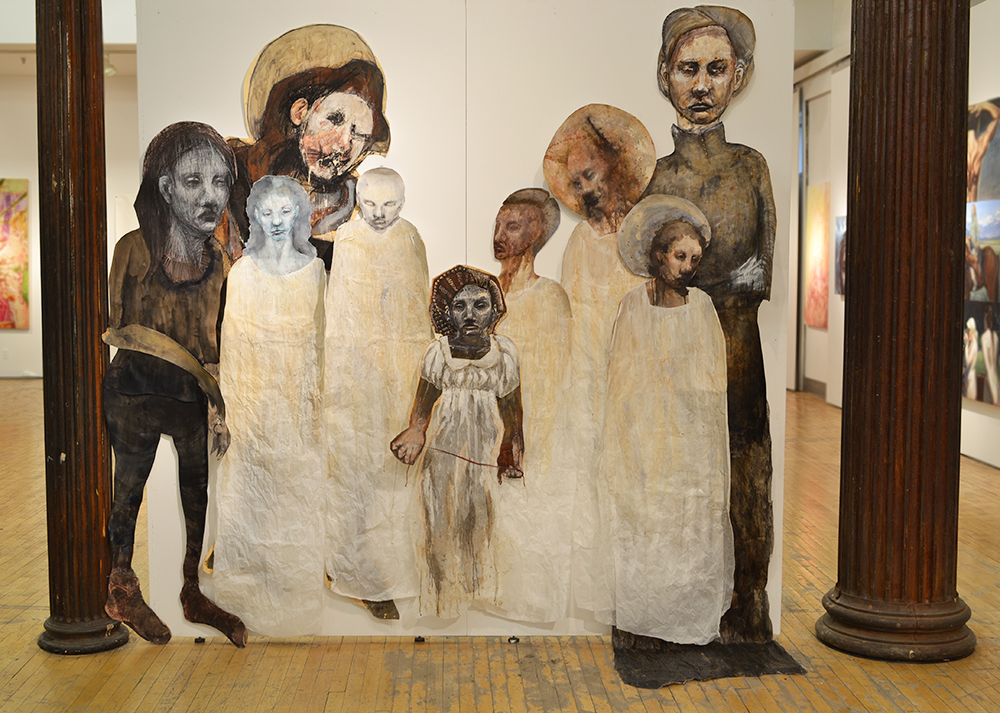
- Rachel Birkentall (MFA 2015)
-
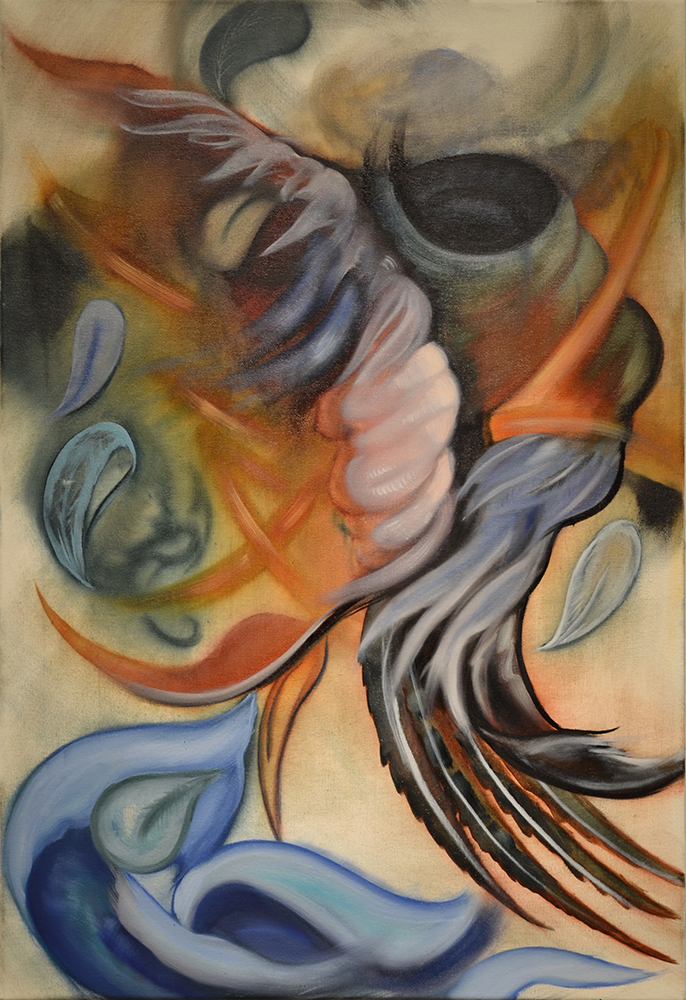
- Michael Black (MFA 2015)
-
- Michael Black (MFA 2015)
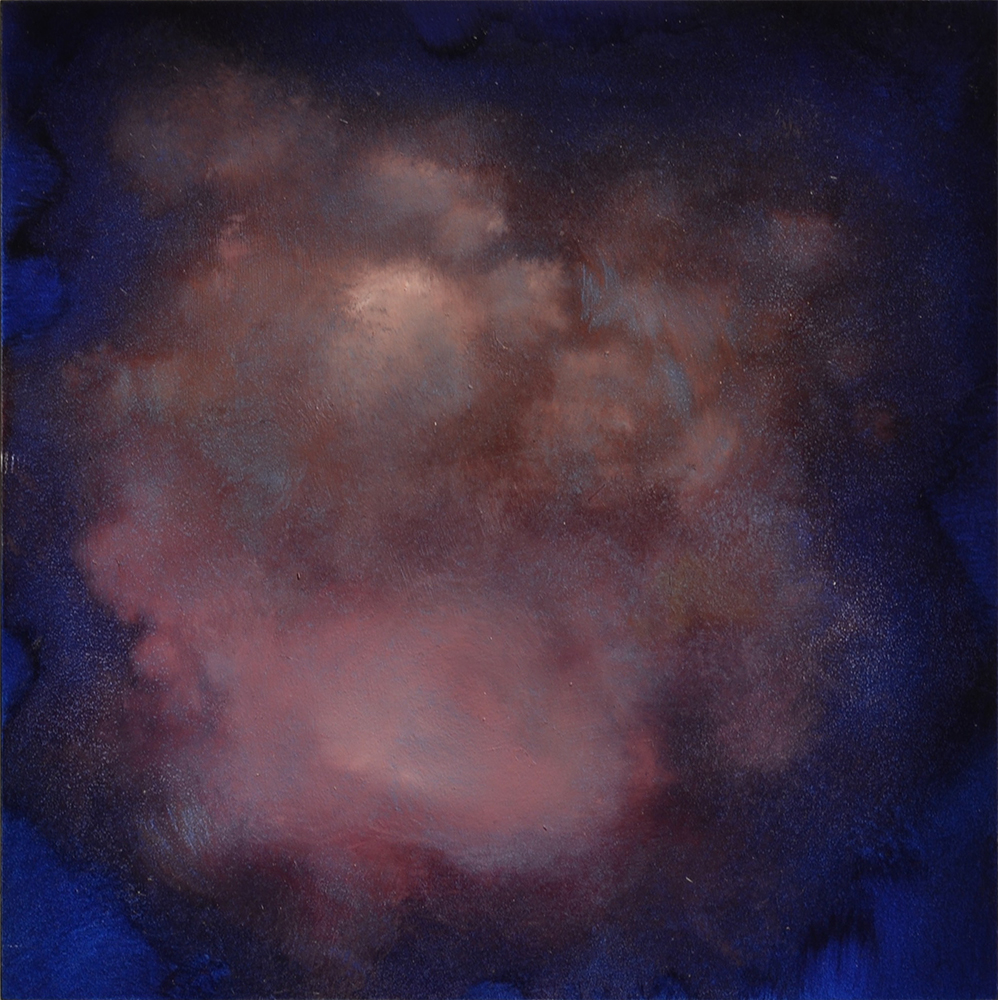
-
- Michael Black (MFA 2015)
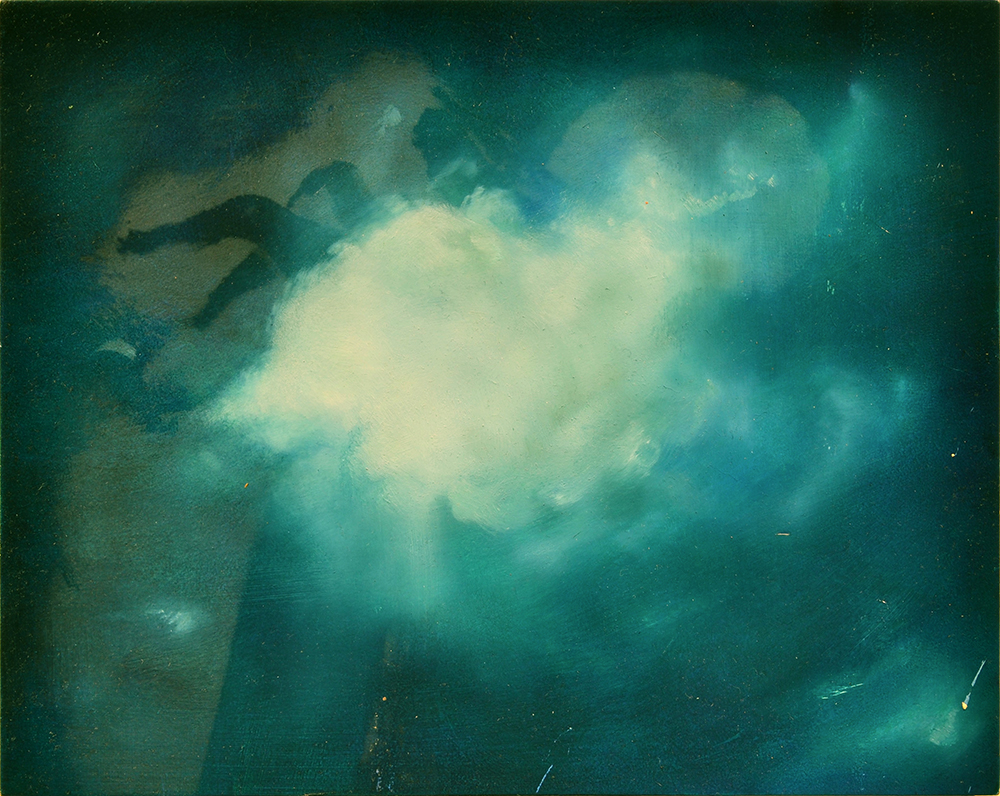
-
- Michael Black (MFA 2015)
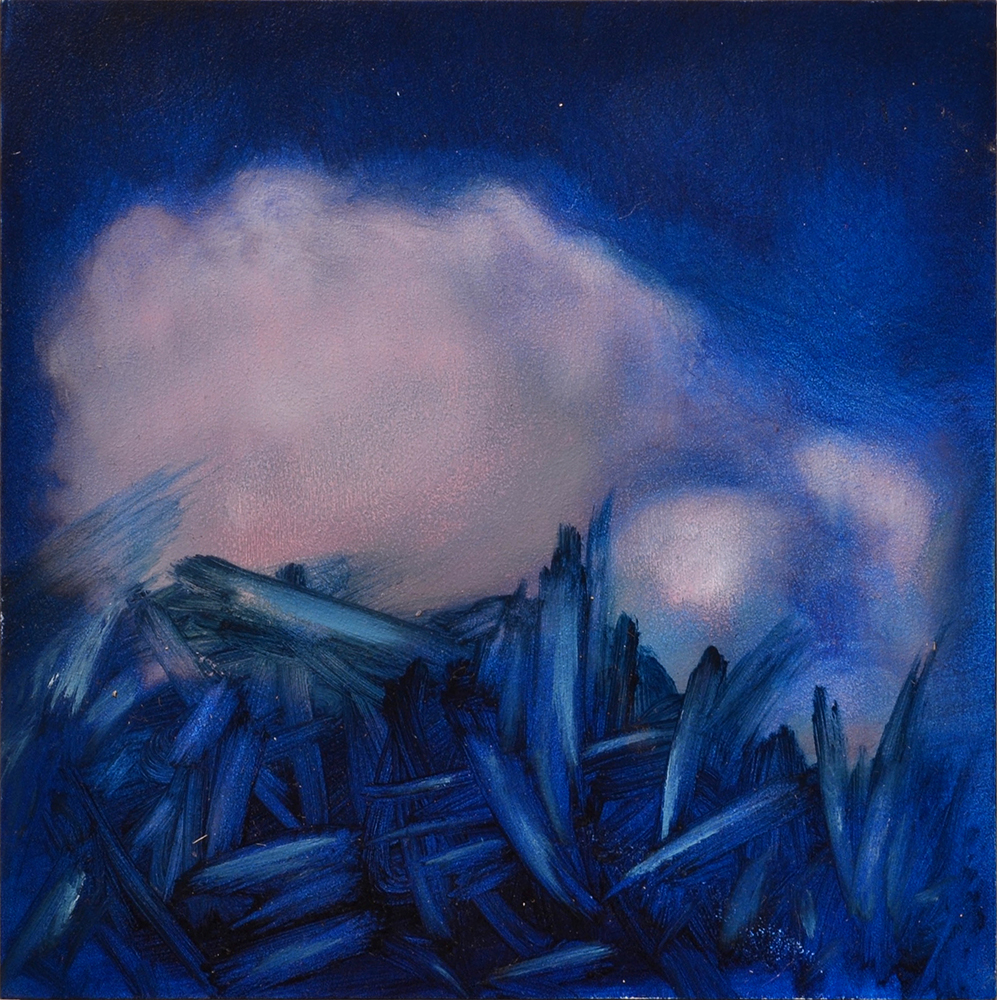
-
- Jodi Brown (MFA 2015)
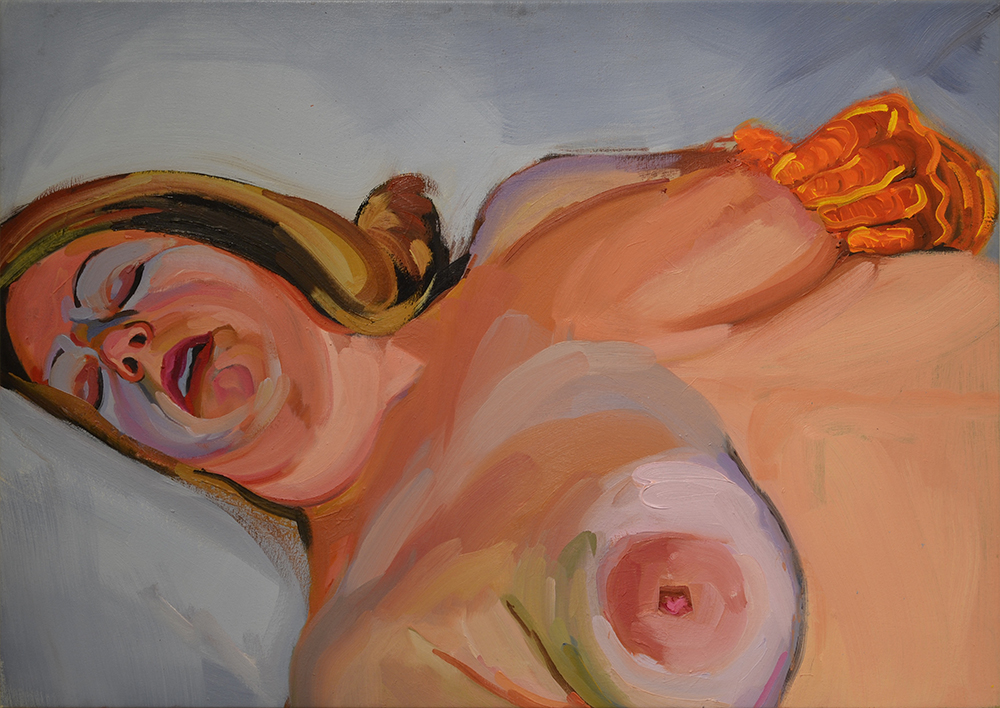
-
- Kiki Carrillo (MFA 2015)
-
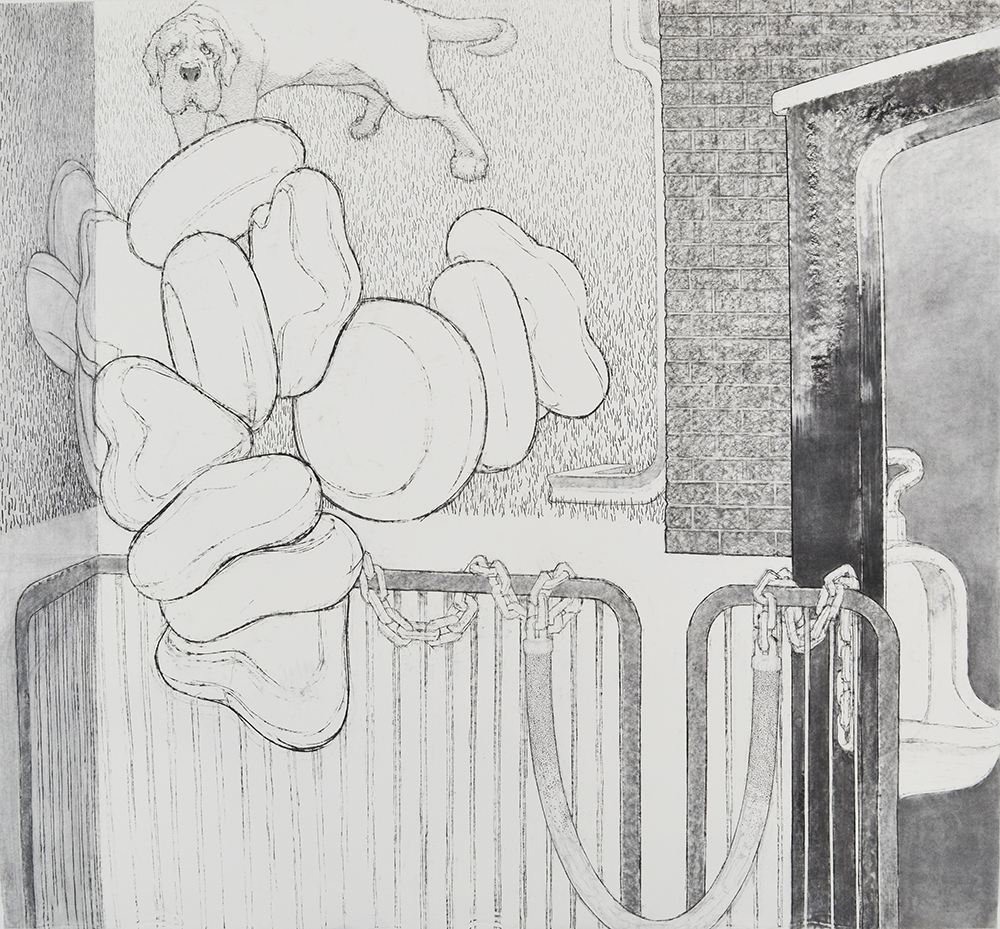
- Matthew Comeau (MFA 2015)
-
- Shaina Craft (MFA 2015)
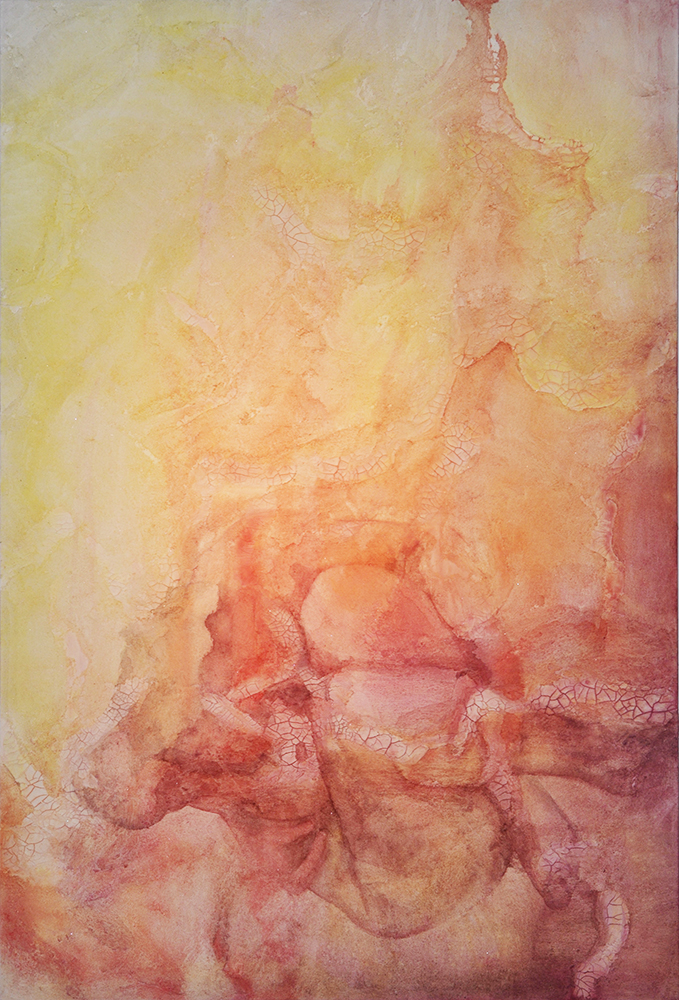
-
- Claire Cushman (MFA 2015)

-
- Daniel G. daSilva (MFA 2015)
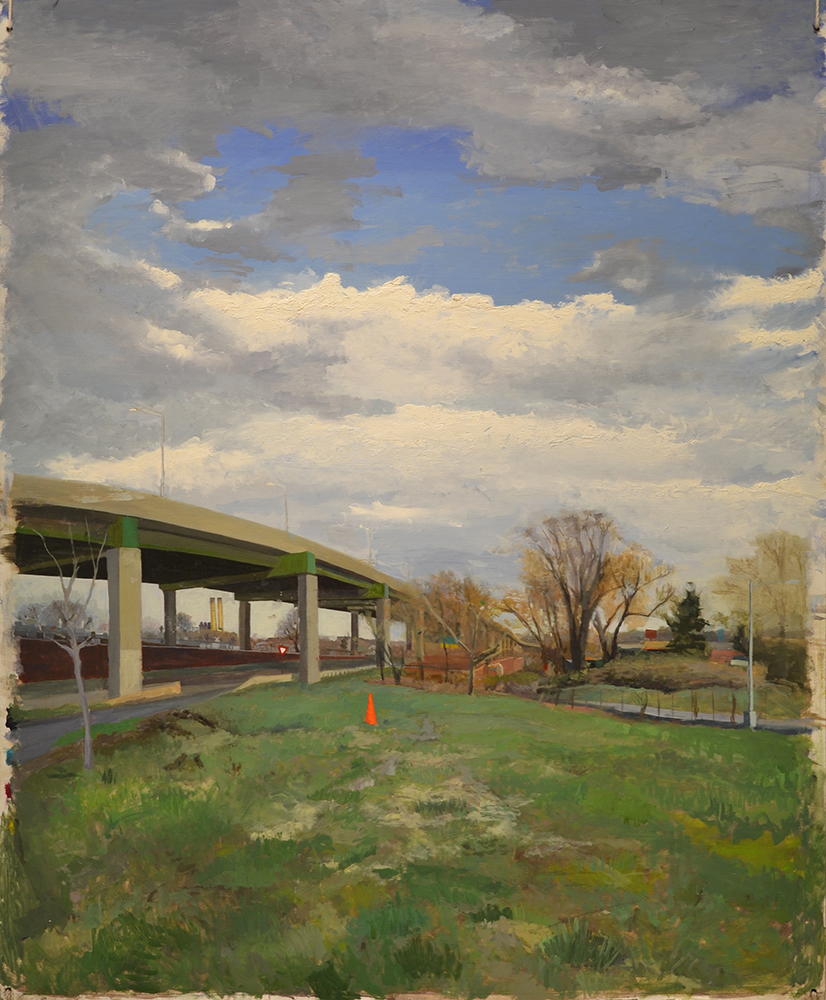
-
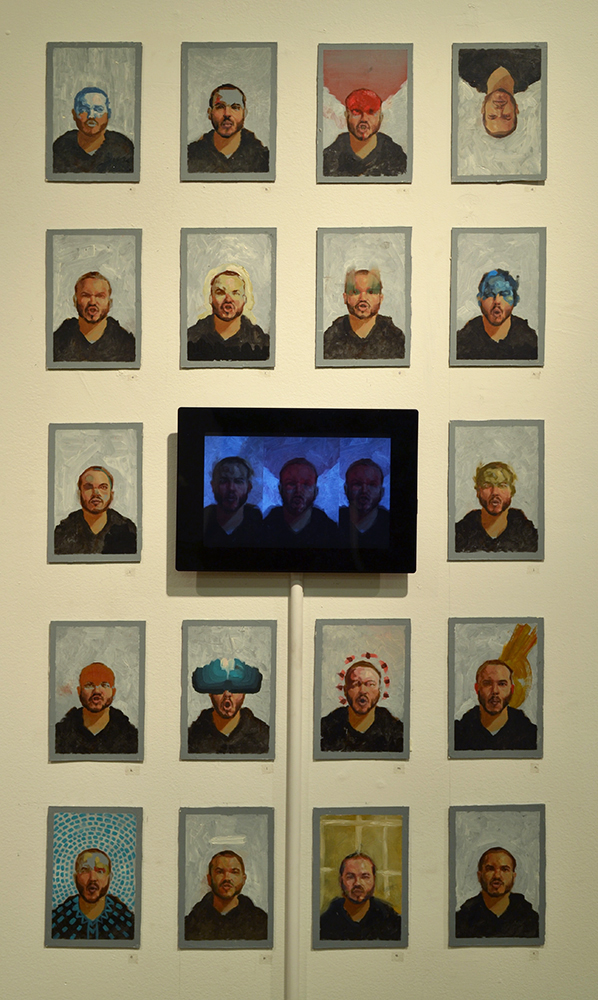
- J. Andrés de la Torre Lobato (MFA 2015)
-
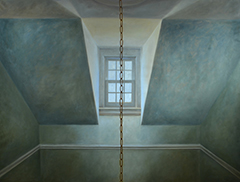
- Jaclyn Dooner (MFA 2015)
-
- Bernard Garcia (MFA 2015)
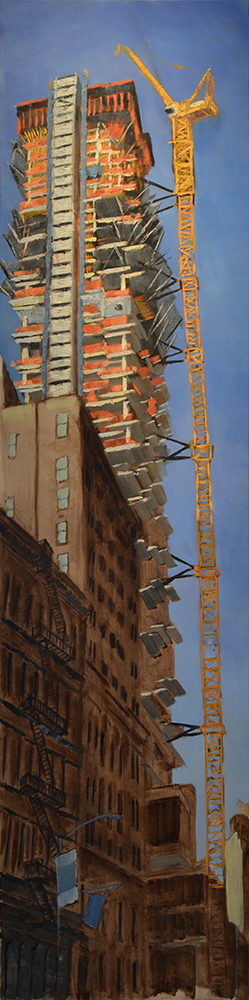
-
- Bernard Garcia (MFA 2015)
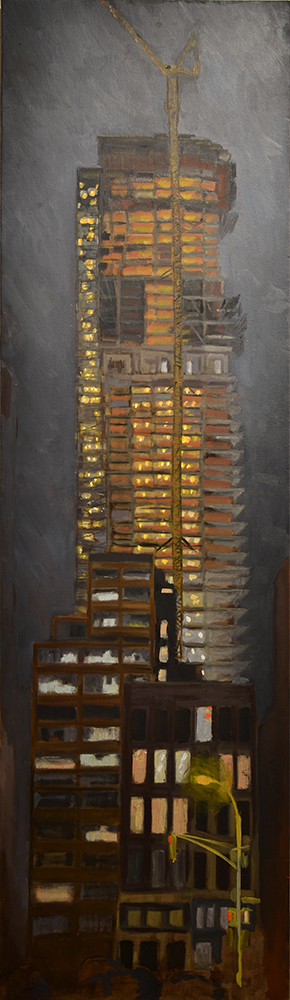
-
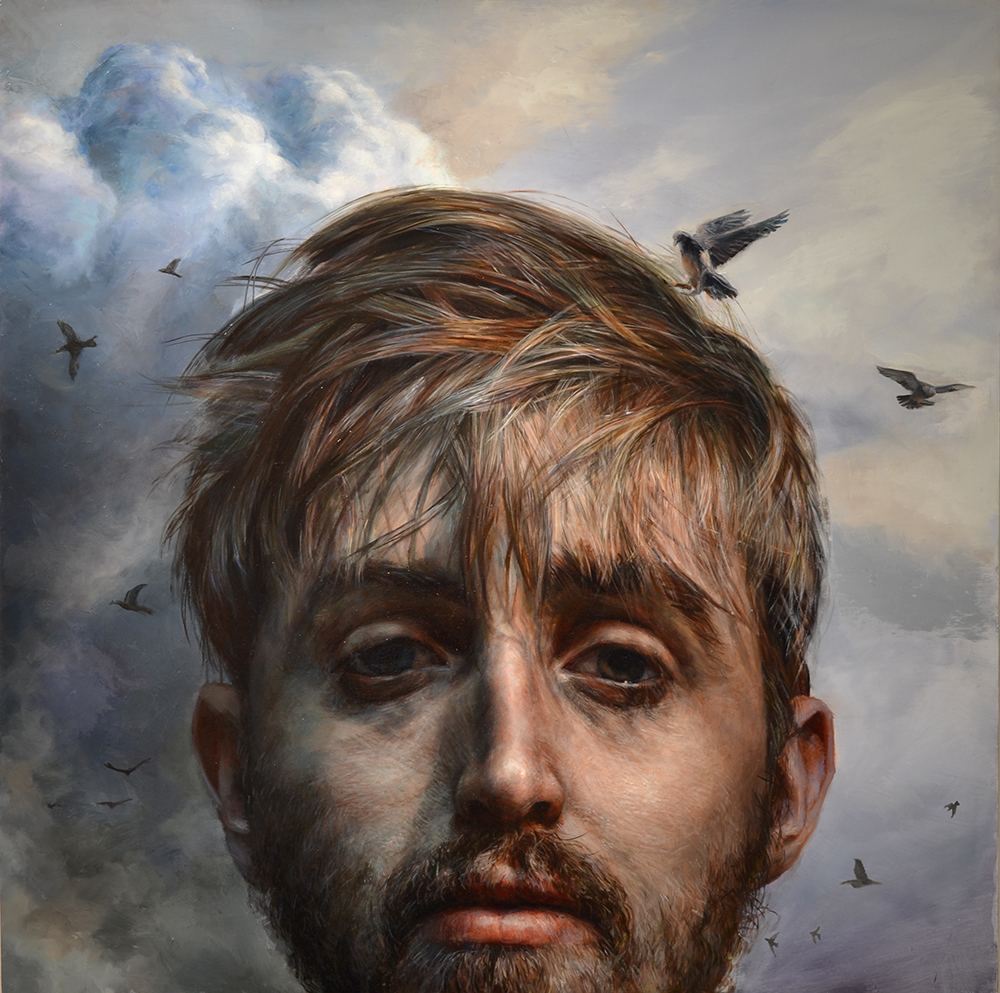
- Nick Gebhart (MFA 2015)
-
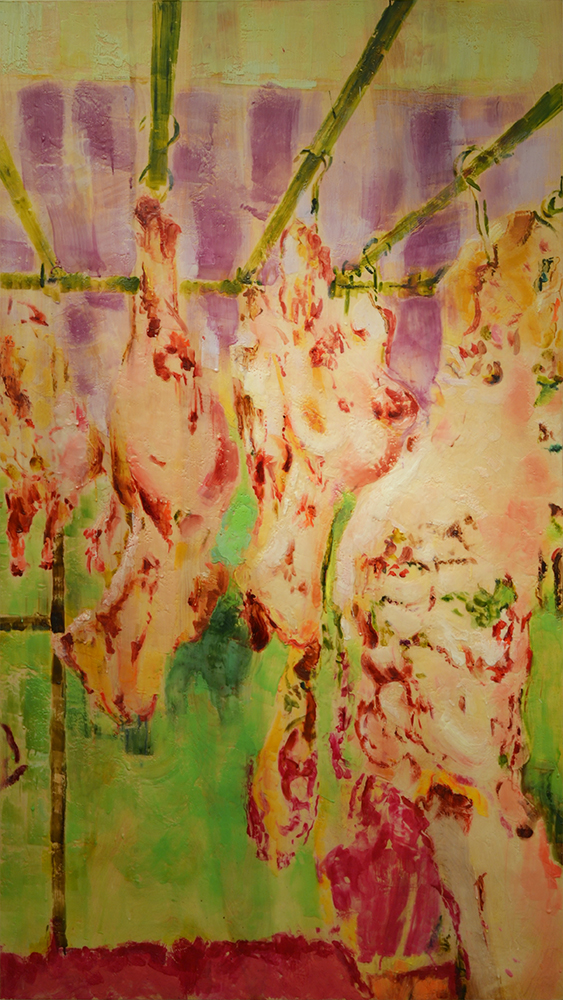
- Nava Gidanian-Kagan (MFA 2015)
-
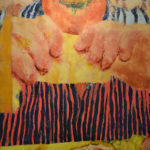
- Nava Gidanian-Kagan (MFA 2015)

-
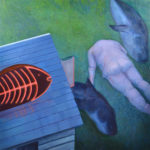
- Gökhan Gökseven (MFA 2015)
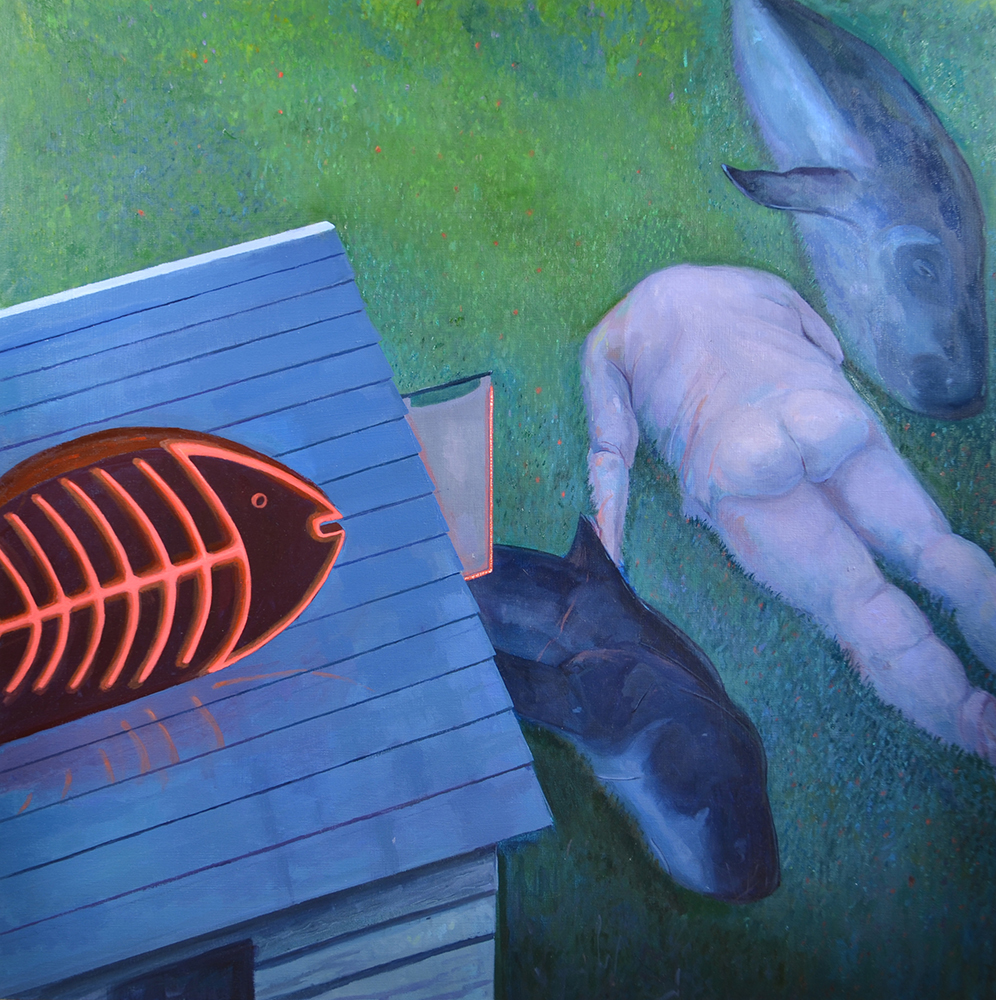
-
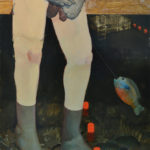
- Kathryn Goshor (MFA 2015, Fellow 2016)
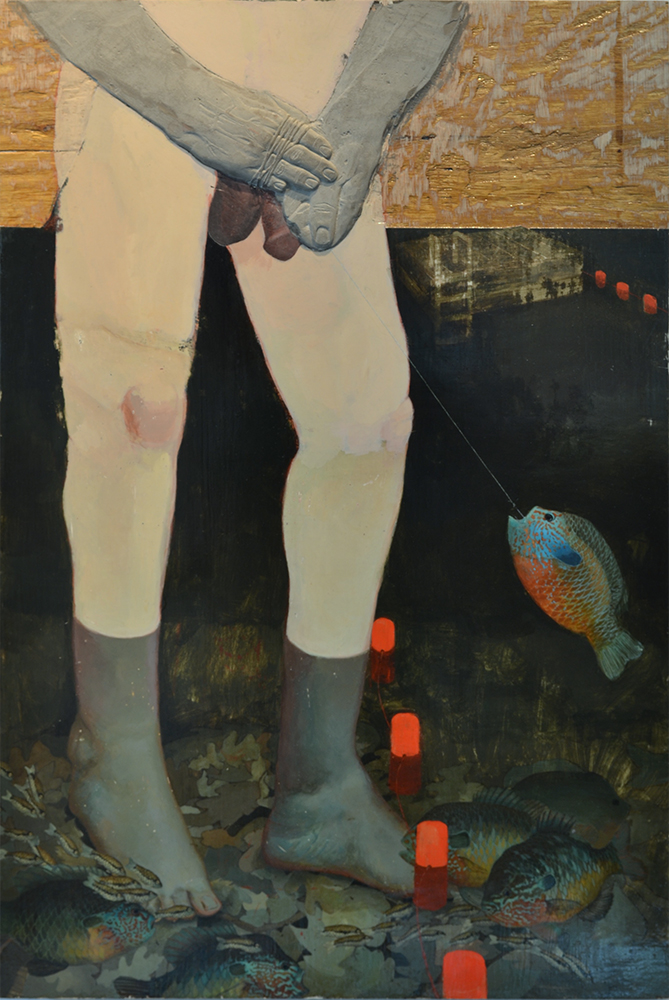
-
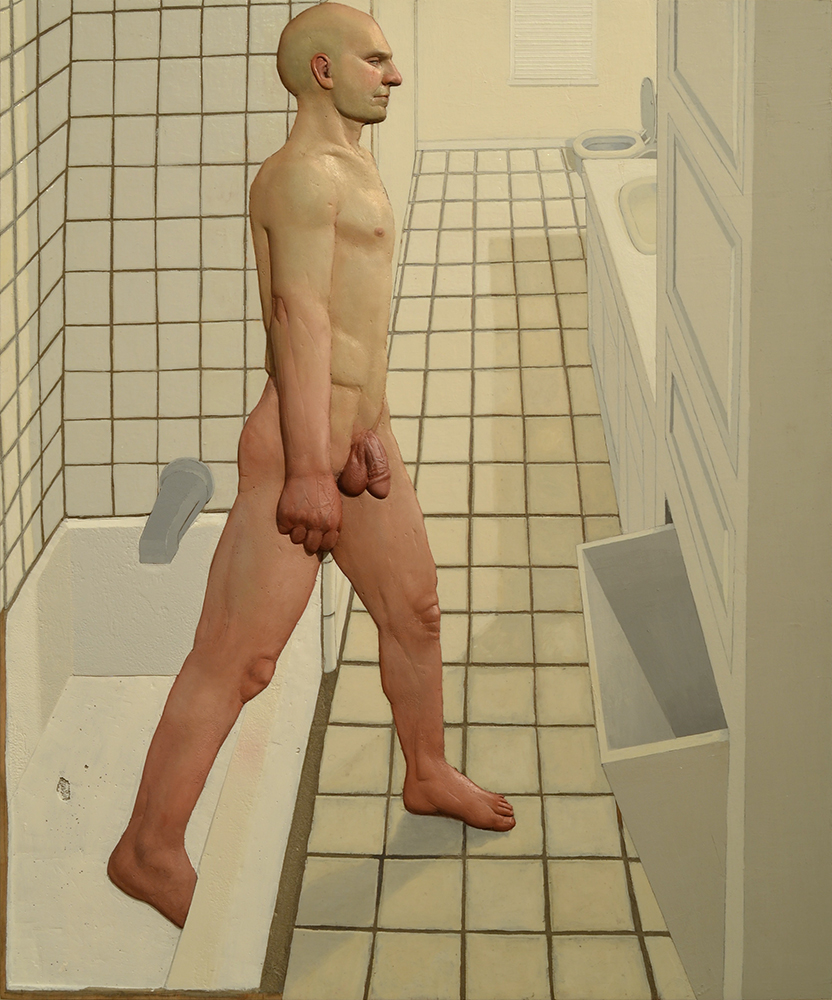
- Kathryn Goshor (MFA 2015, Fellow 2016)
-
- Kathryn Goshor (MFA 2015, Fellow 2016)

-
- Gabriela Handal (MFA 2015)
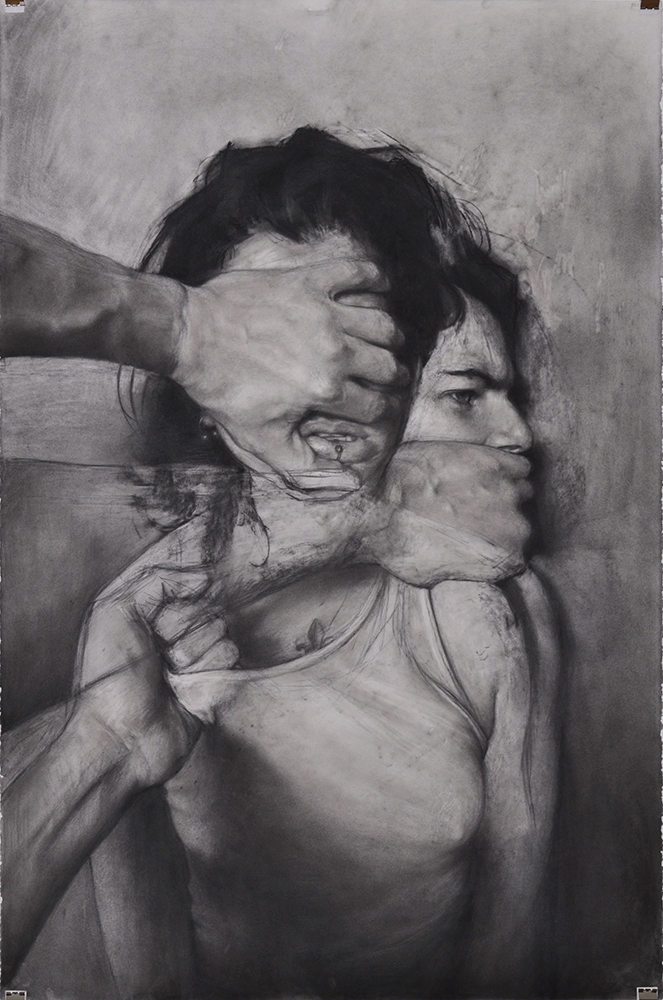
-
- Gabriela Handal (MFA 2015)
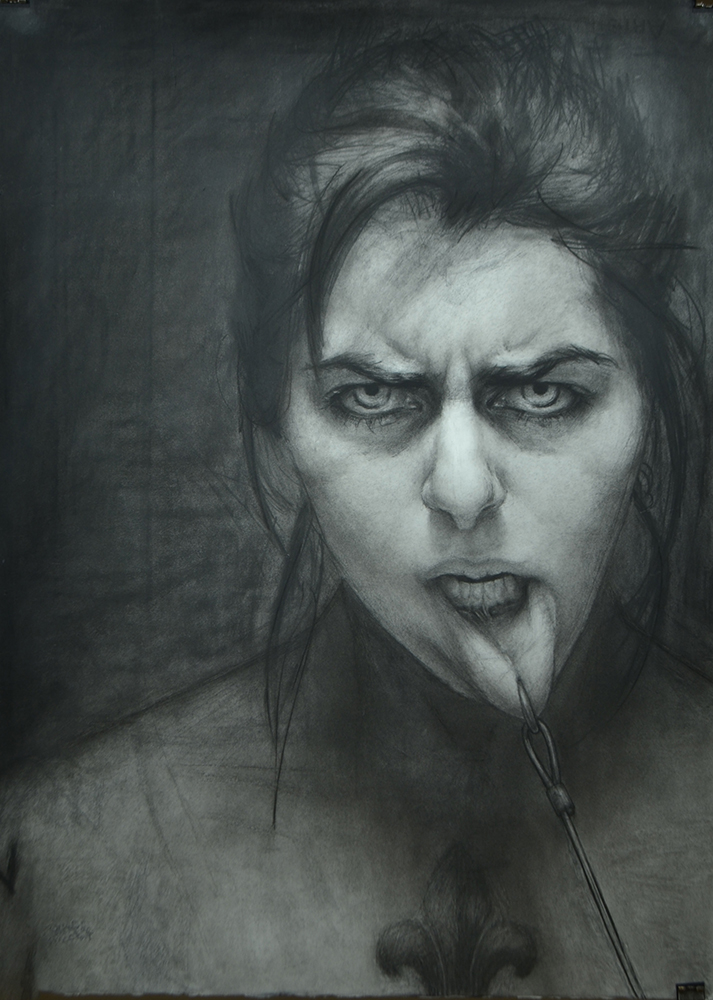
-
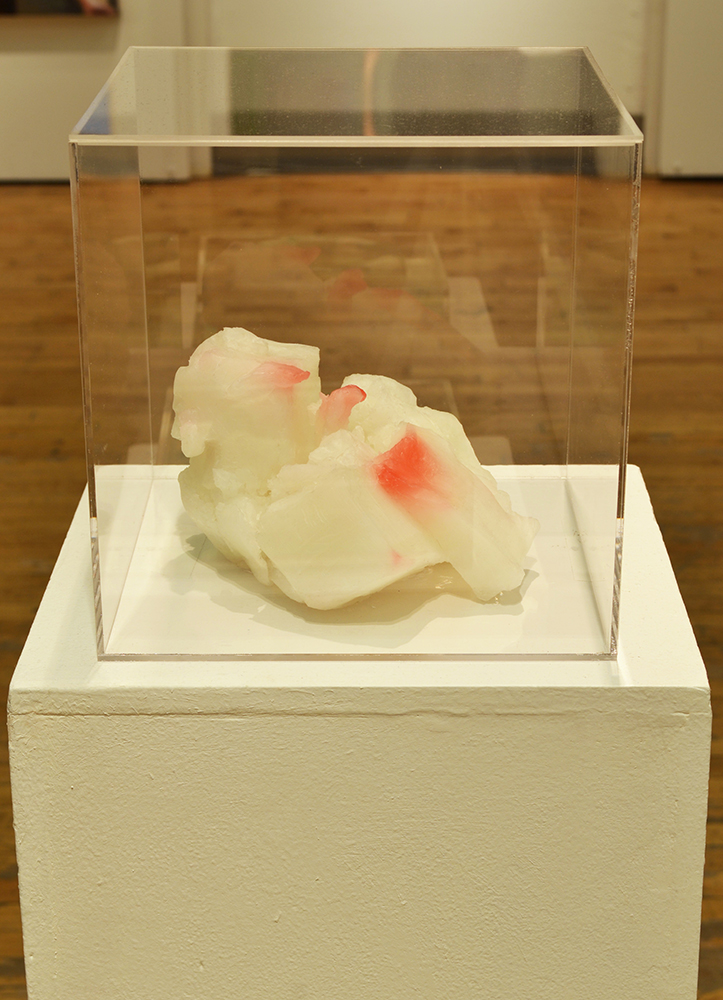
- Erinn Heilman (MFA 2015)
-
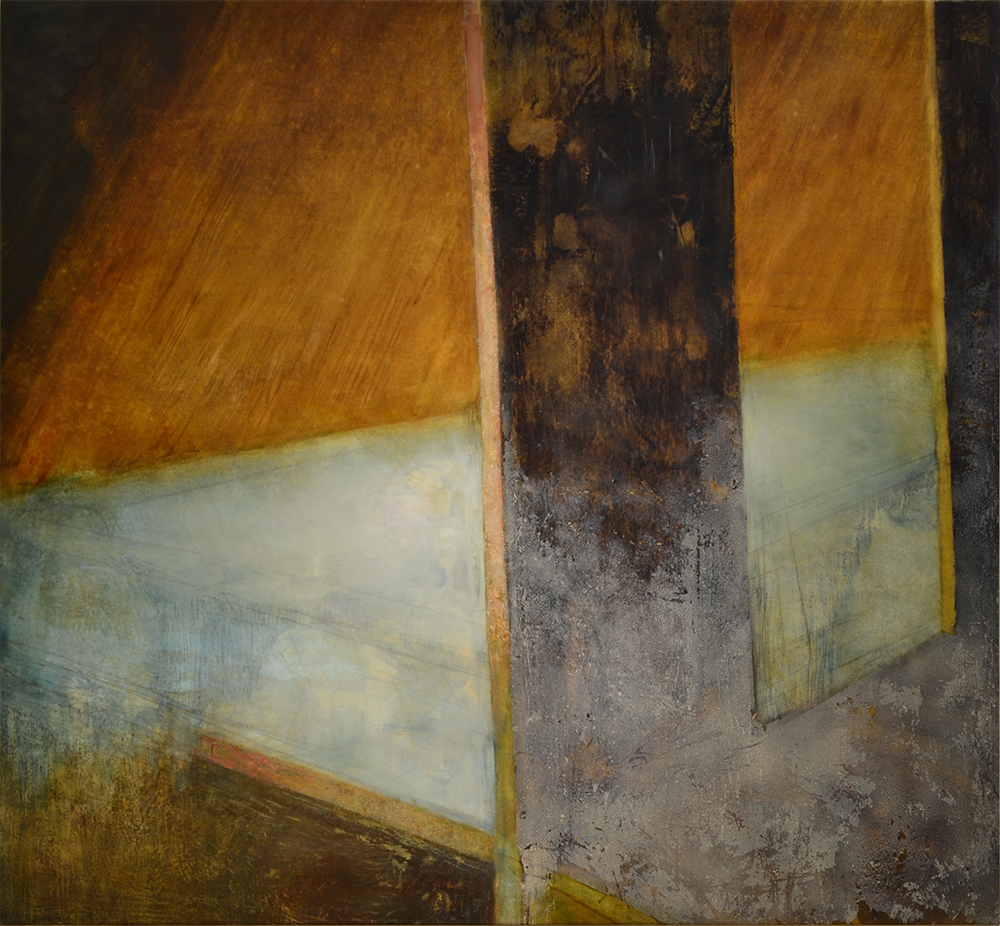
- Erinn Heilman (MFA 2015)
-
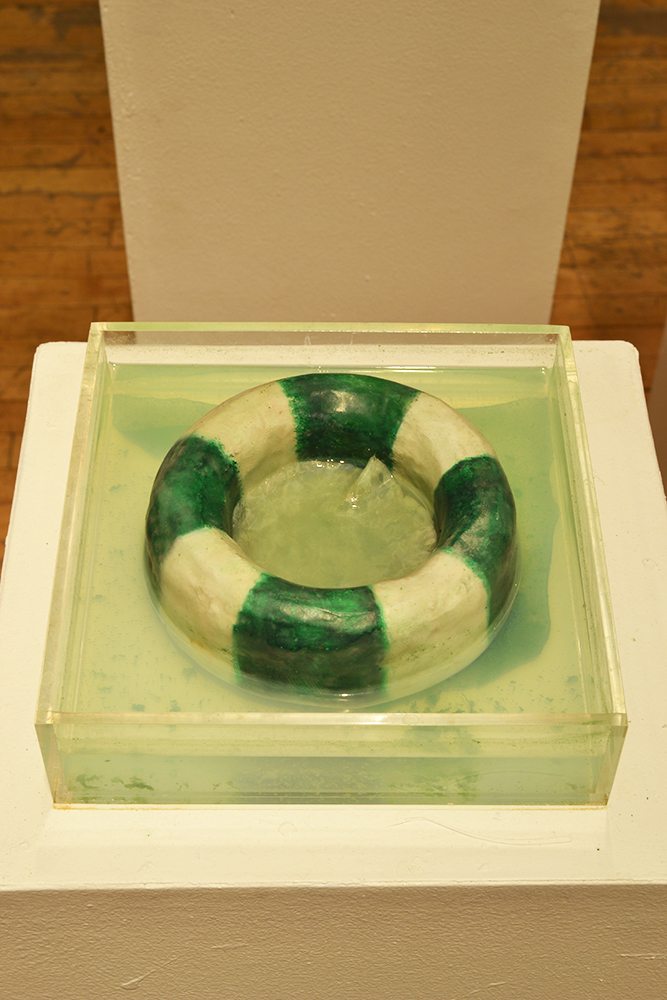
- Erinn Heilman (MFA 2015)
-
- Erinn Heilman (MFA 2015)

-
- Erinn Heilman (MFA 2015)
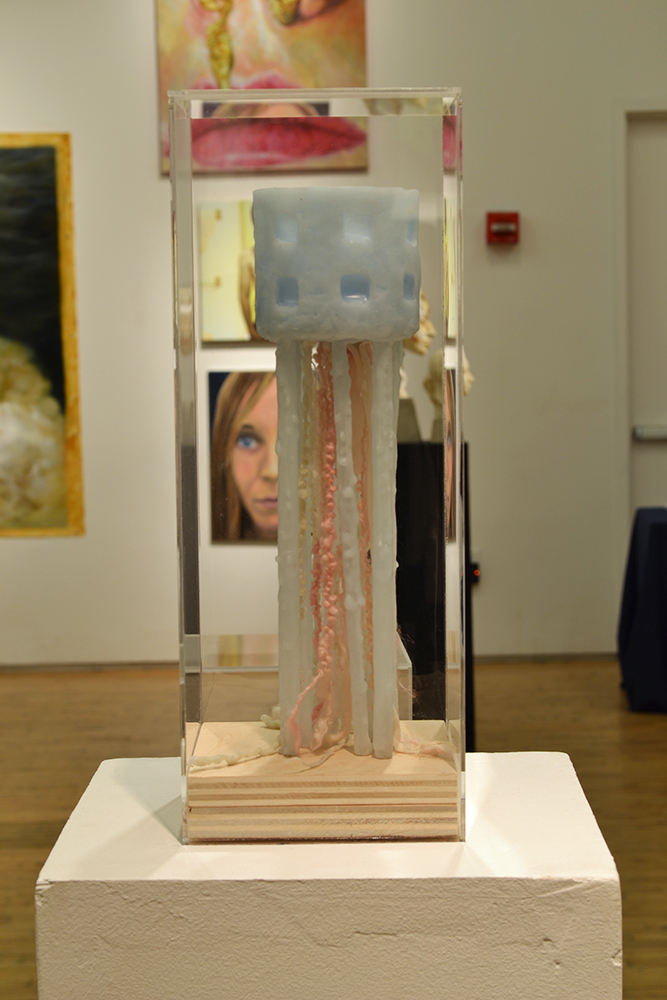
-
- Joshua Henderson (MFA 2015)
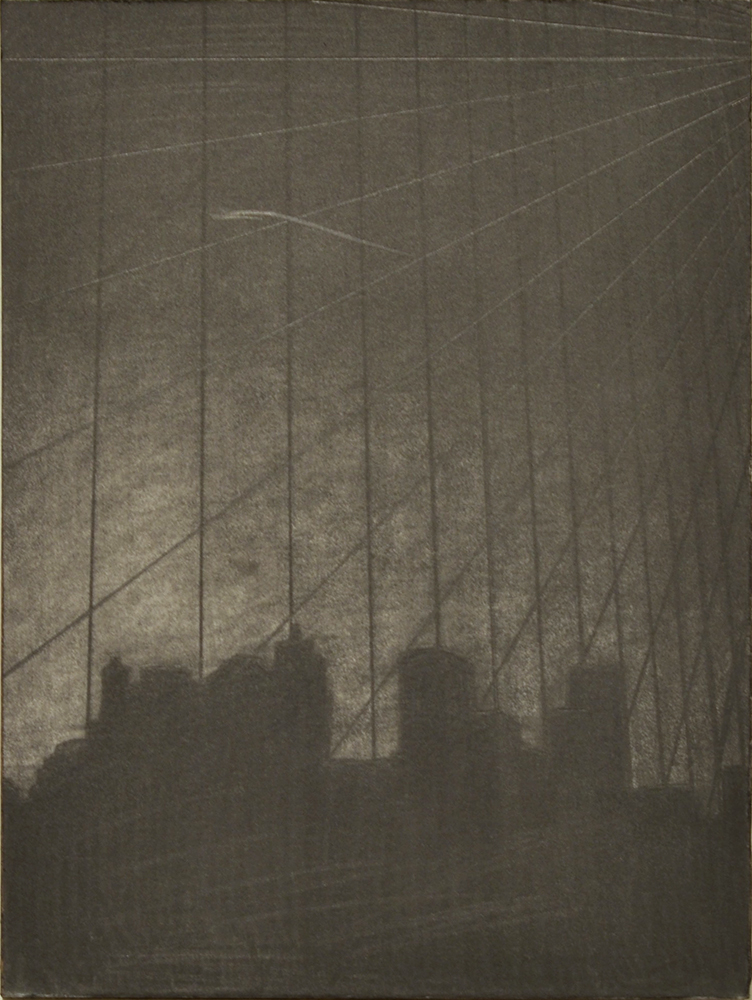
-
- Joshua Henderson (MFA 2015)
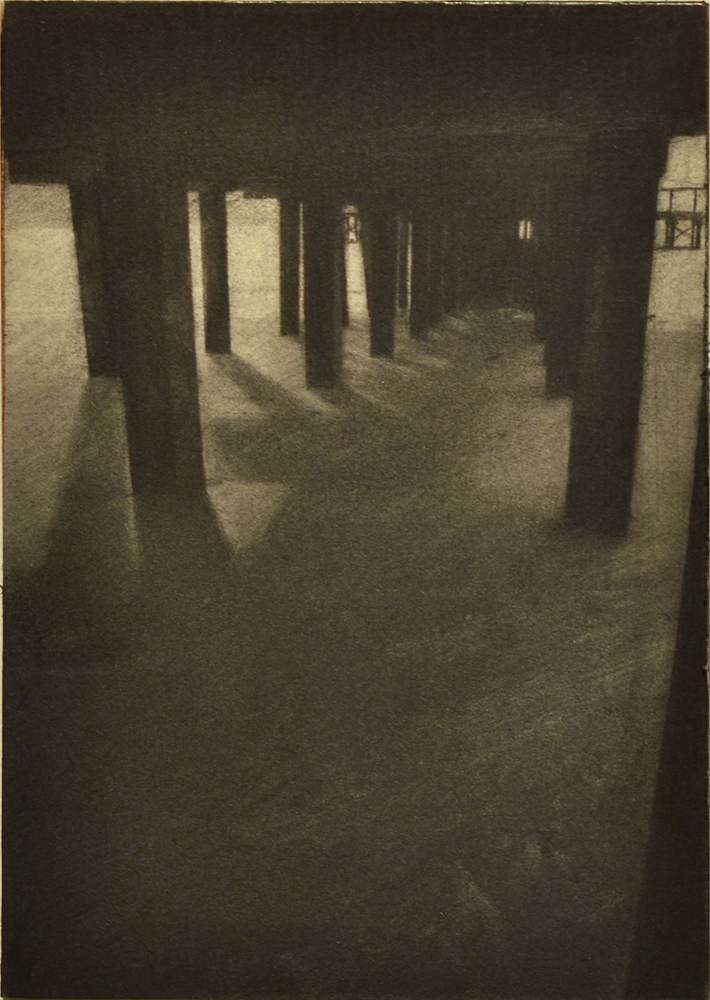
-
- Joshua Henderson (MFA 2015)

-
- Joshua Henderson (MFA 2015)
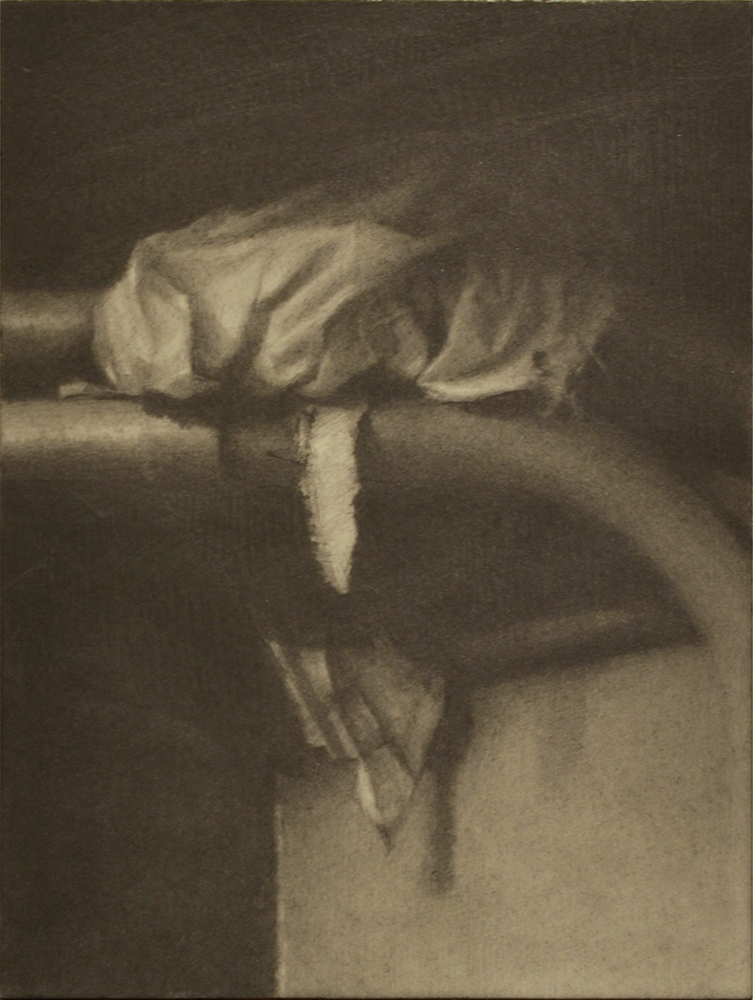
-
- Joshua Henderson (MFA 2015)
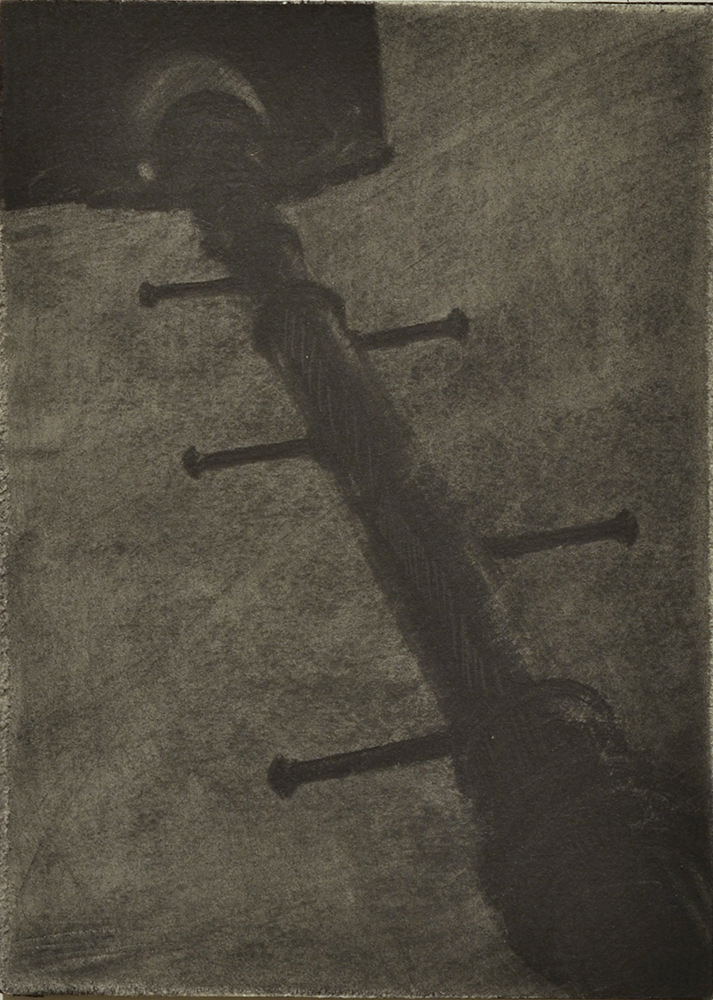
-
- Joshua Henderson (MFA 2015)

-
- Joshua Henderson (MFA 2015)

-
- Joshua Henderson (MFA 2015)
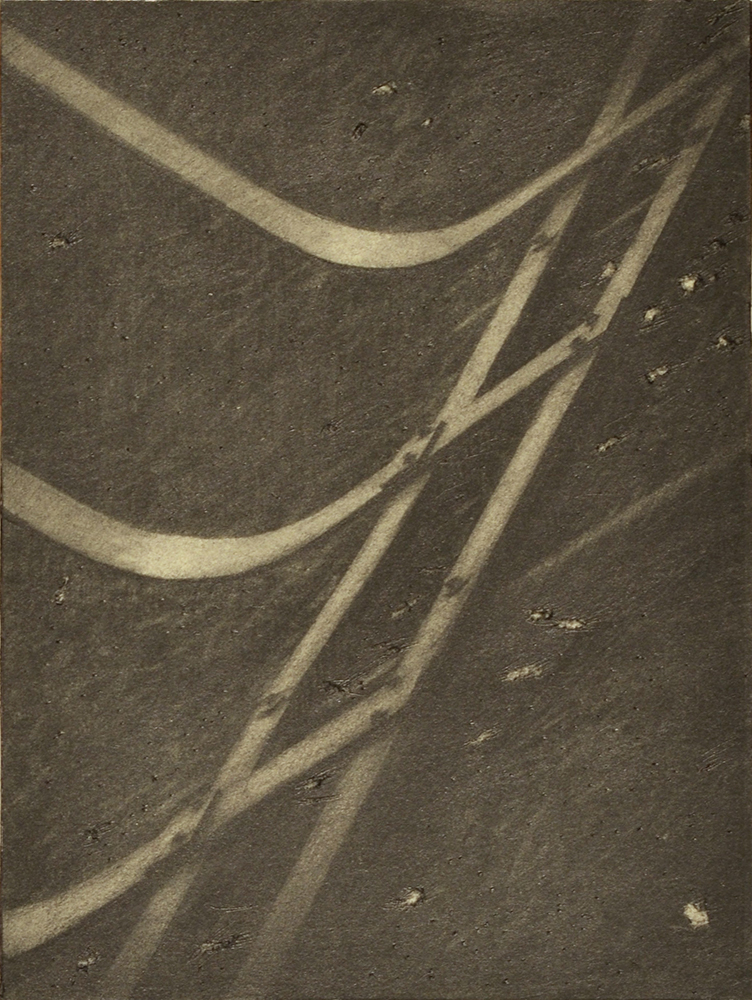
-
- Joshua Henderson (MFA 2015)

-
- Joshua Henderson (MFA 2015)
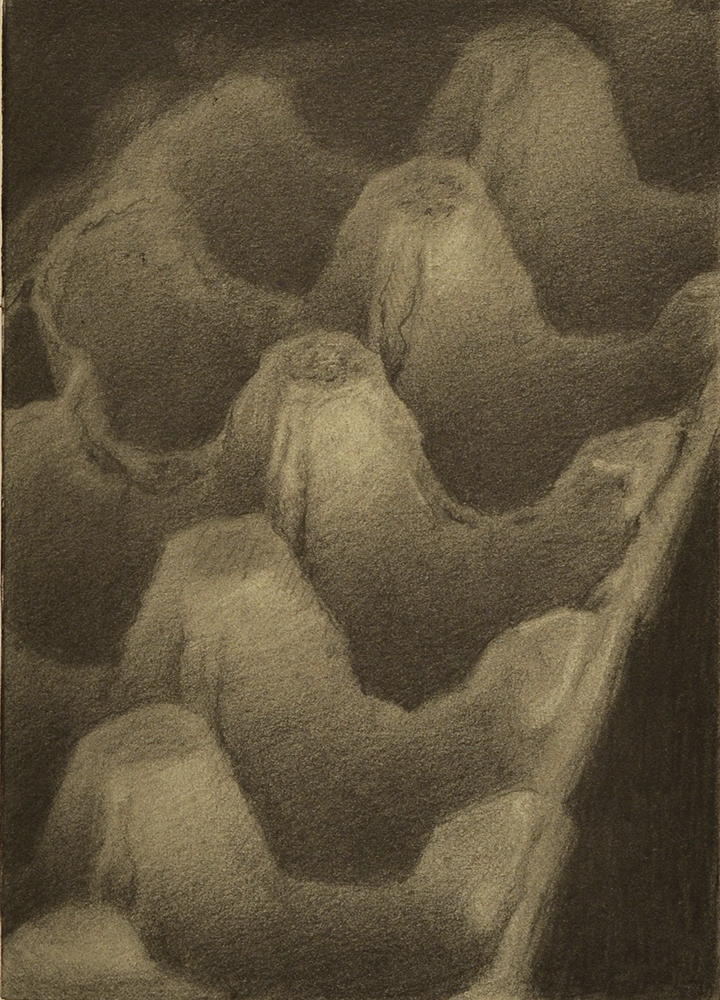
-
- Patty Horing (MFA 2015)
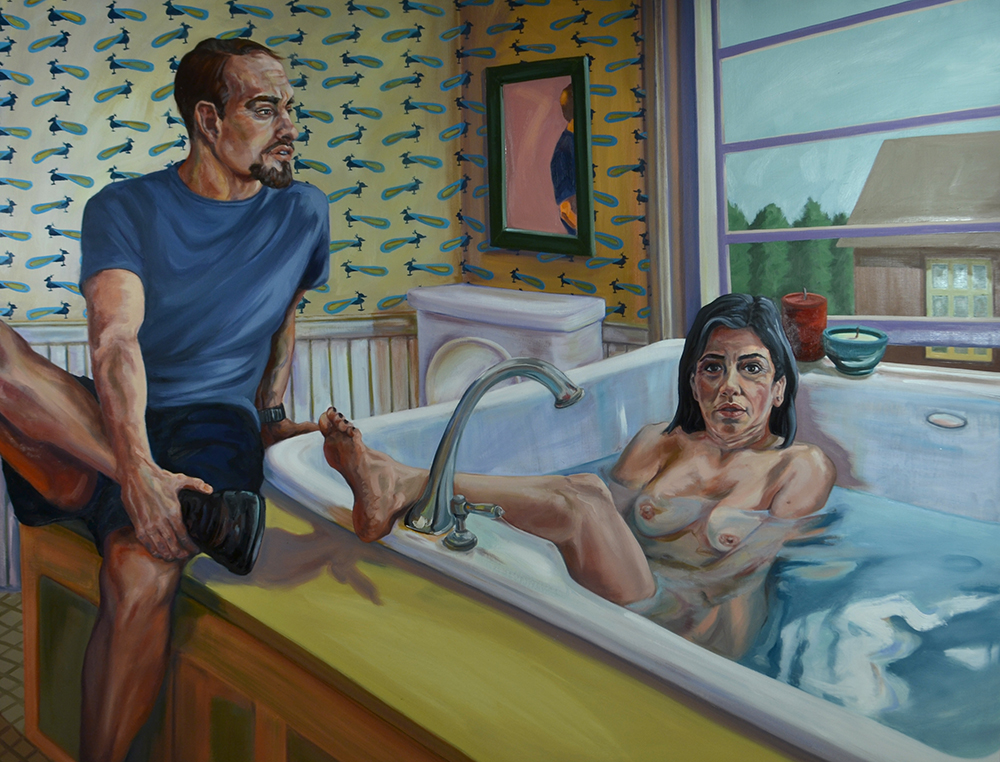
-
- Jake Ingram (MFA 2015)
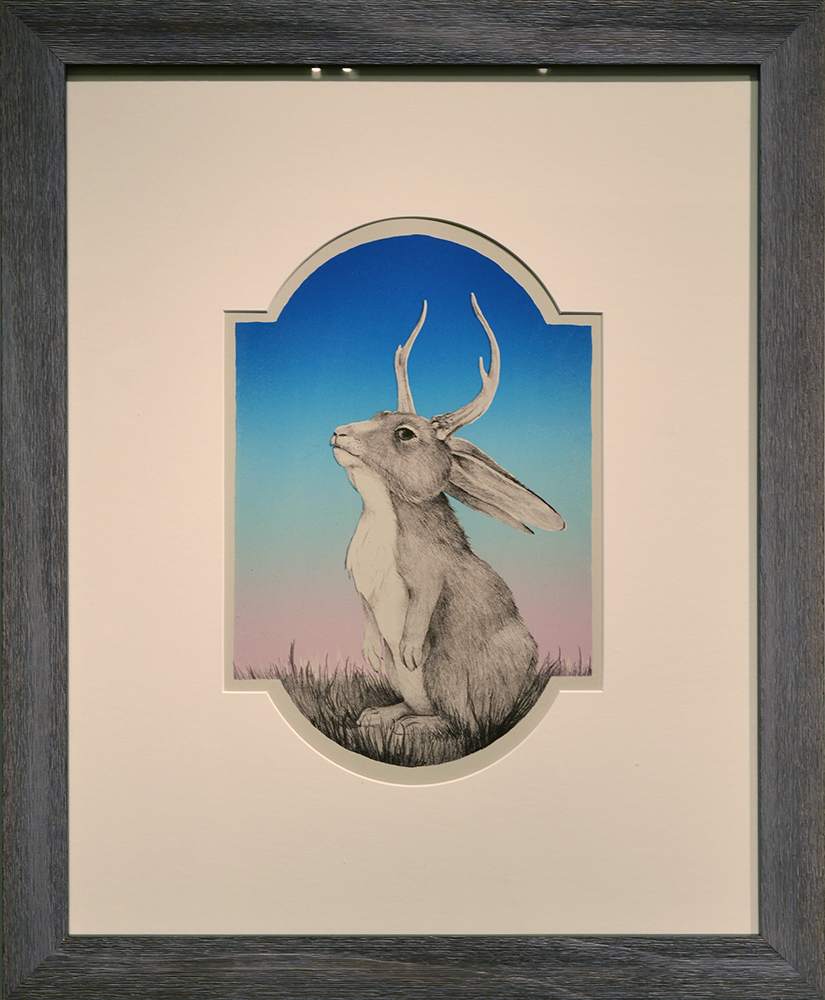
-
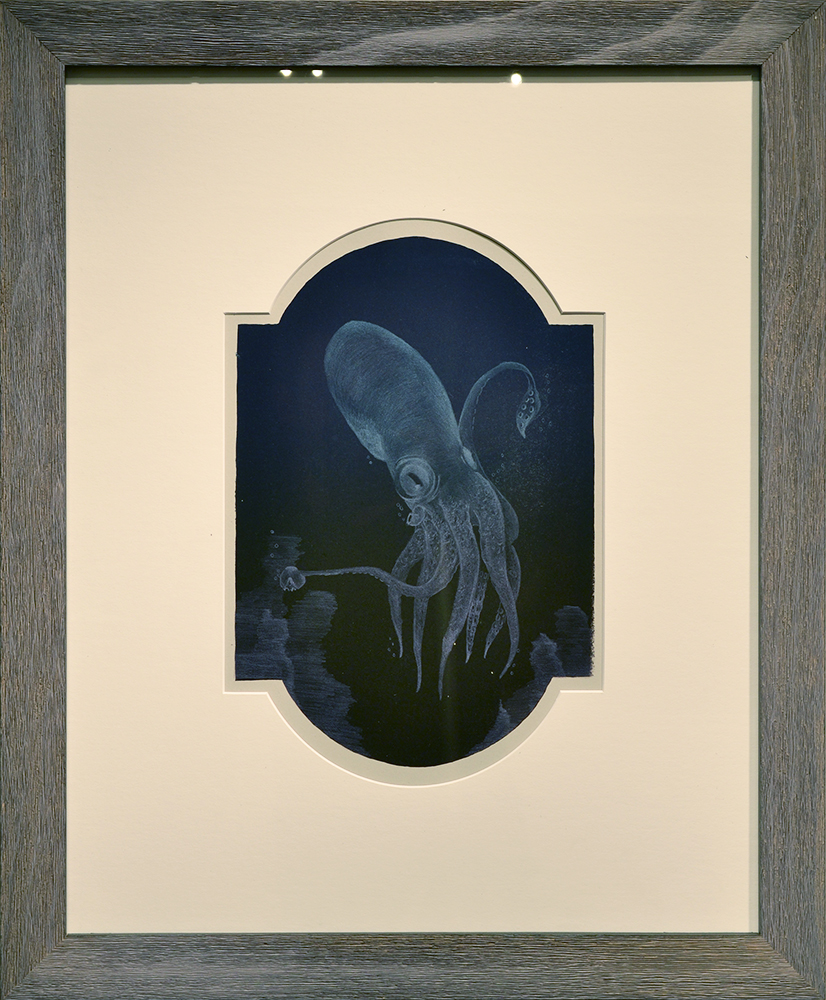
- Jake Ingram (MFA 2015)
-
- Jake Ingram (MFA 2015)
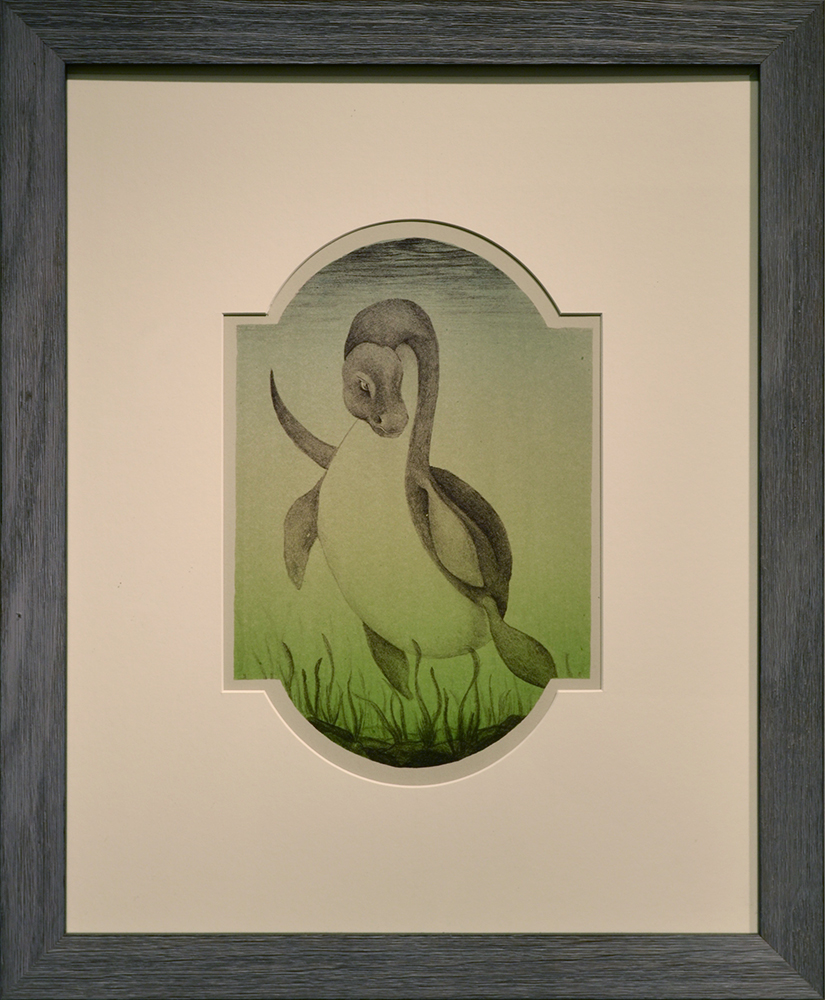
-
- Jake Ingram (MFA 2015)
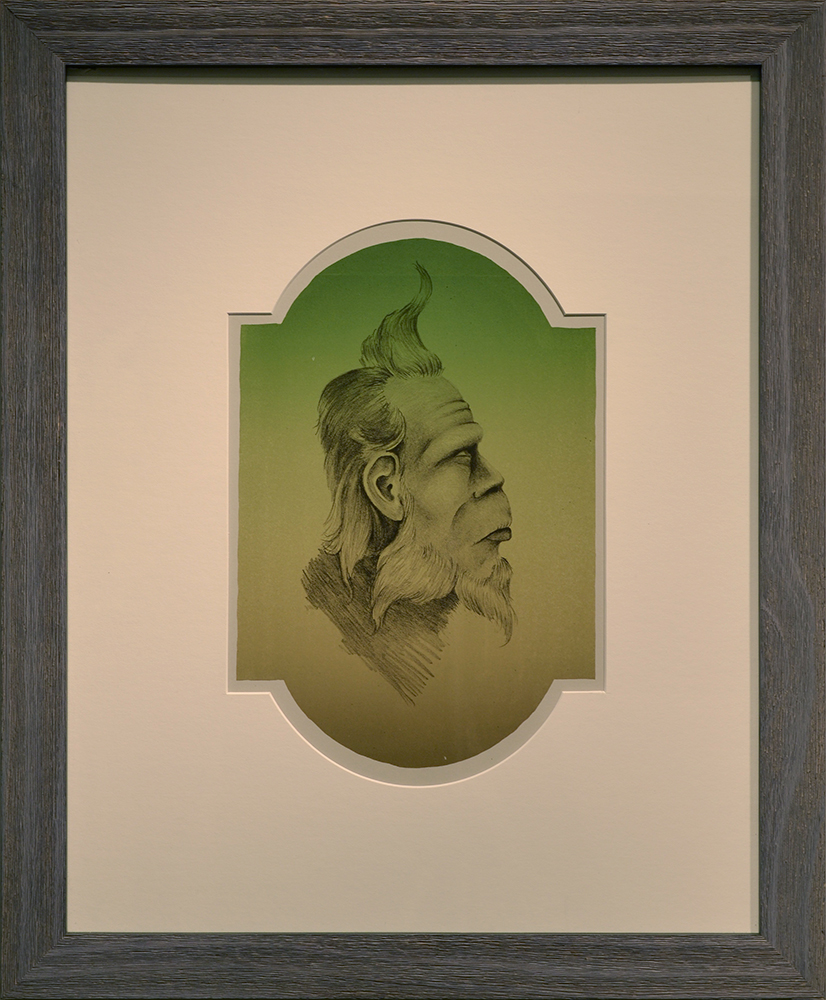
-
- Jake Ingram (MFA 2015)
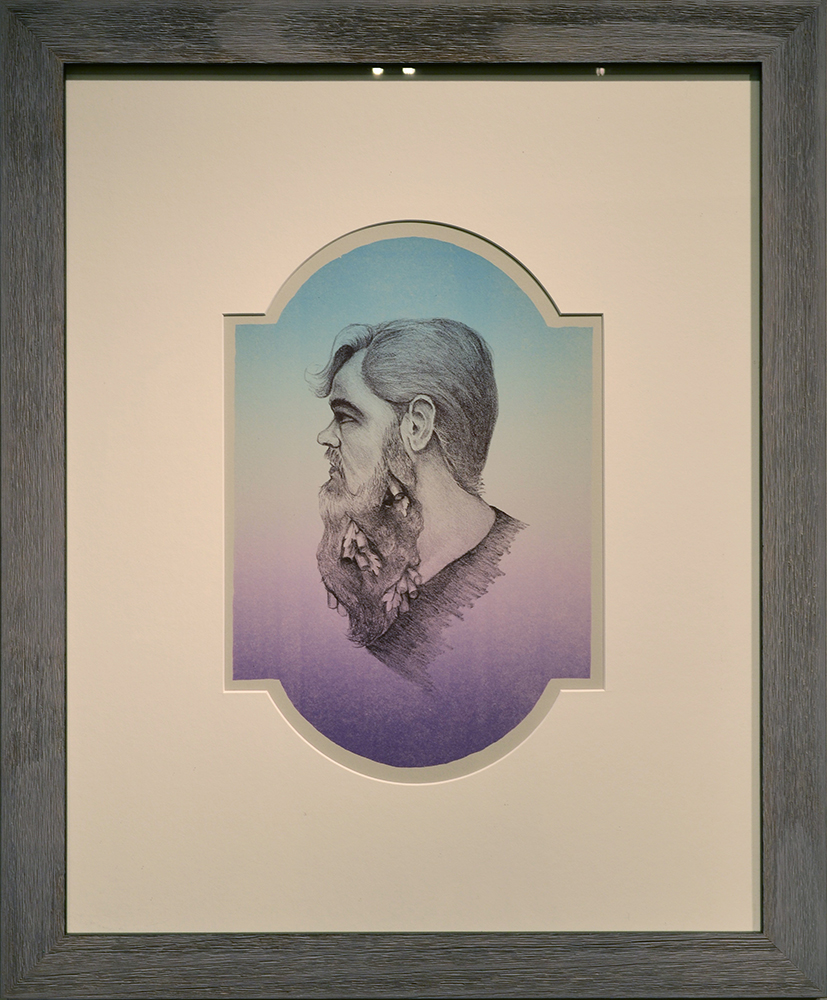
-
- Jake Ingram (MFA 2015)

-
- Sarah Issakharian (MFA 2015)
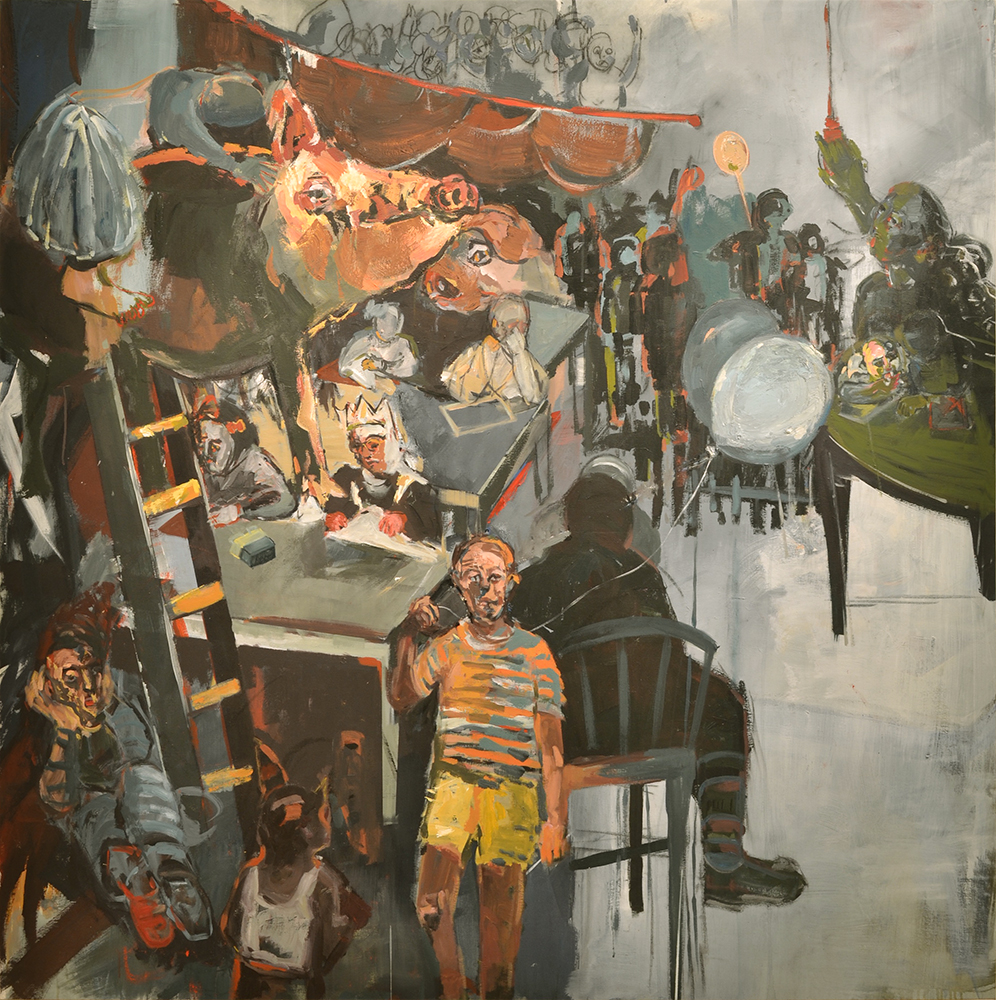
-
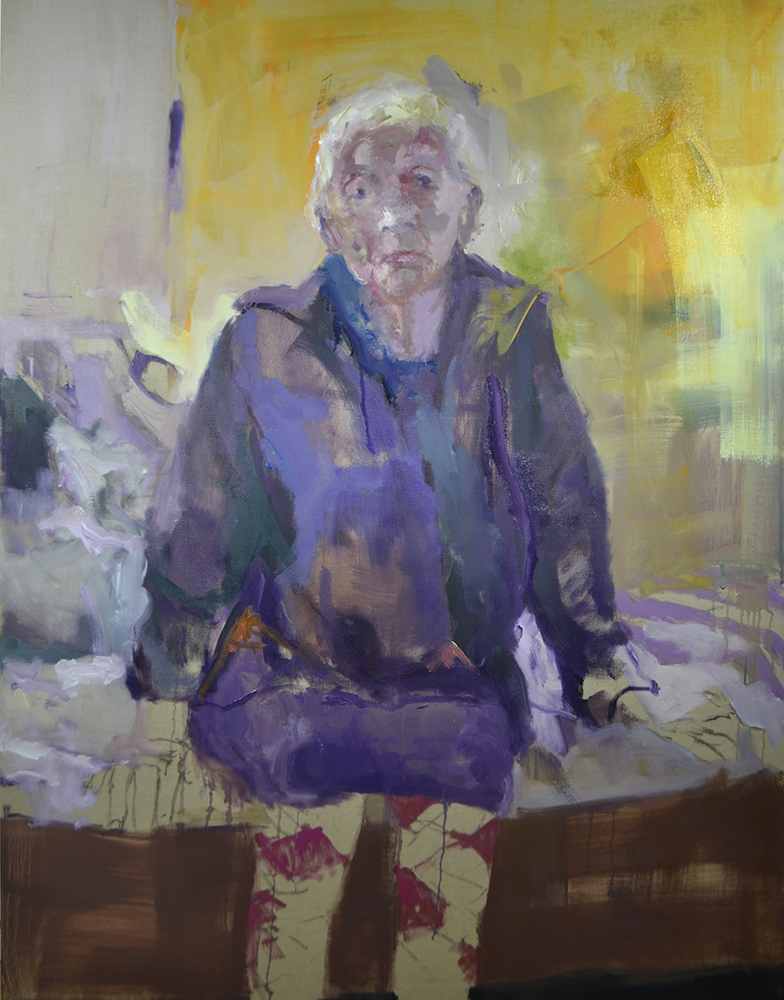
- Henry Jabbour (MFA 2015)
-
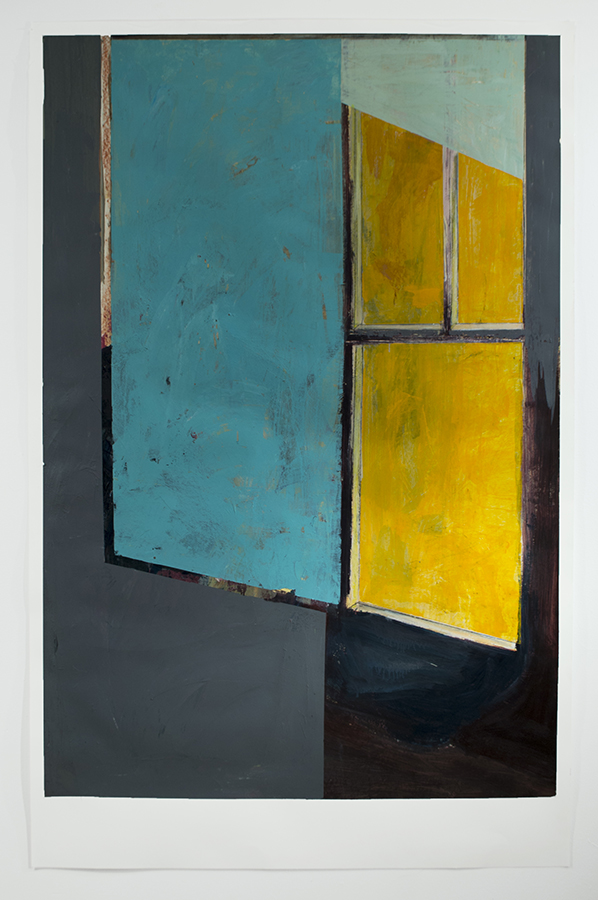
- Maya Koenig (MFA 2015)
-
- Dana Kotler (MFA 2015)
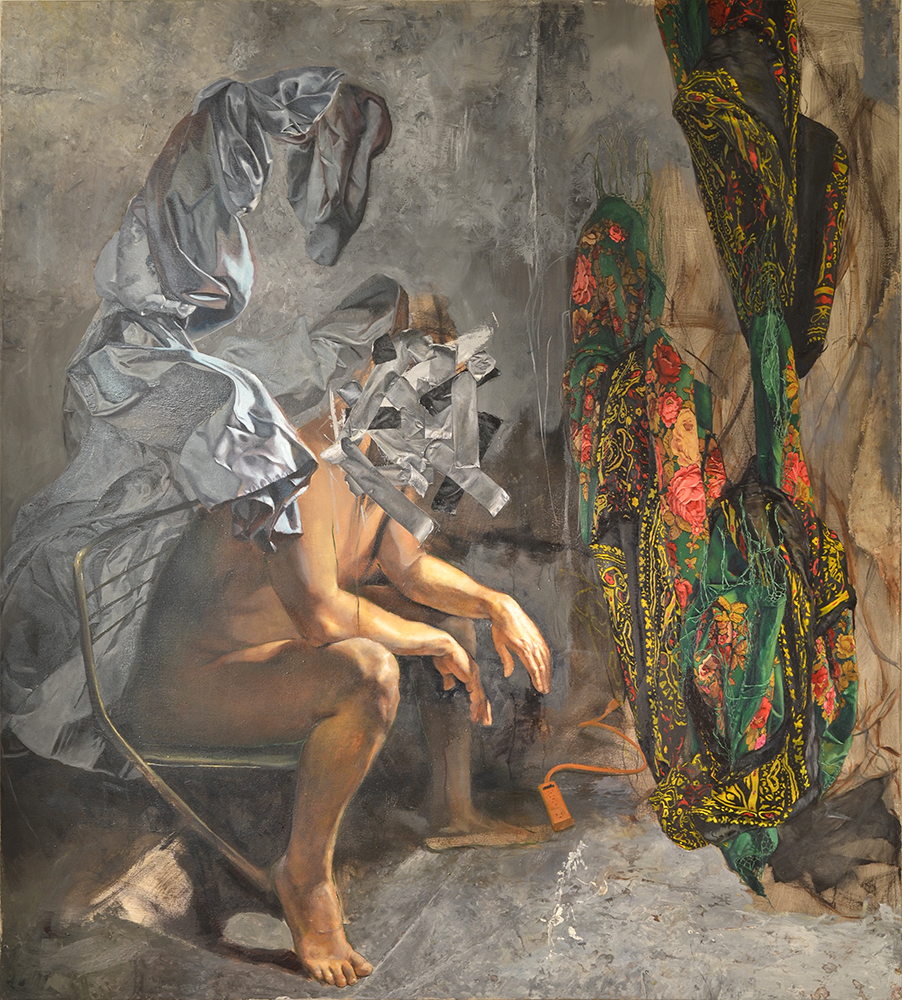
-
- Jessica Leo (MFA 2015)

-
- Nick Lepard (MFA 2015)
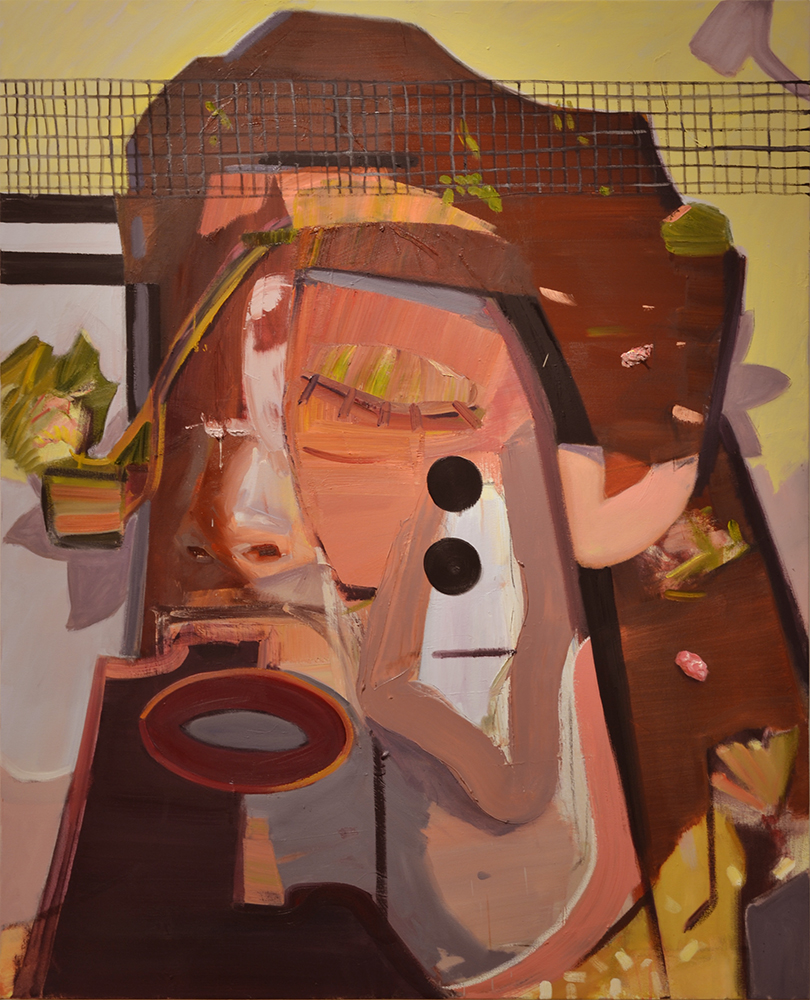
-
- Philip Marks (MFA 2015)
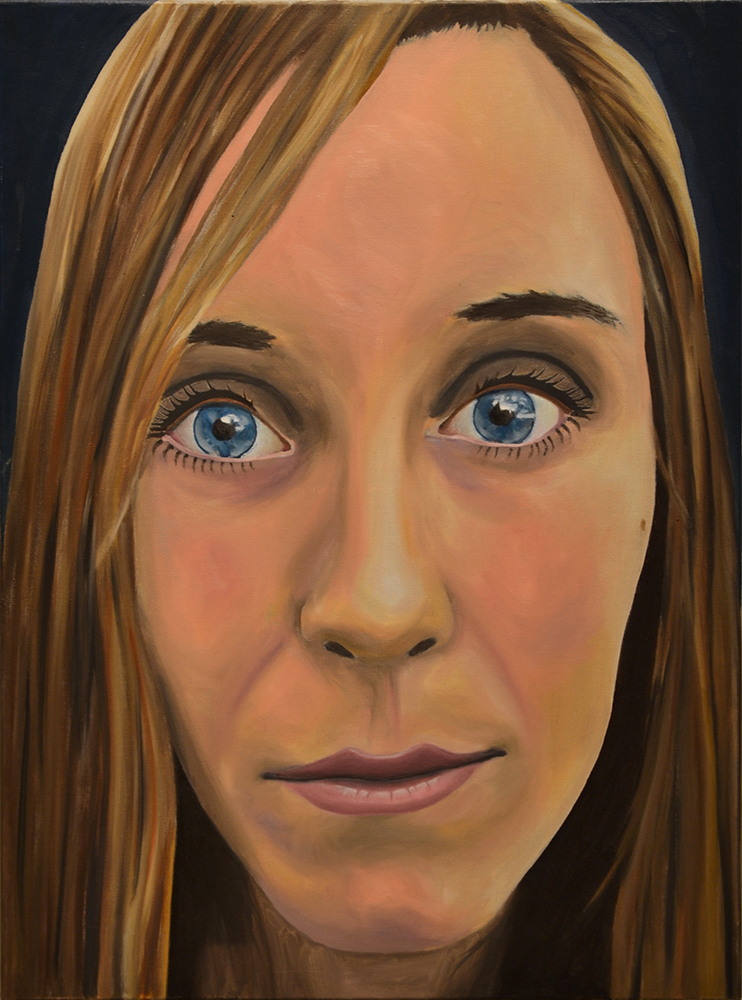
-
- Diana McKee (MFA 2015)
-
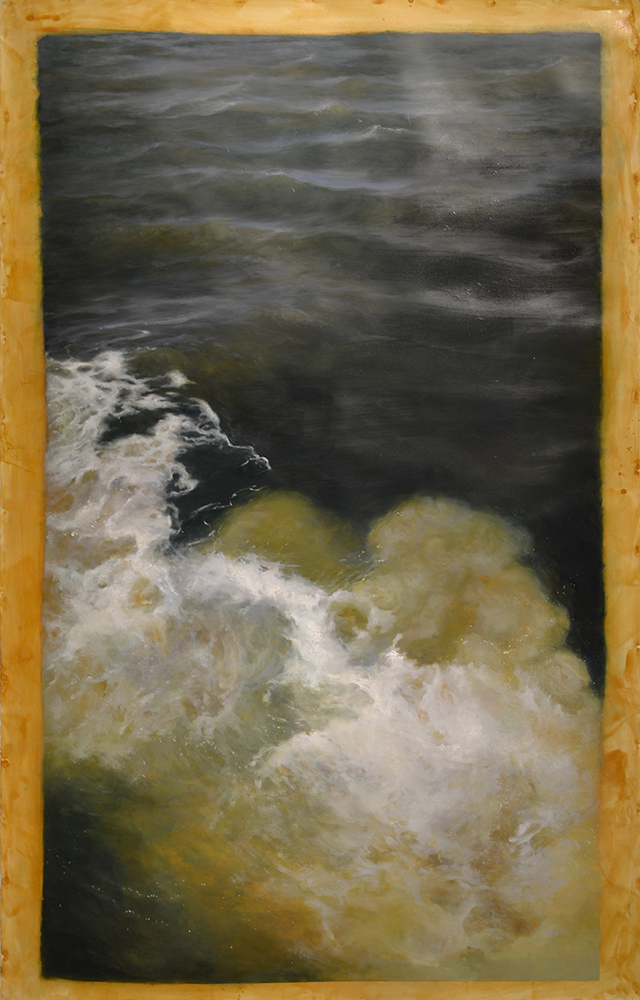
- Livia Mosanu (MFA 2015)
-
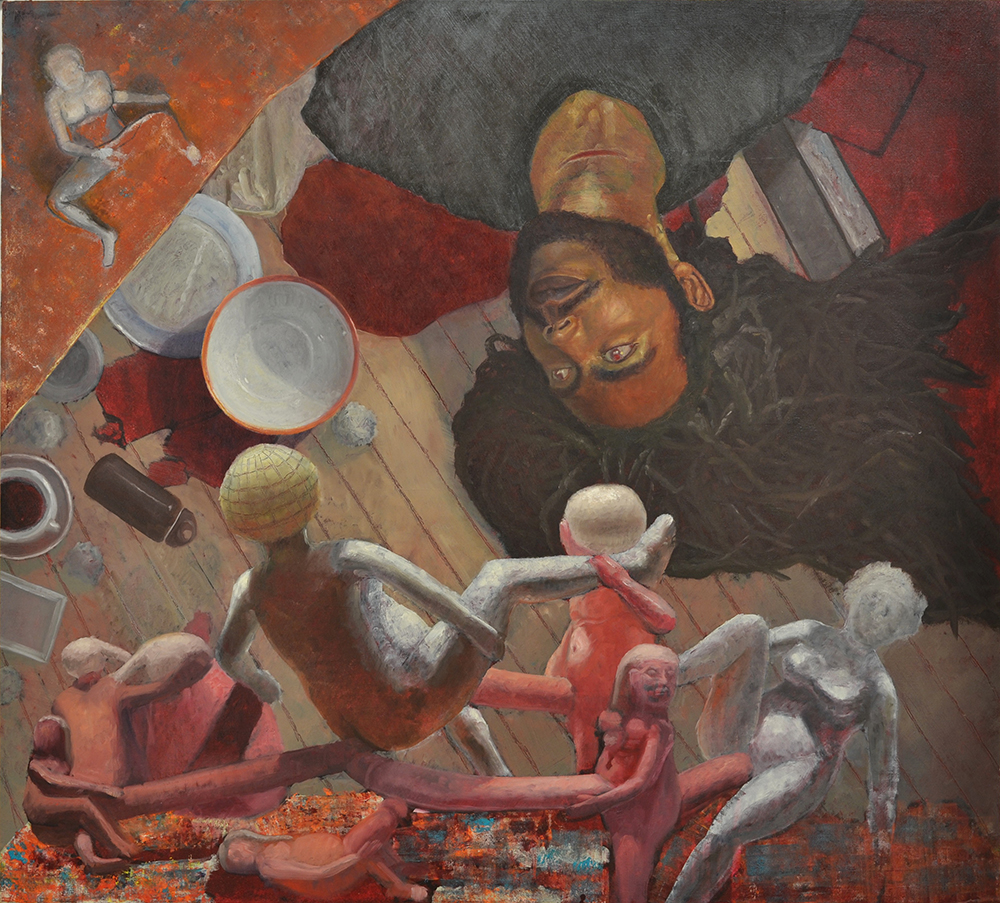
- Arcmanoro Niles (MFA 2015)
-
- Kyeong Keun No (MFA 2015)

-
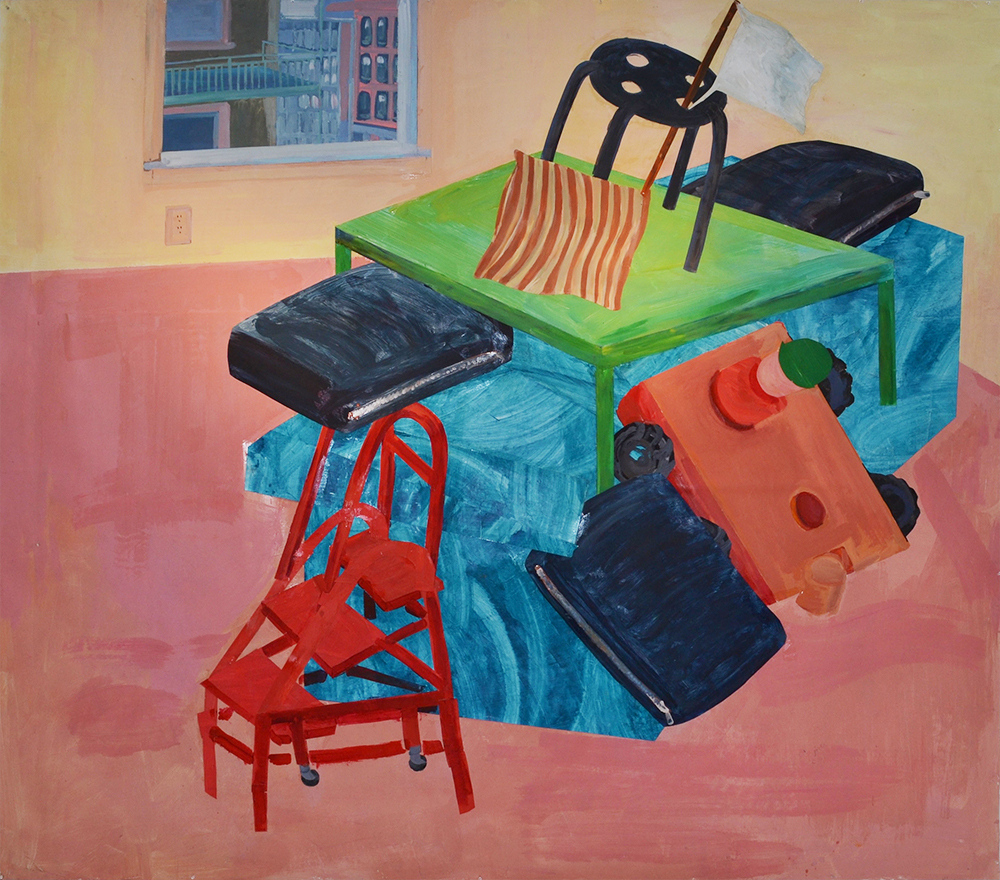
- Sarah Novio (MFA 2015)
-
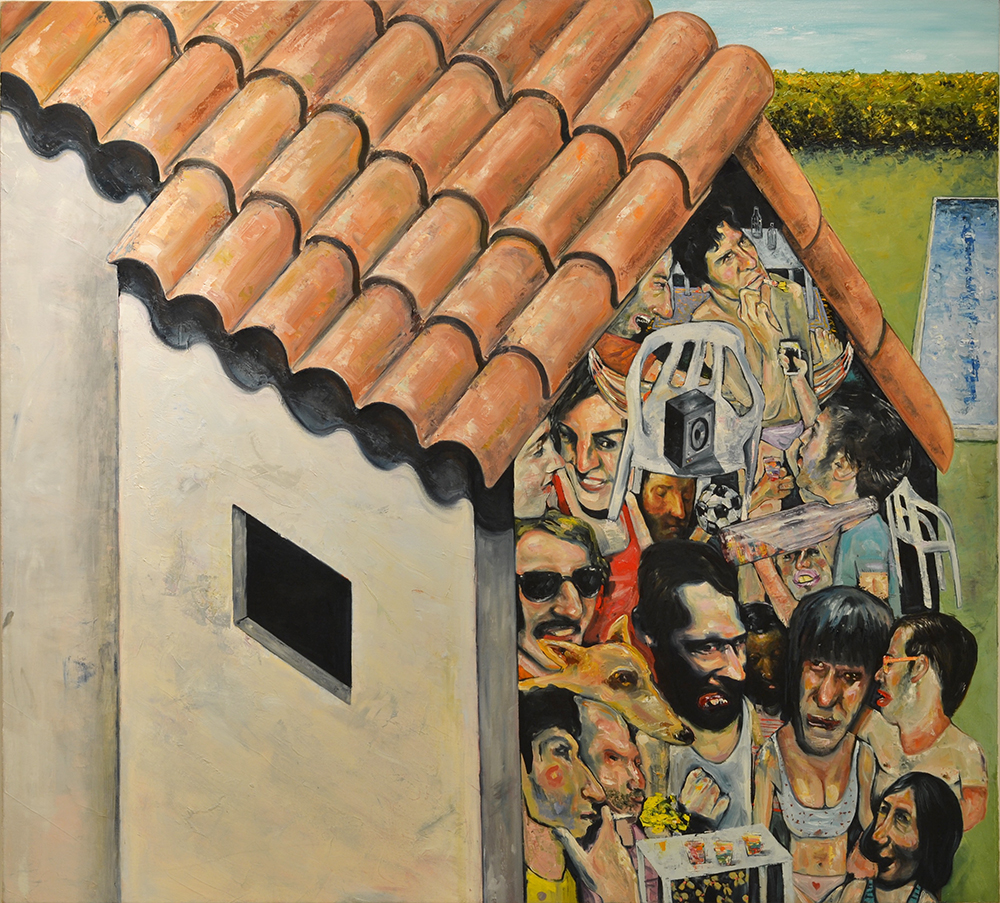
- Esteban Ocampo-Giraldo (MFA 2015, Fellow 2016)
-
- Kristin O’Connor (MFA 2015)

-
- Stefania Panepinto (MFA 2015)
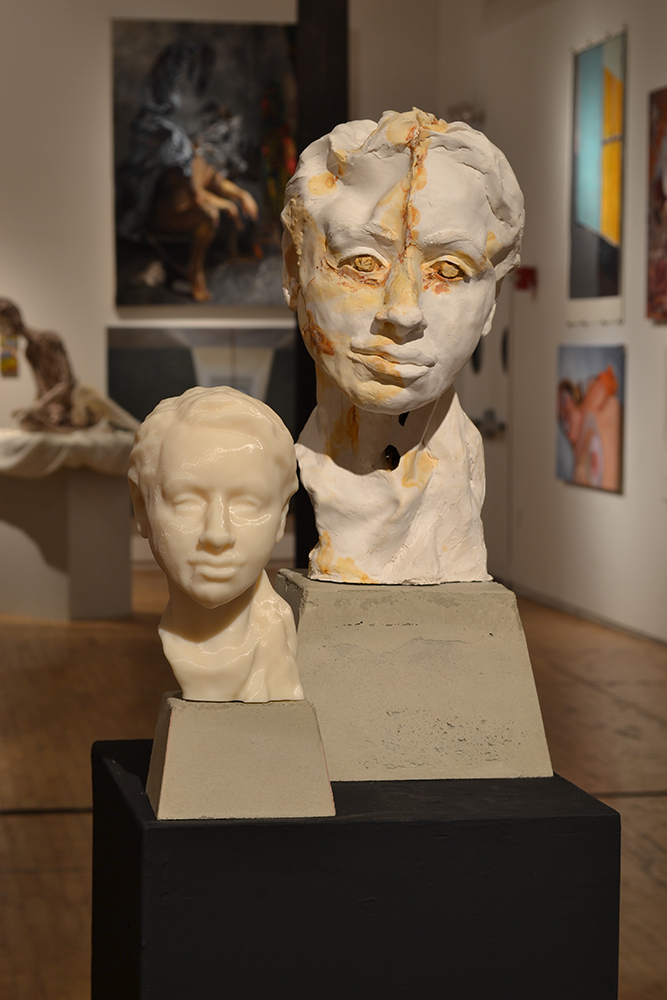
-
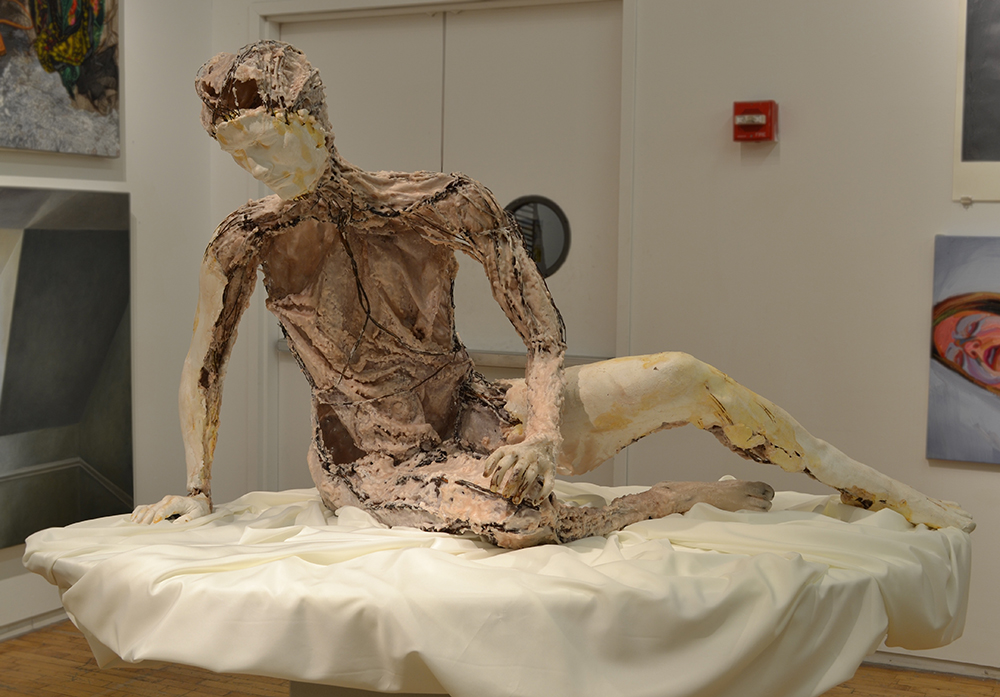
- Stefania Panepinto (MFA 2015)
-
- Eric Pedersen (MFA 2015)
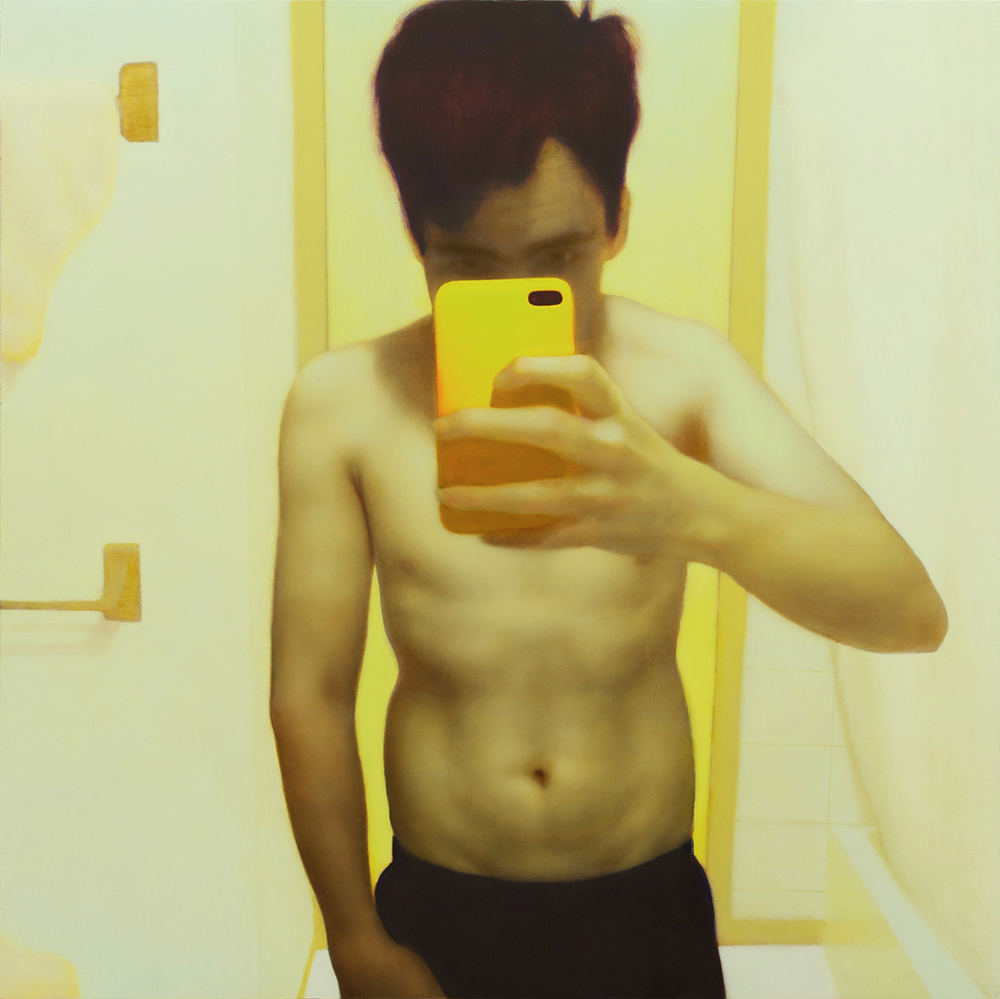
-
- Max Perkins (MFA 2015)

-
- Reisha Leize Perlmutter (MFA 2015)
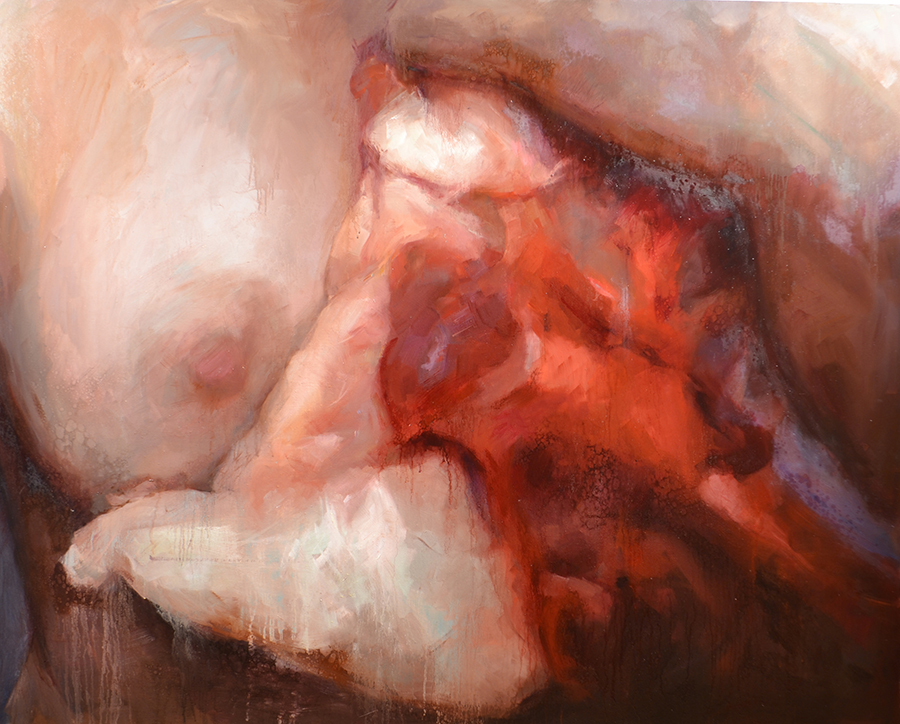
-
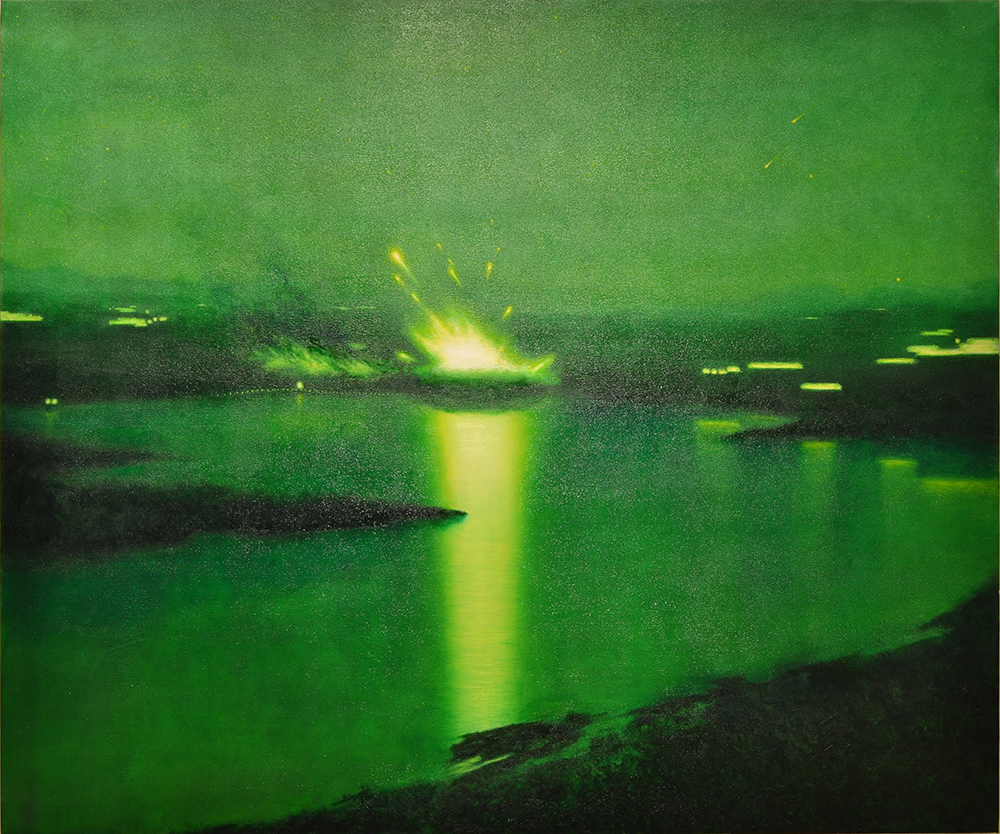
- James Raczkowski (MFA 2015)
-
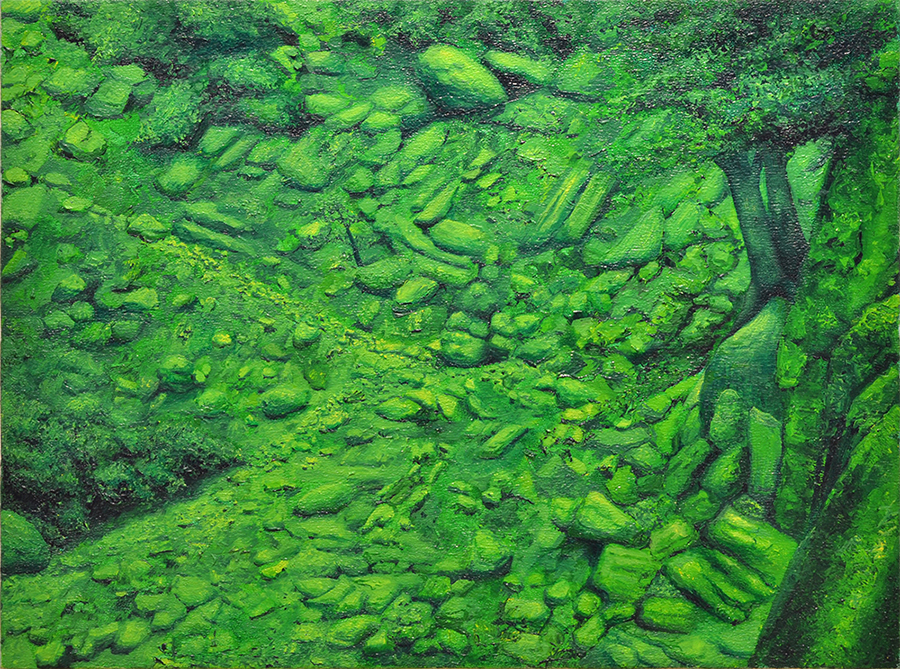
- James Raczkowski (MFA 2015)
-
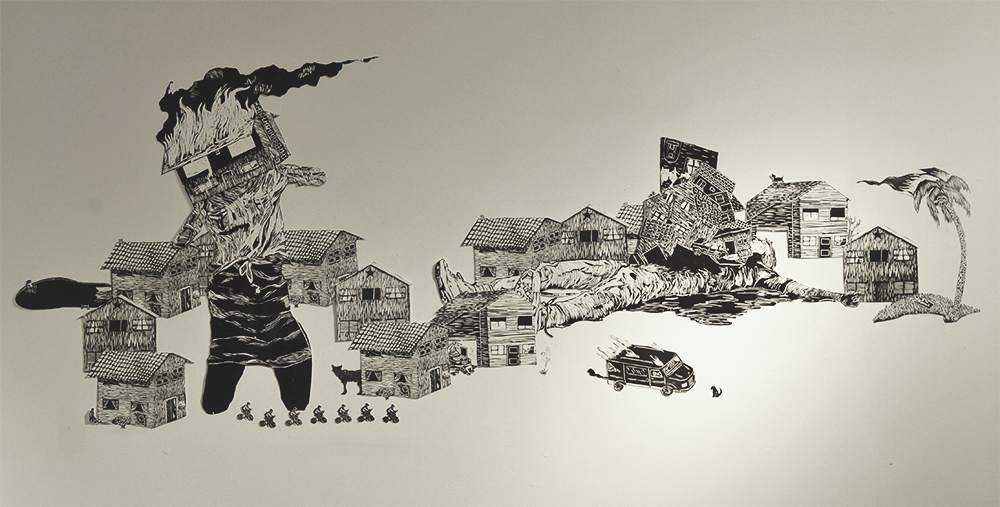
- Cassandra Read (MFA 2015)
-
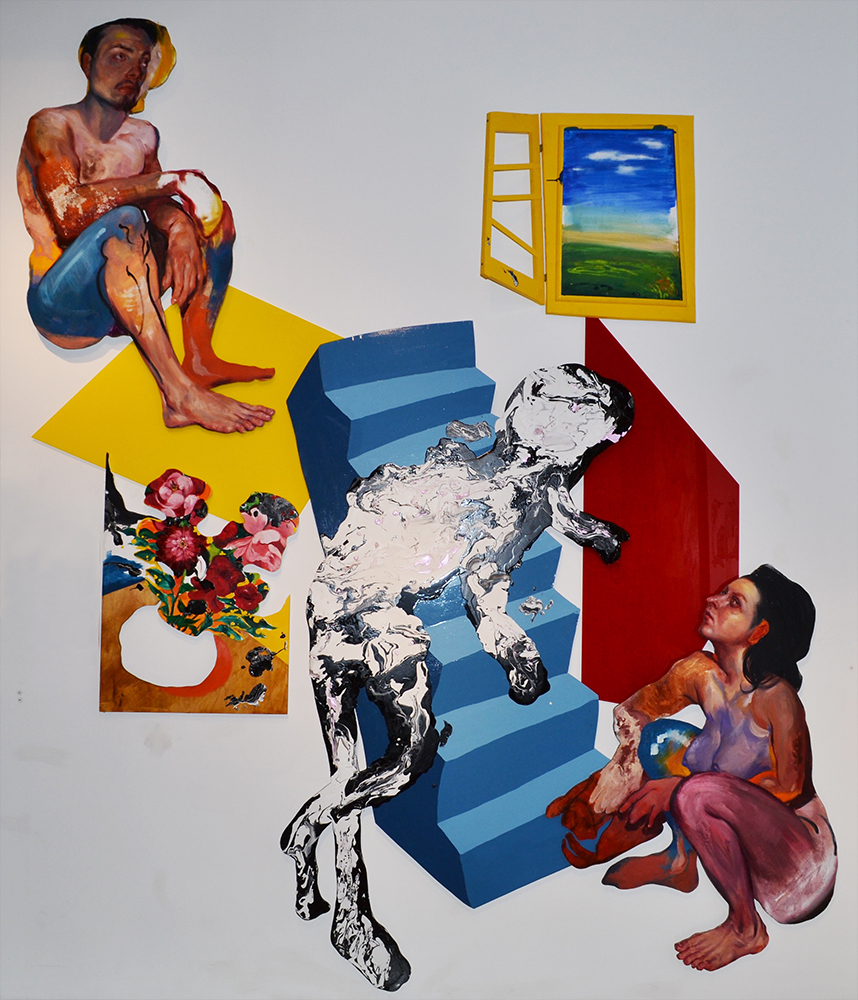
- Camila Rocha (MFA 2015)
-
- Sarah Schlesinger (MFA 2015, Fellow 2016)
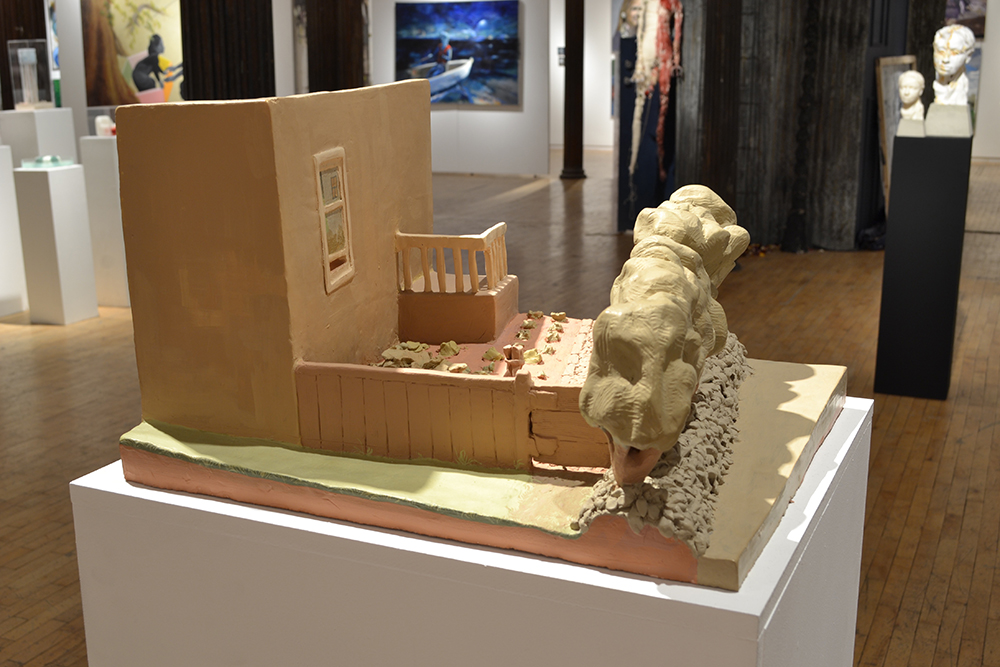
-
- Sarah Schlesinger (MFA 2015, Fellow 2016)
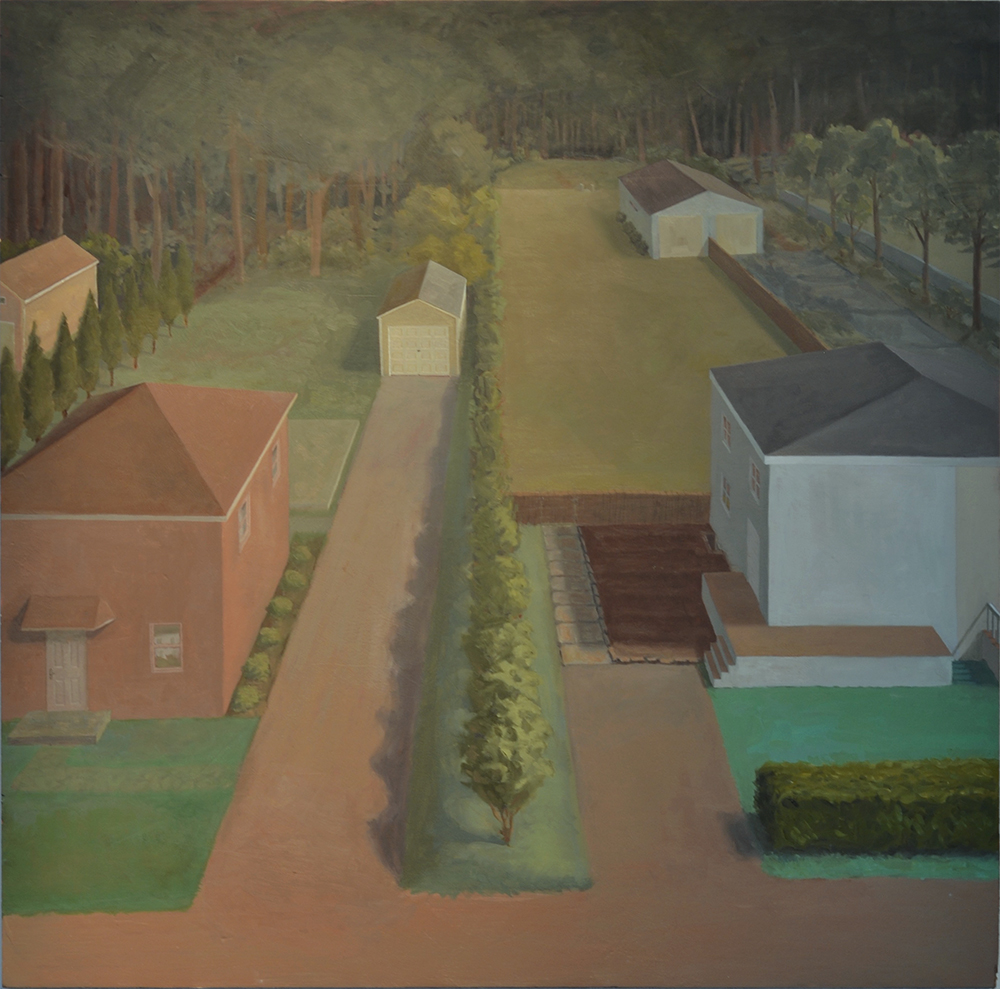
-
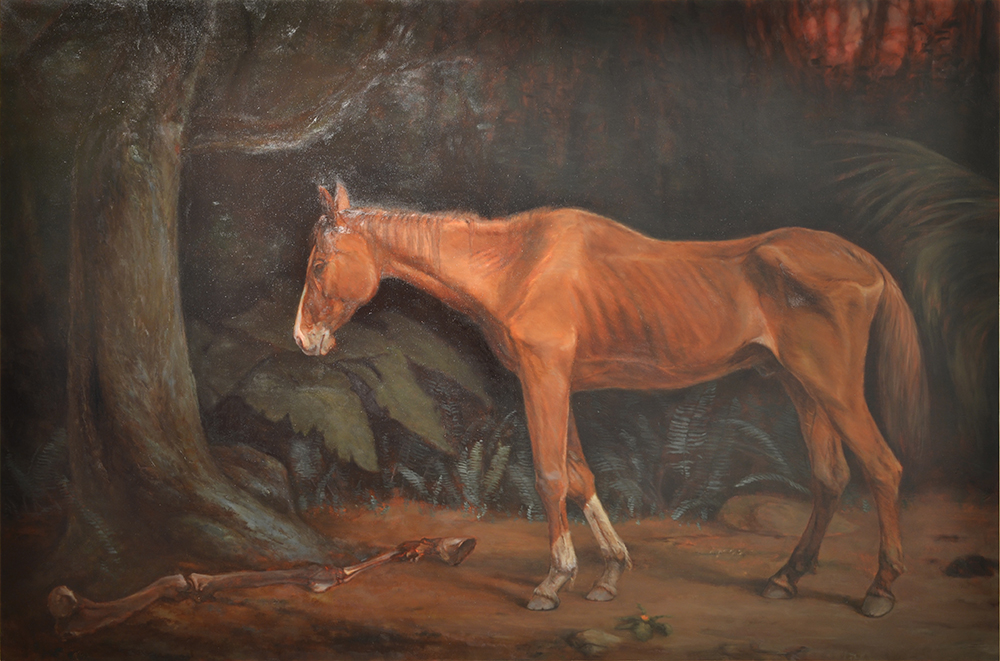
- Abigail Schmidt (MFA 2015)
-
- Ryan Schroeder (MFA 2015)

-
- Alyssa Smith (MFA 2015)
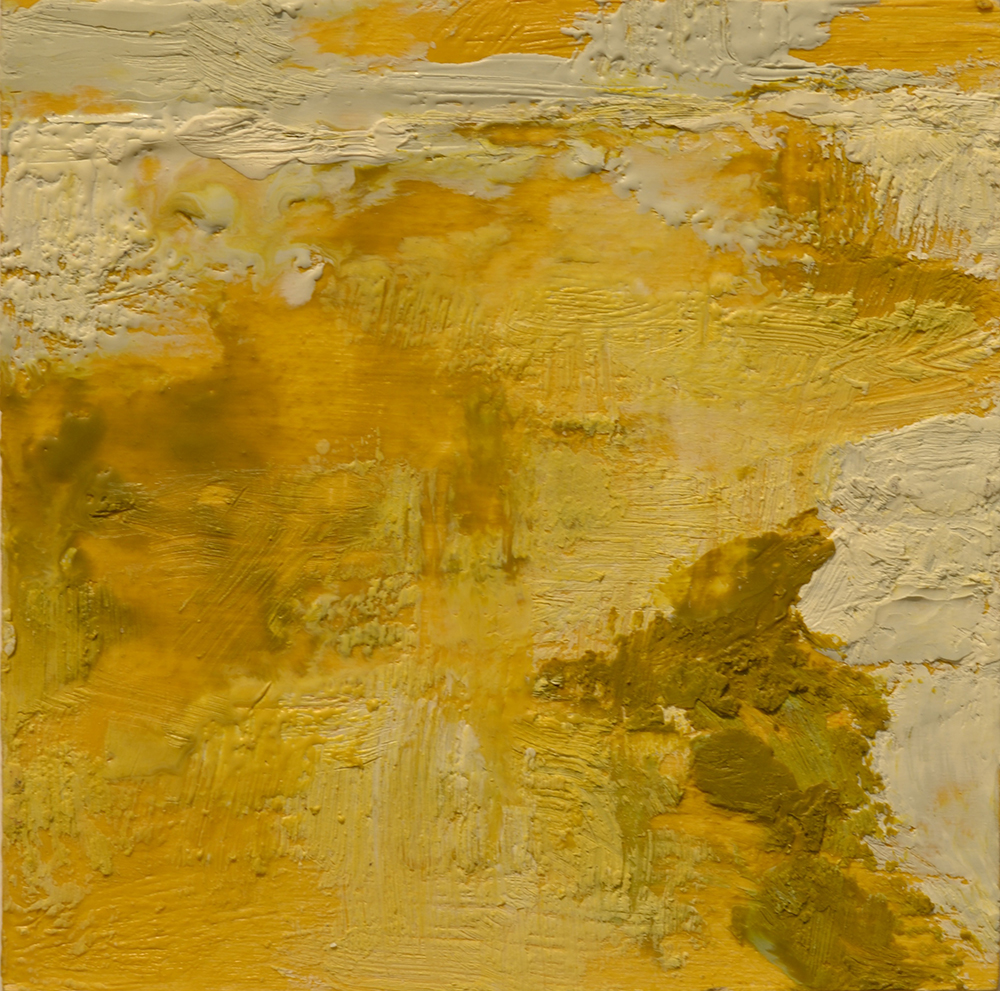
-
- Alyssa Smith (MFA 2015)
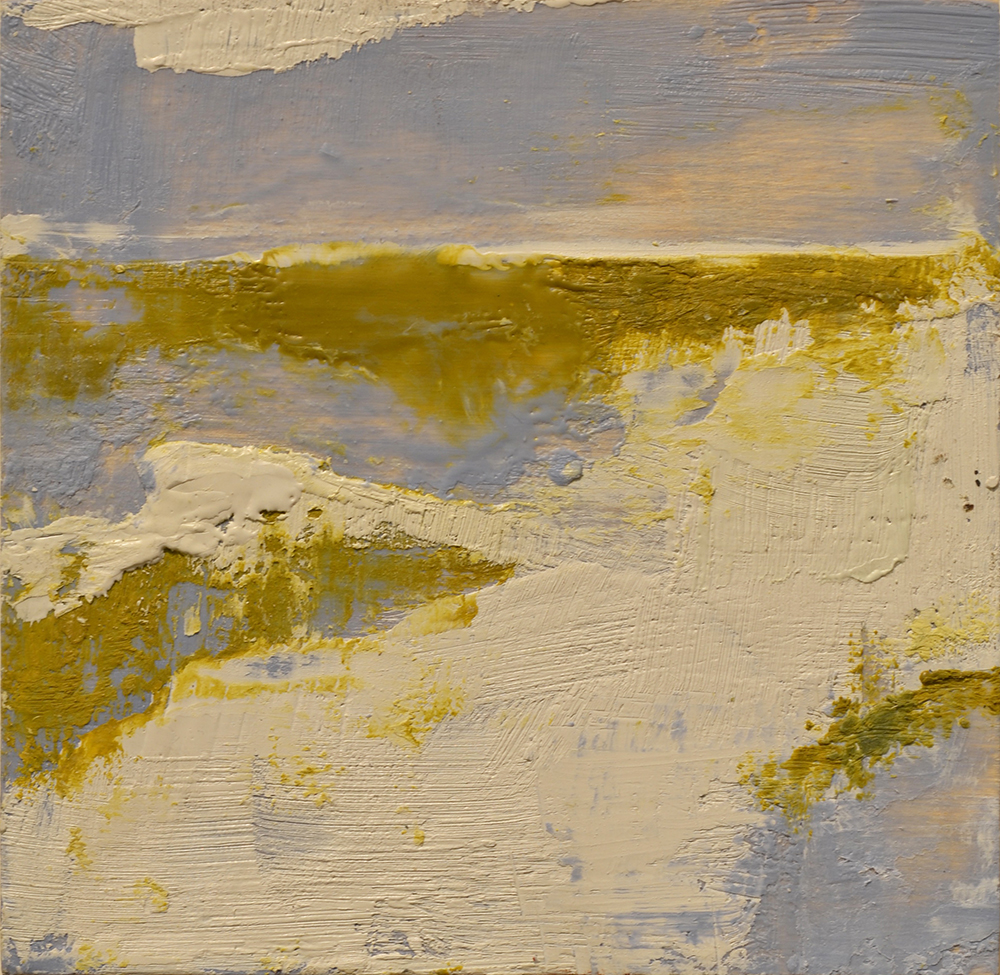
-
- Alyssa Smith (MFA 2015)
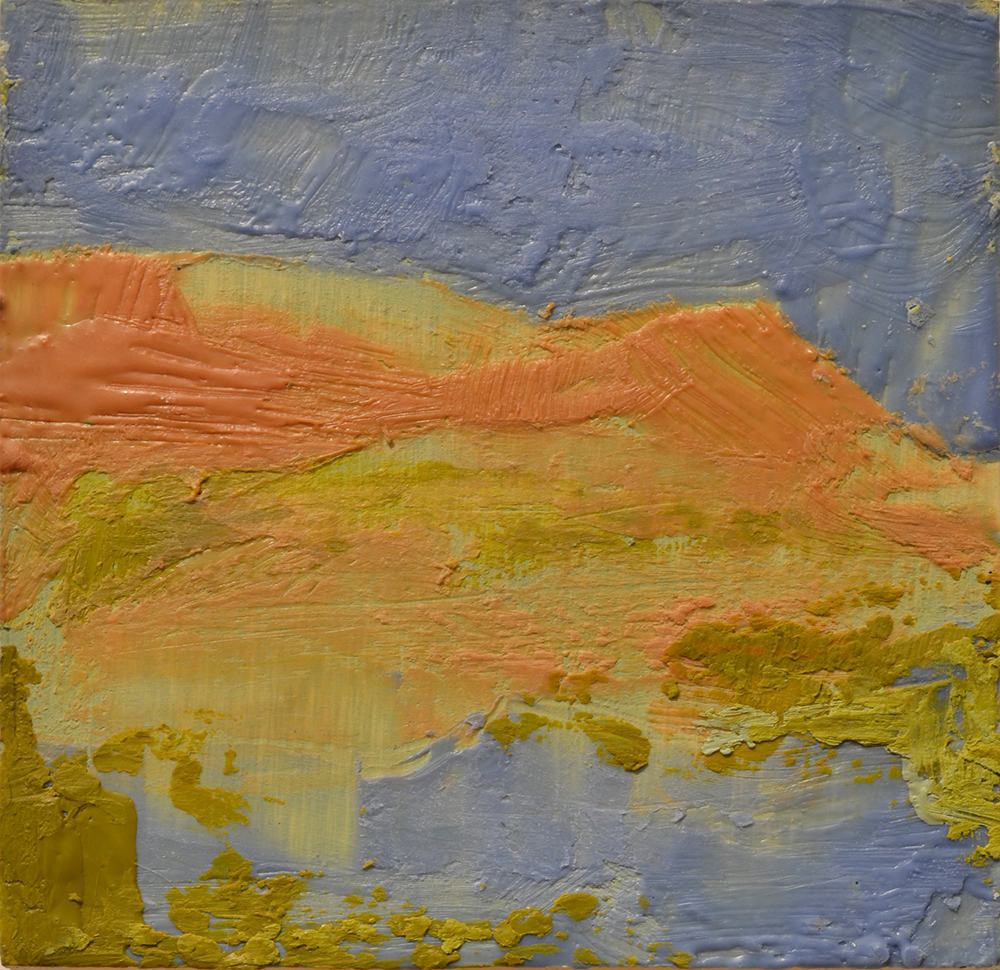
-
- Alyssa Smith (MFA 2015)
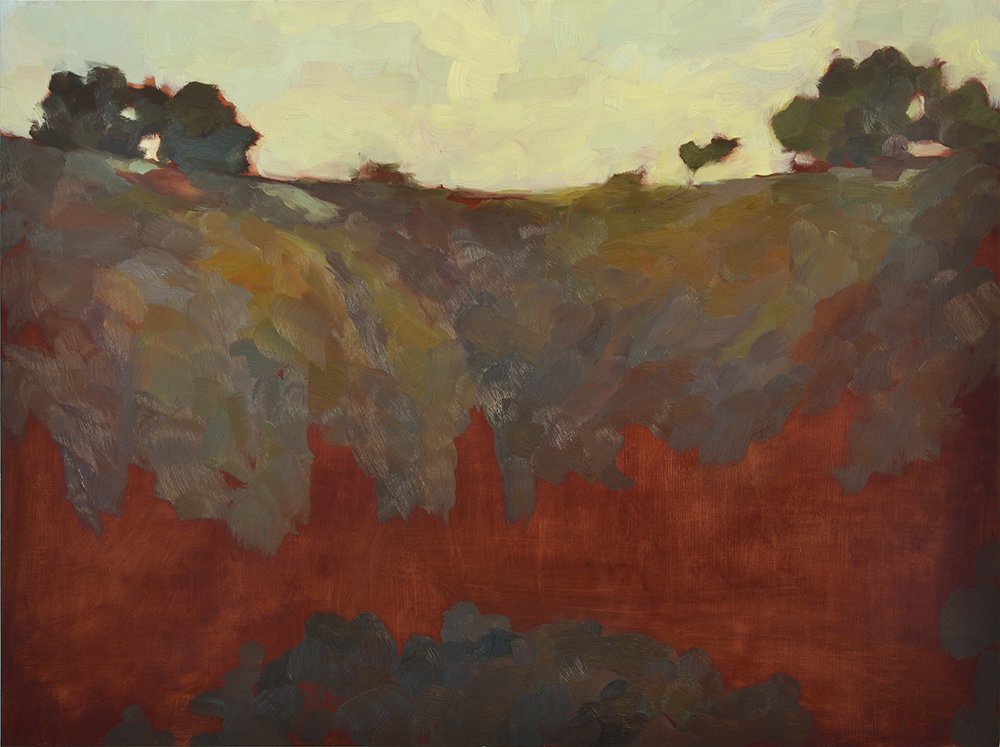
-
- Alex Smith (MFA 2015)
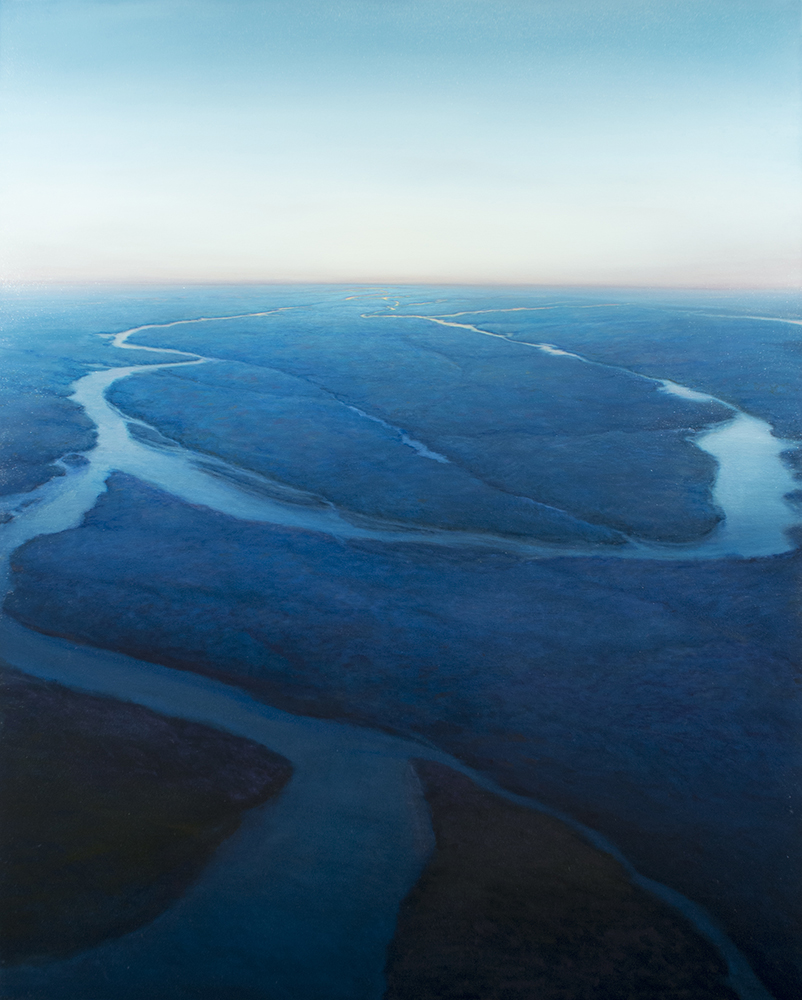
-
- Hannah Stahl (MFA 2015)
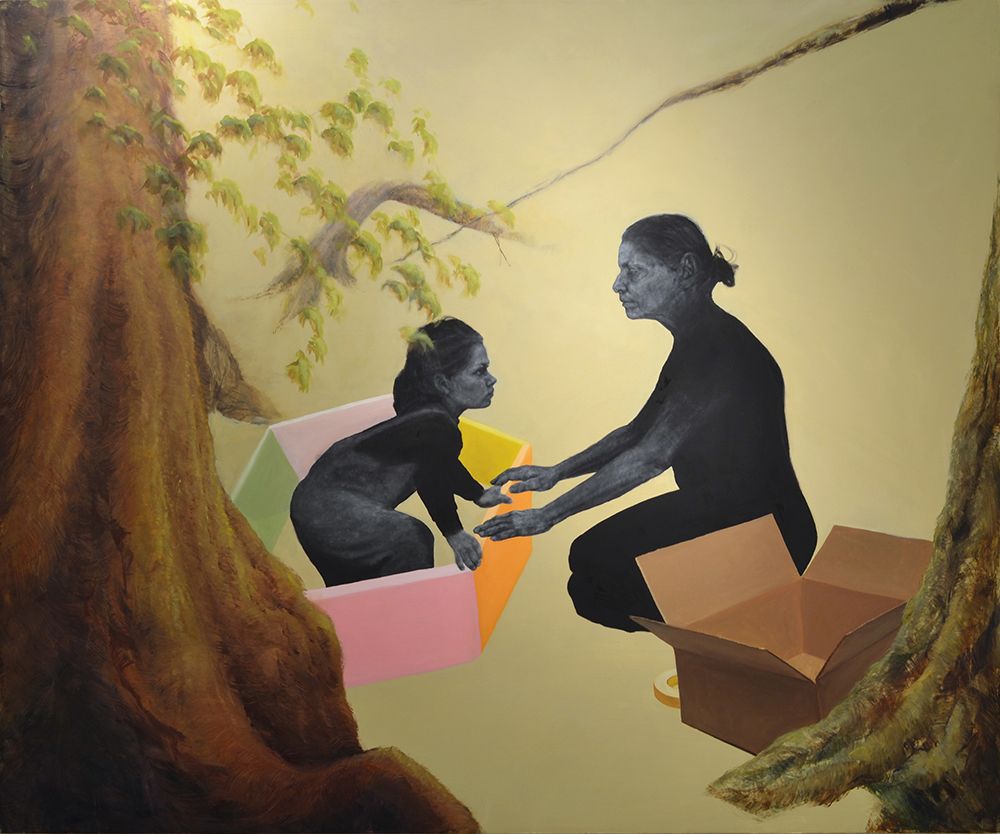
-
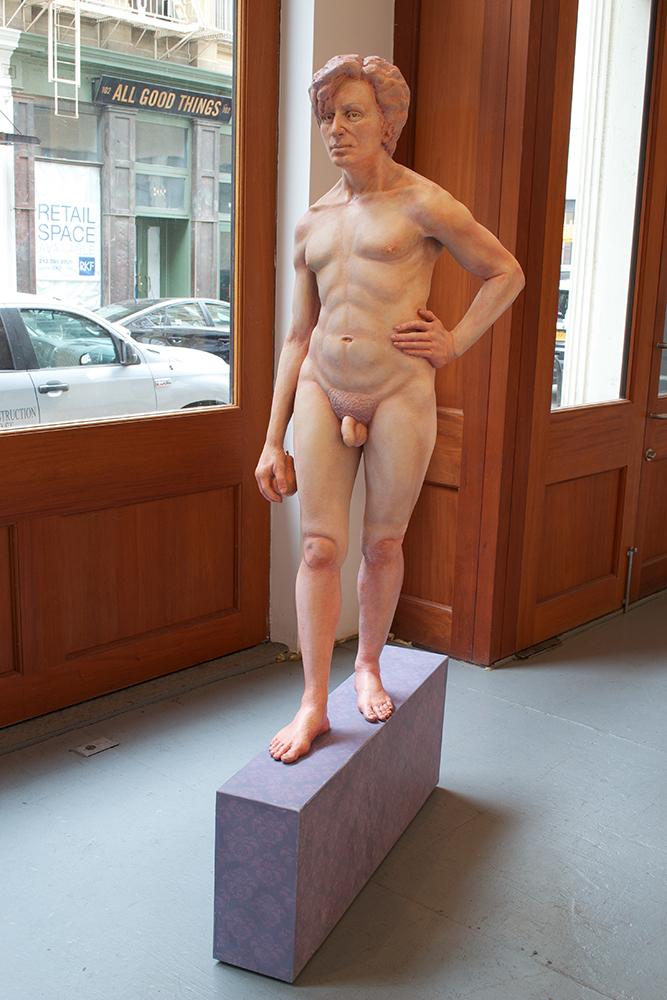
- Charly Swing (MFA 2015)
-
- Luke Tromiczak (MFA 2015)

-
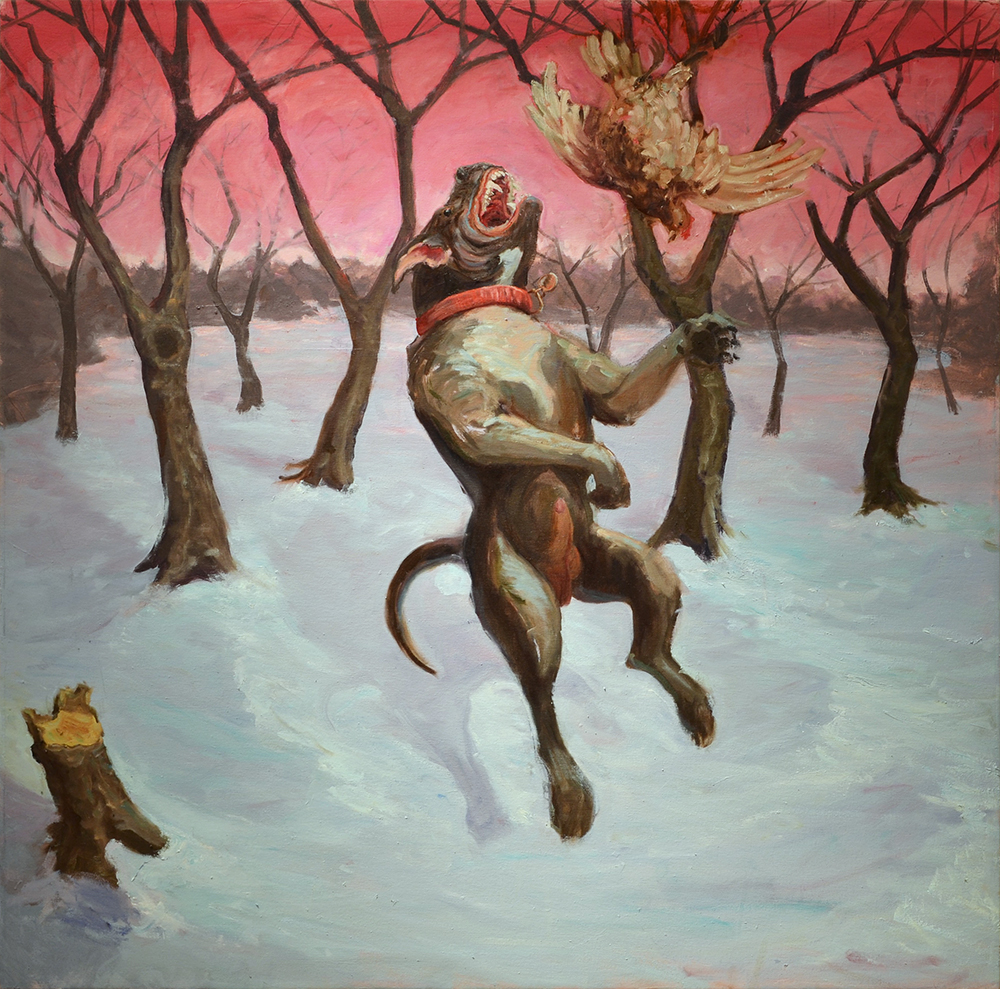
- Luke Tromiczak (MFA 2015)
-
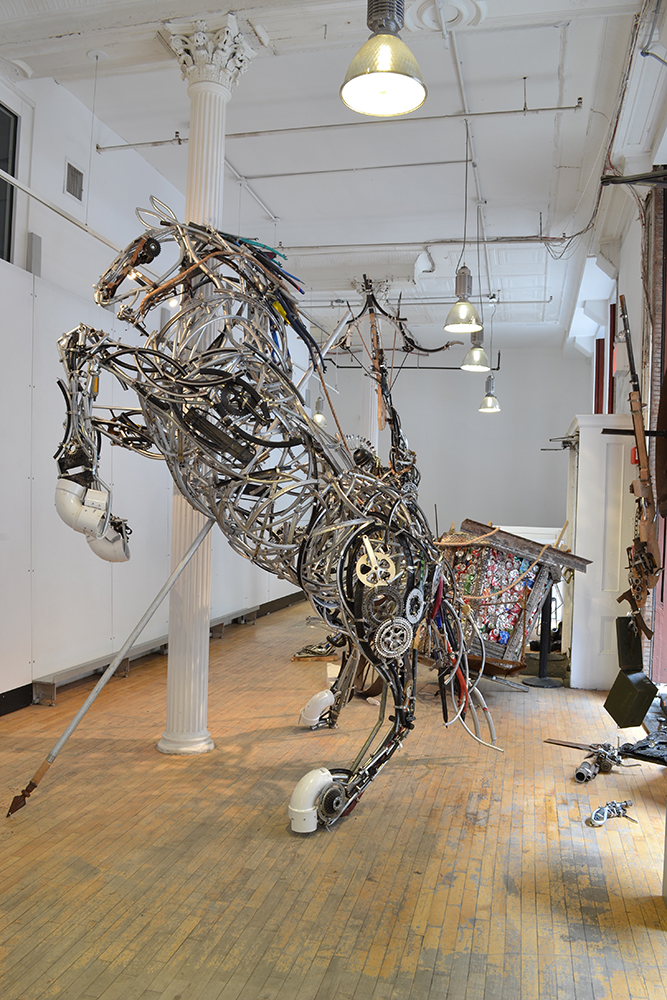
- Moses Tuki (MFA 2015)
-
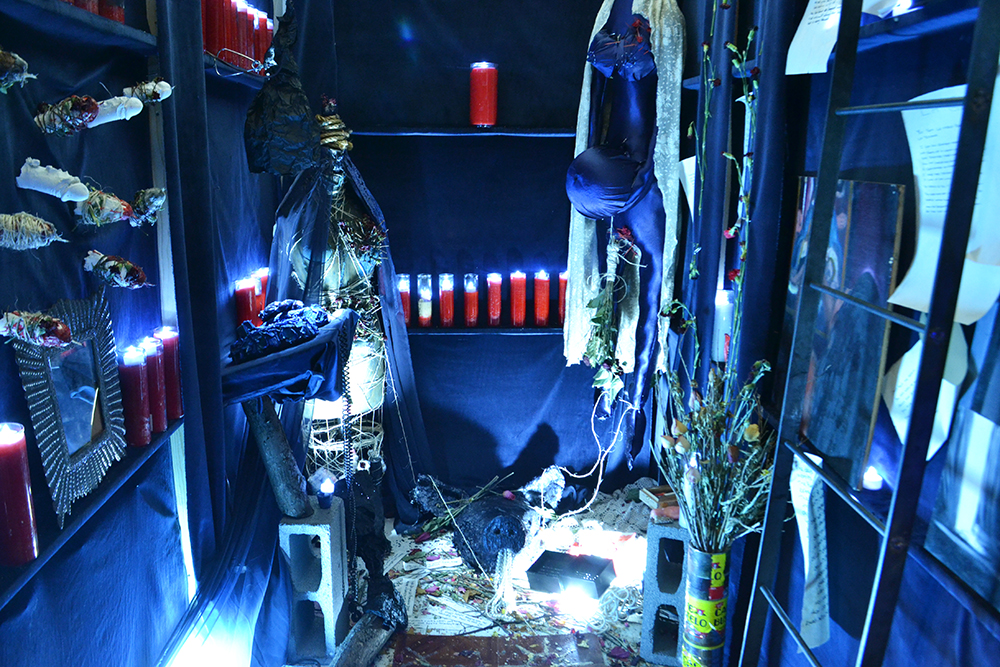
- Jehdy Ann Vargas (MFA 2015)
-
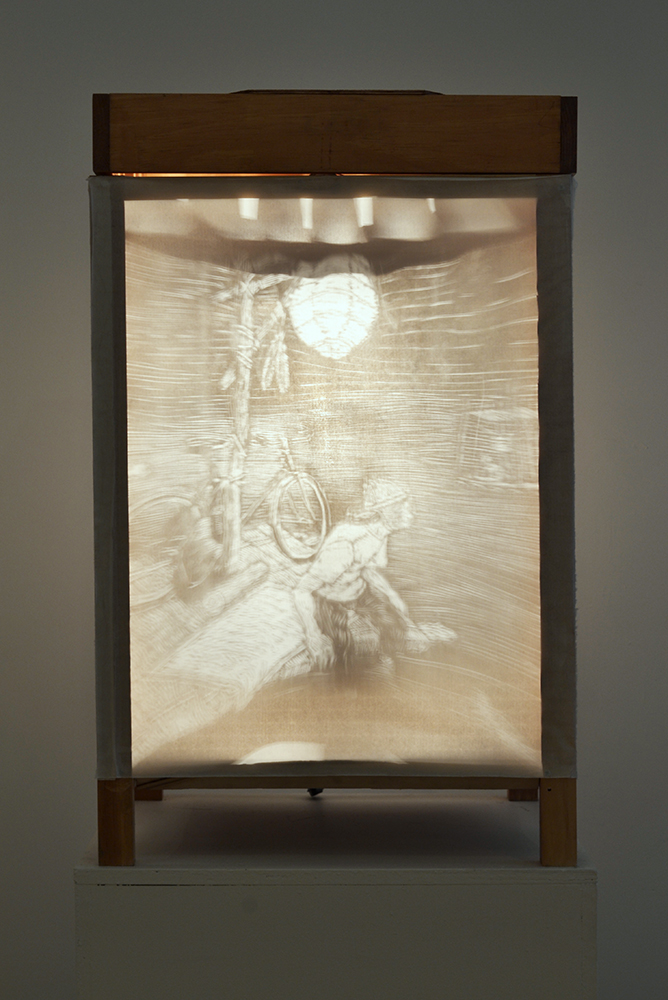
- Erich von Hasseln (MFA 2015)
-
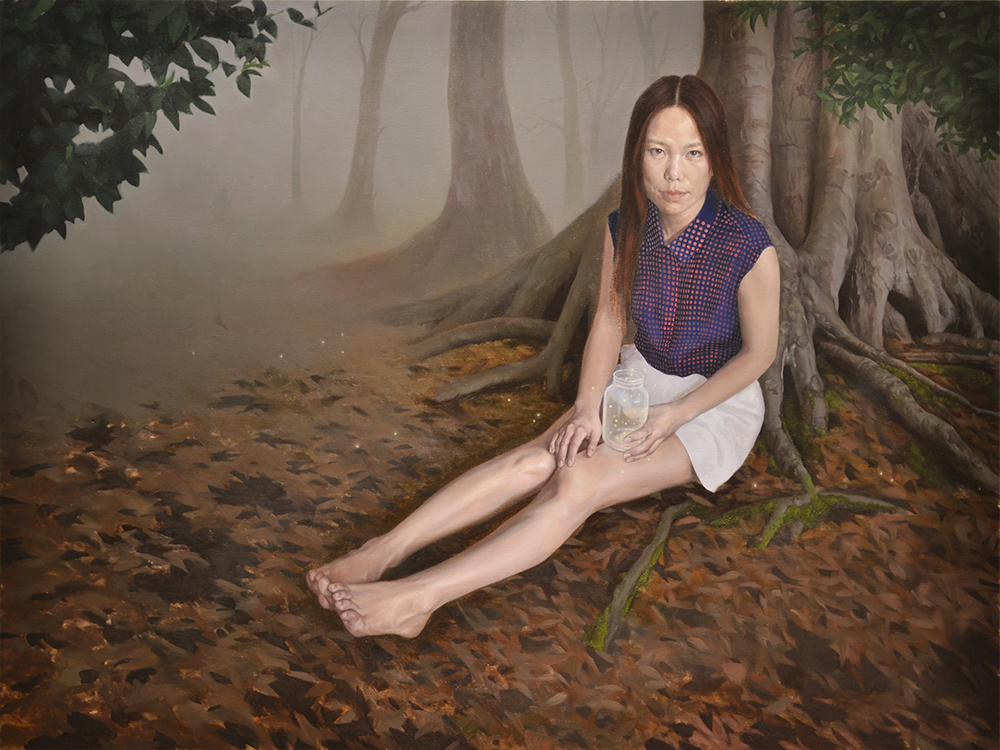
- Chao Wang (MFA 2015)
-
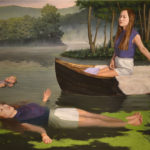
- Chao Wang (MFA 2015)

-
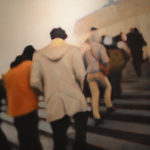
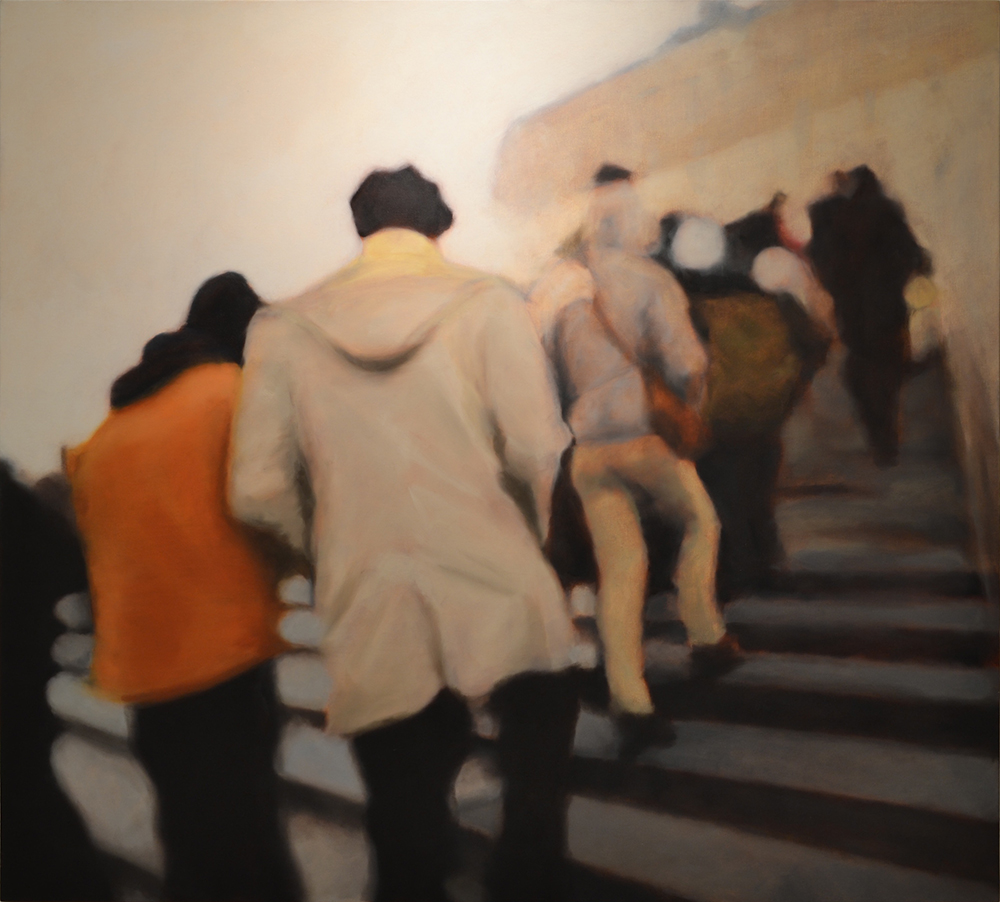
- Travis Willis (MFA 2015)
-
- Gabriel Zea (MFA 2015)